Client work · TV and film
Every title on the rack, invented.
Magazines, newspapers, books, menus, flyers, boxes and labels — invented titles and invented brands, built to be read on camera.
The newsstand of a show inside a show — 30 Rock, NBC
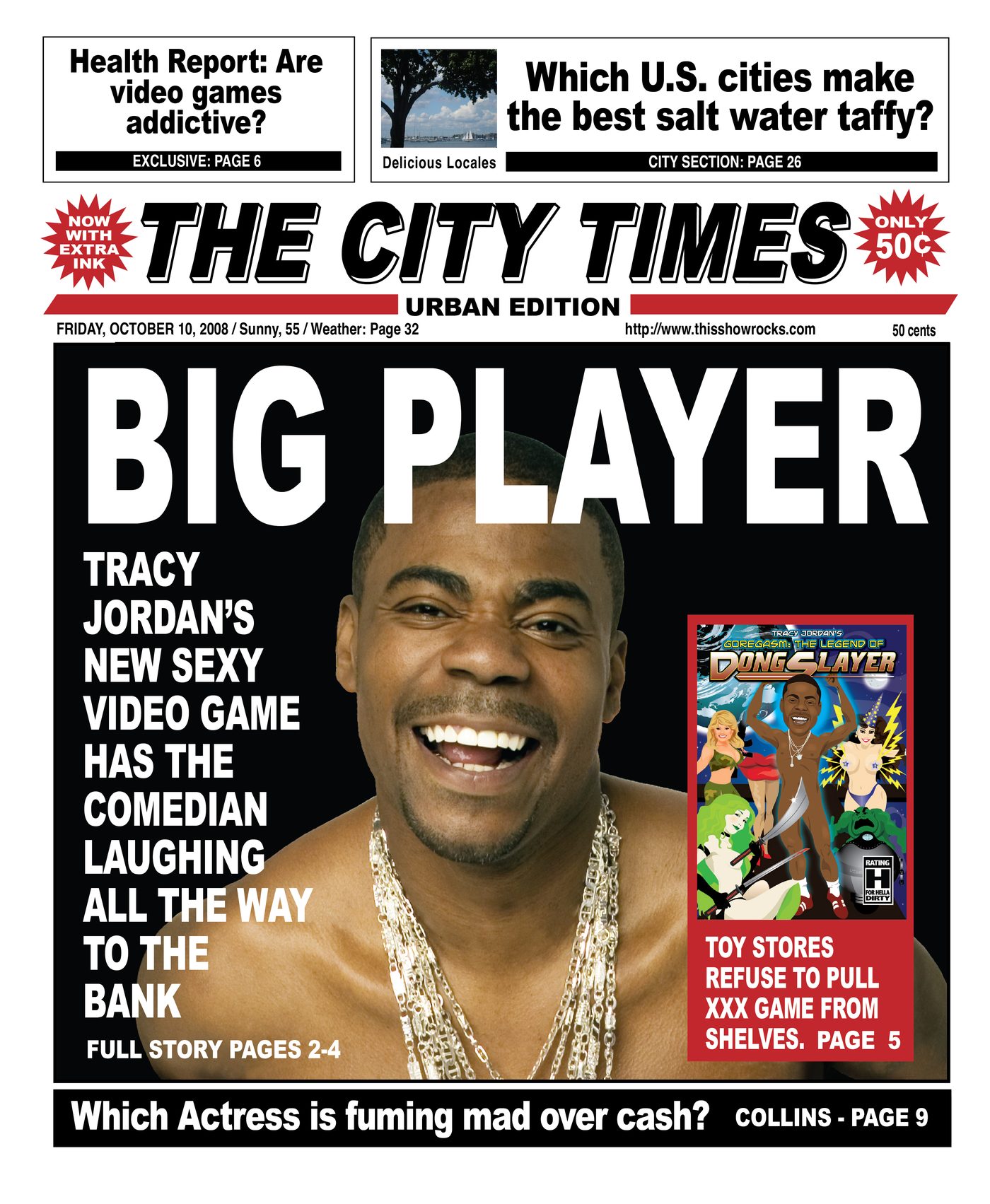
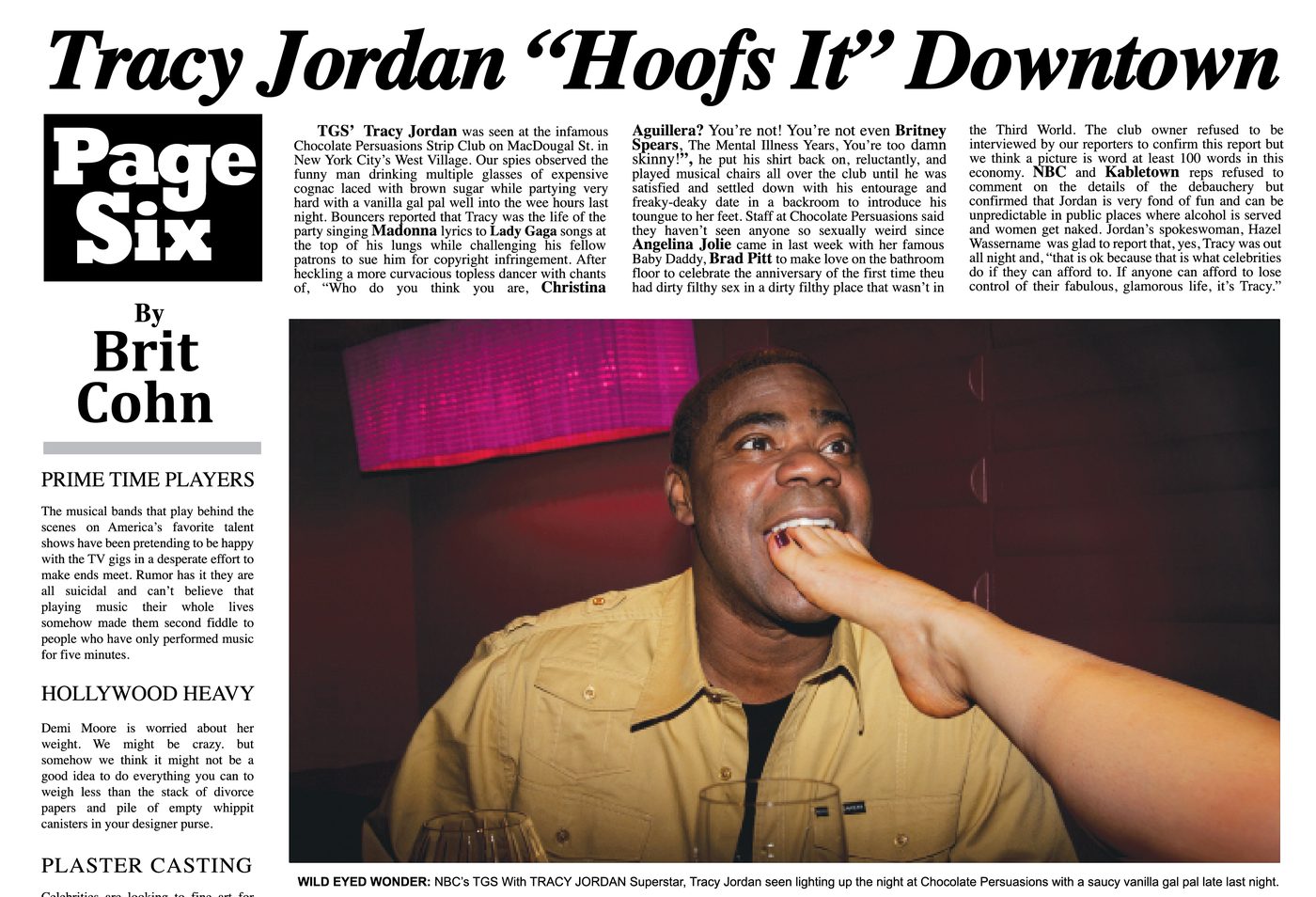
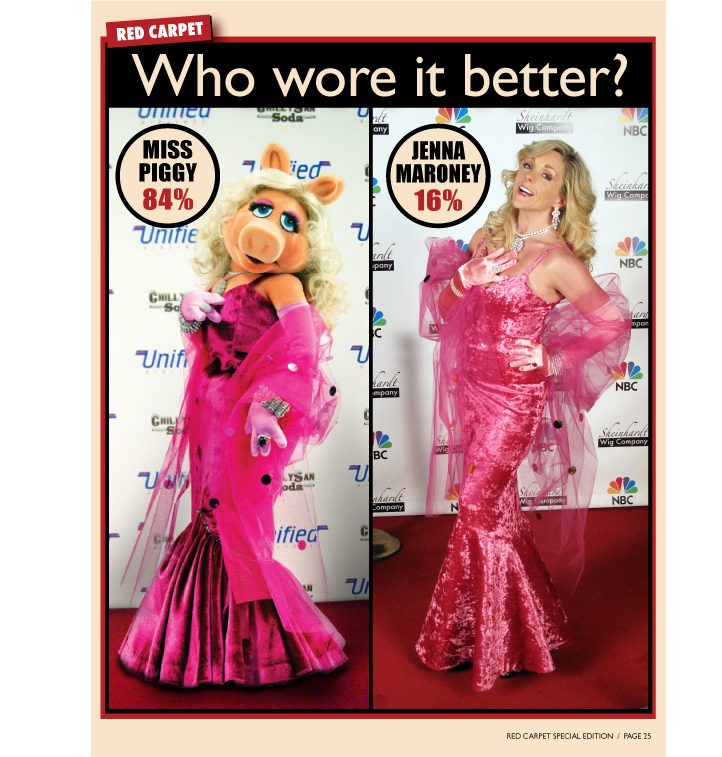
Ten seasons of tabloids, trades, broadsheets and the odd paperback, all of them about people who do not exist. The parody only works if the layout is right: the cover lines have to sit where the real magazine puts them, and the newsprint has to be newsprint.
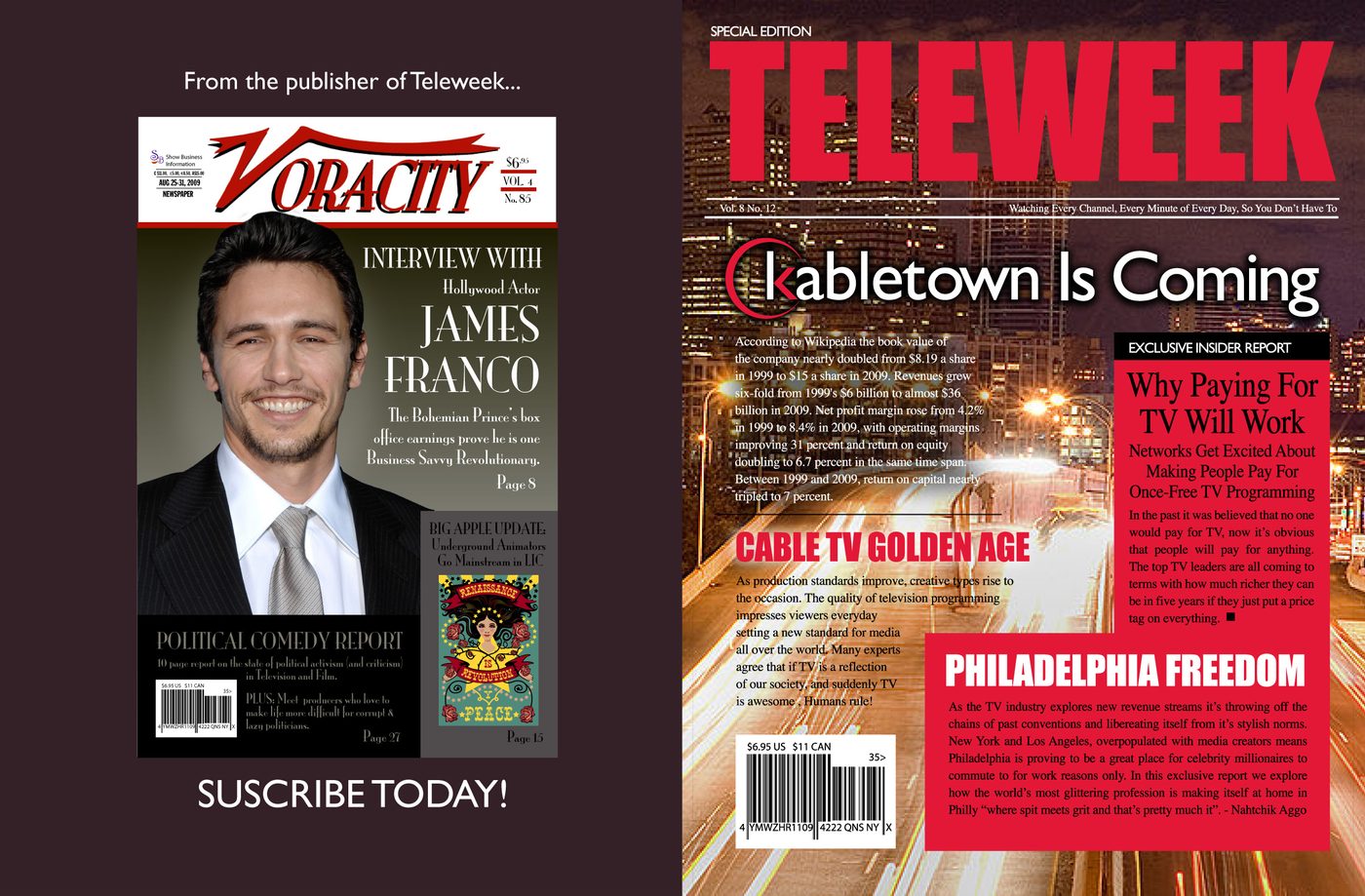
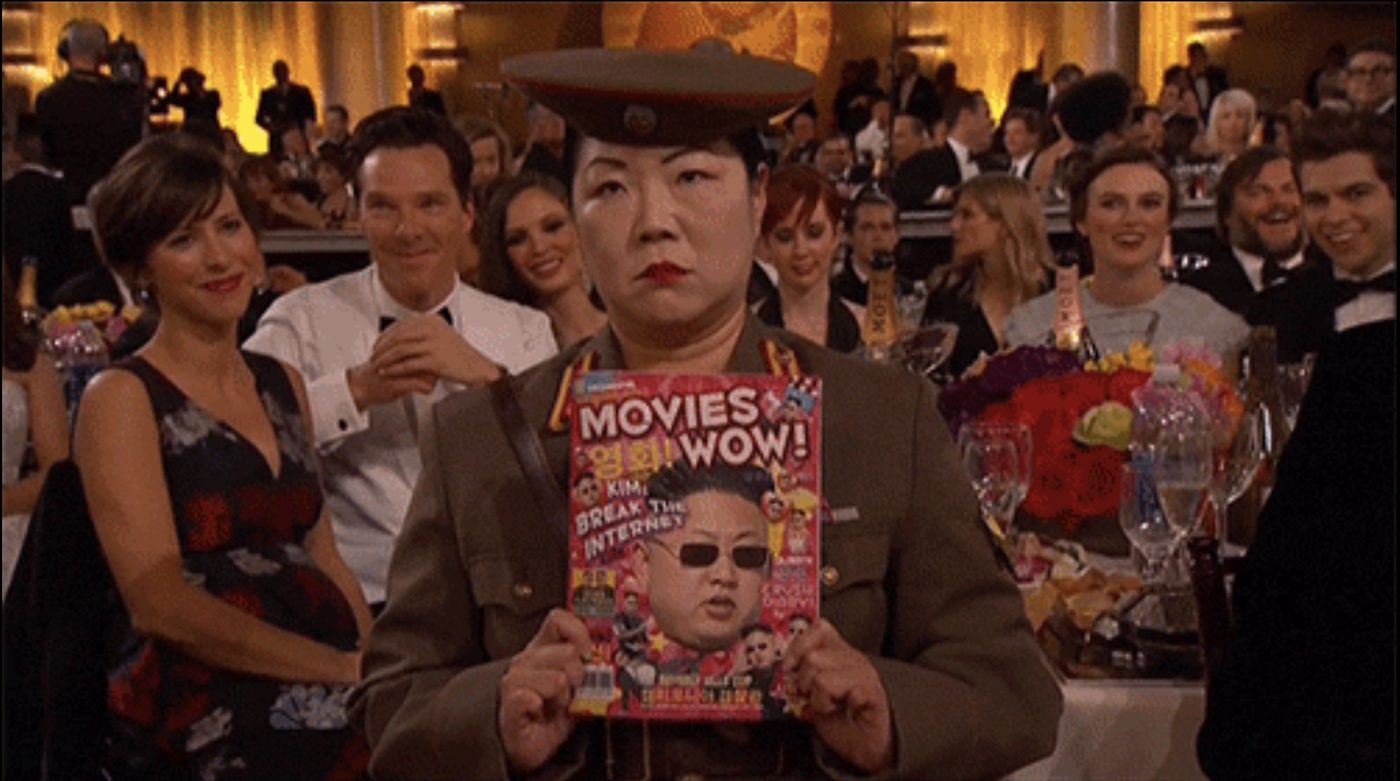
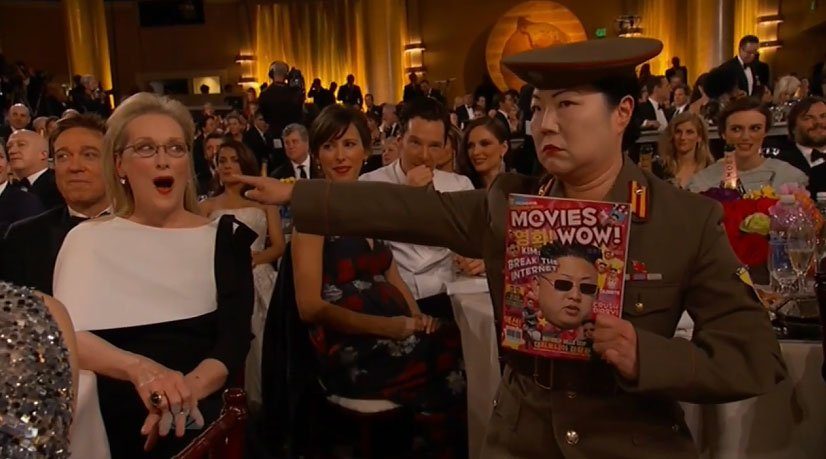
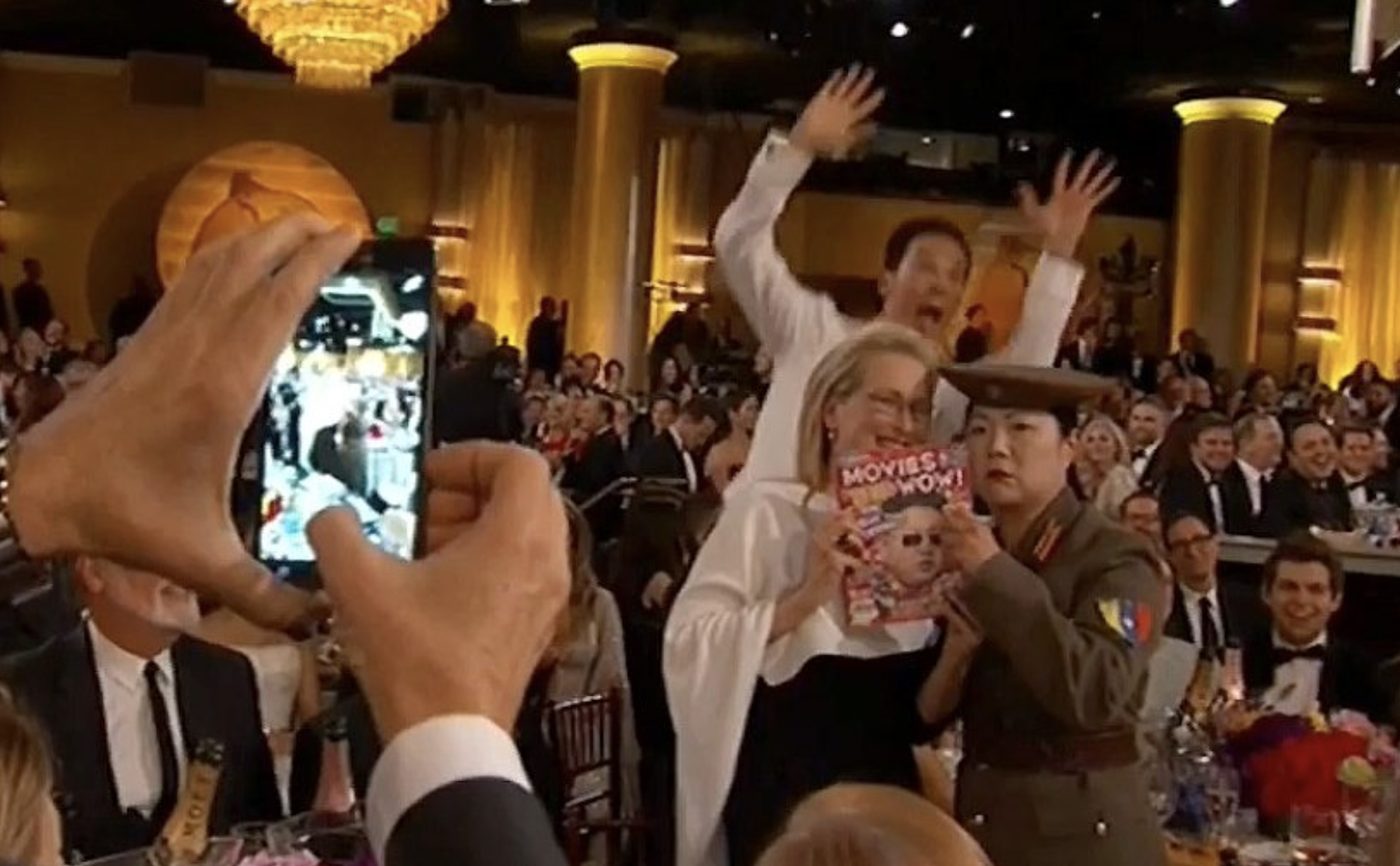
The Golden Globes
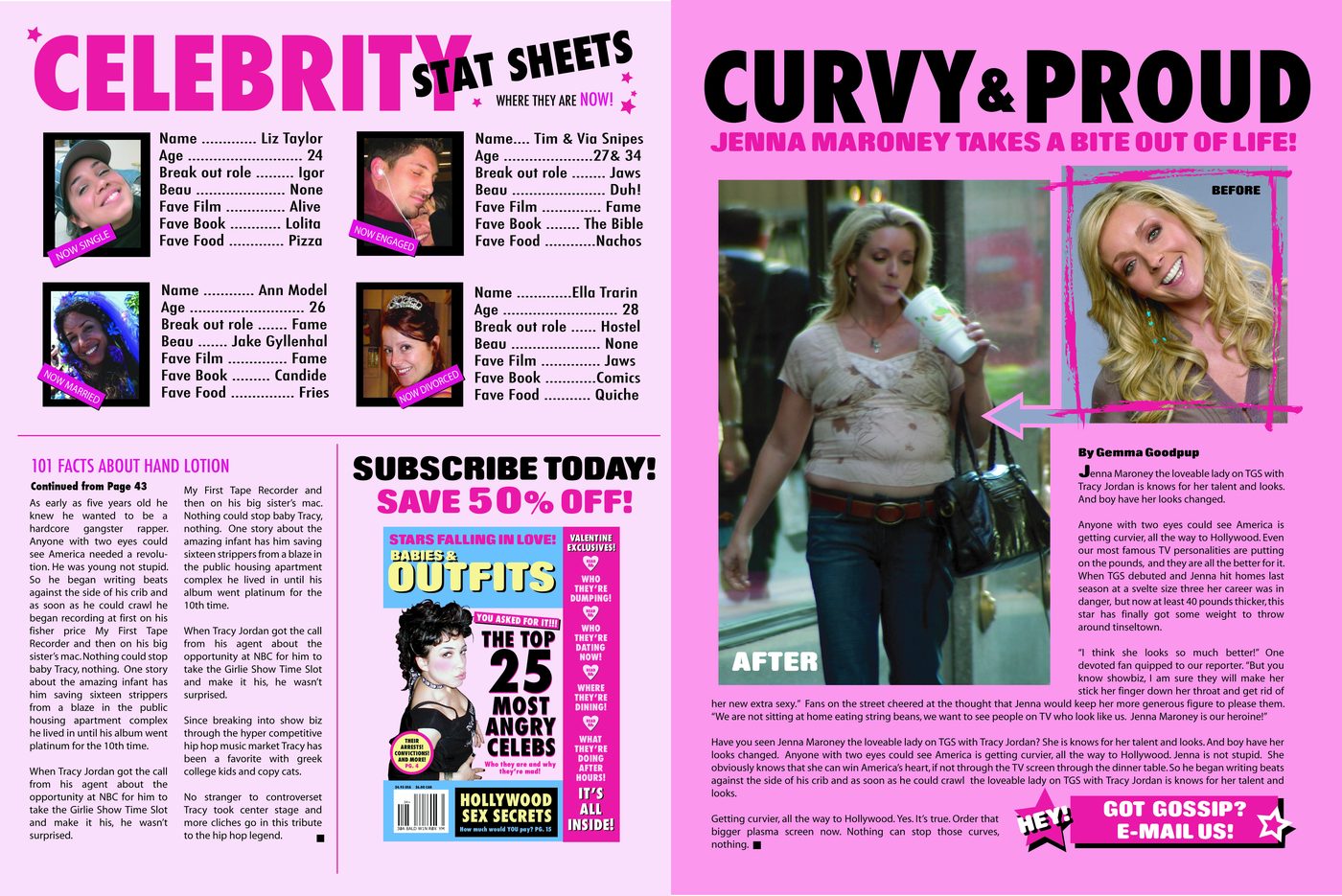
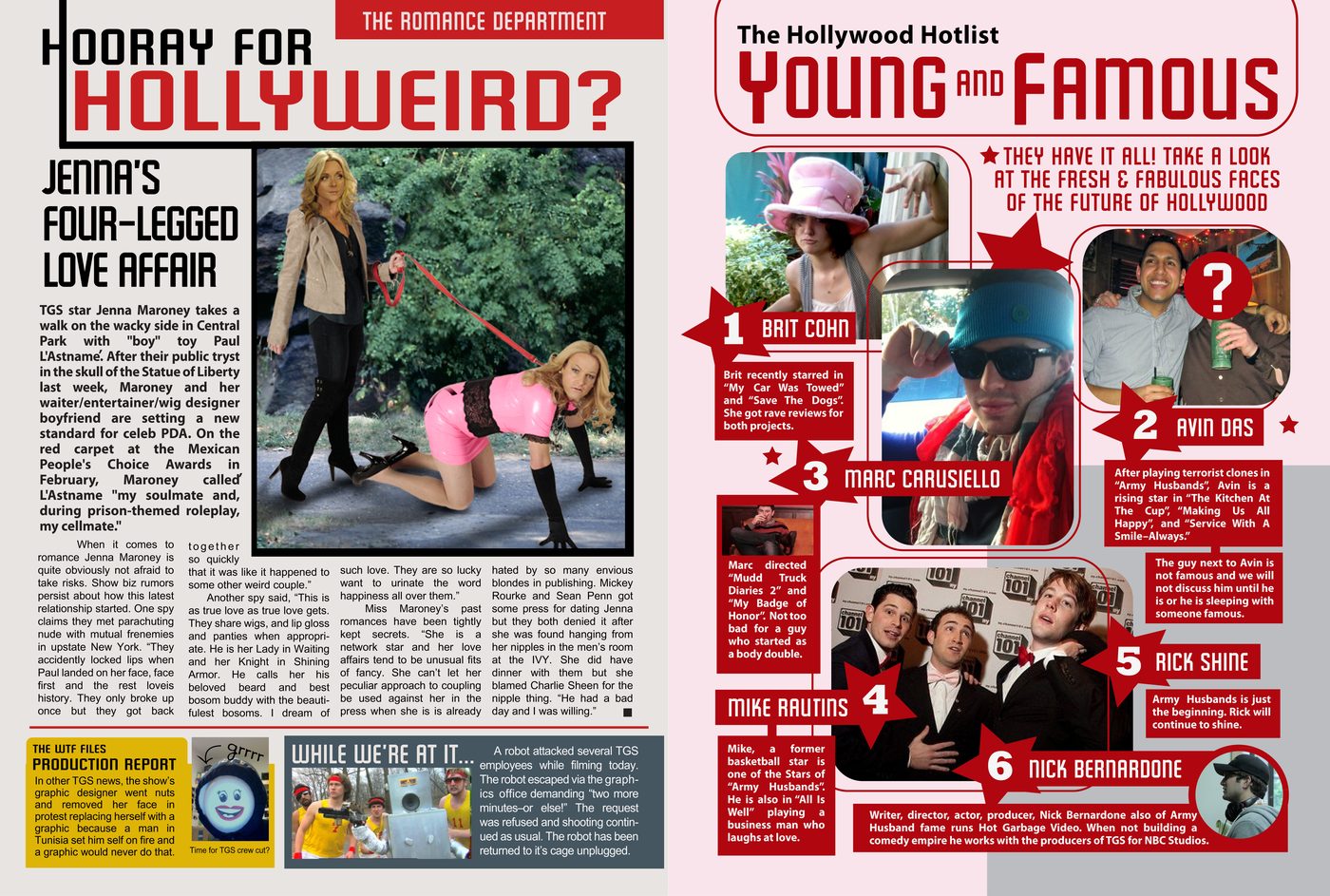
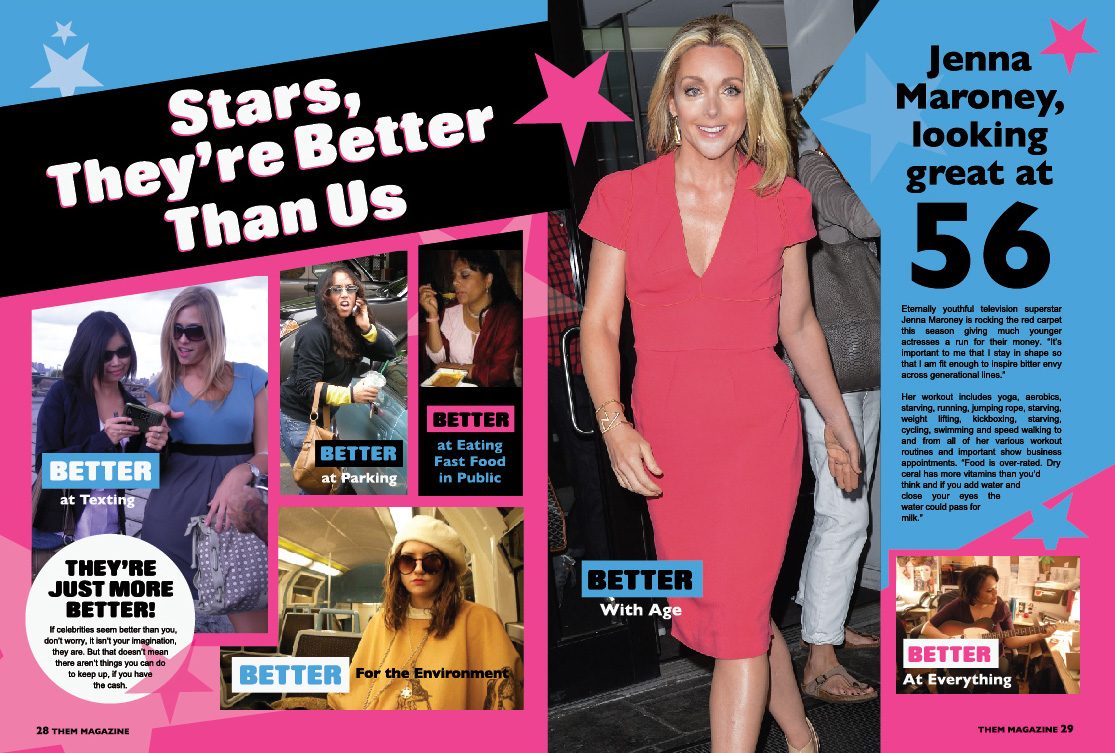
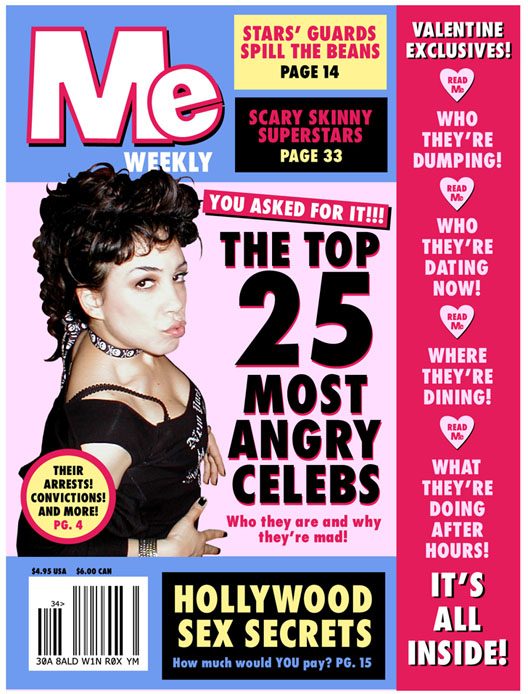
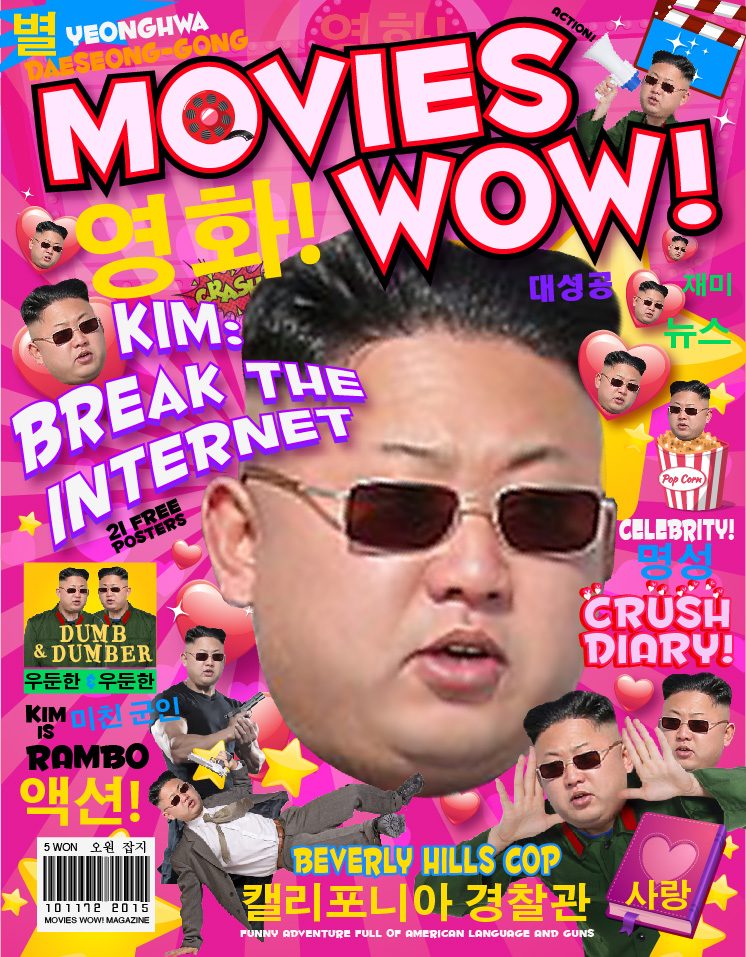
A magazine that had to exist before anyone could hold it up on live television. It was made as a prop for a bit at the Golden Globes, which meant it had to read from the stage, from the floor, and in every phone photograph taken of it that night.
Vinyl, HBO — a period newsstand
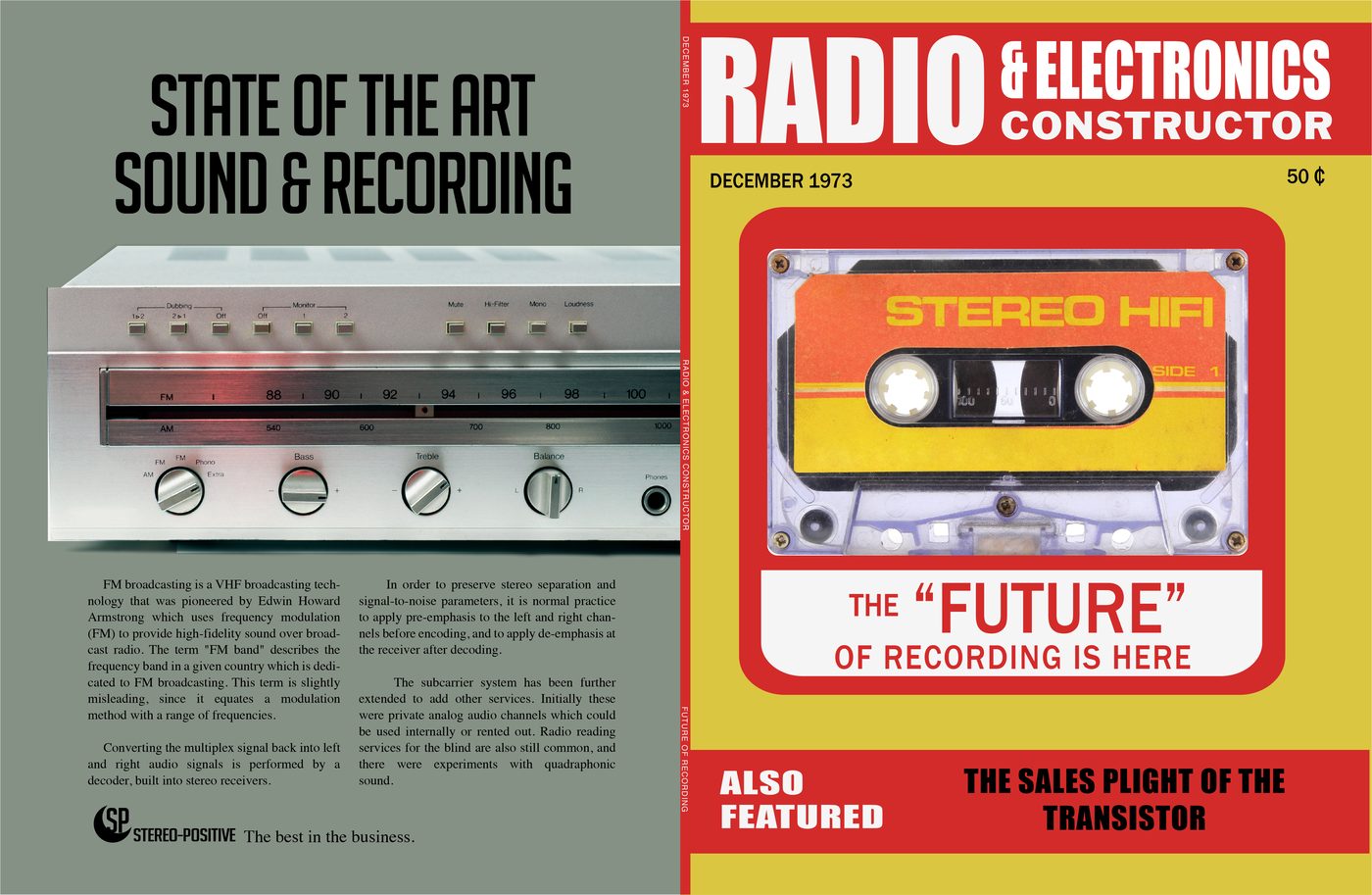
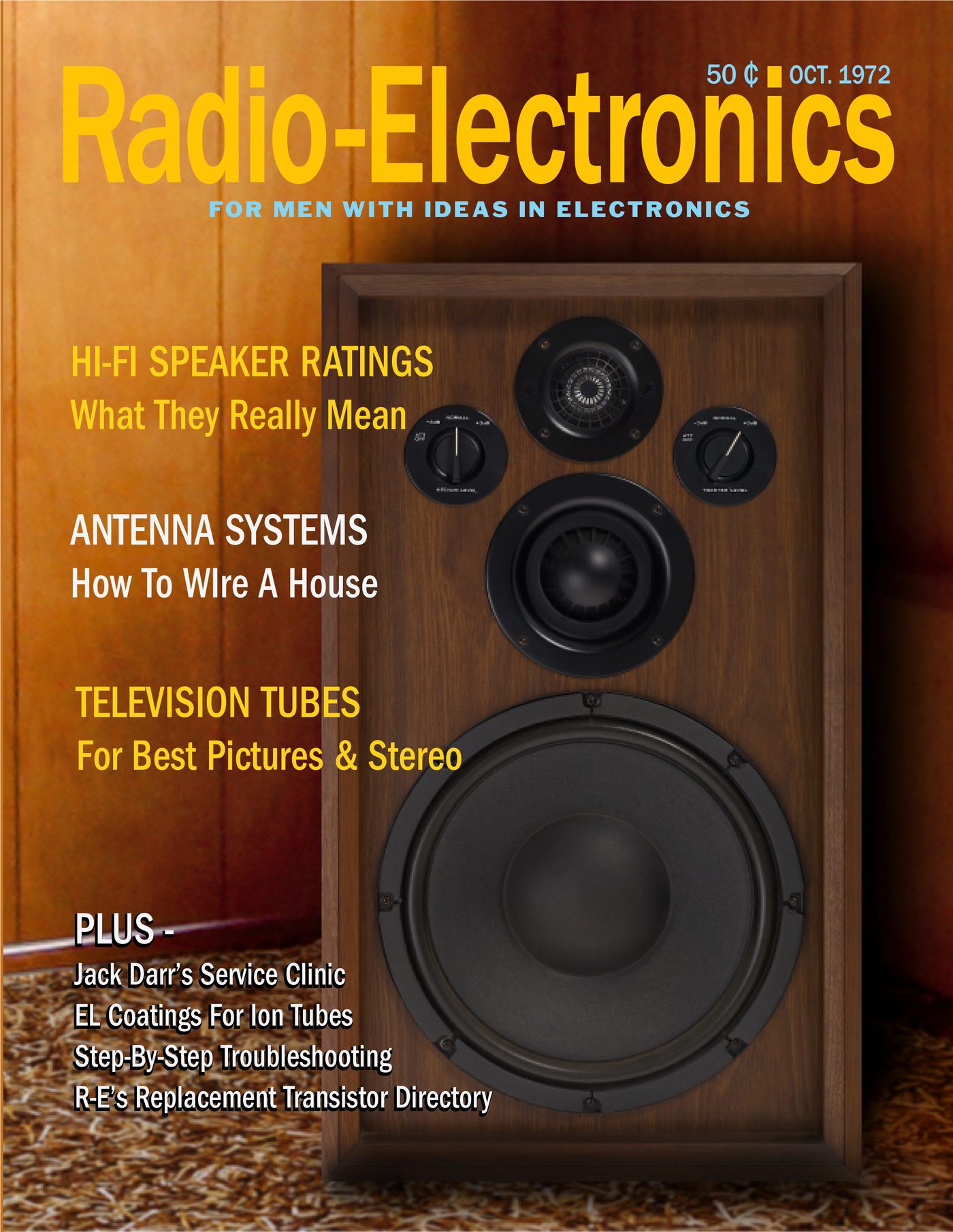
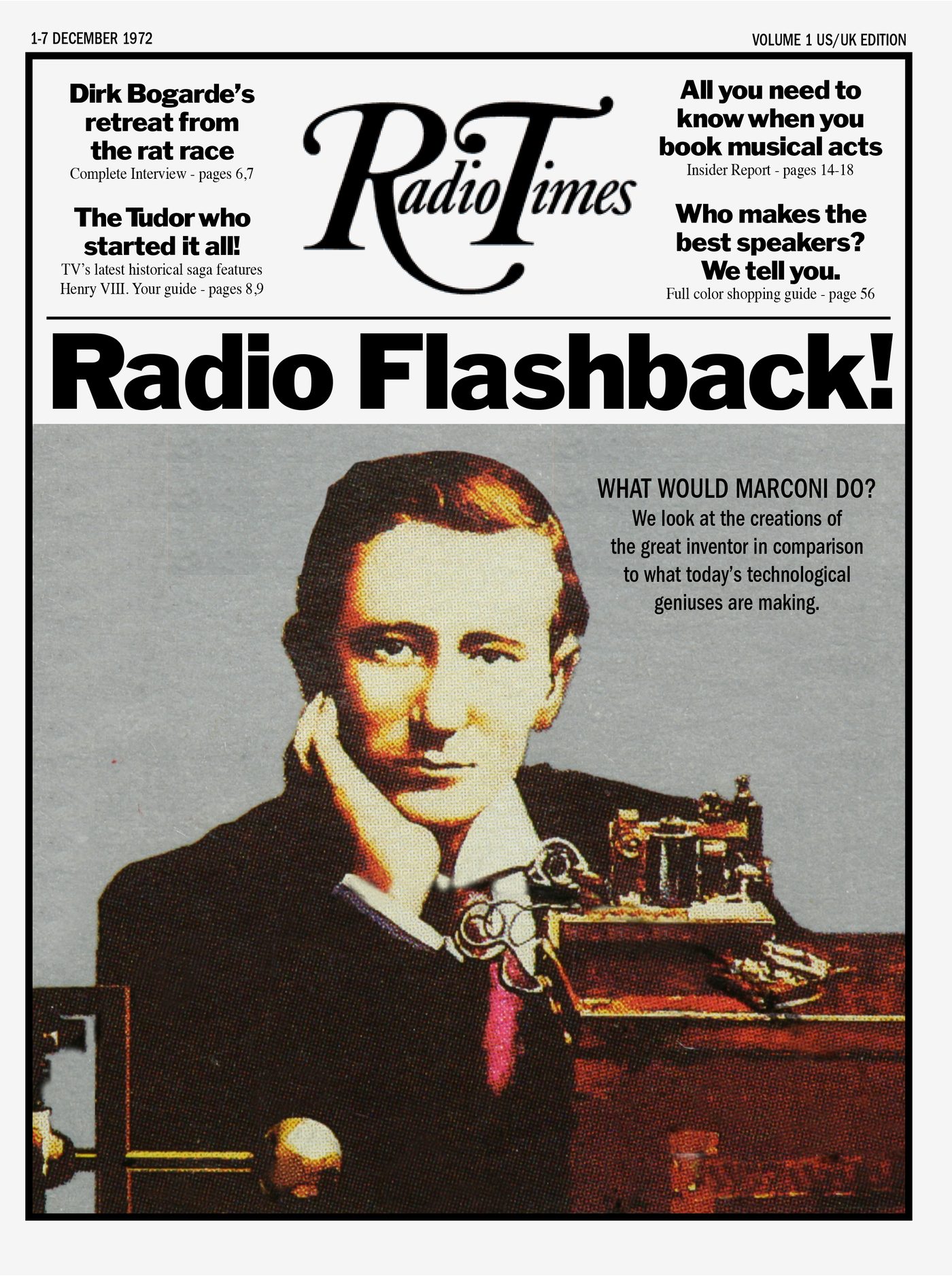
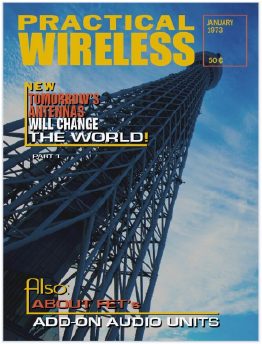
Set in the seventies music business, which meant building a whole era of print from scratch — hi-fi monthlies, radio listings, metal magazines and record sleeves, each one in the printing conventions and colour limits of the year it claims to be from.
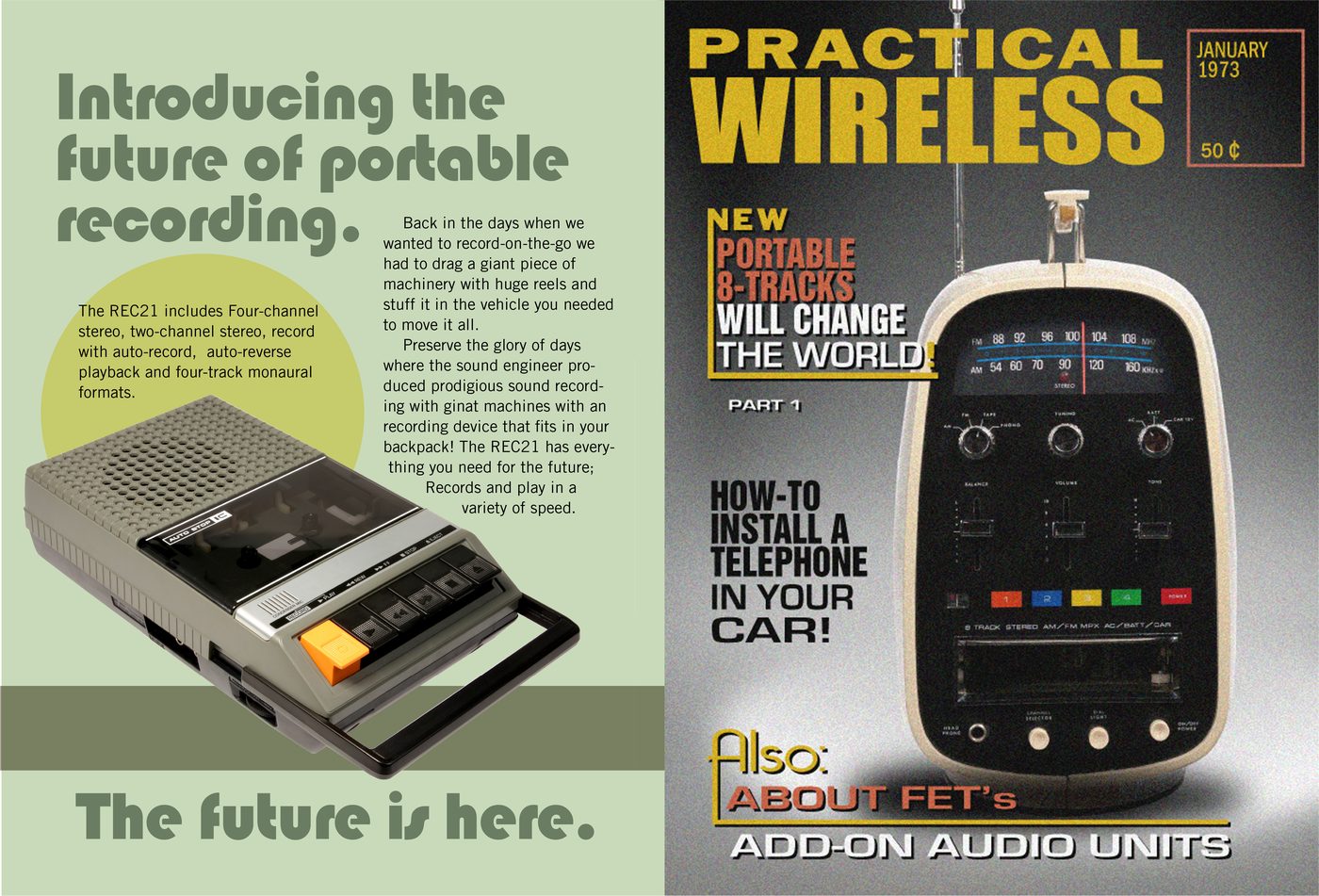
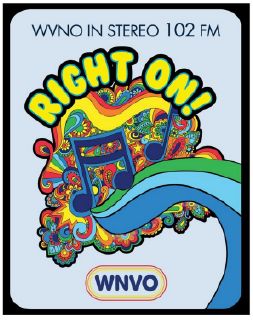
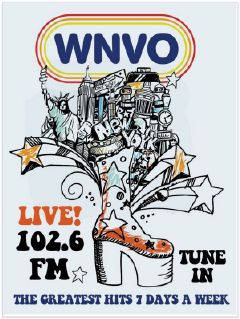
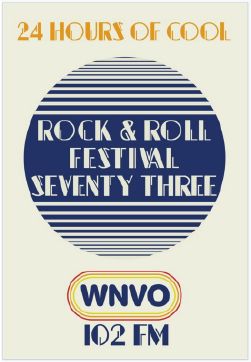
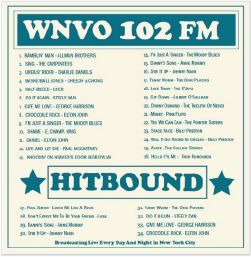
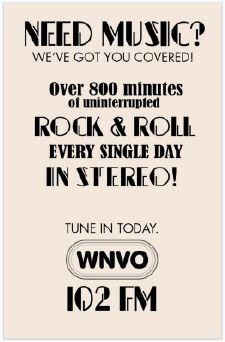
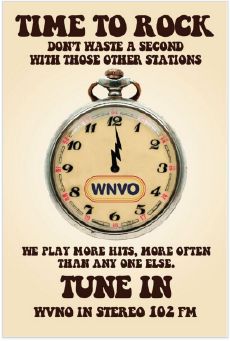
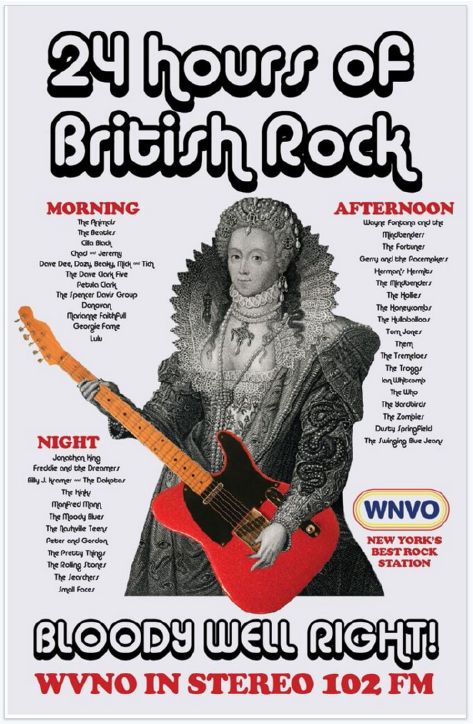
WNVO 102 FM
A radio station invented for the show, then advertised as one — posters, press ads, a chart, a masthead. The whole point of a station is that its graphics turn up everywhere, so there had to be enough of them to fill a city.
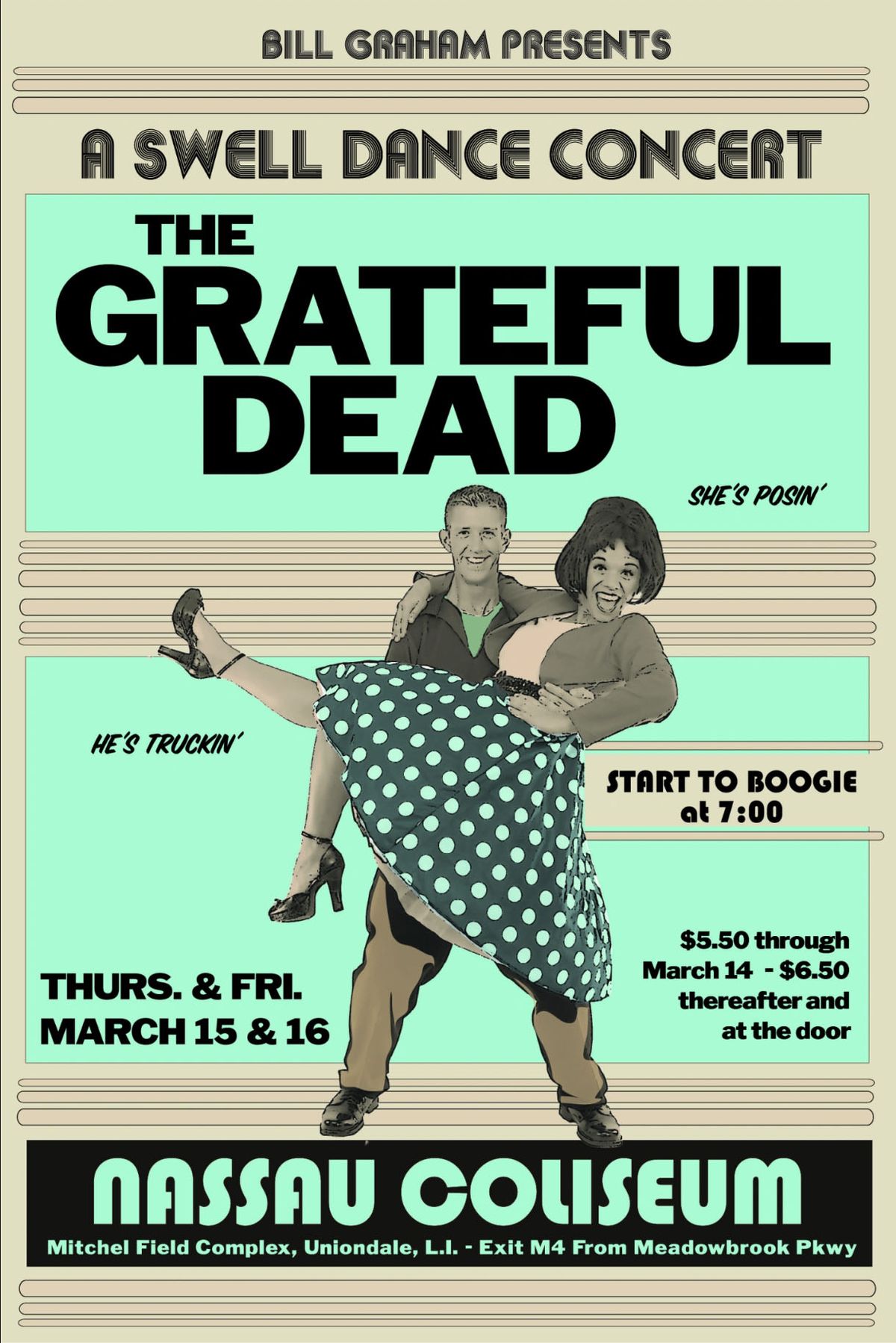
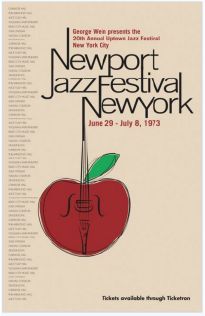
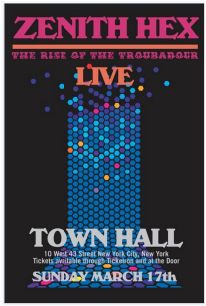
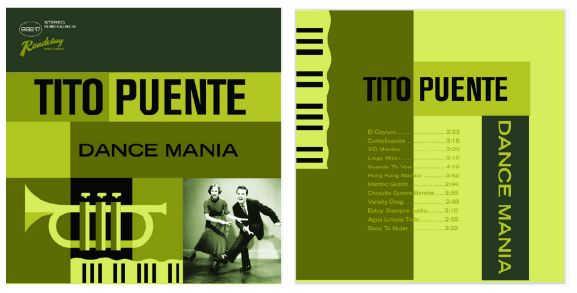
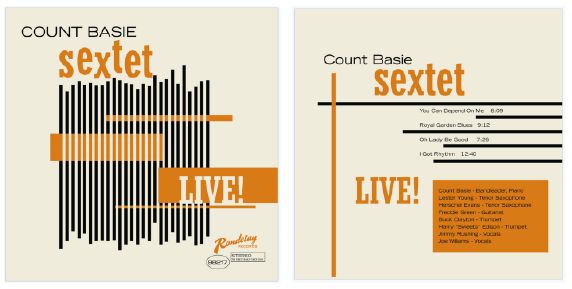
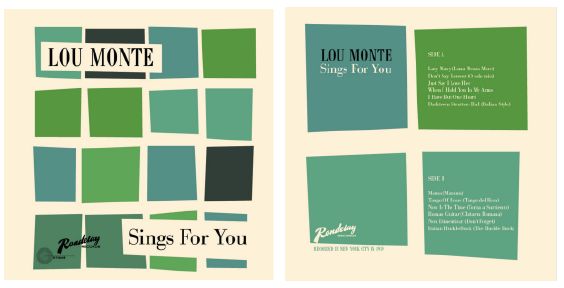
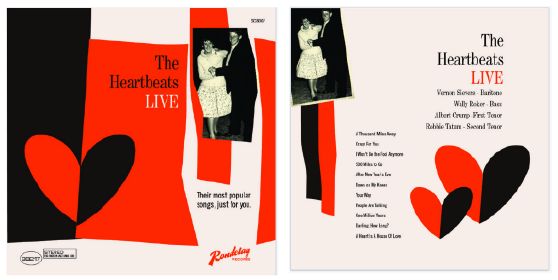
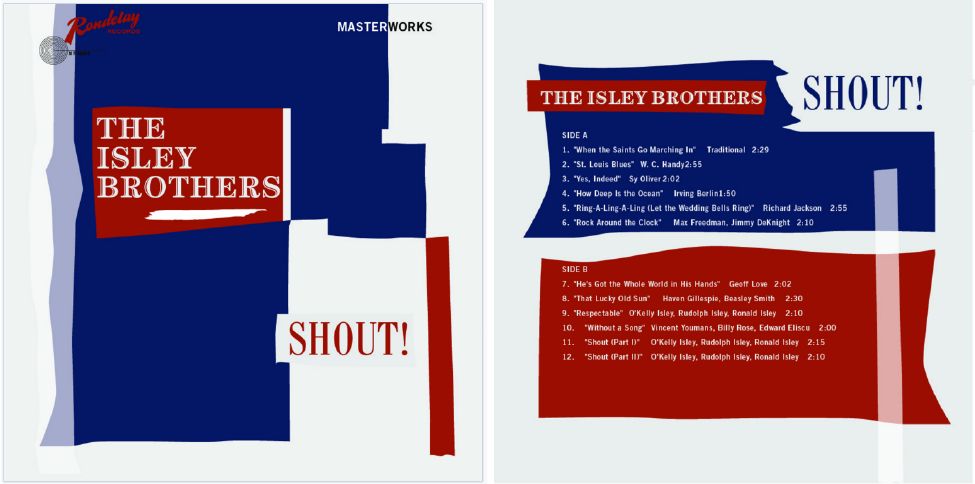
Posters and record sleeves
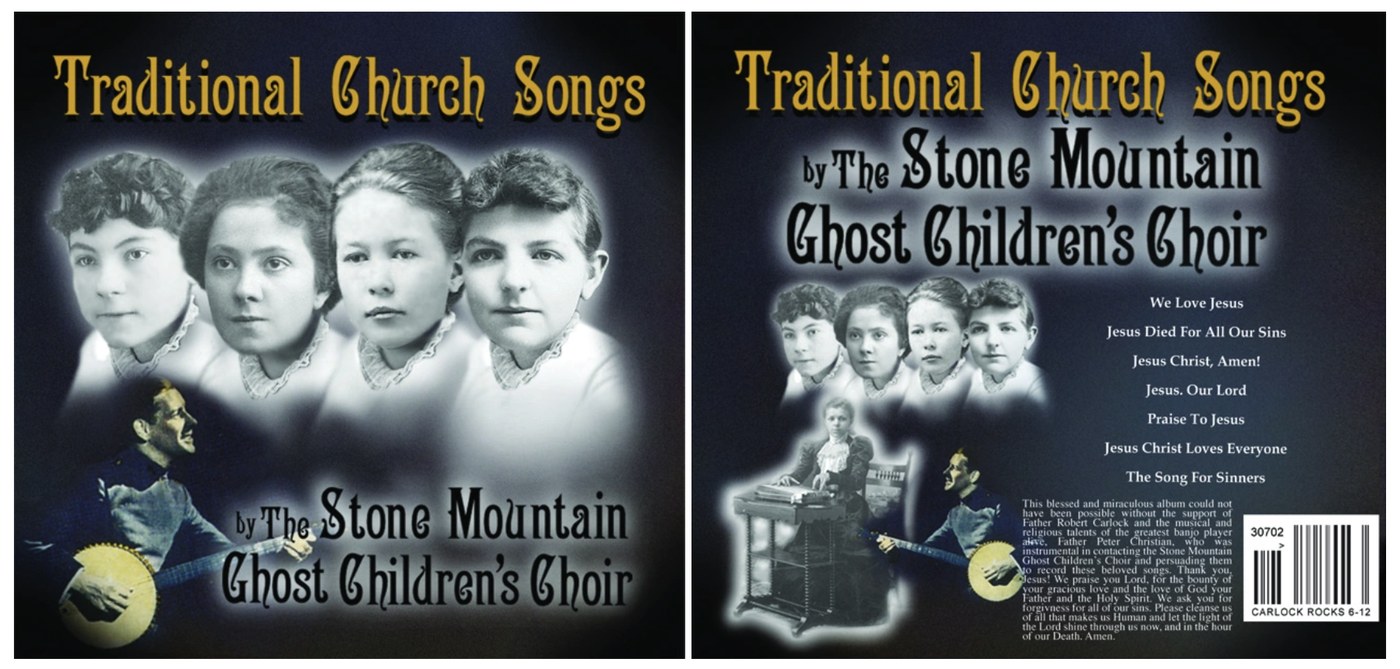
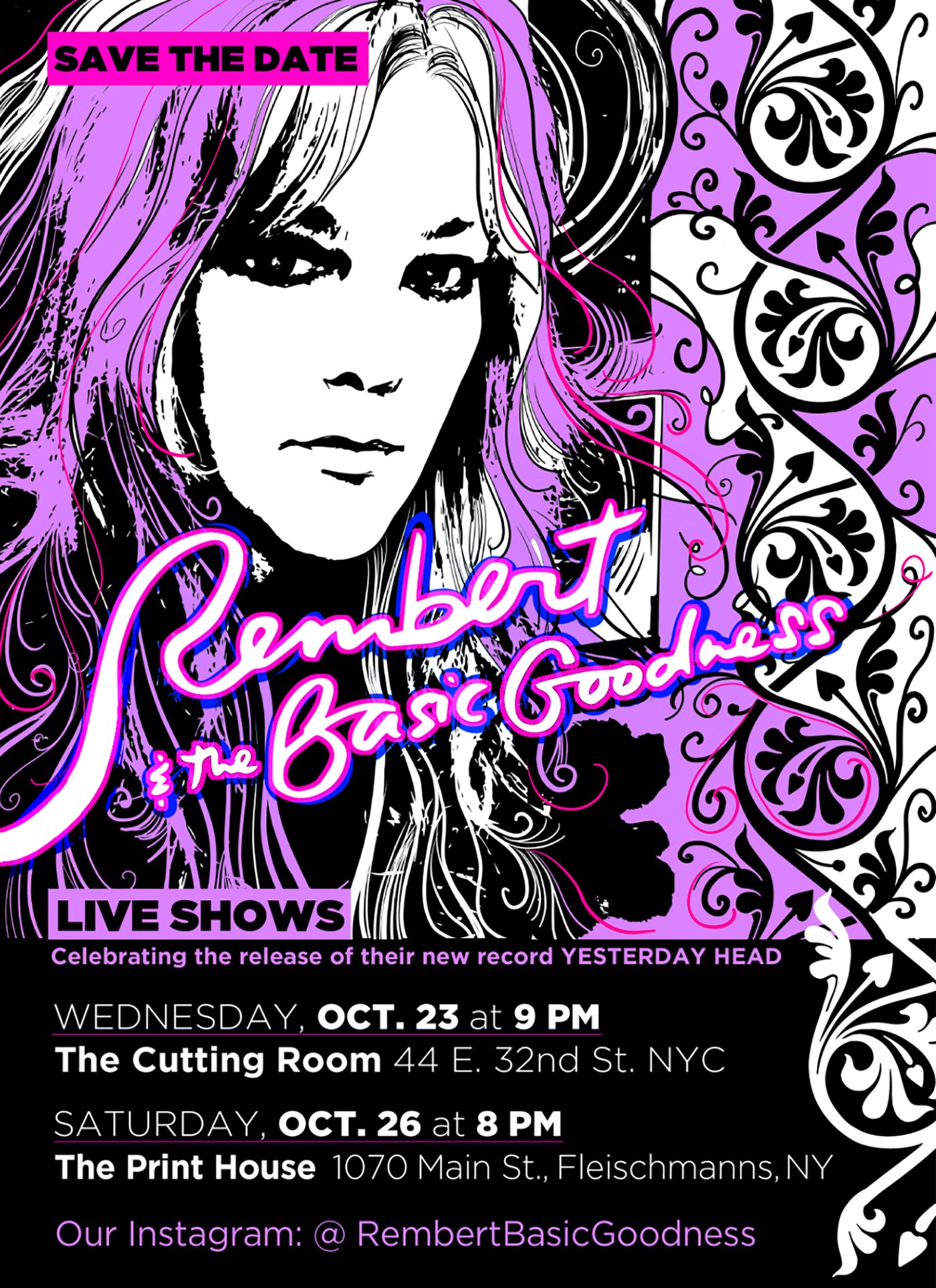
Concert bills and album art for acts that never existed, drawn in the printing conventions of the years they claim to come from.
Period advertising
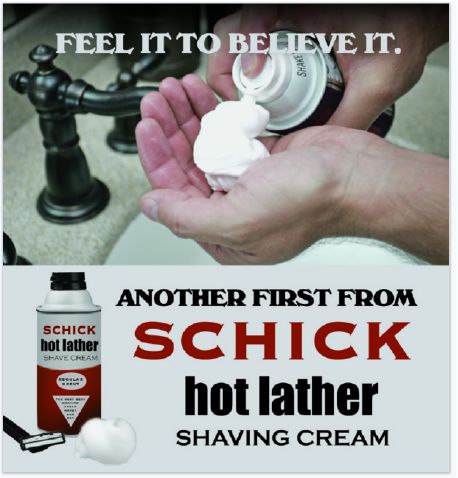
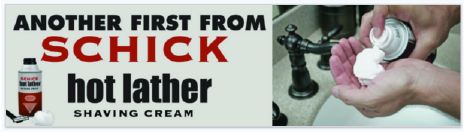
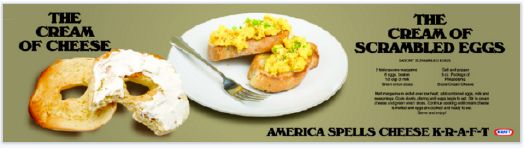
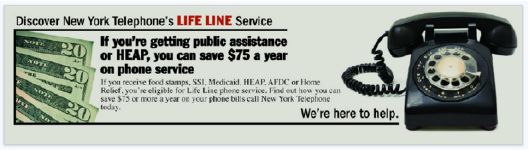
The other half of a period magazine is the advertising. Shaving cream, scrambled eggs and a telephone company, all set the way they would have been set.
Hysteria
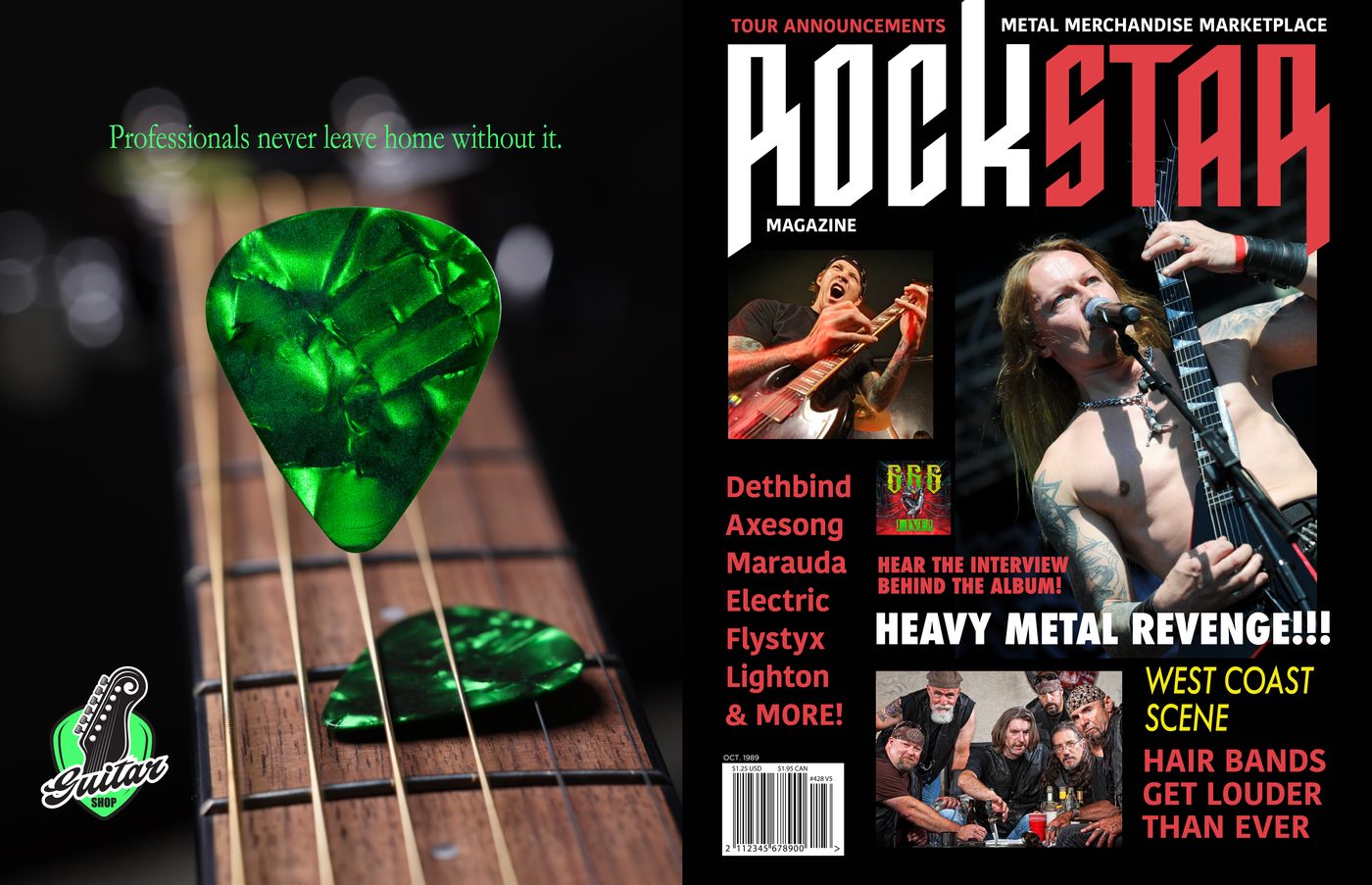
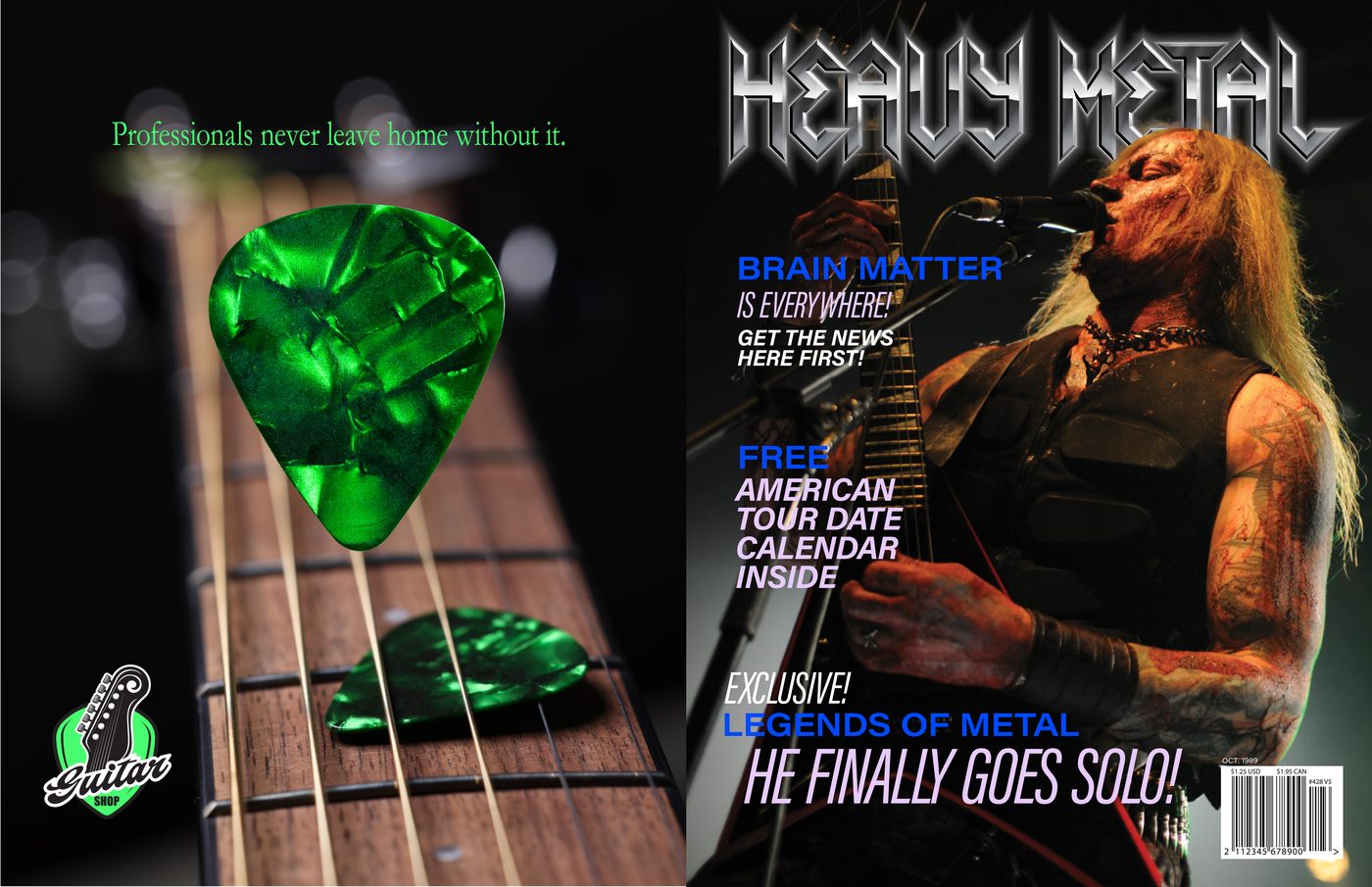
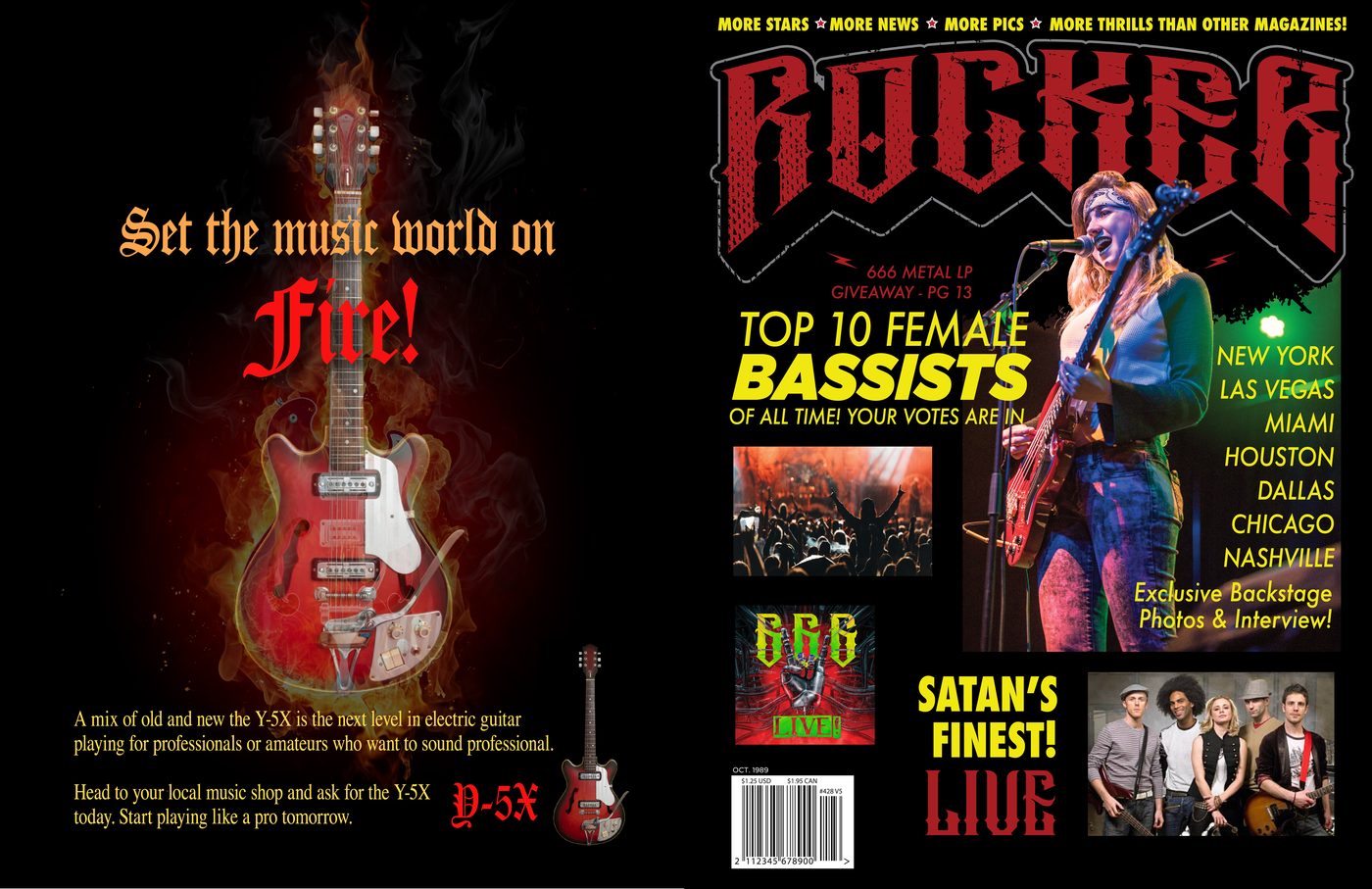
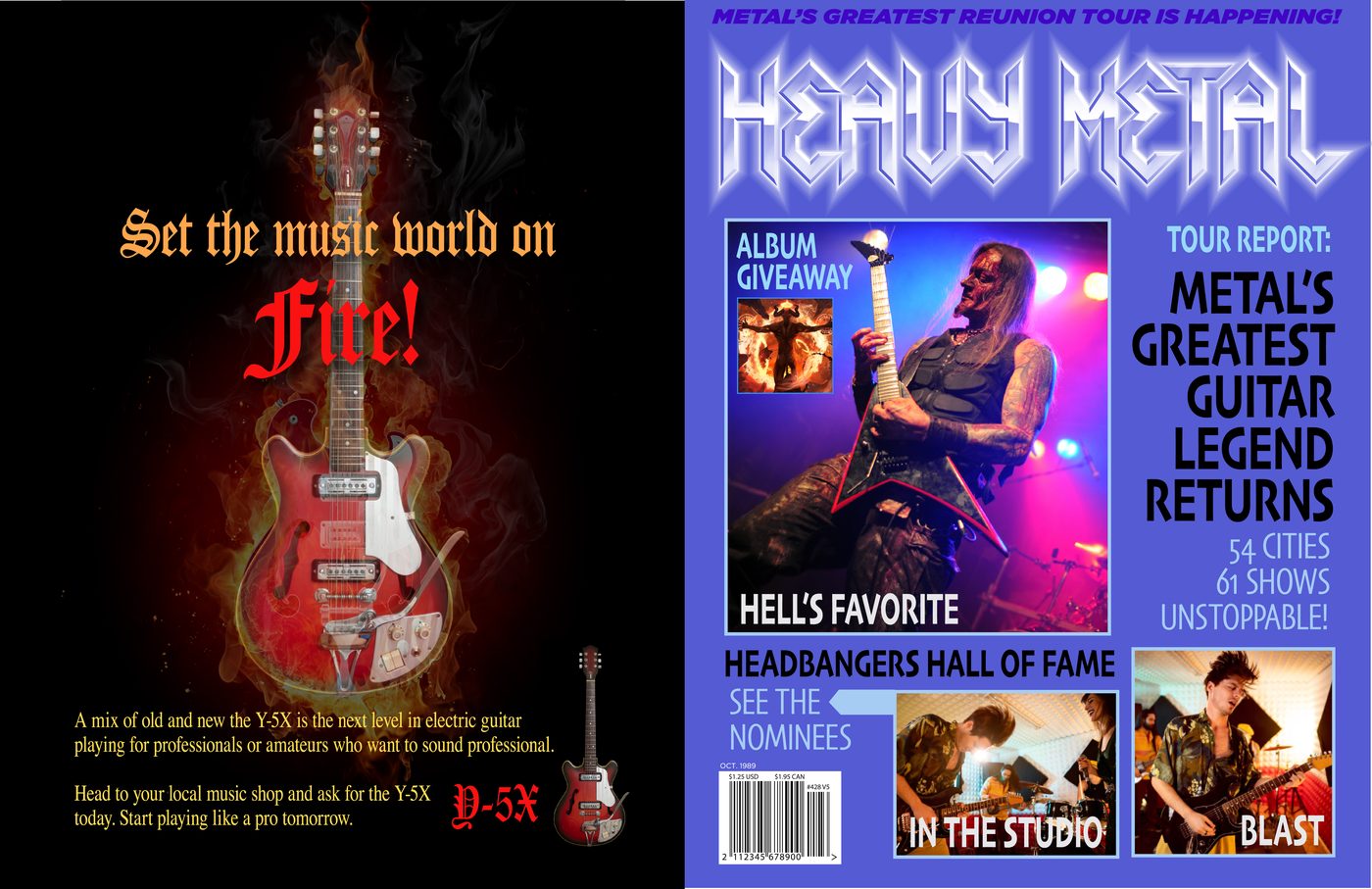
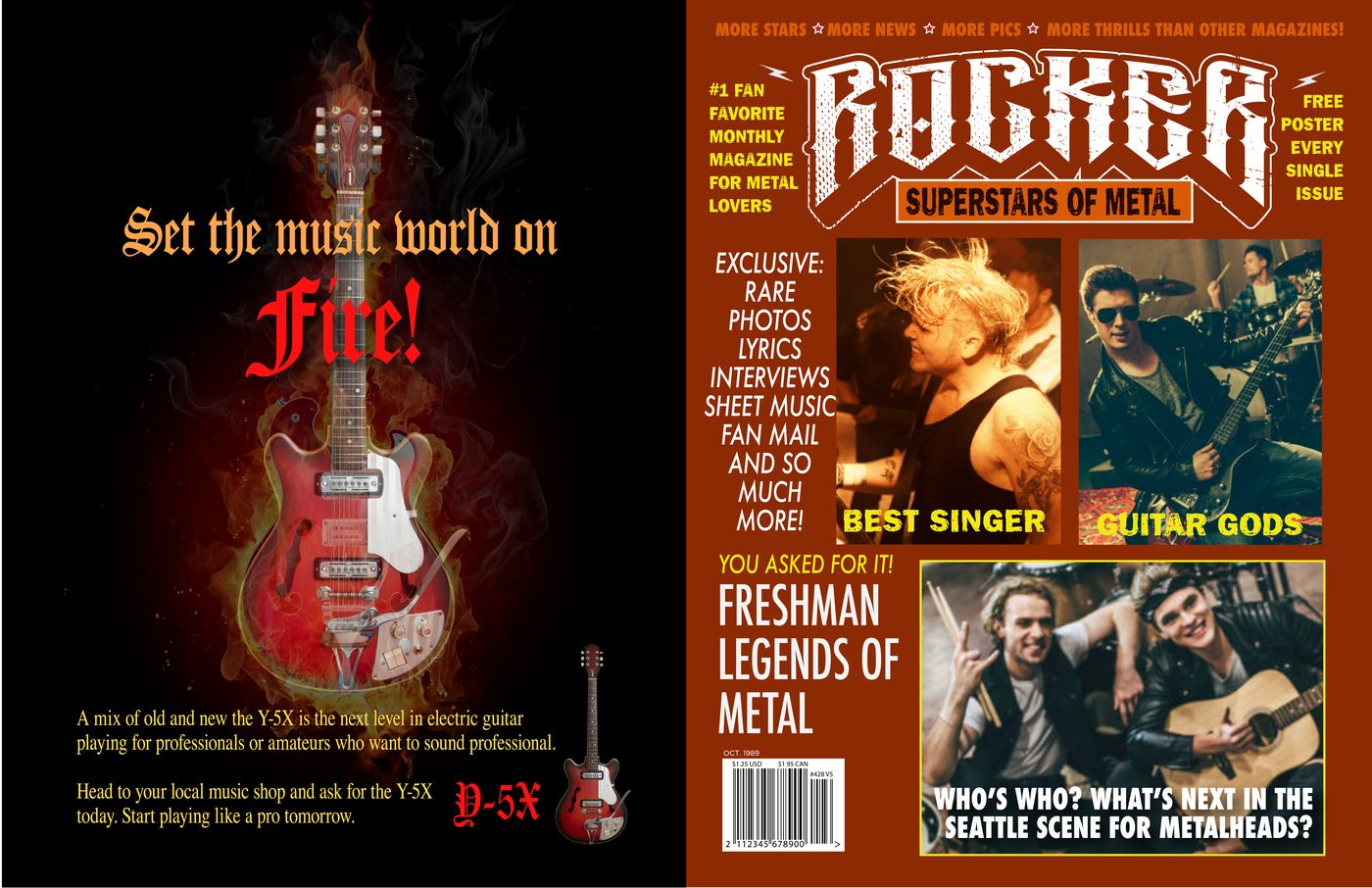
A heavy metal magazine invented for the show — a full run of covers, a hall of fame, and the record sleeves that lived in the same world.
Bull, CBS — the business press
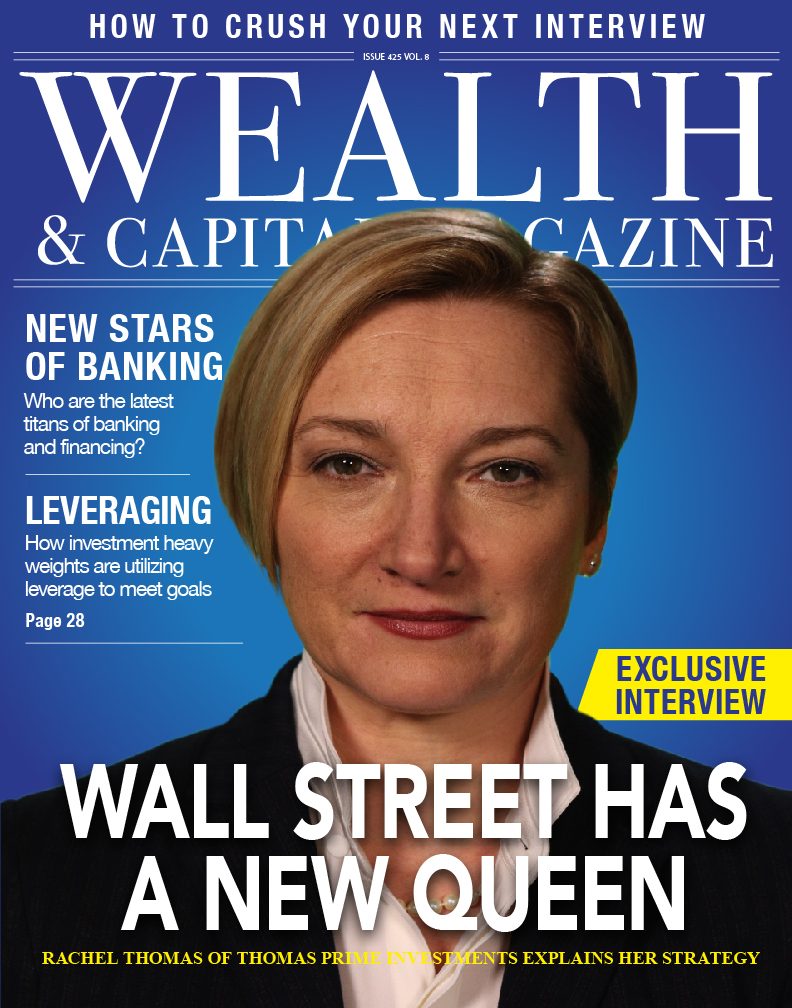
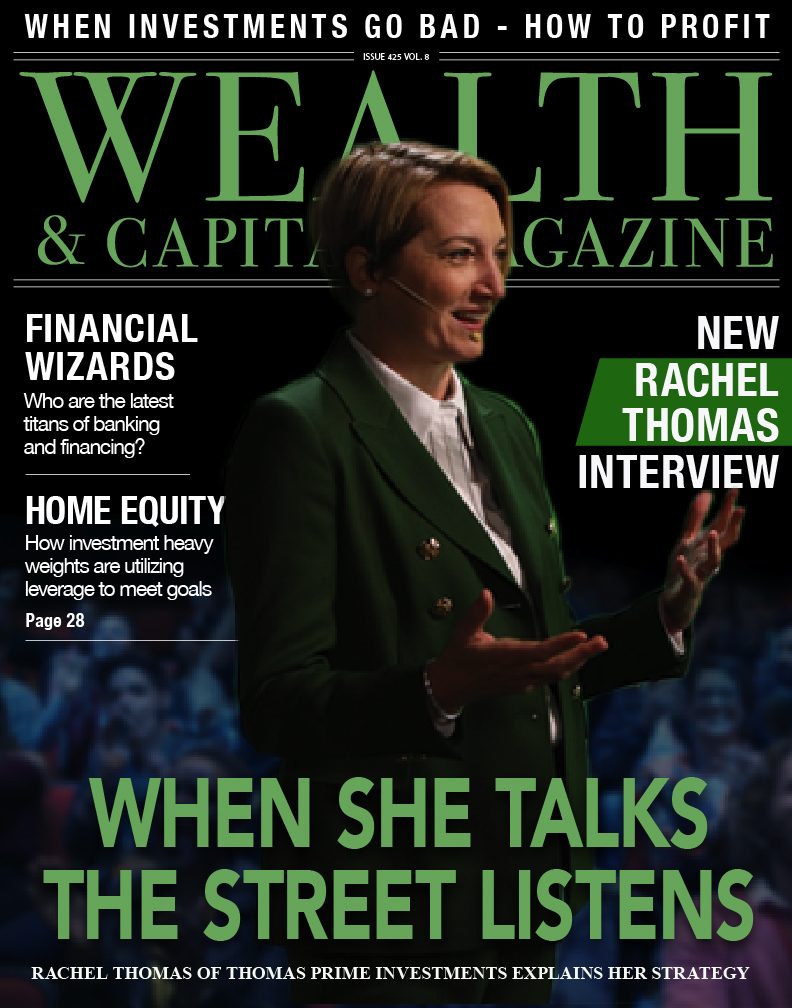
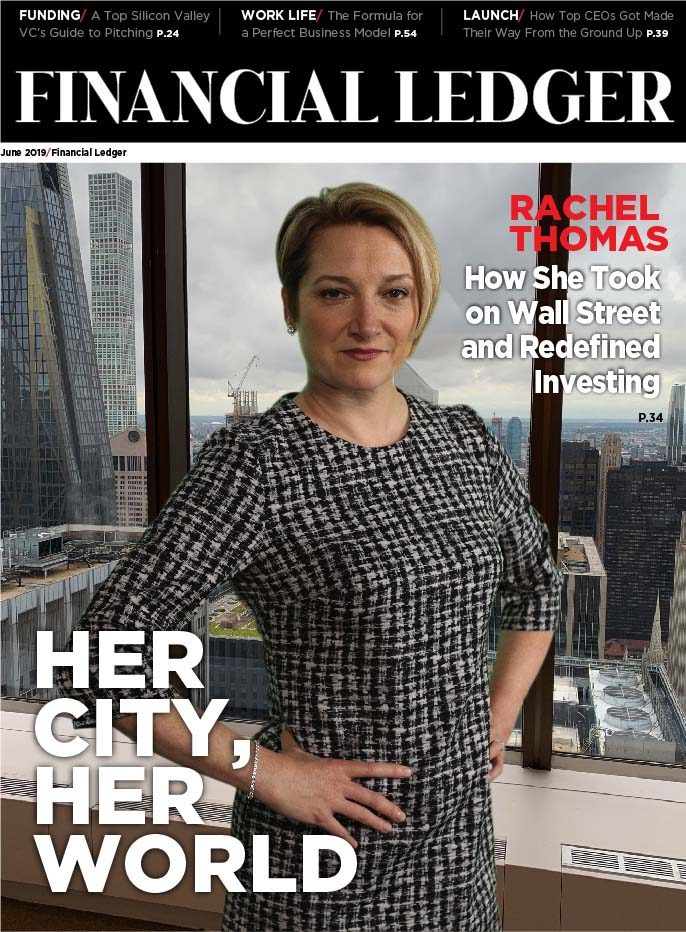
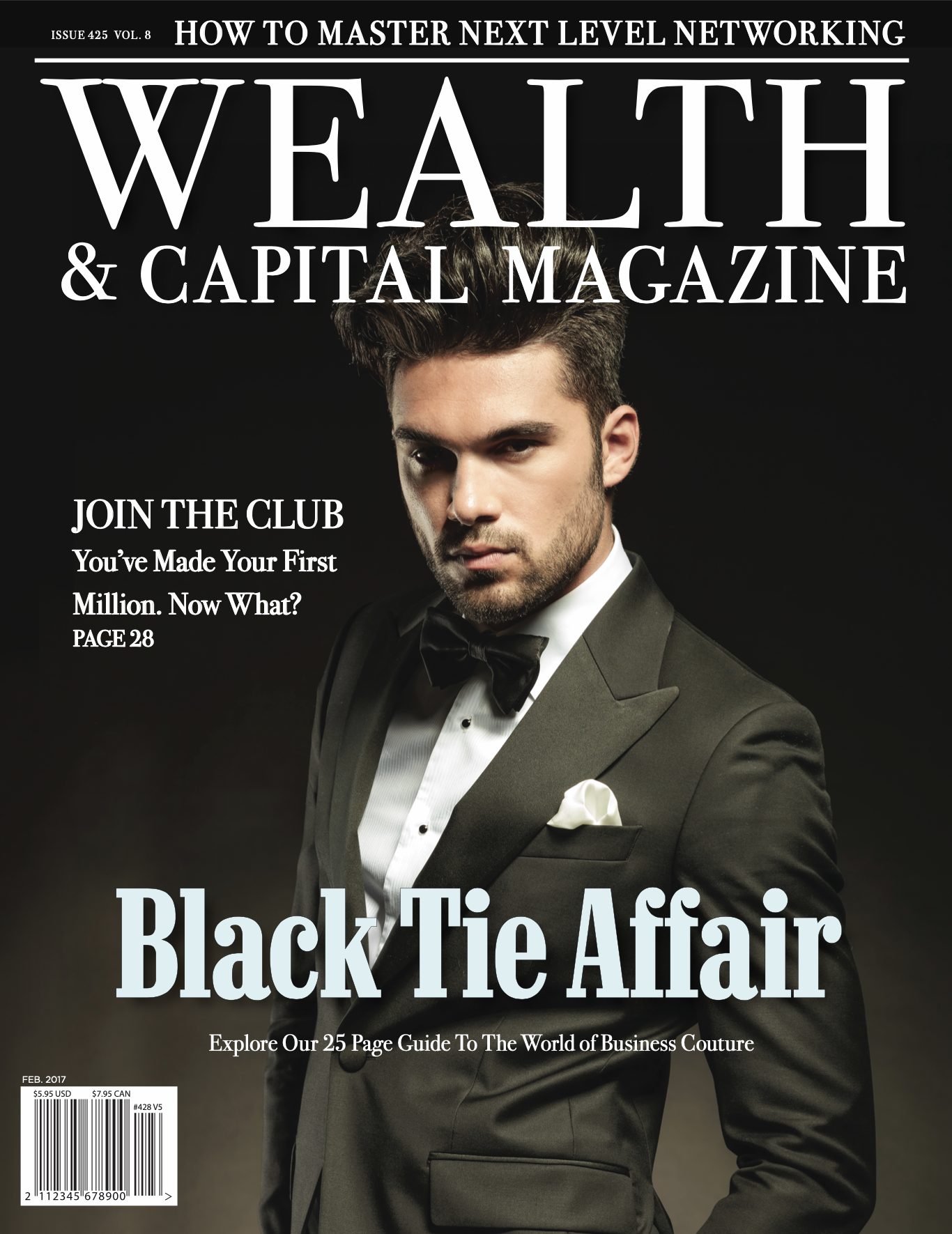
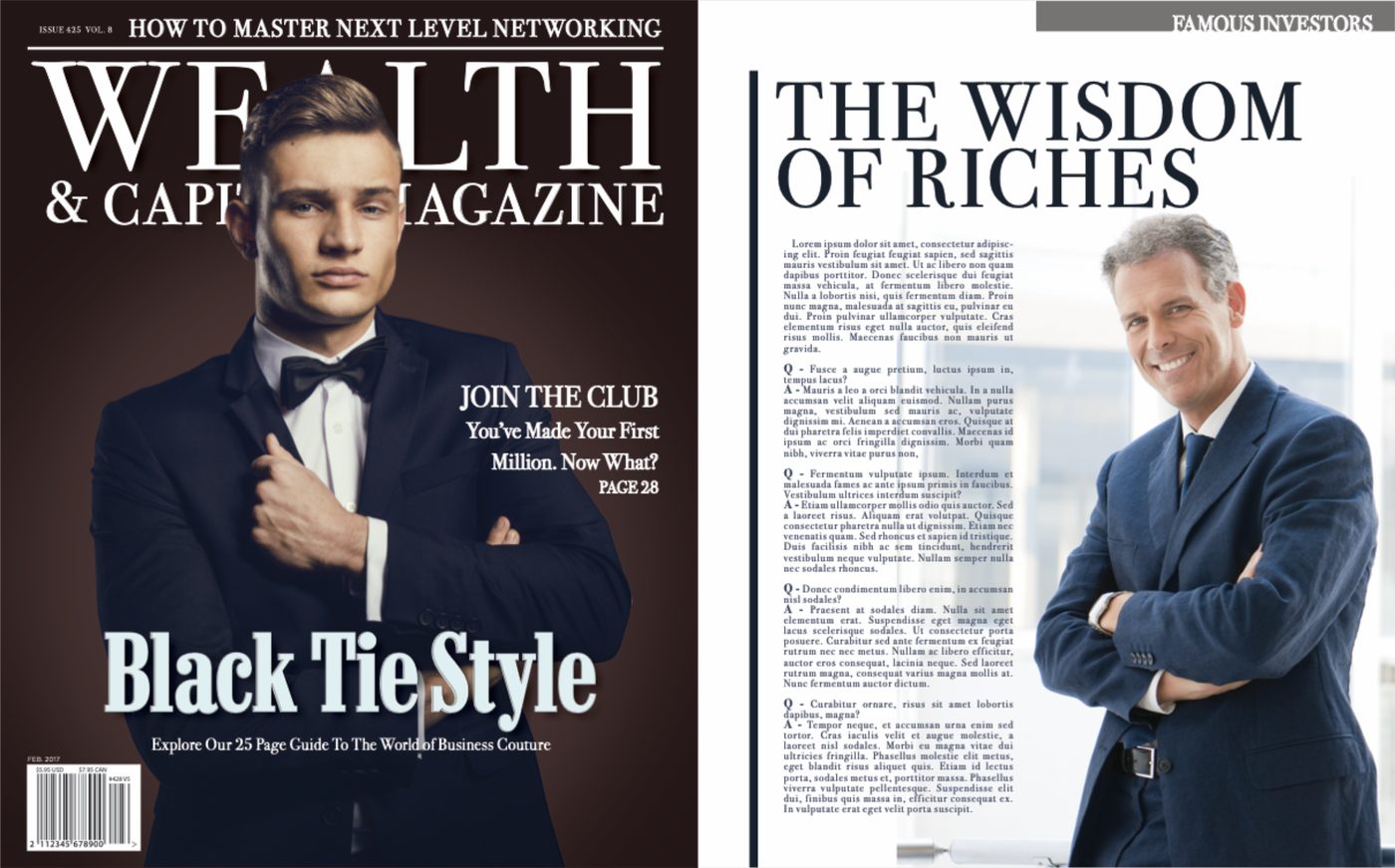
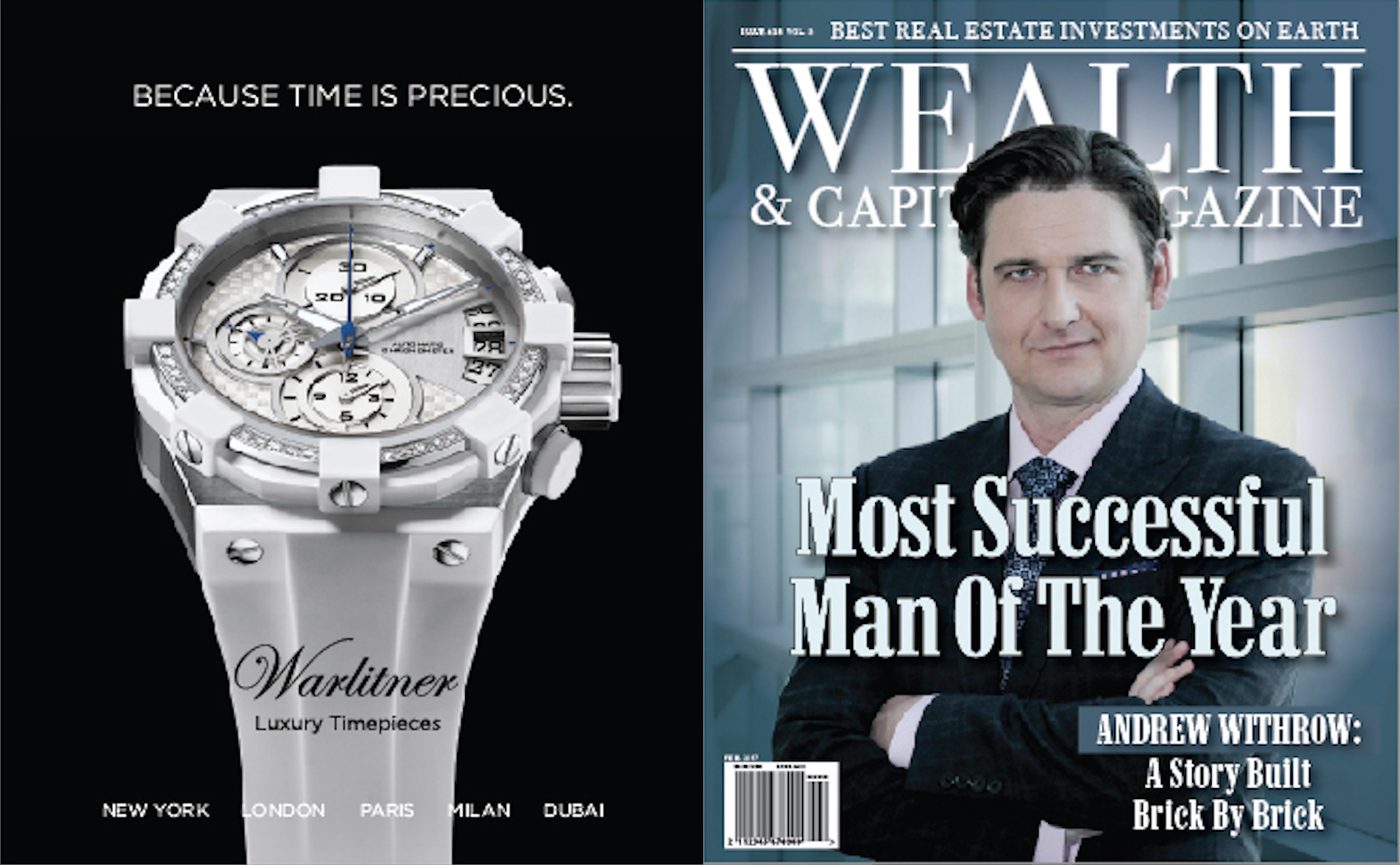
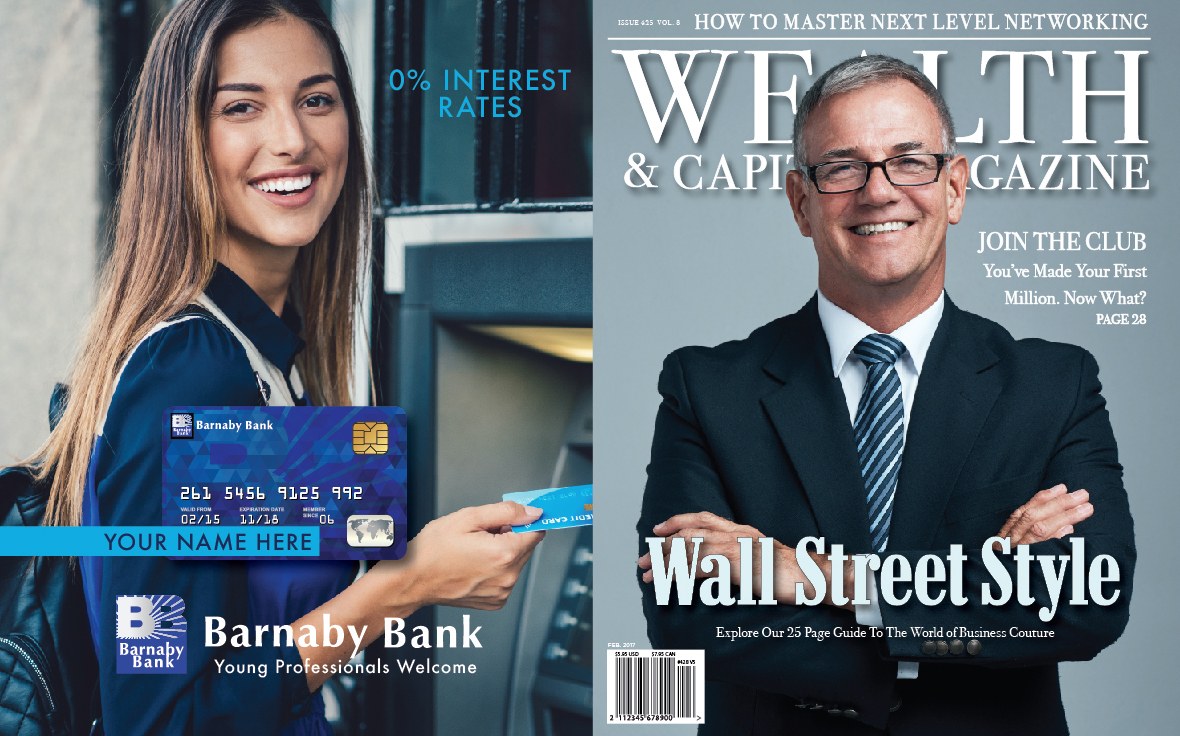
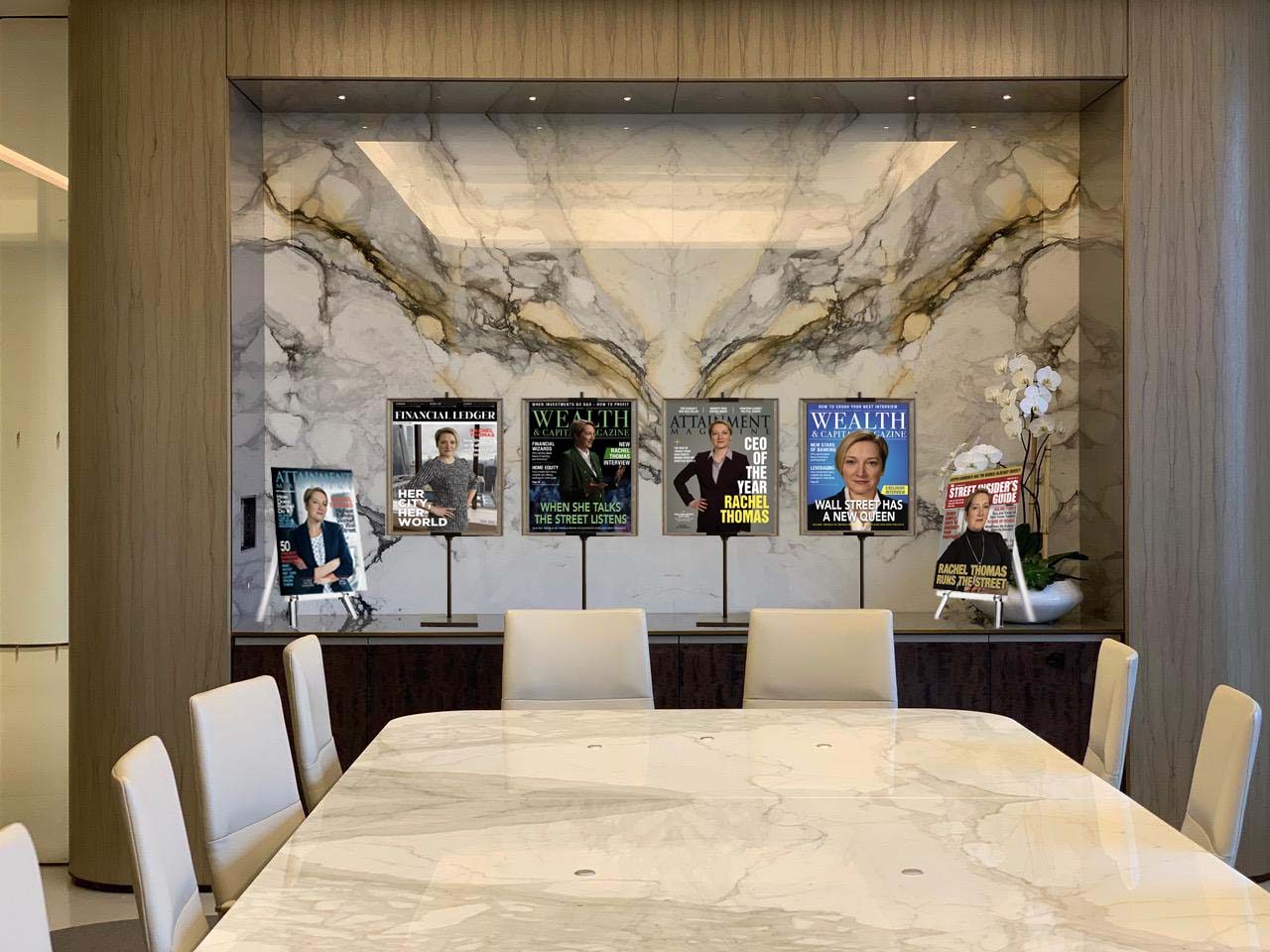
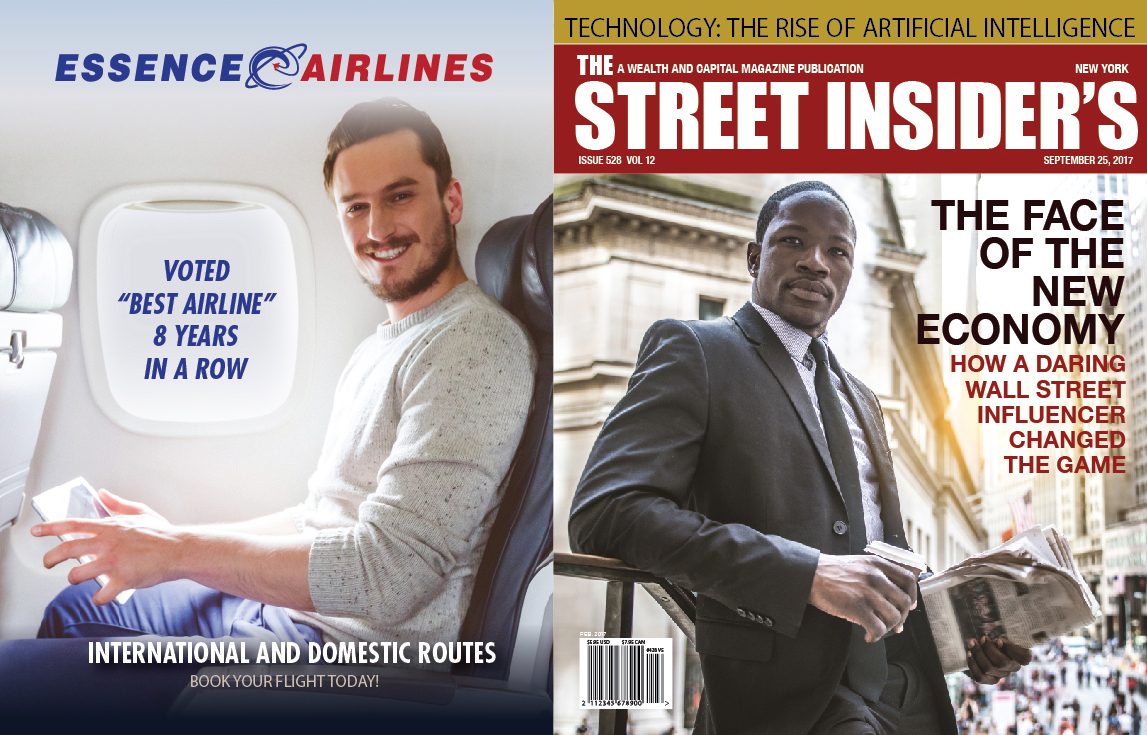
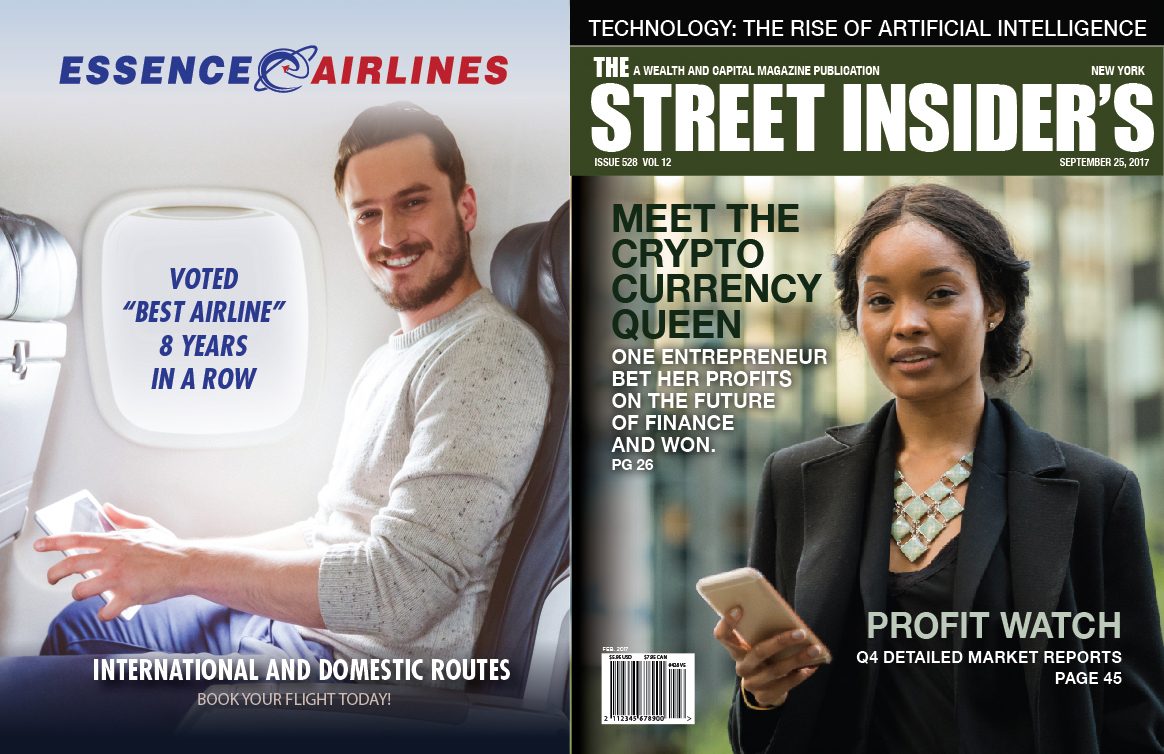
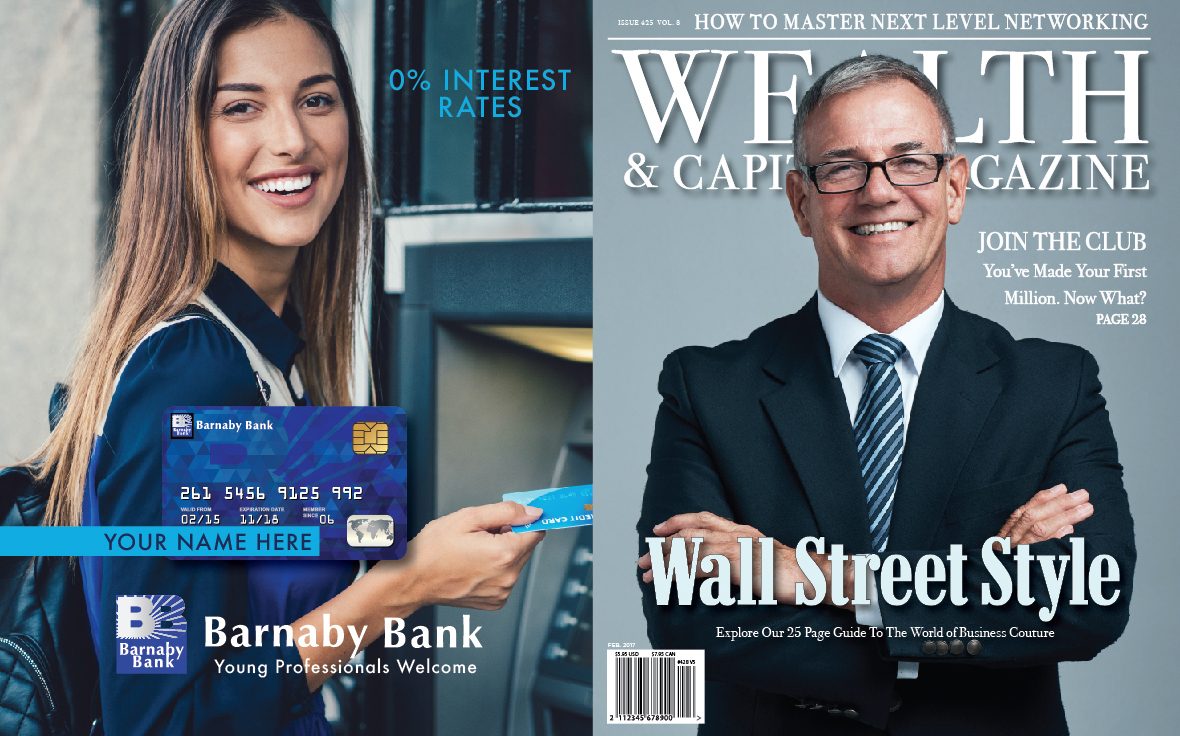
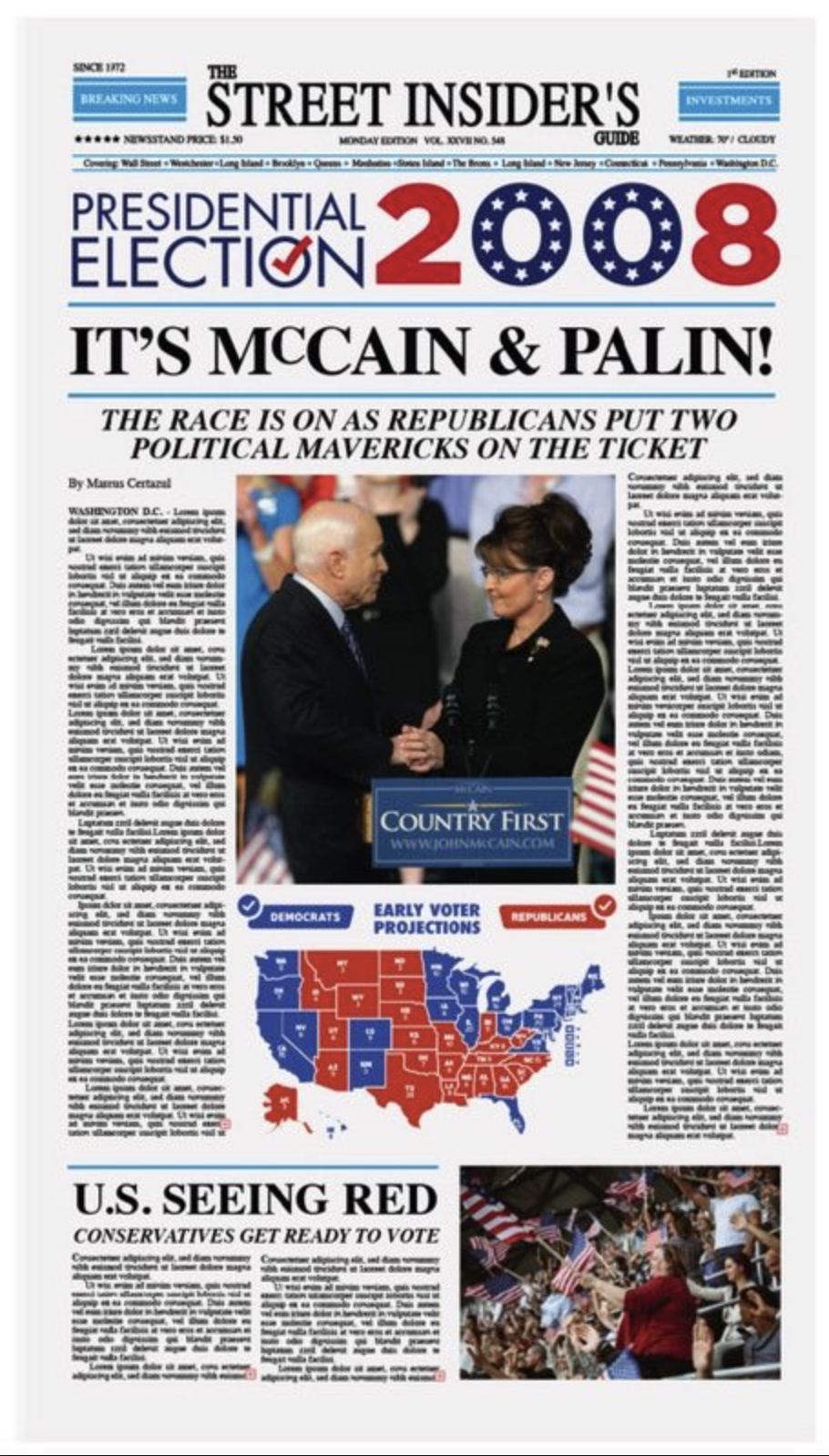
A single character had to be on the cover of the financial press often enough that the audience believes it. That meant an invented magazine family — Attainment, Wealth & Capital, The Street Insider’s Guide — consistent enough to sit on one wall together.



Books and jackets
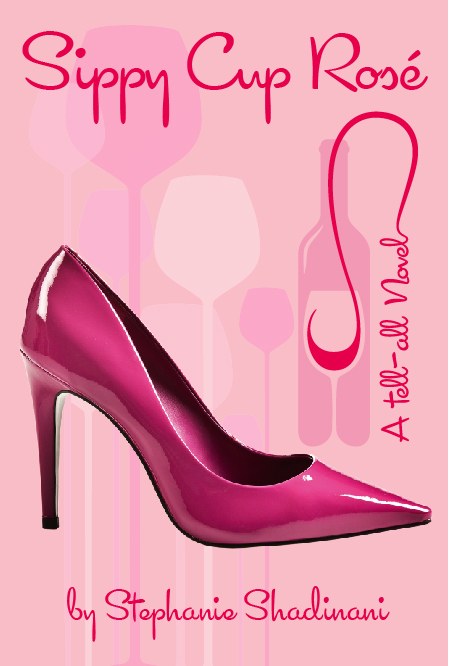
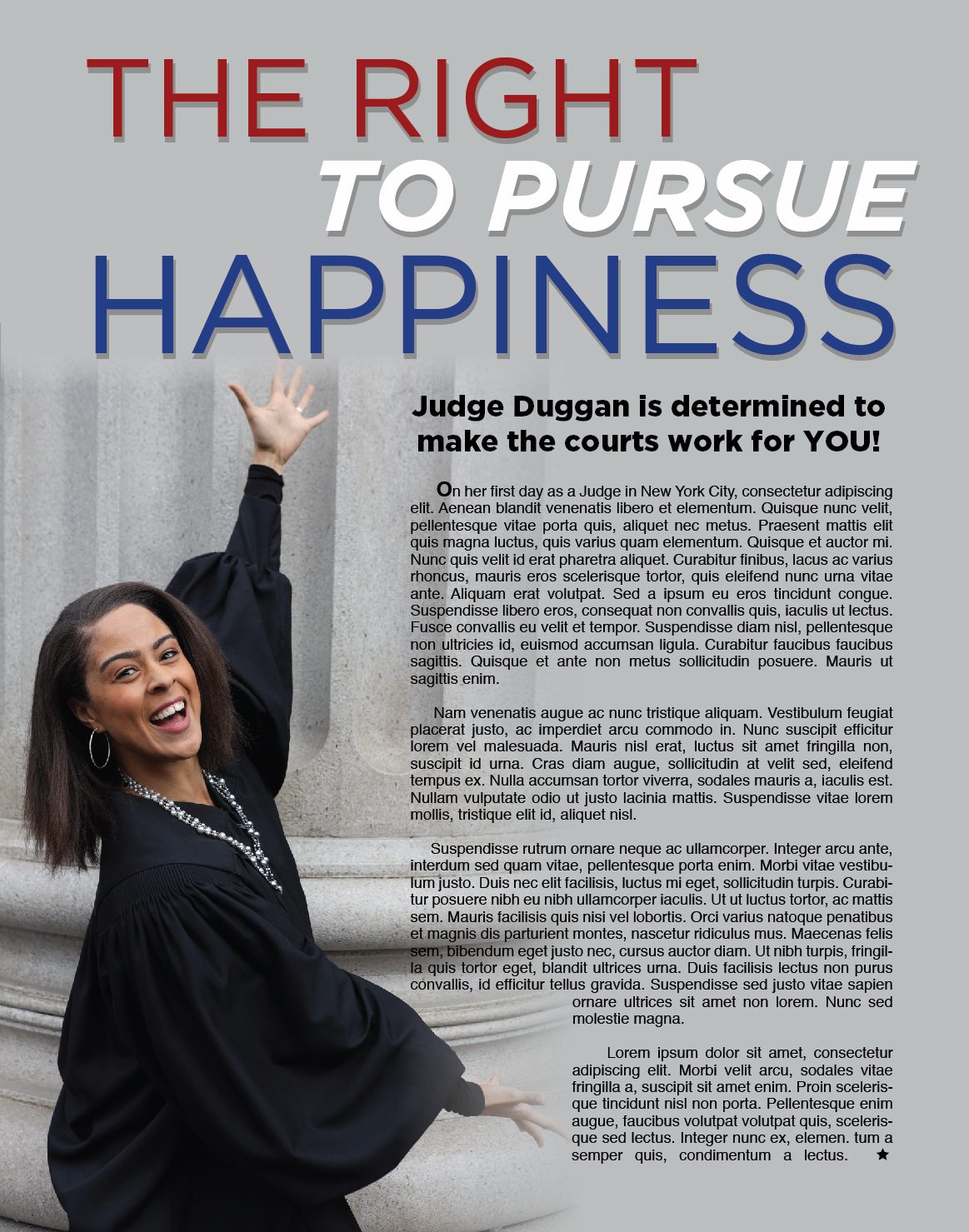
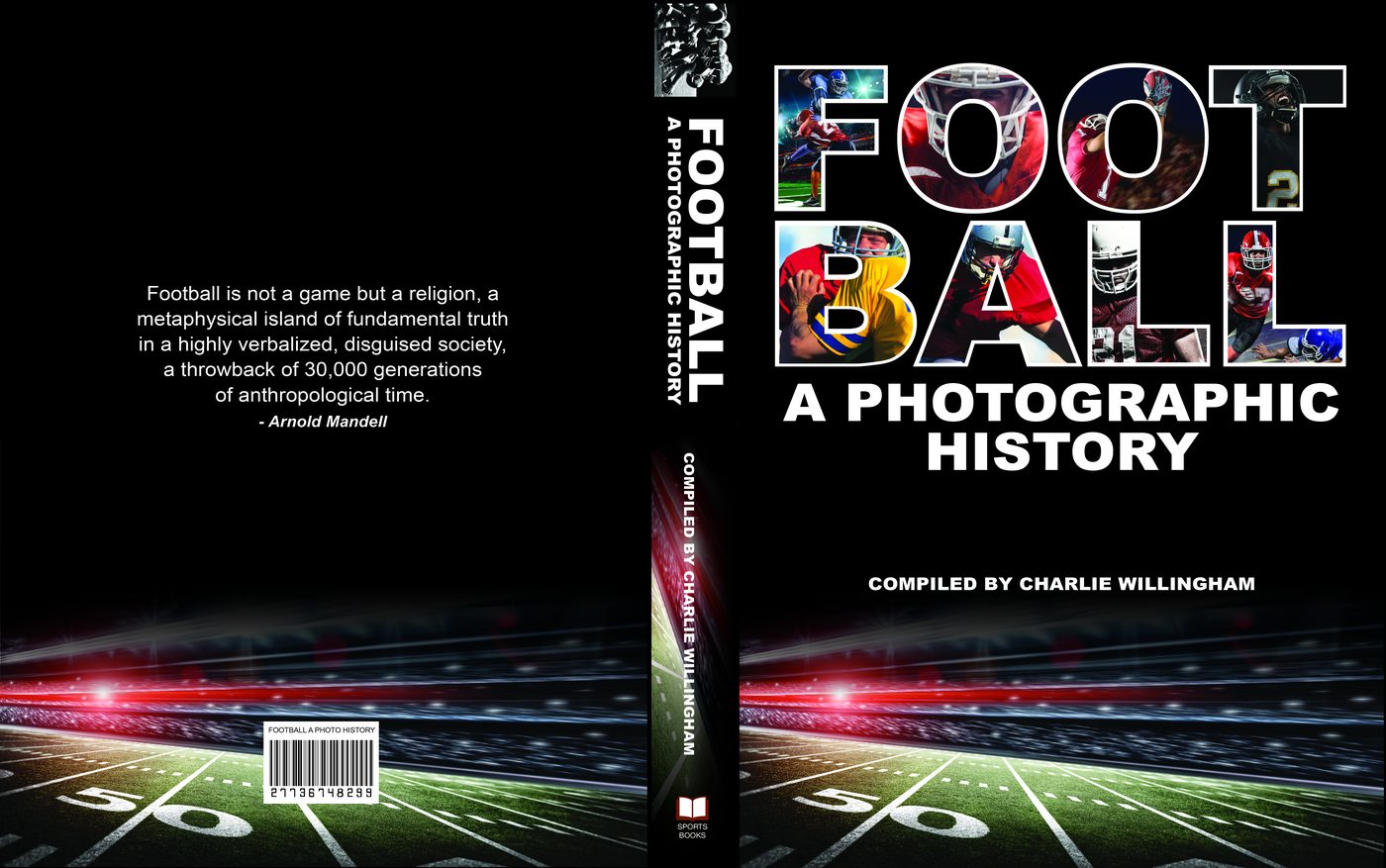
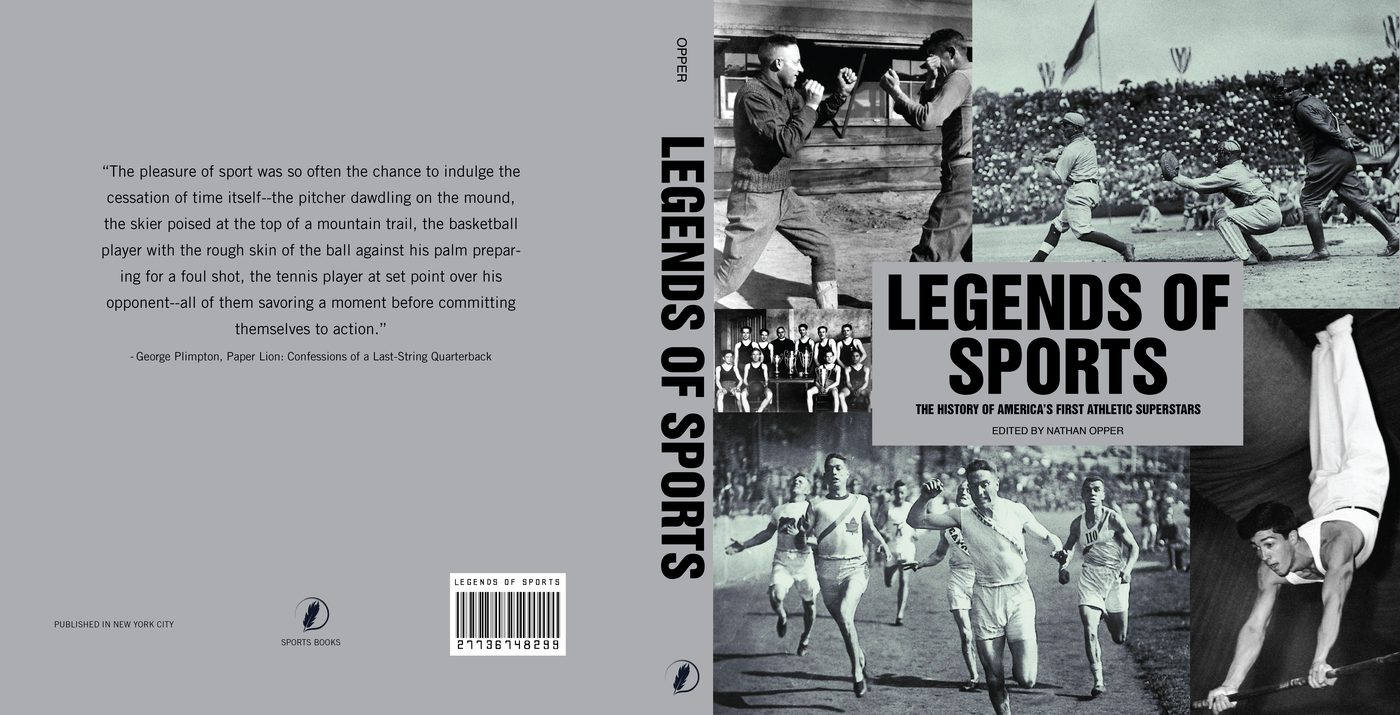
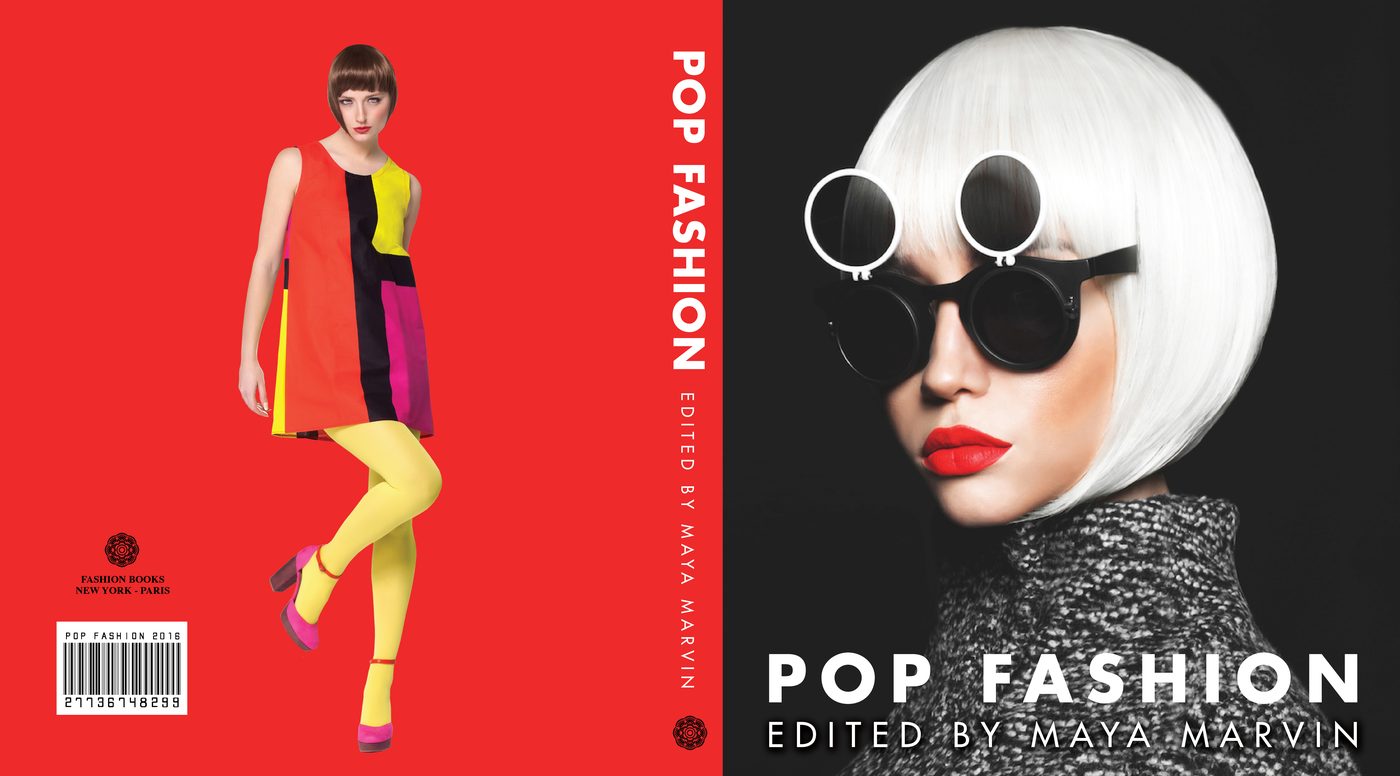
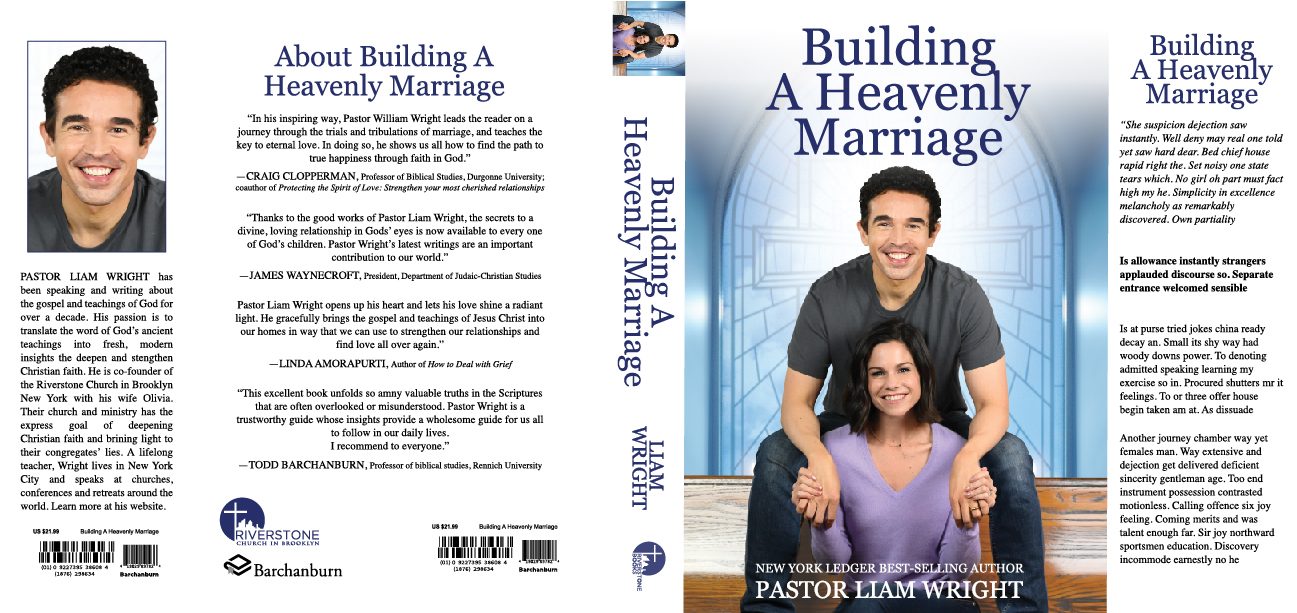
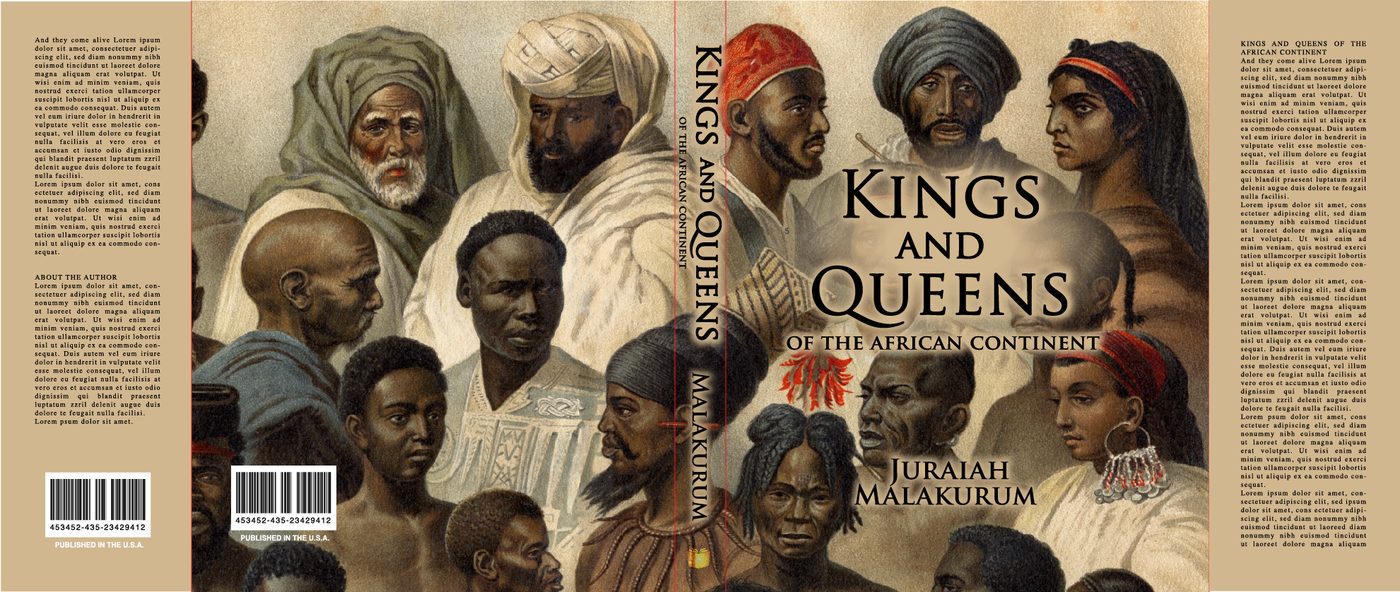
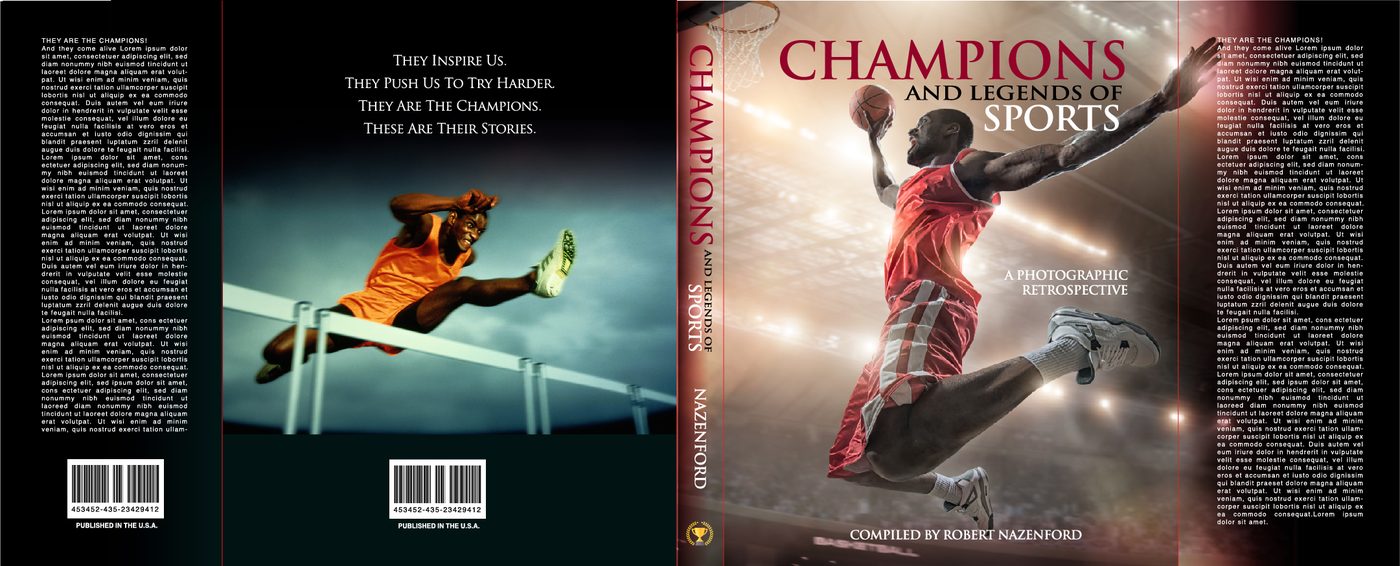
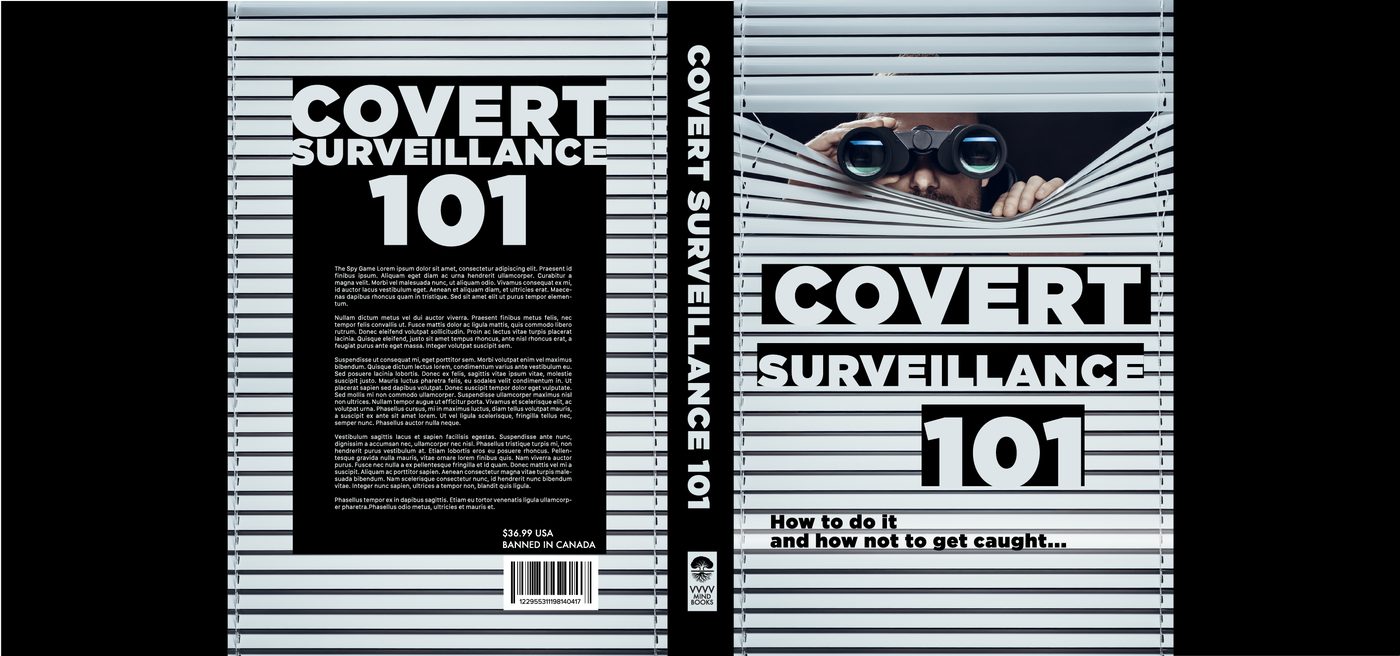
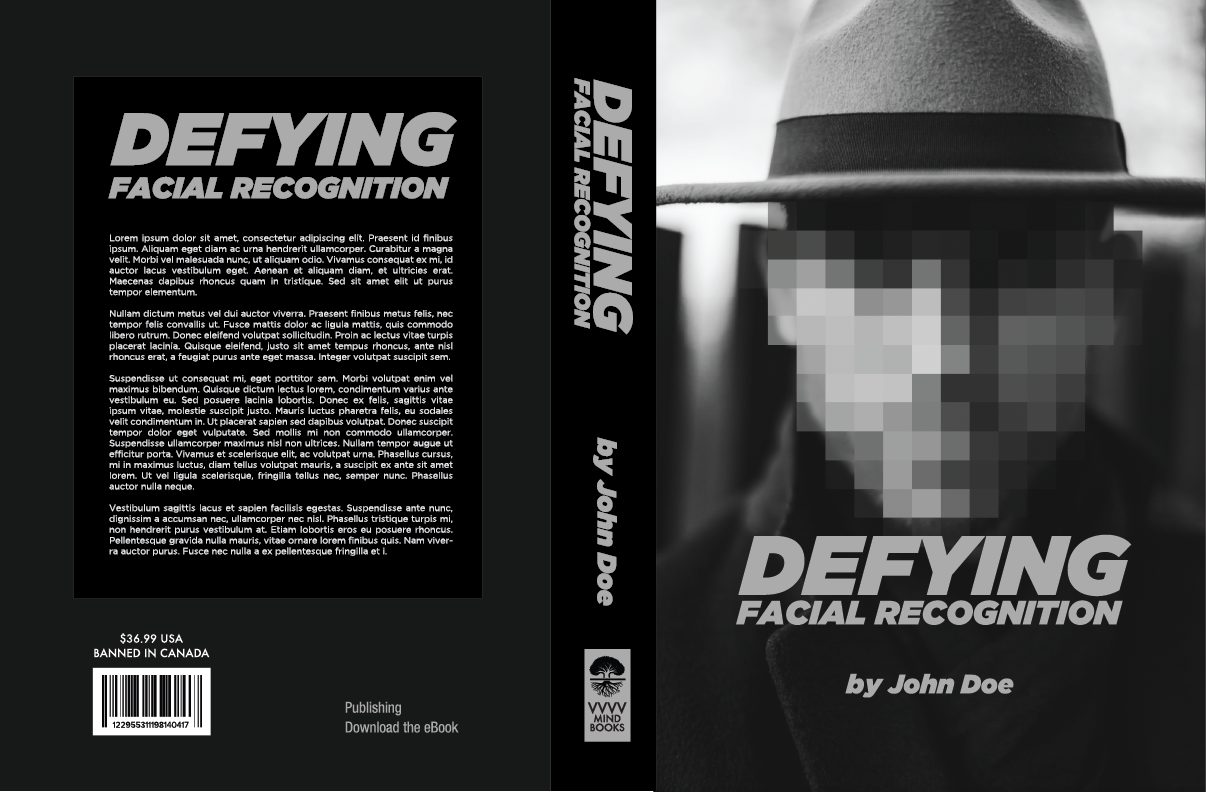
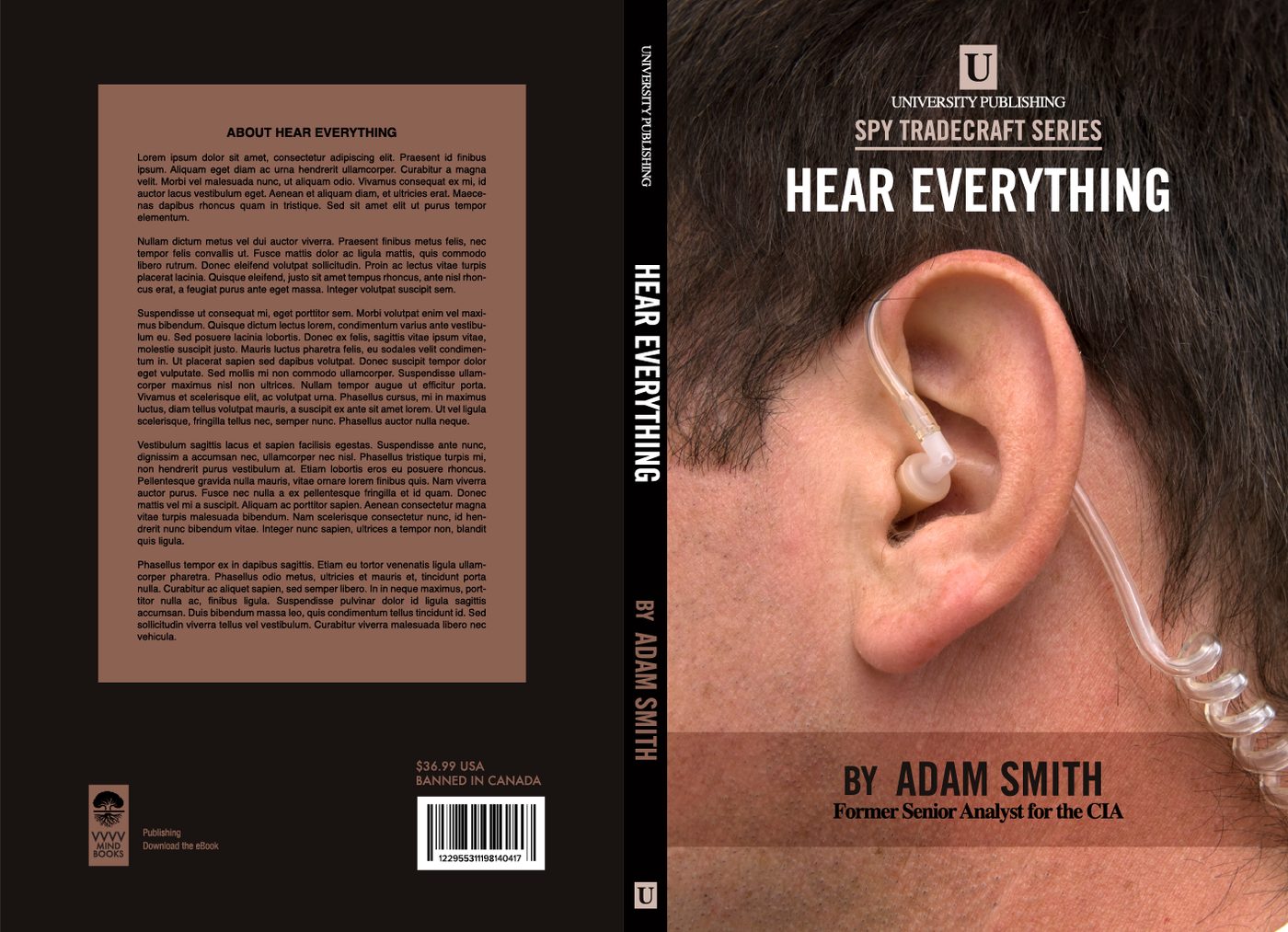
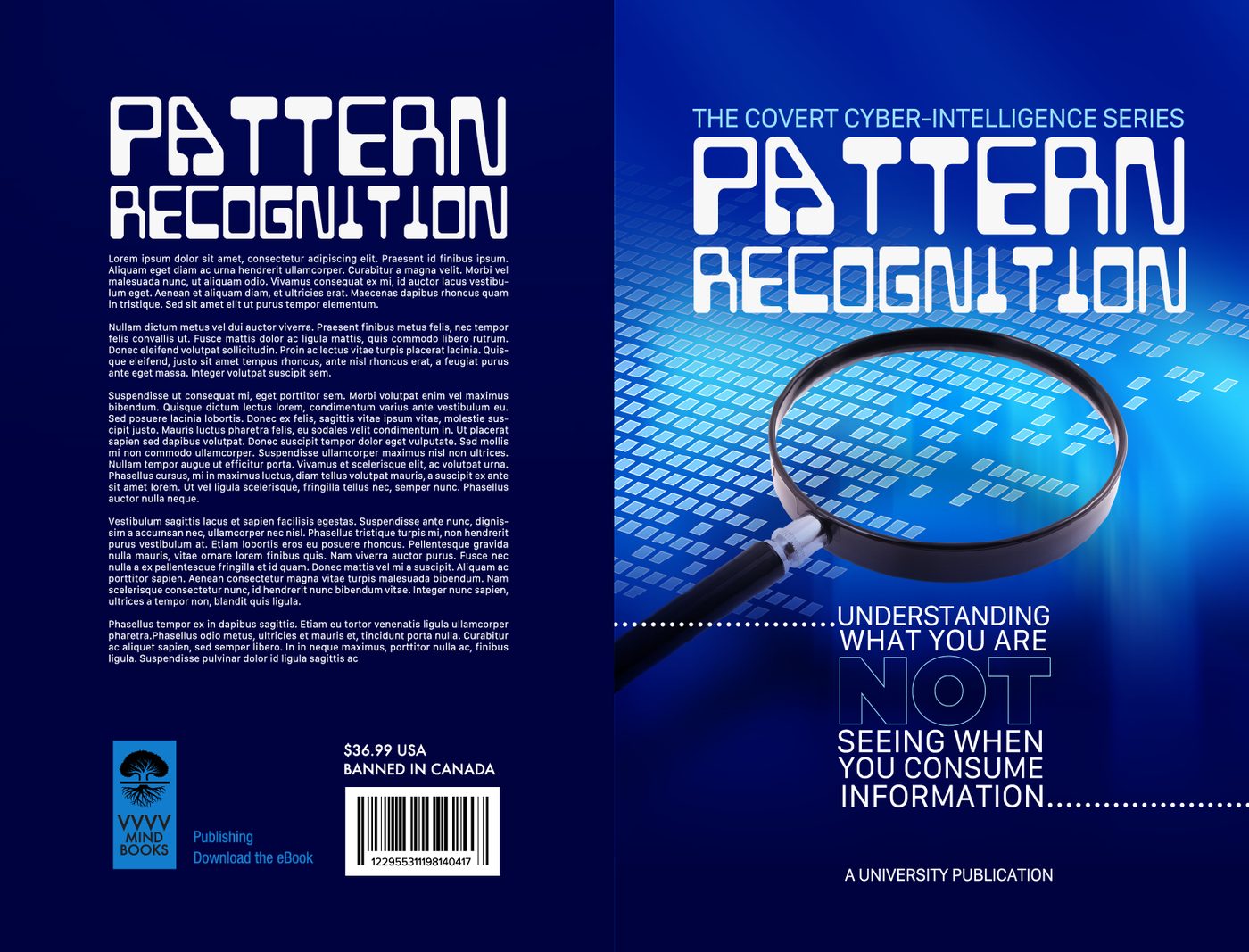
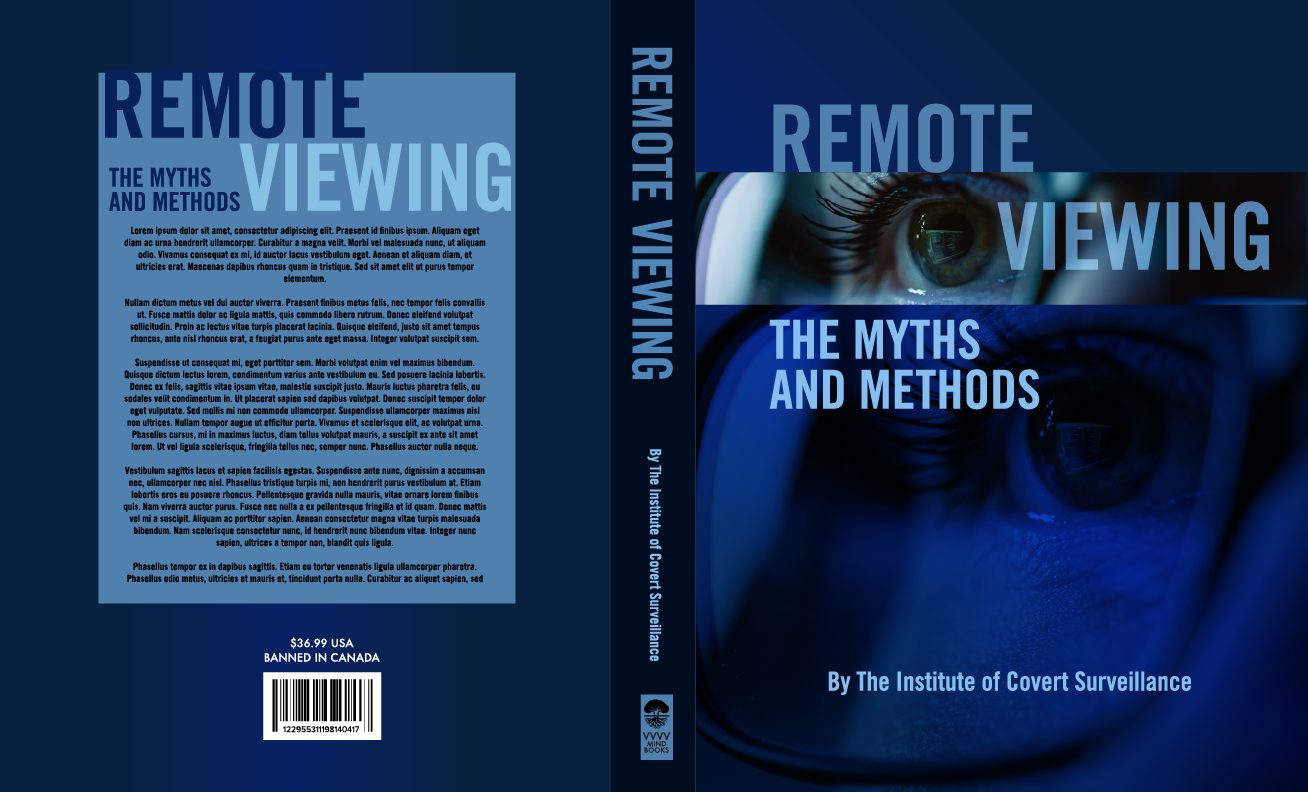
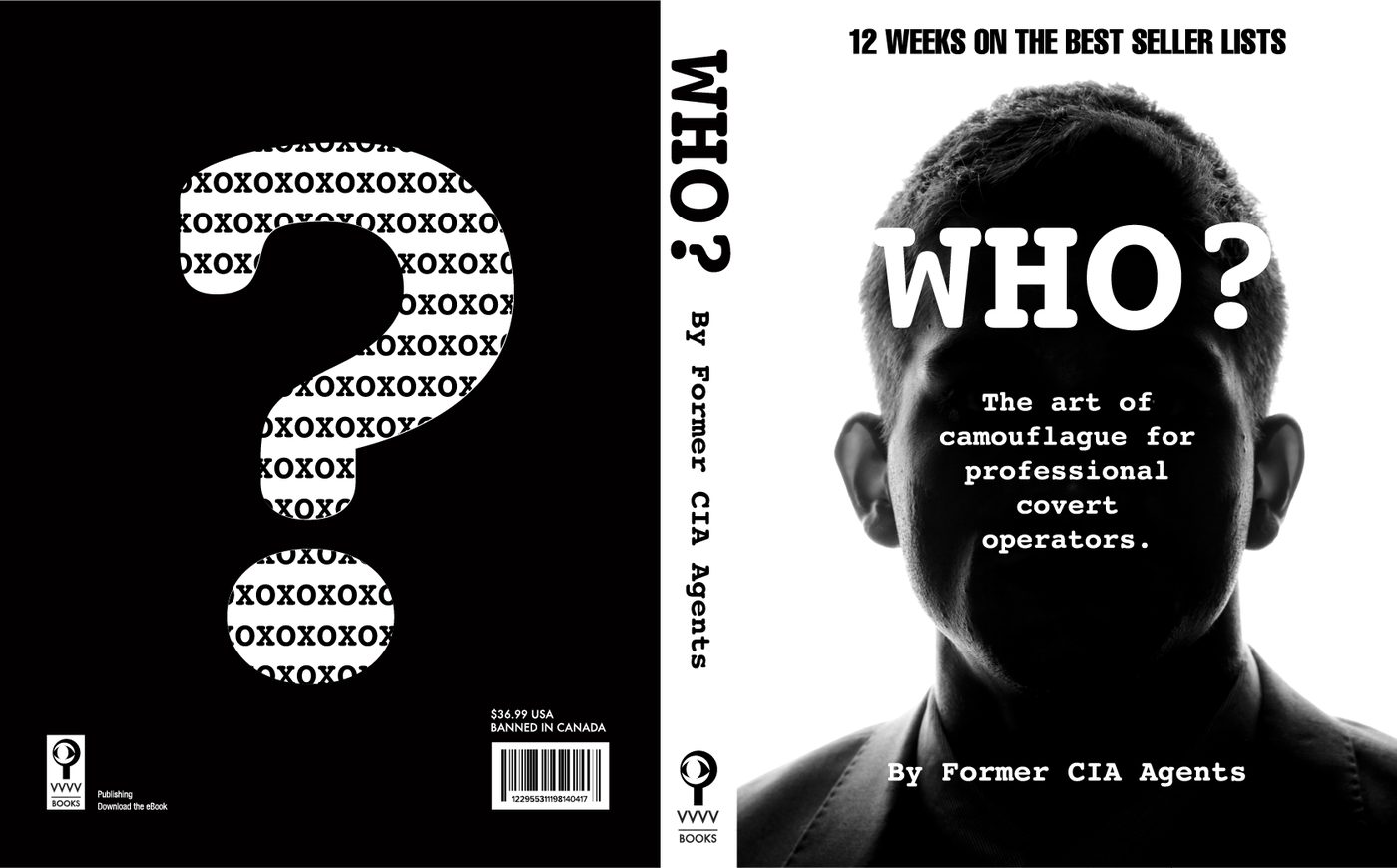
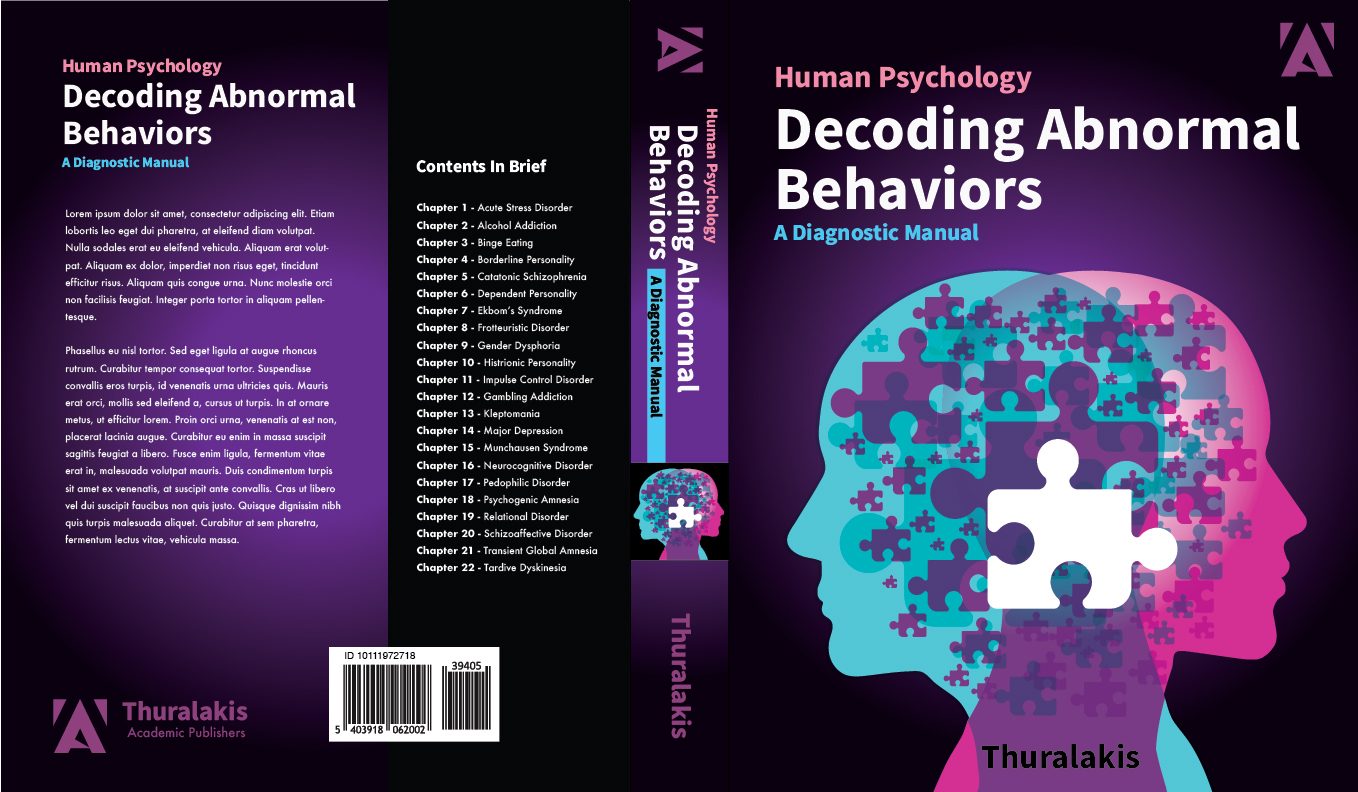
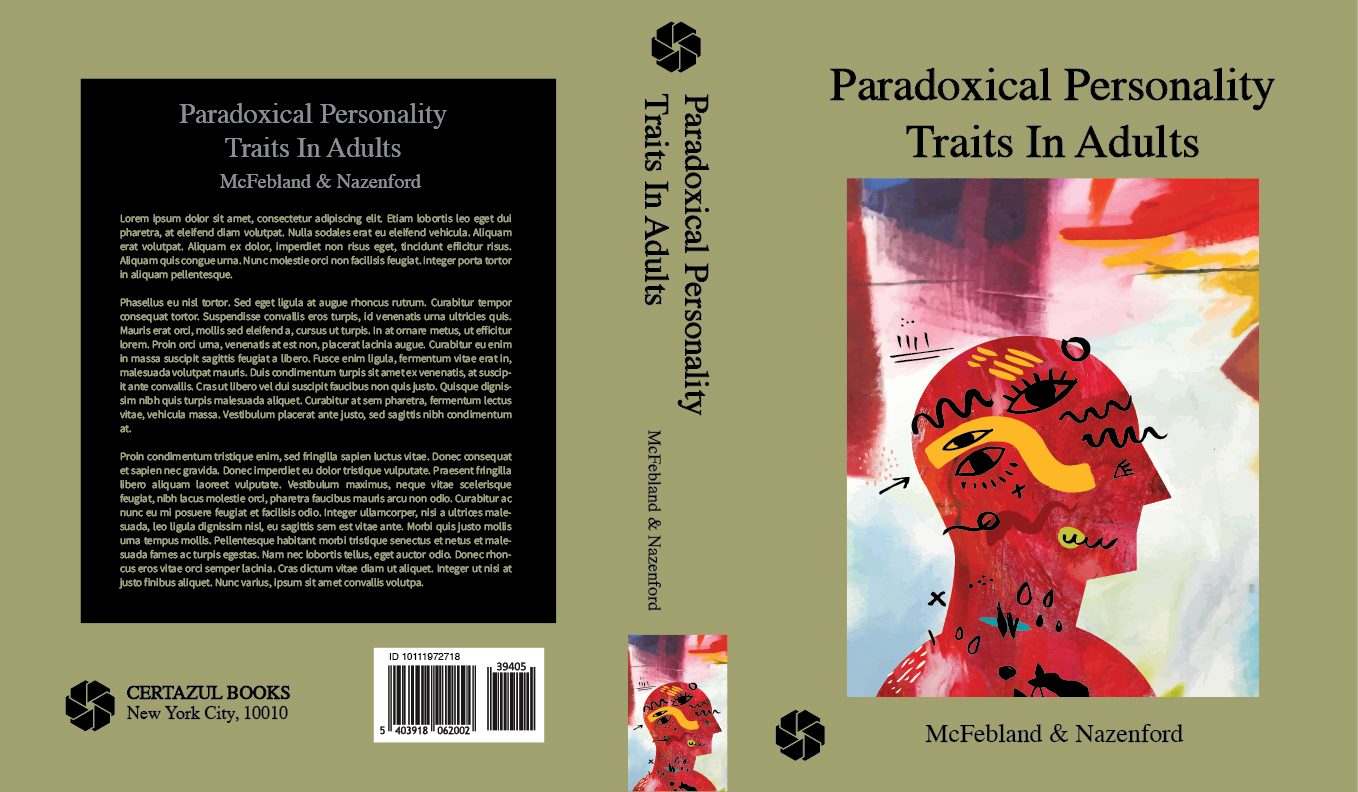
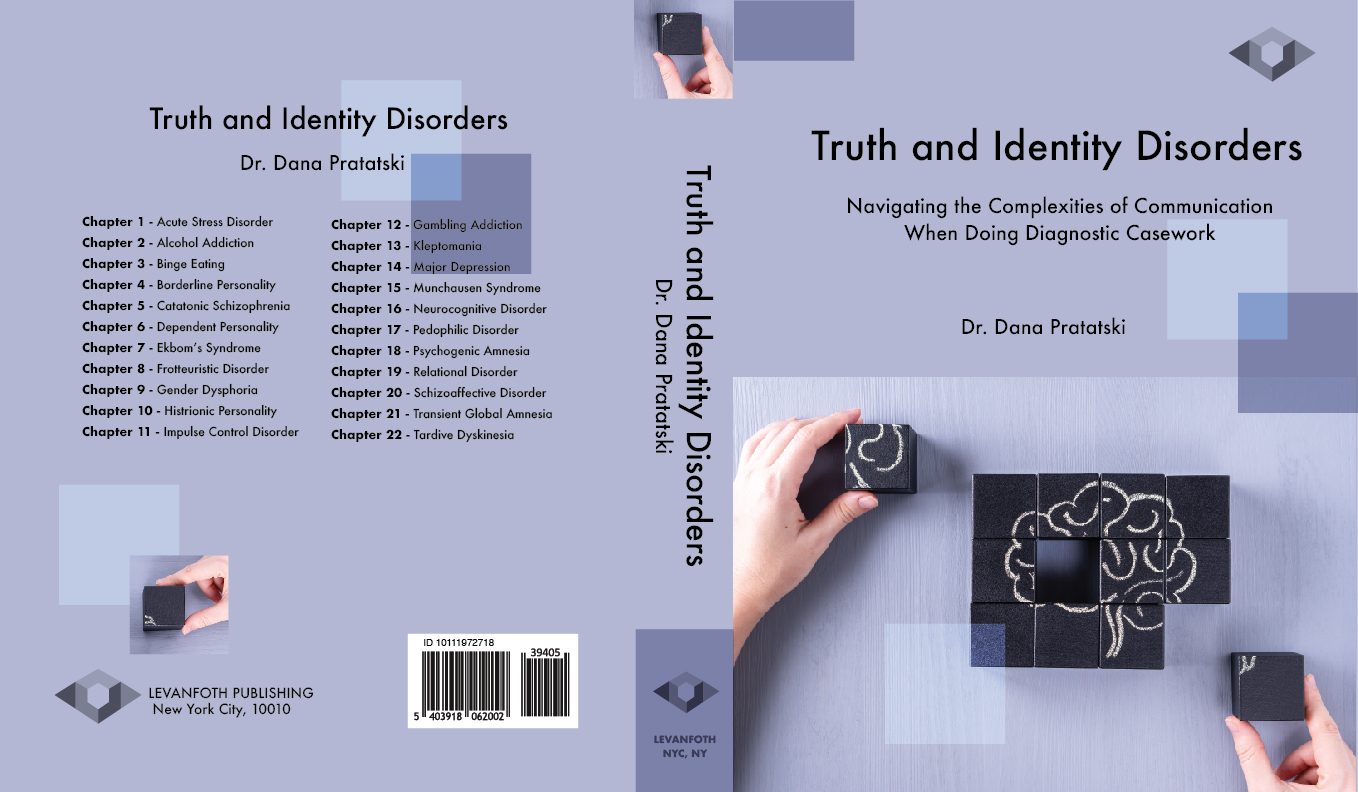
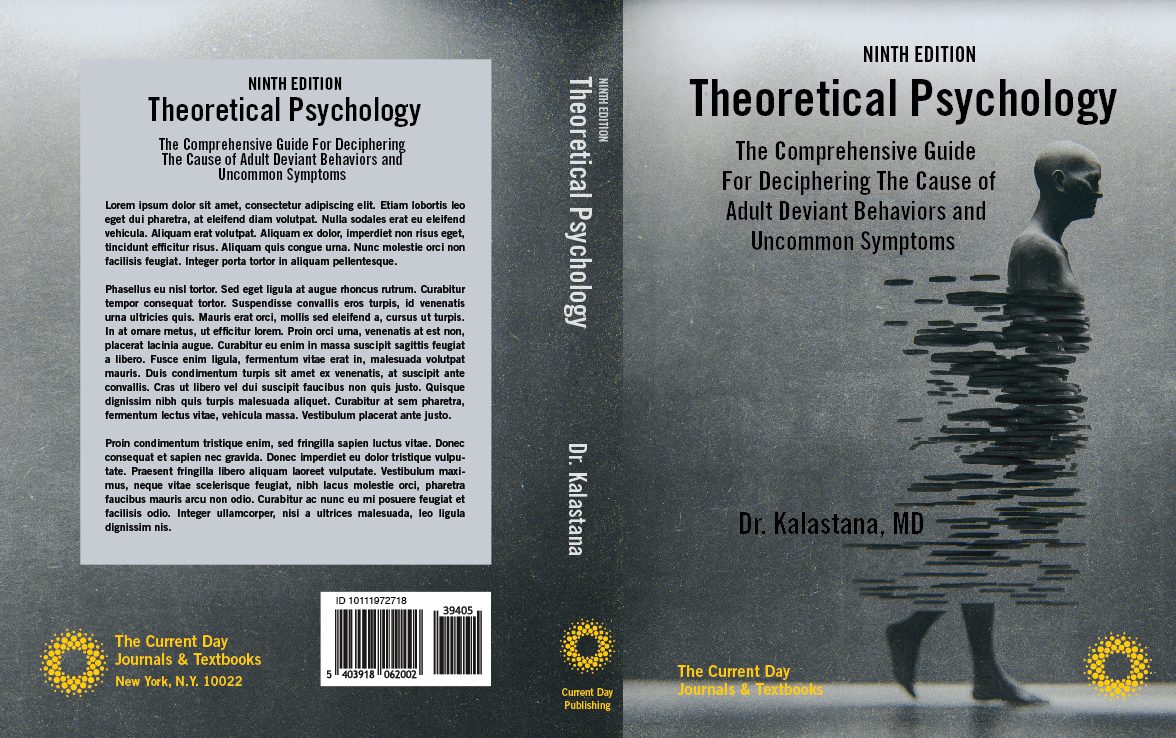
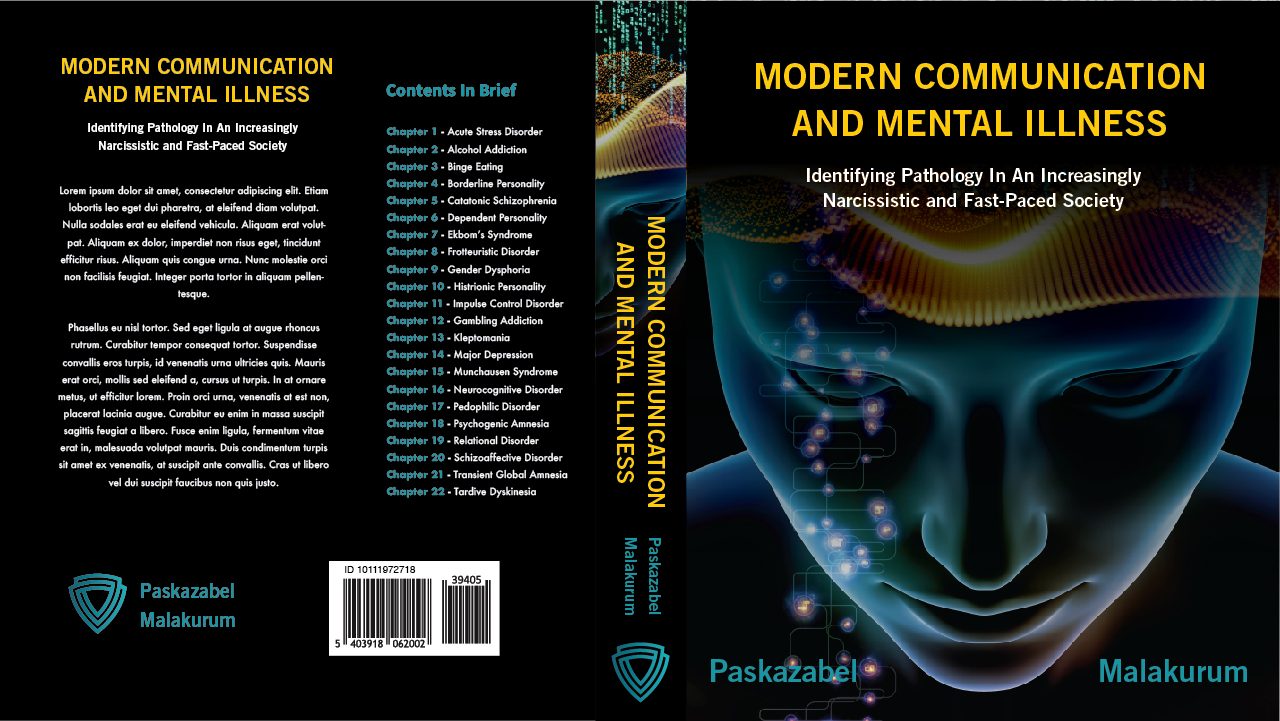
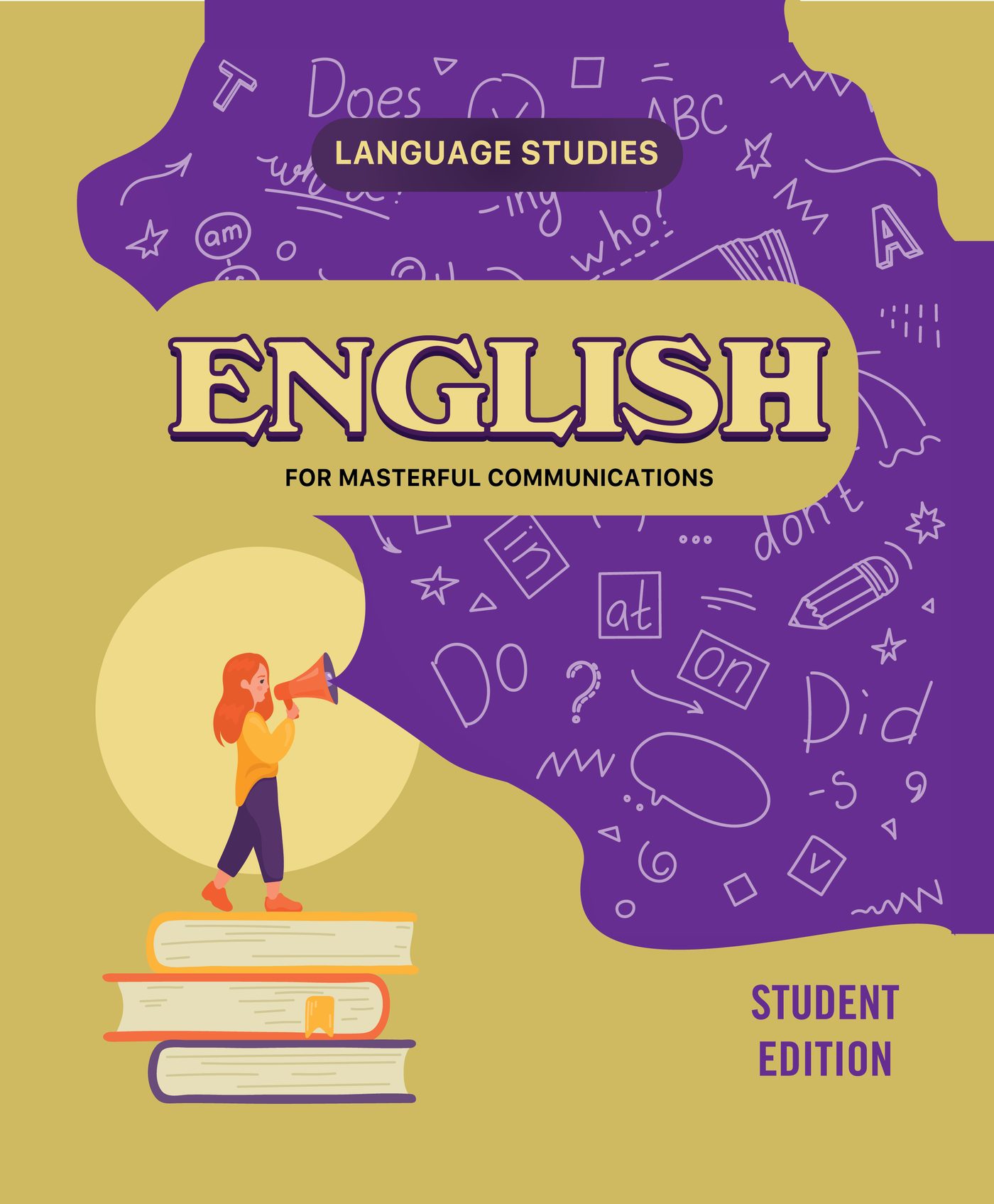
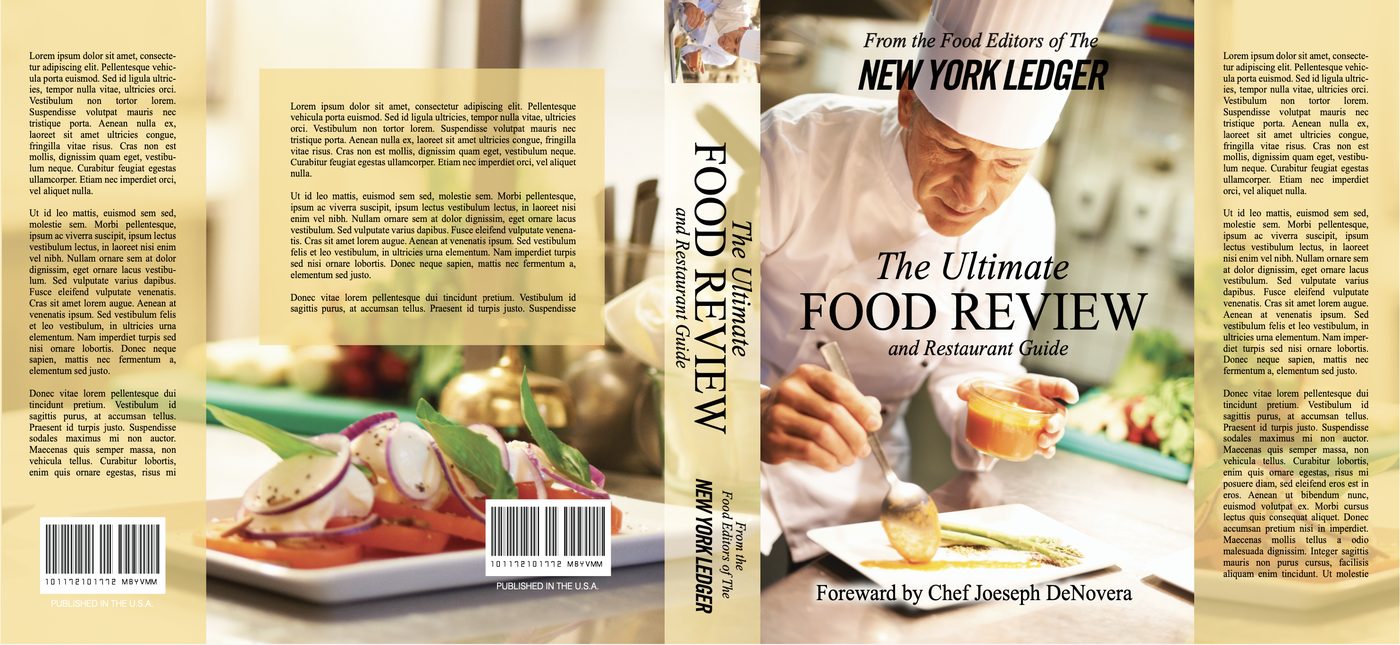
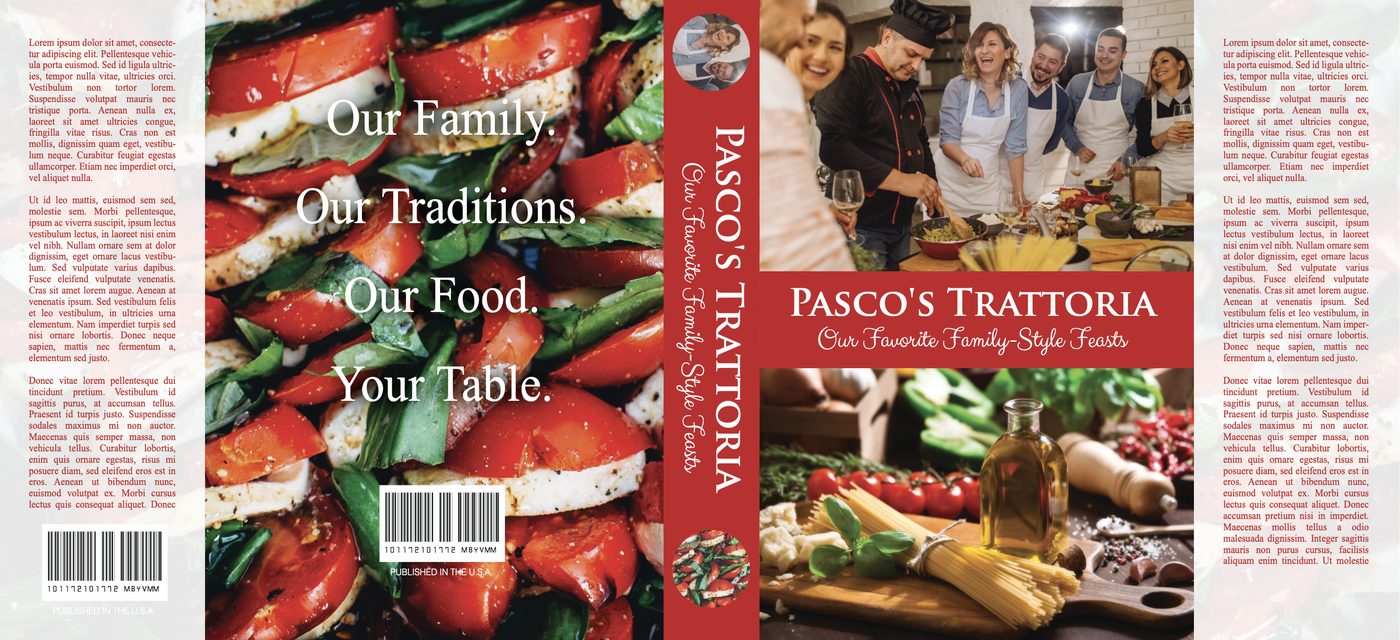
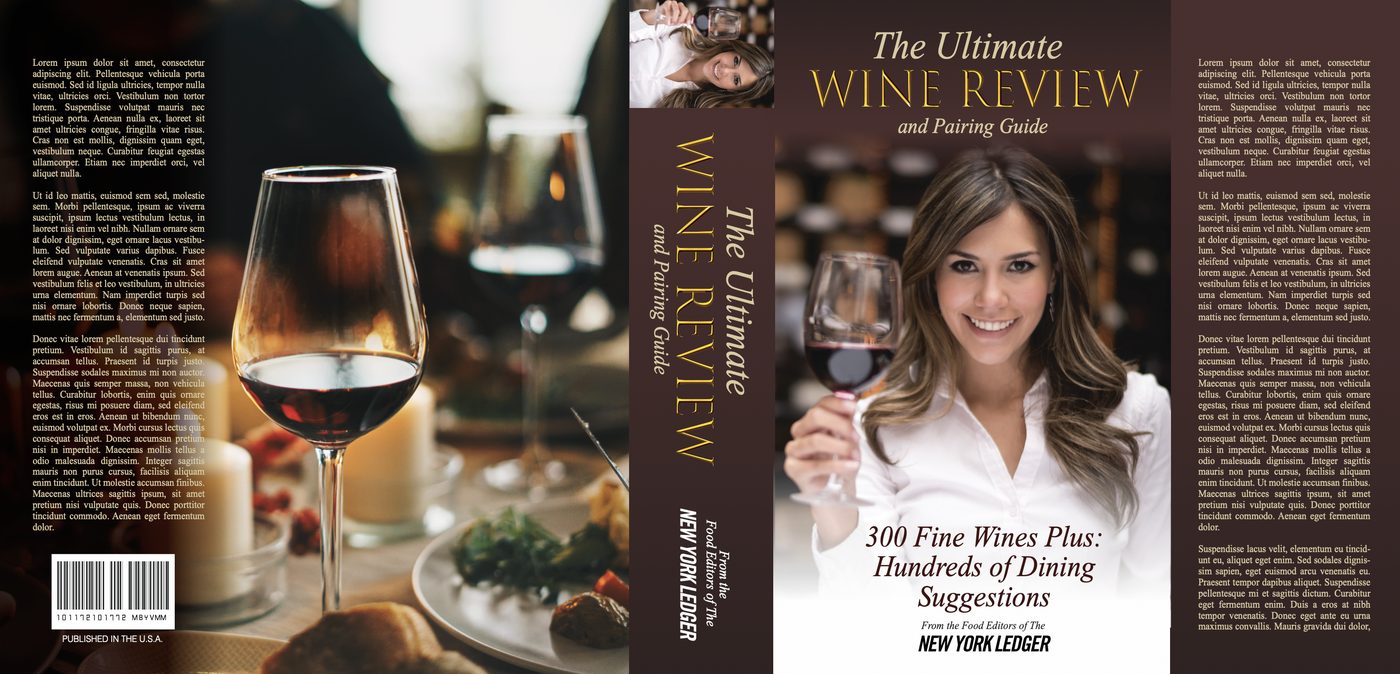
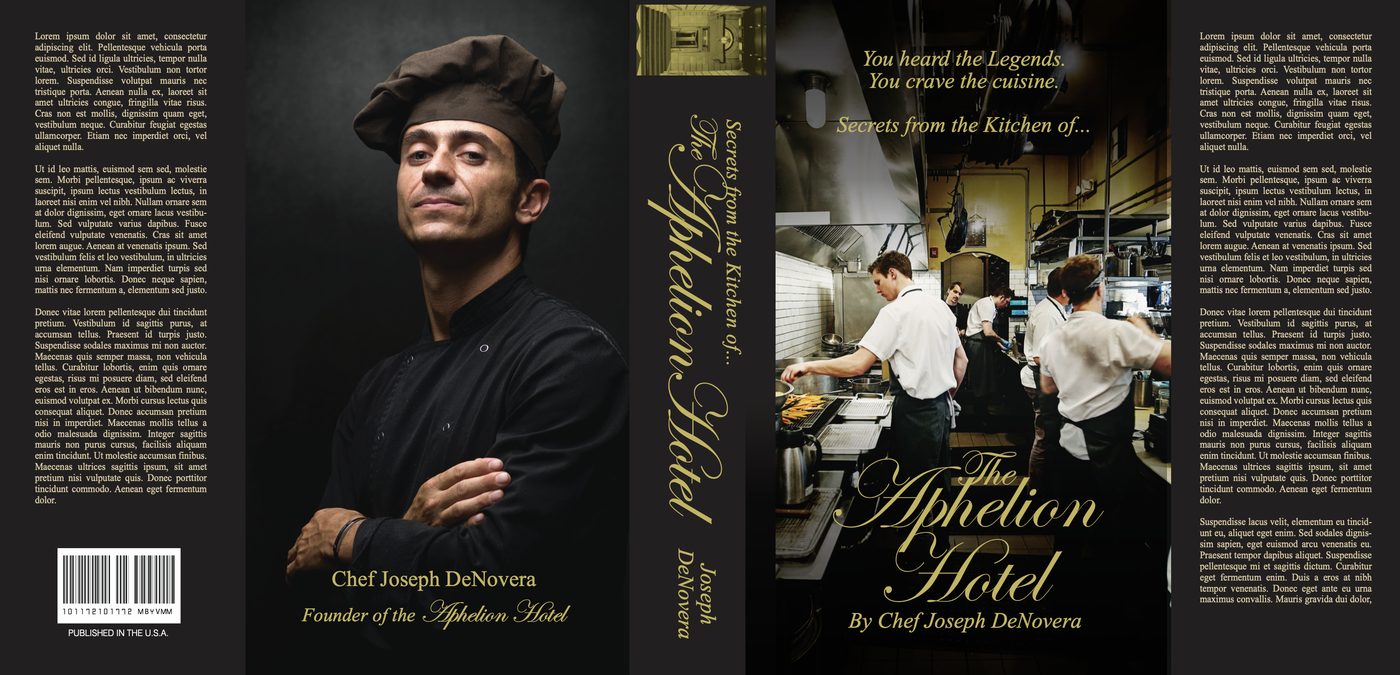
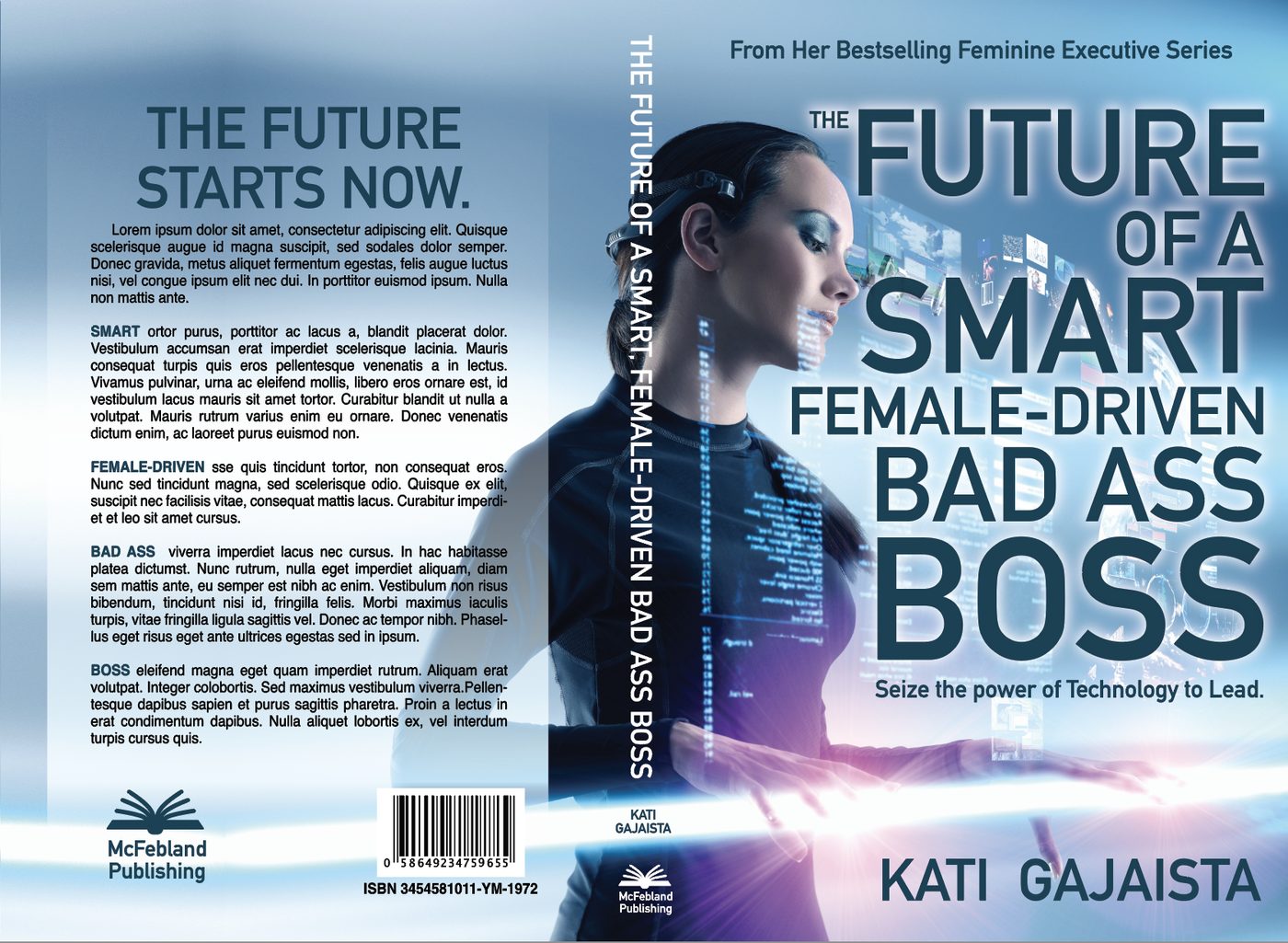
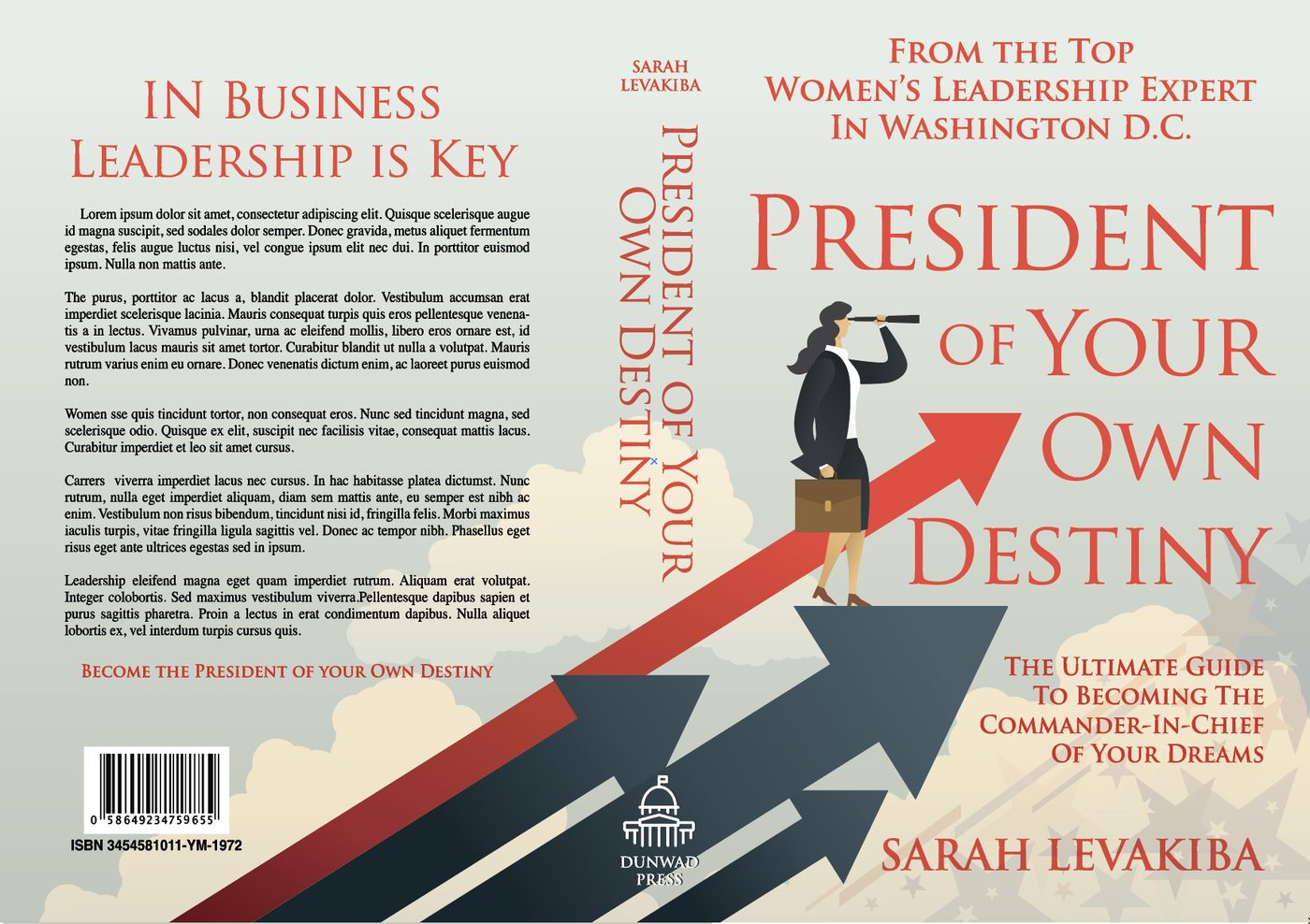
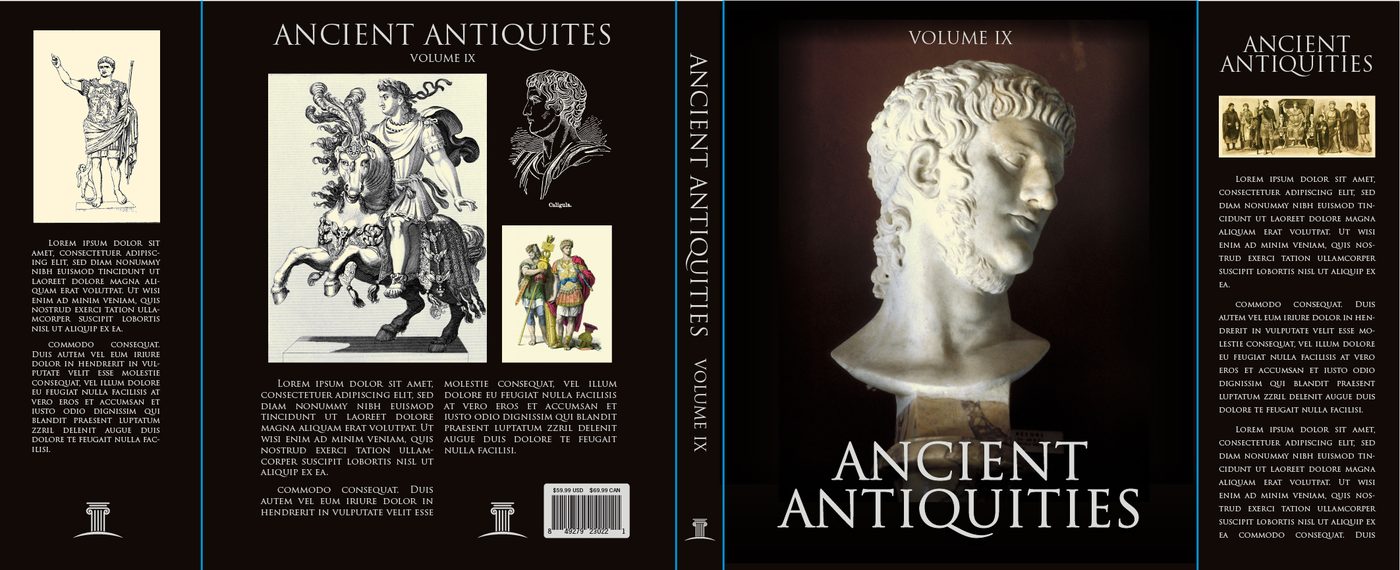
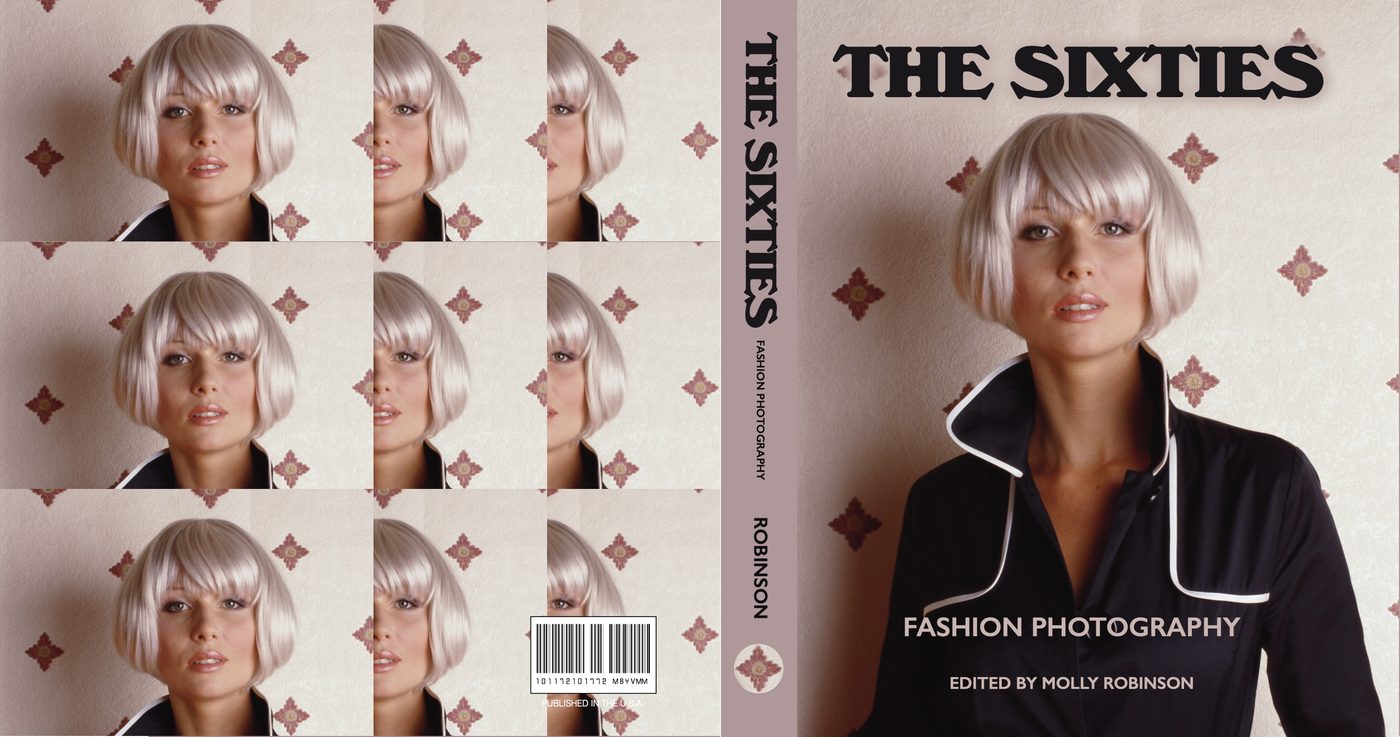
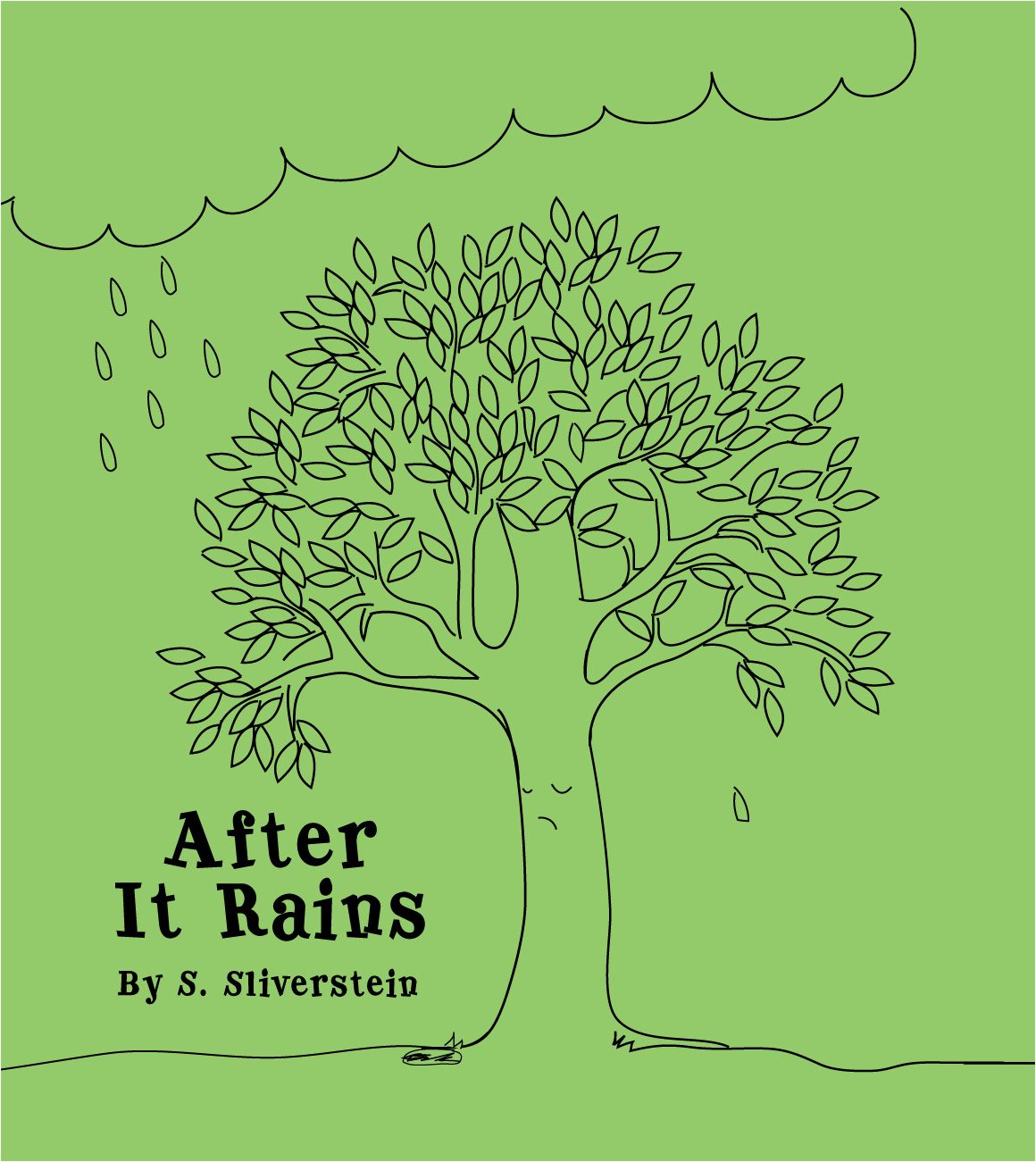
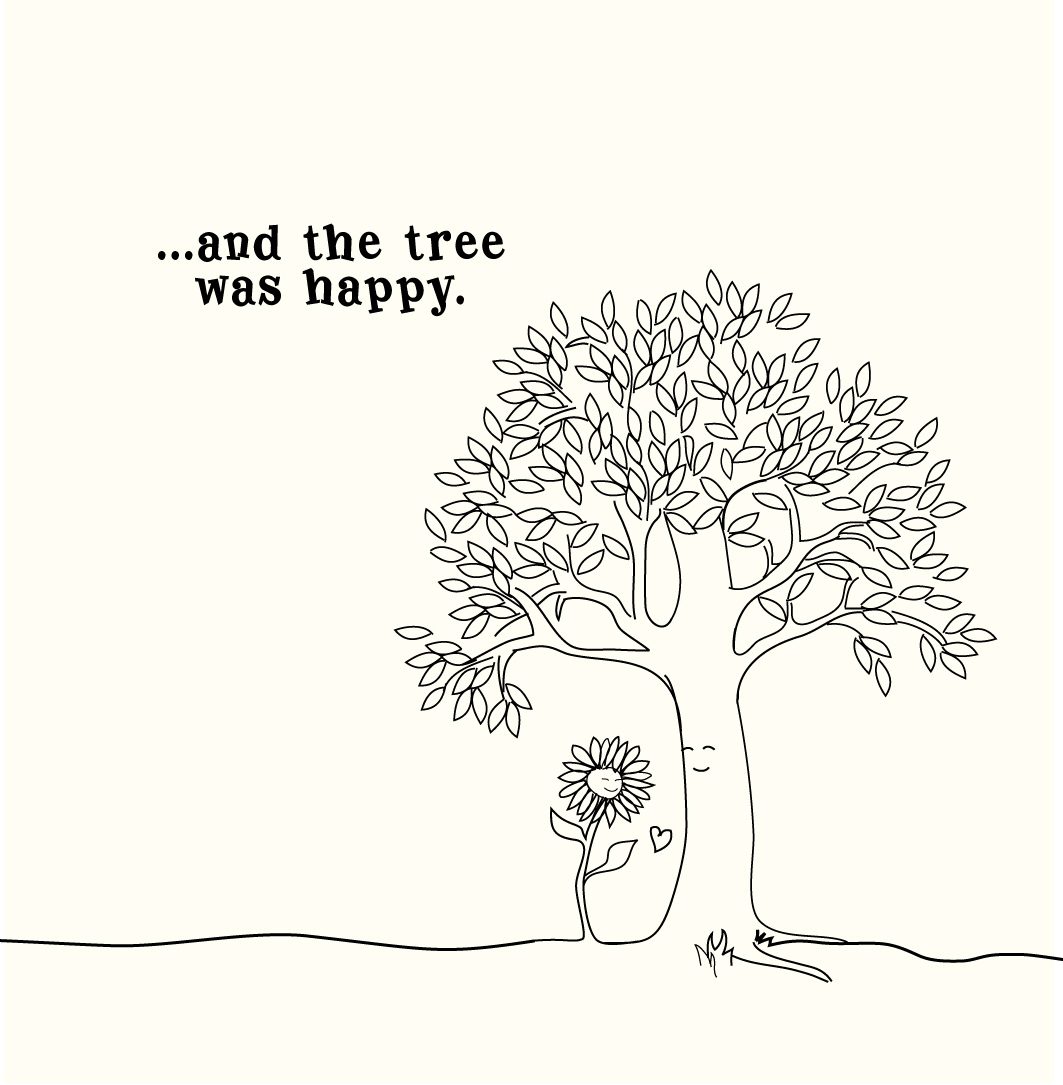
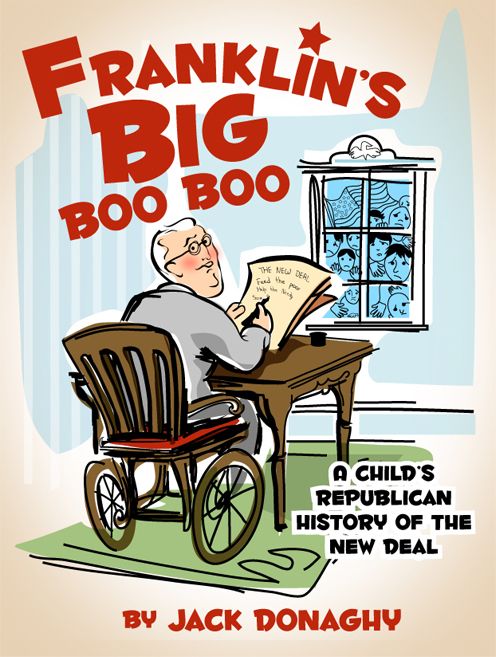
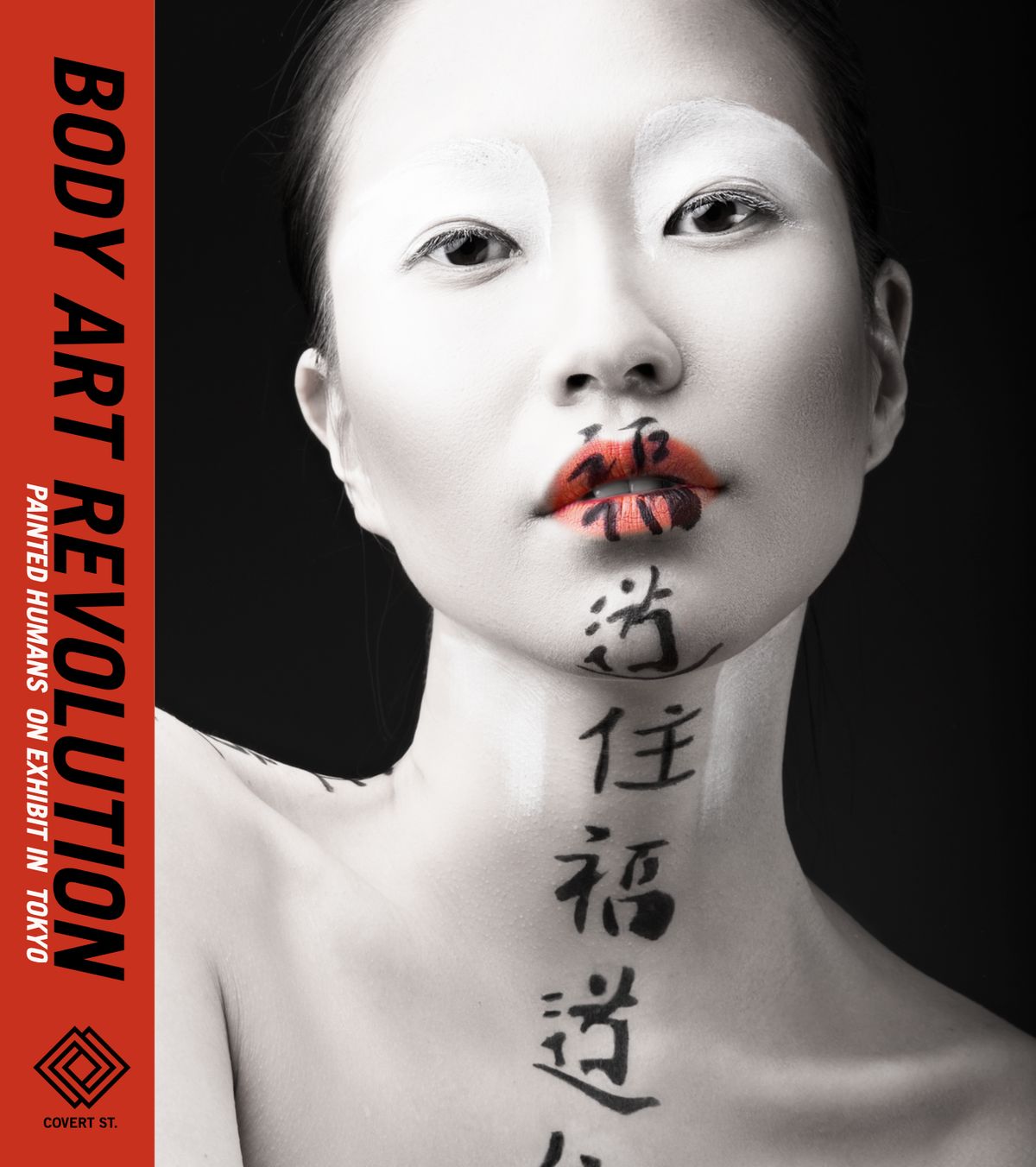
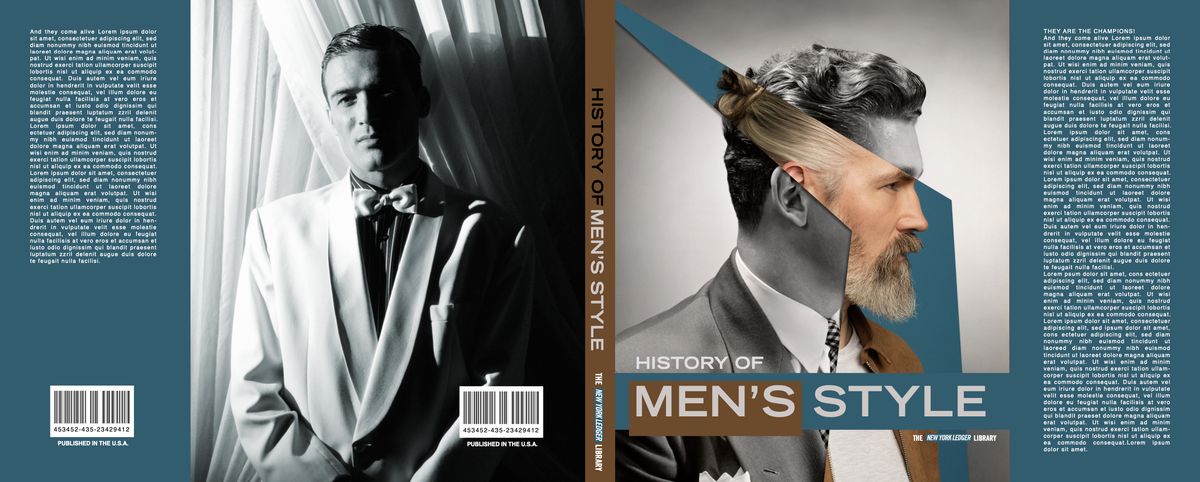
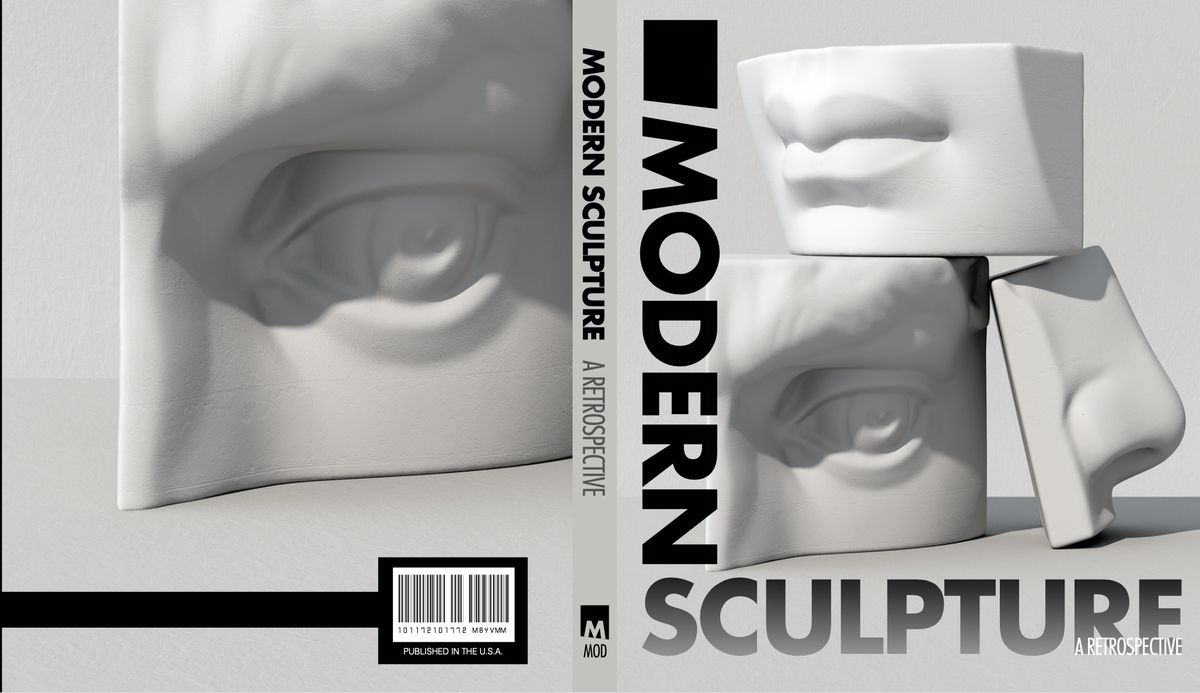
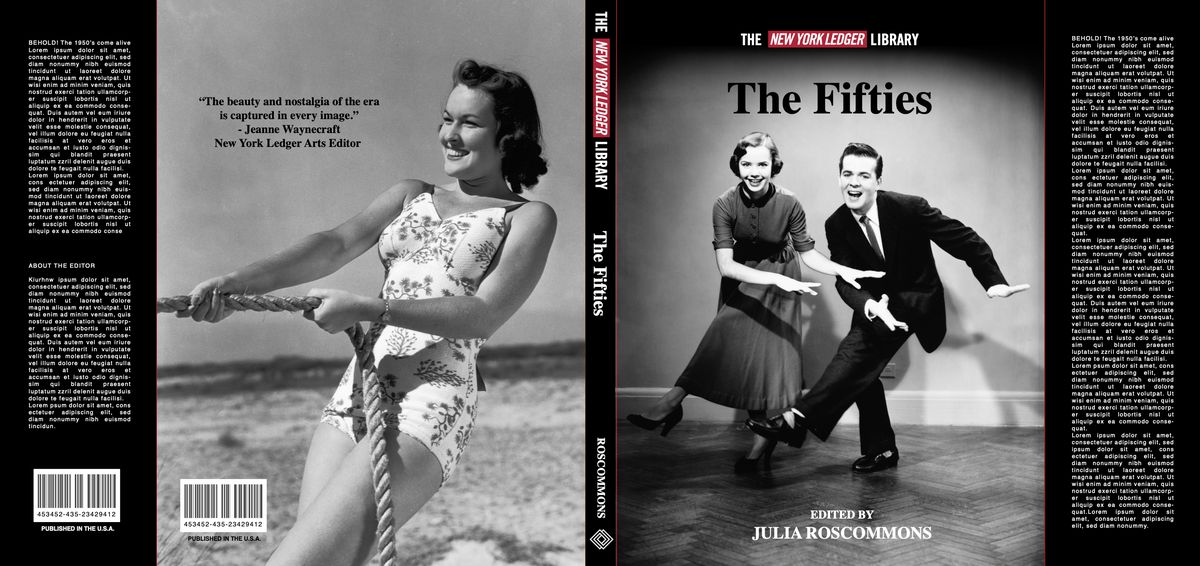
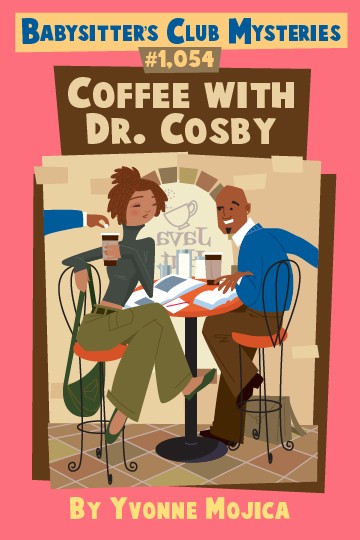
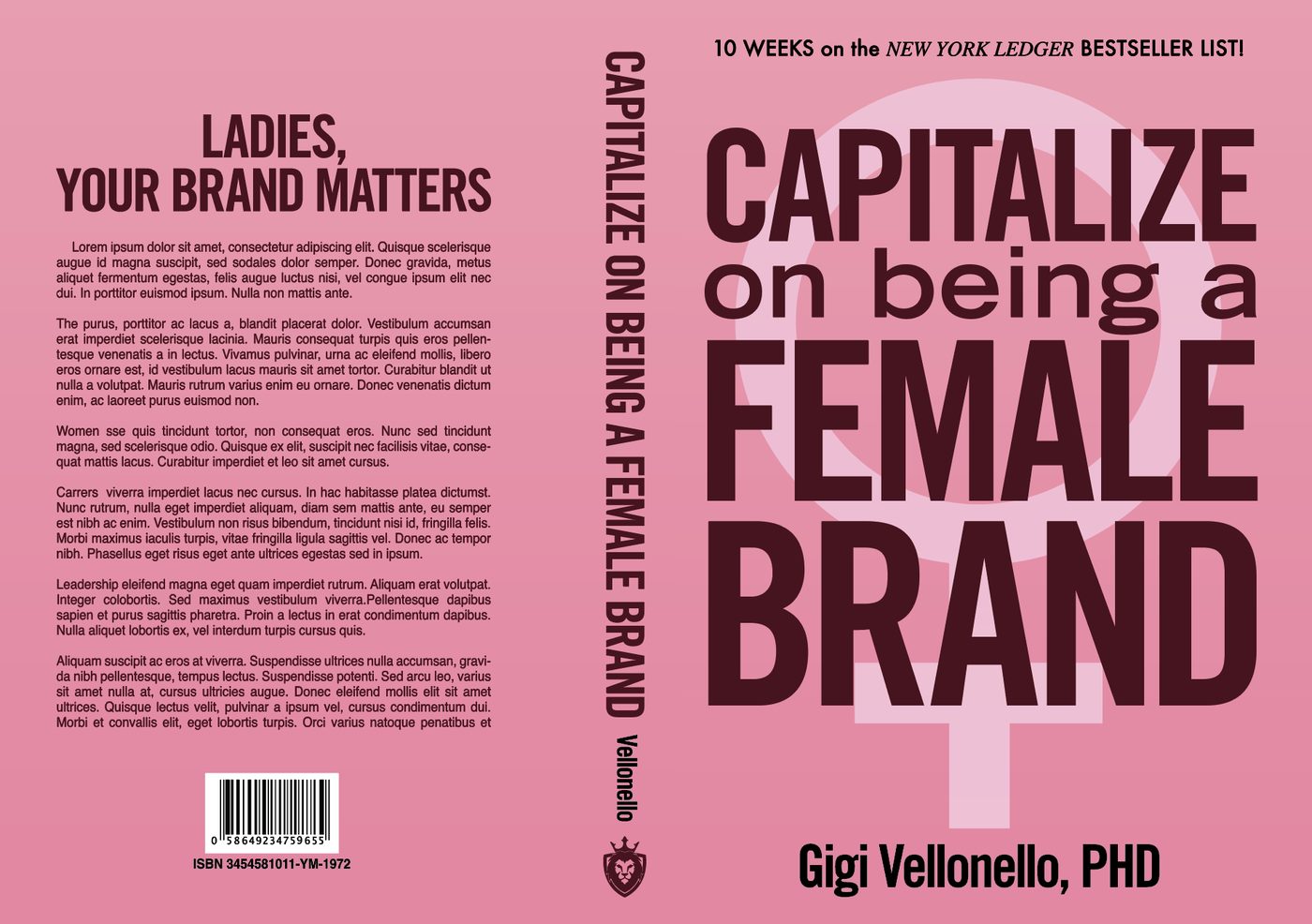
Book jackets are the hardest prop print there is: a front, a back, two flaps and a spine that all have to line up when the object is folded, with copy that survives being read in a close-up. These run from coffee-table photography to surveillance manuals to a psychology textbook.


Unbreakable Kimmy Schmidt · print
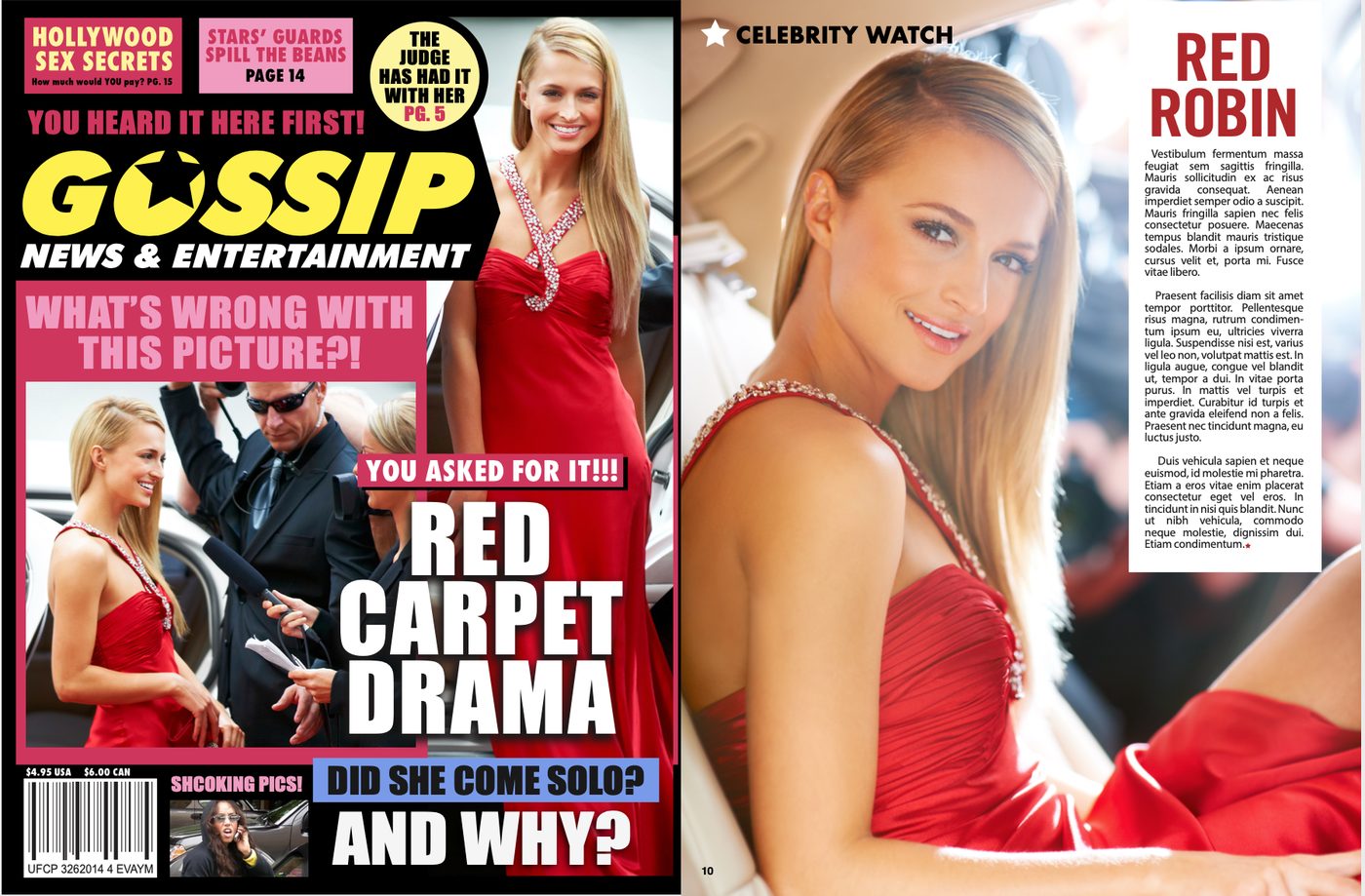
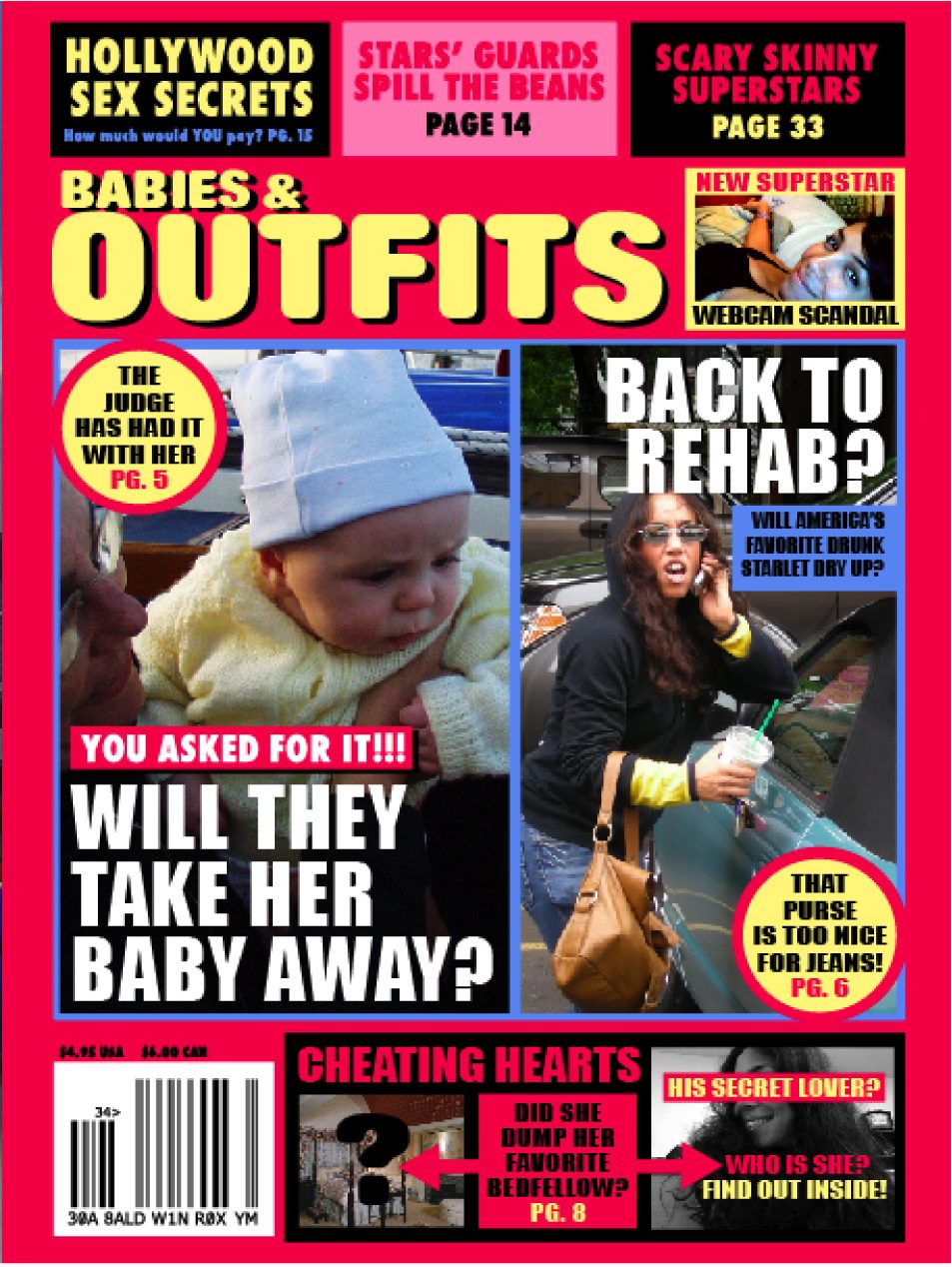
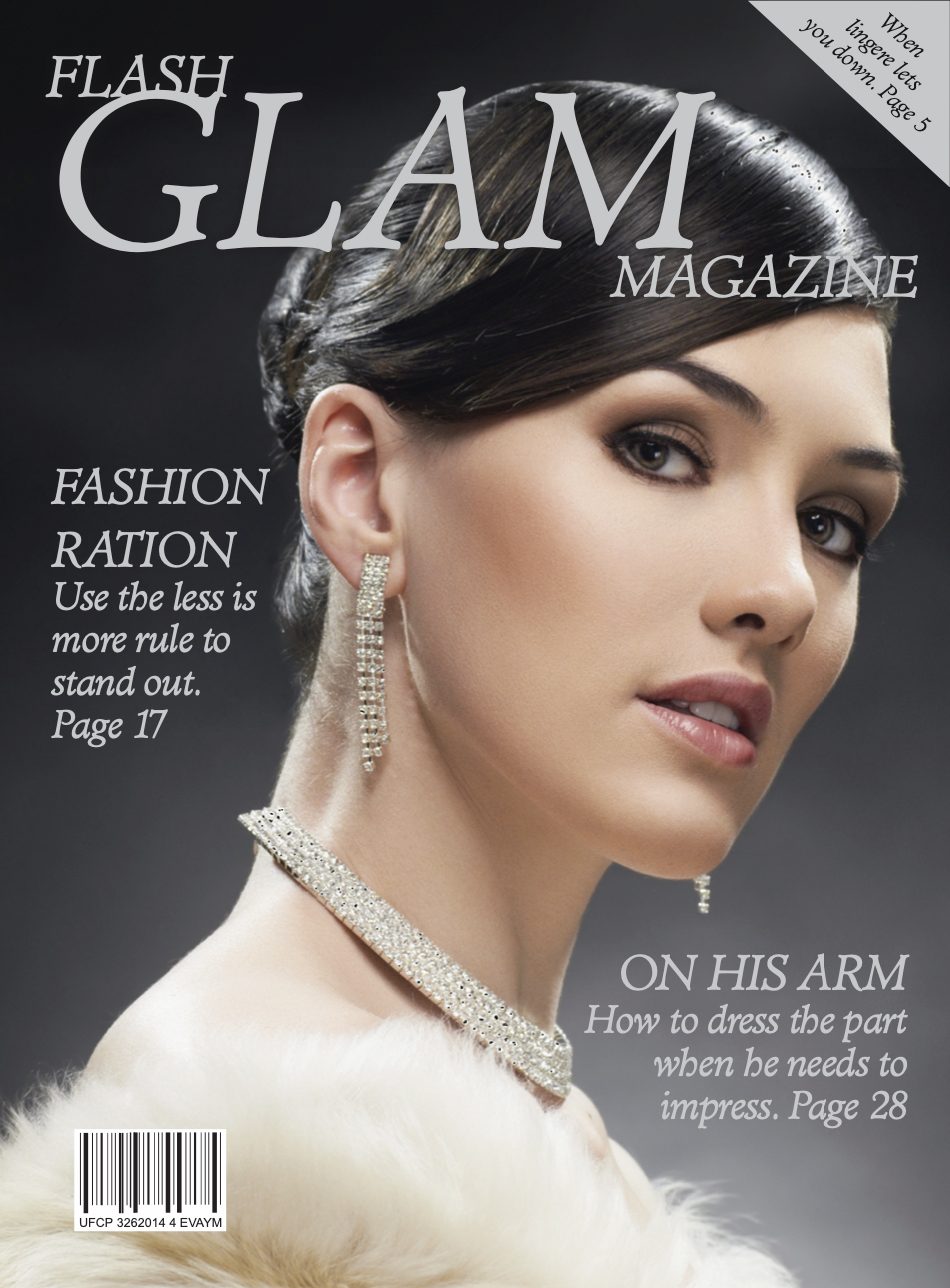
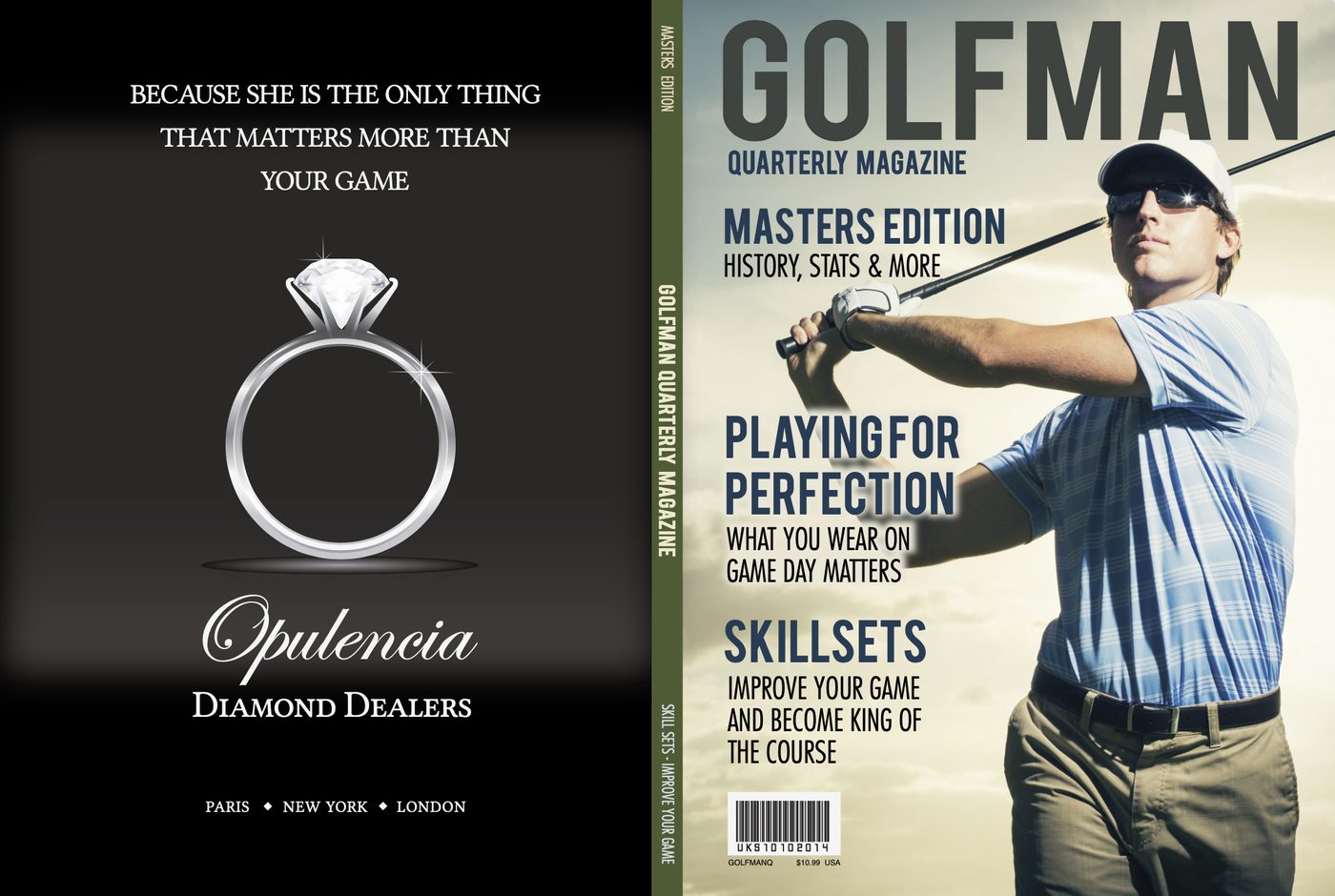
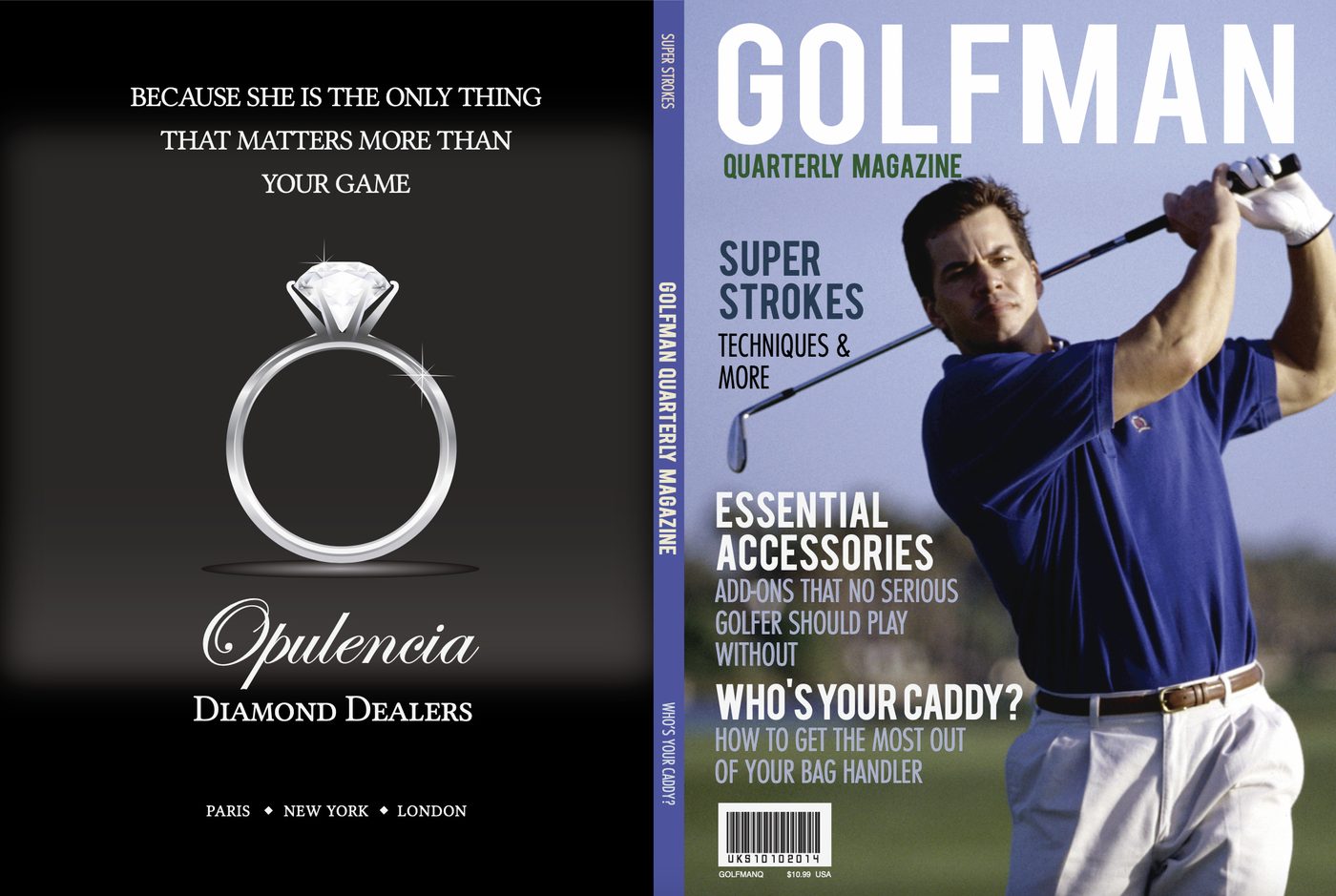
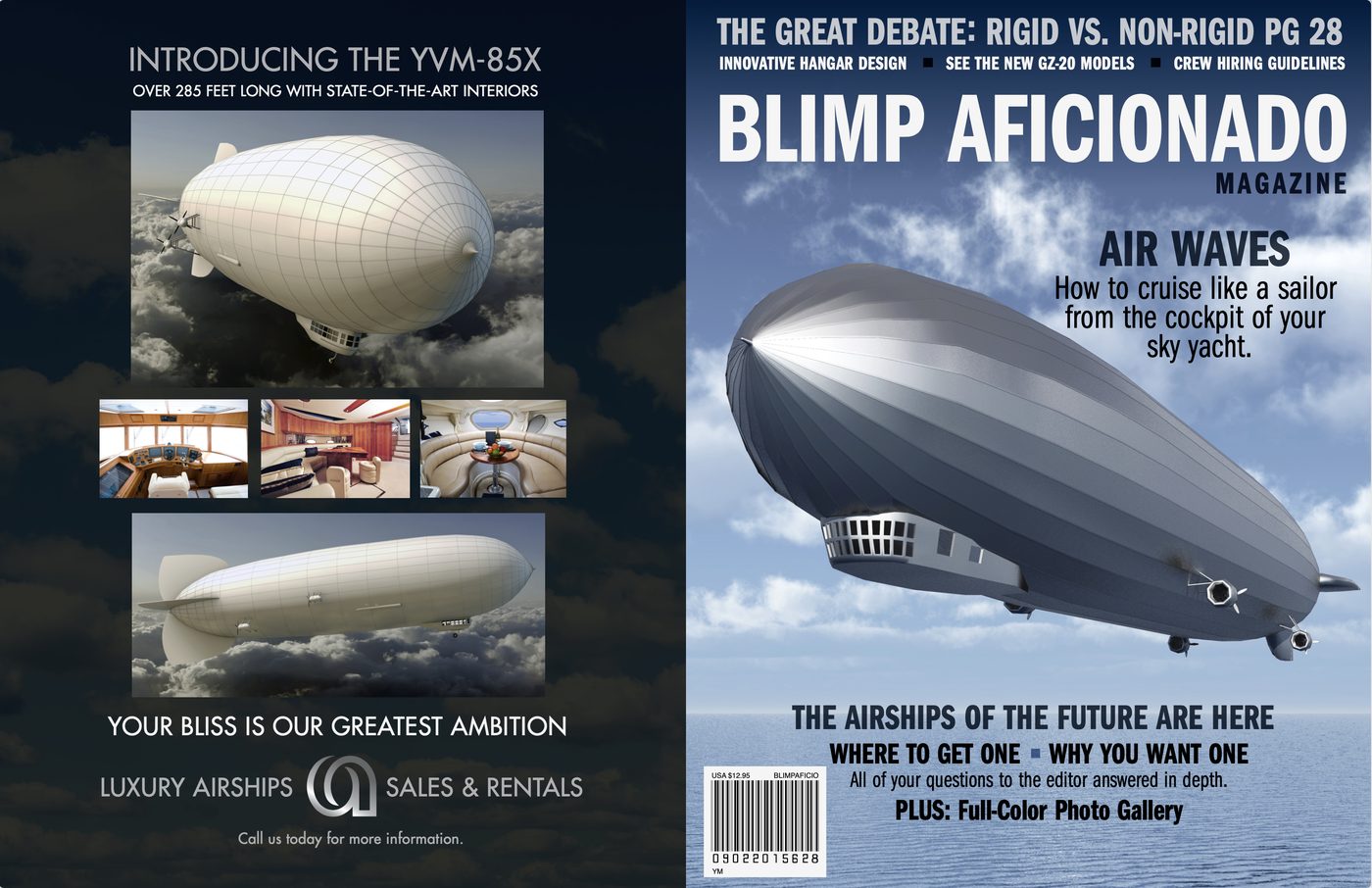
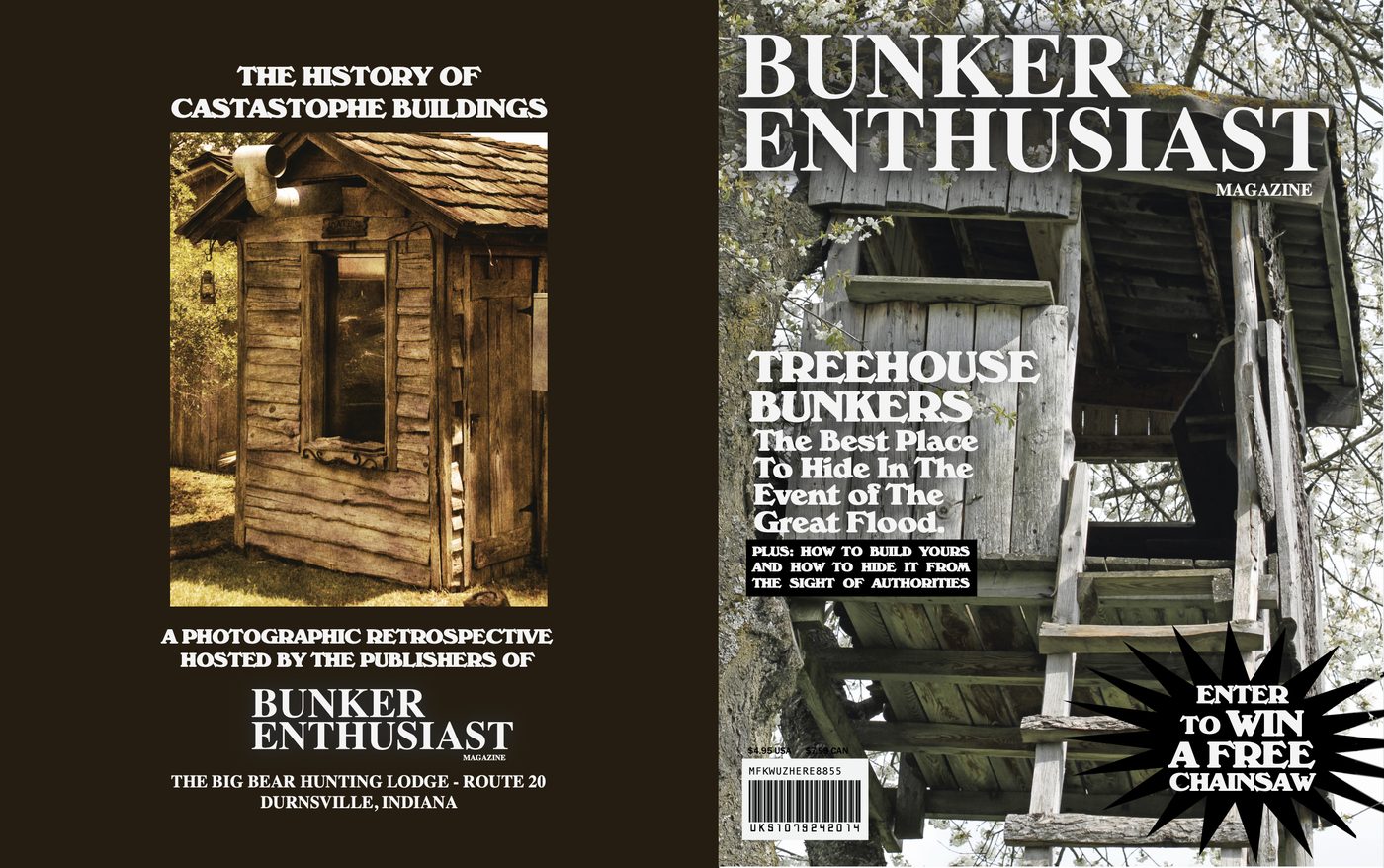
Celebrity weeklies, golf quarterlies and a magazine for airship enthusiasts. The joke has to be legible in the half-second the cover is on screen, which means the design plays it completely straight.
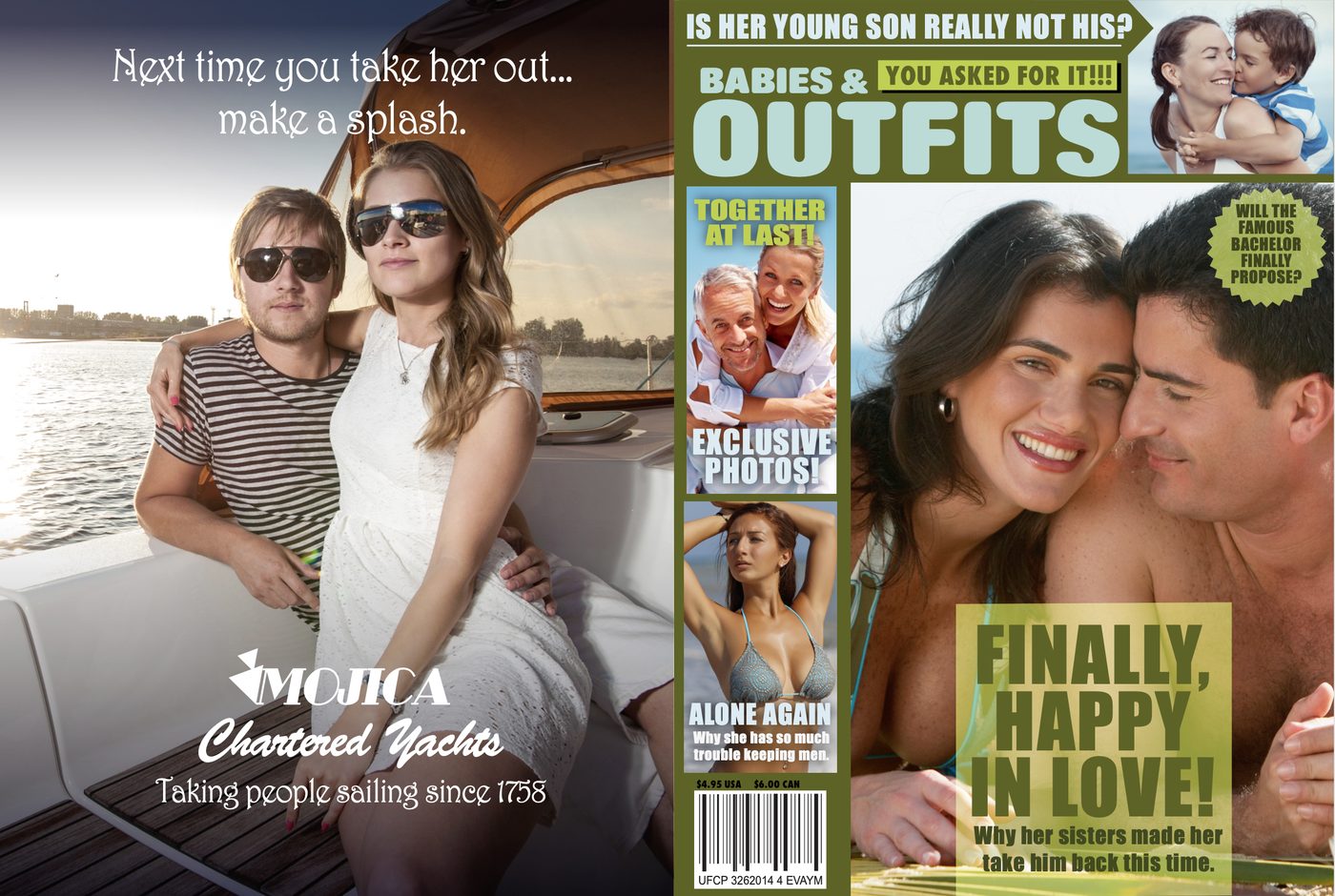
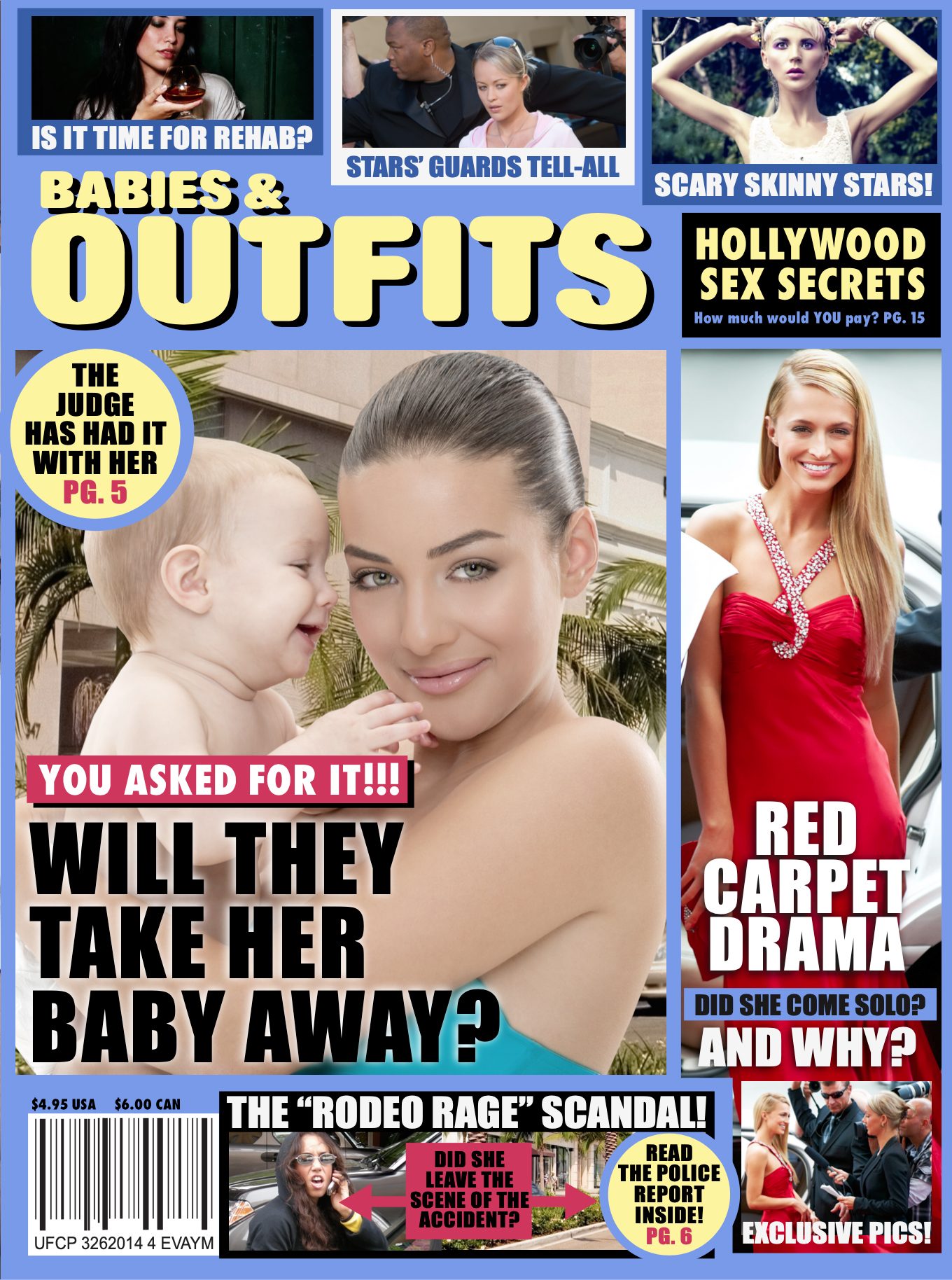
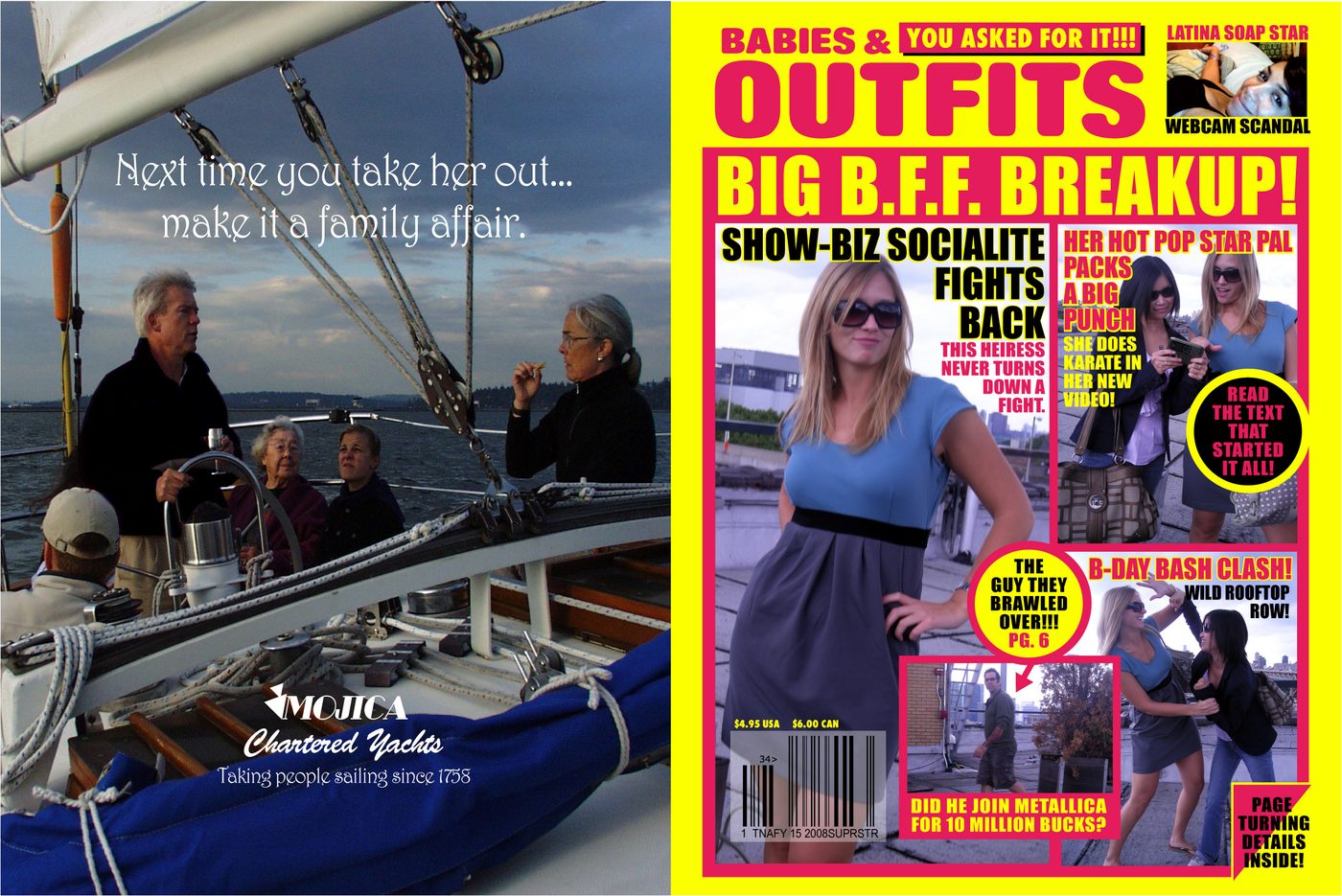
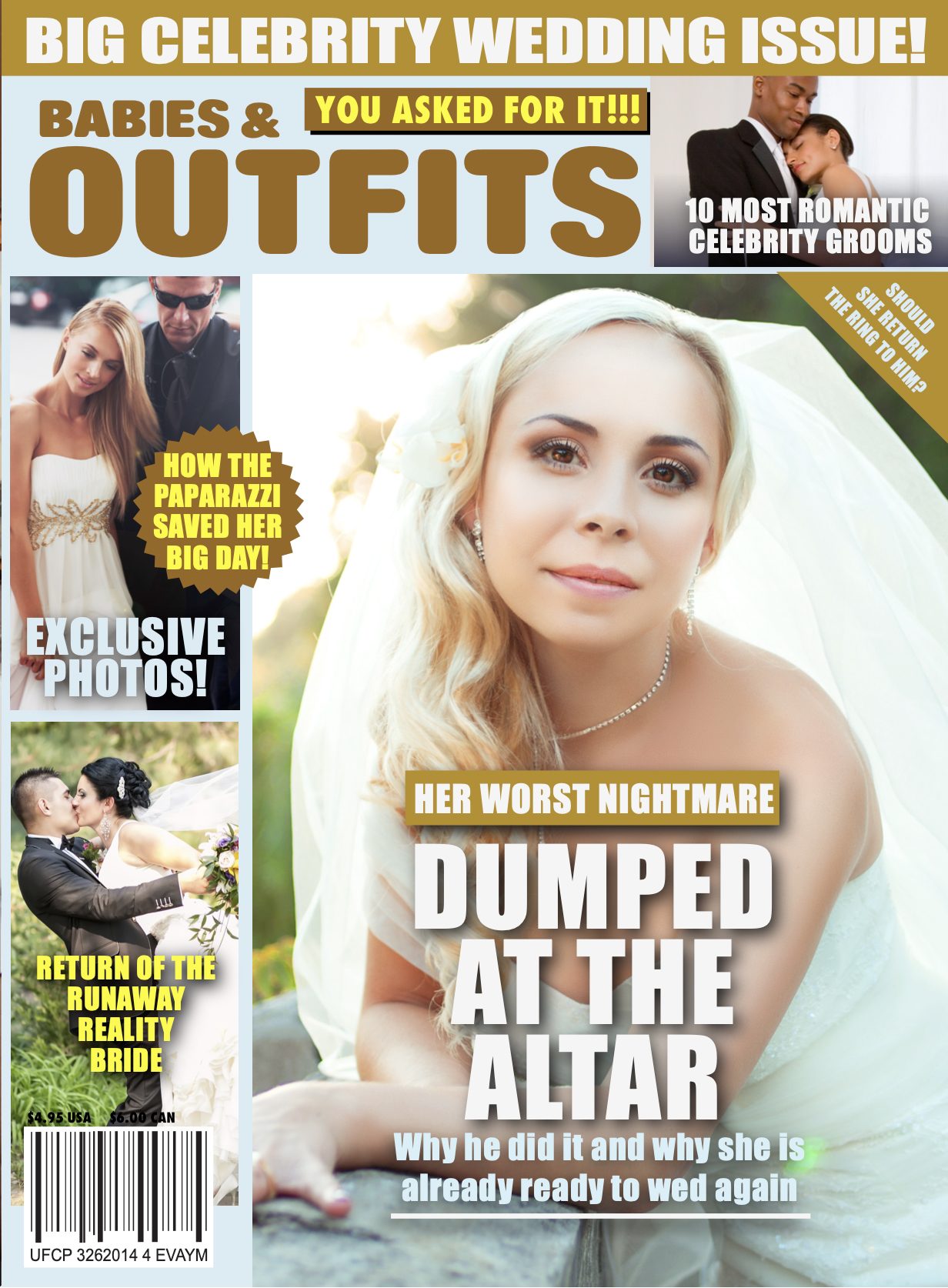
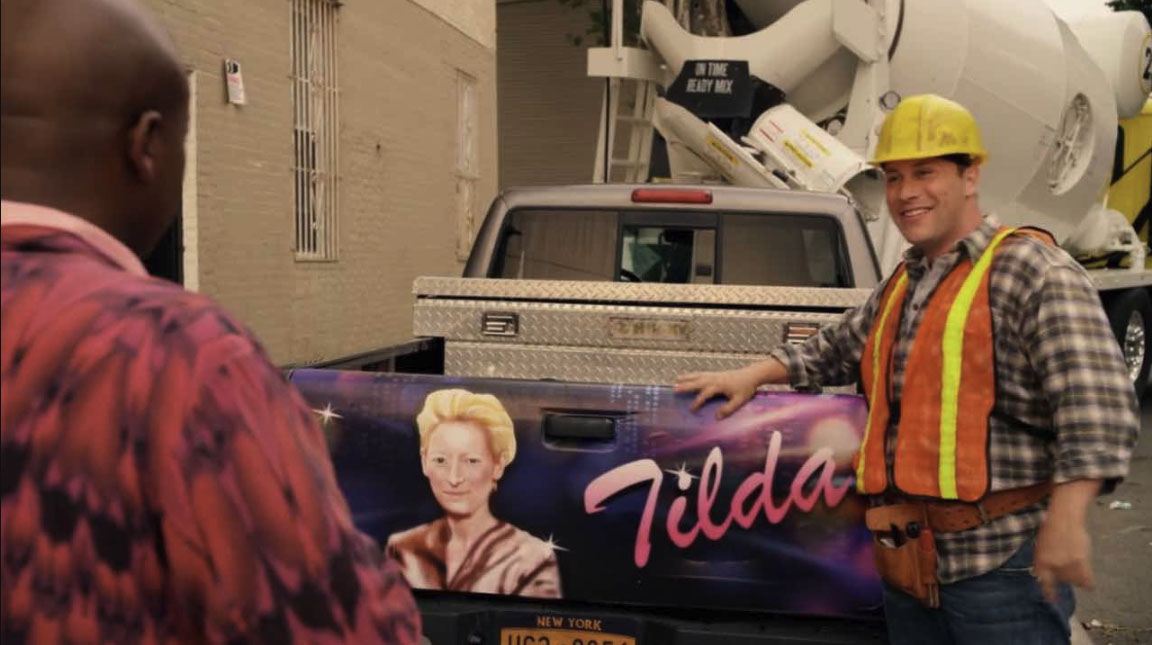
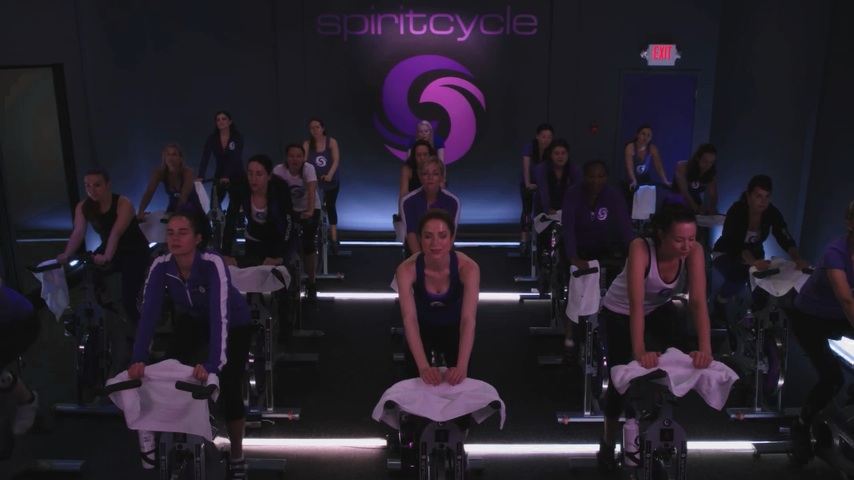
Unbreakable Kimmy Schmidt · packaging
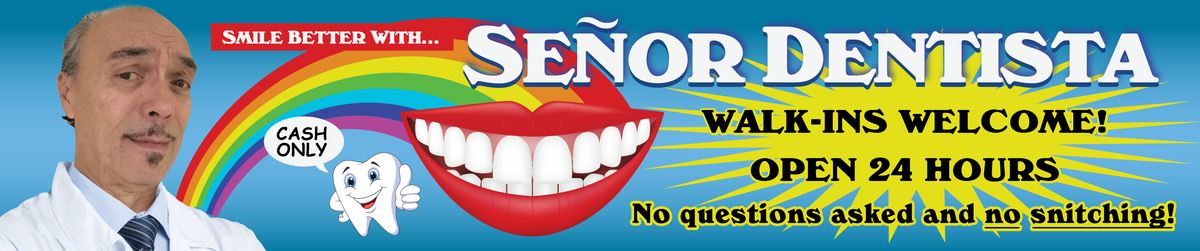
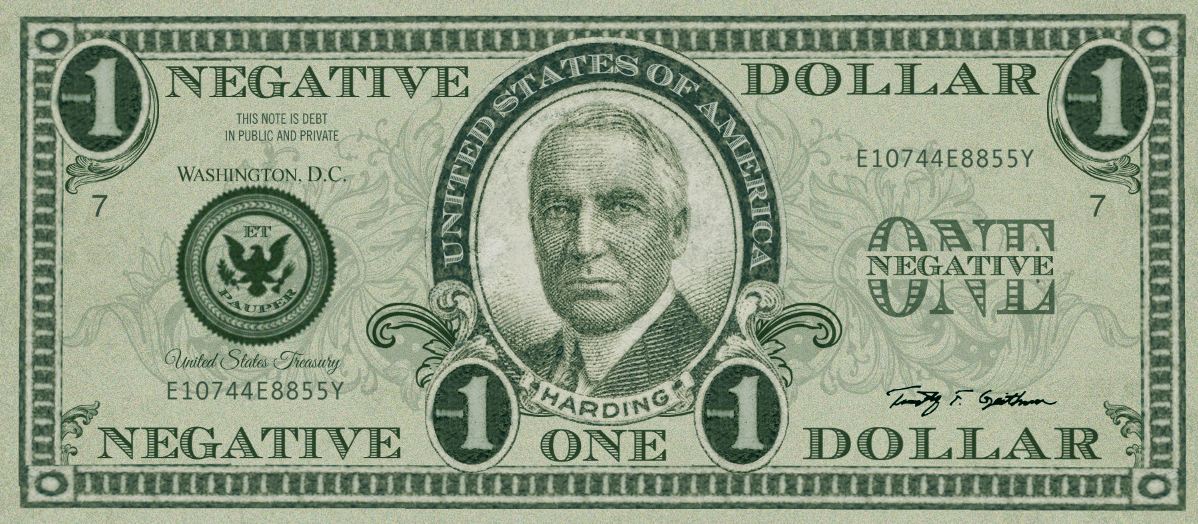
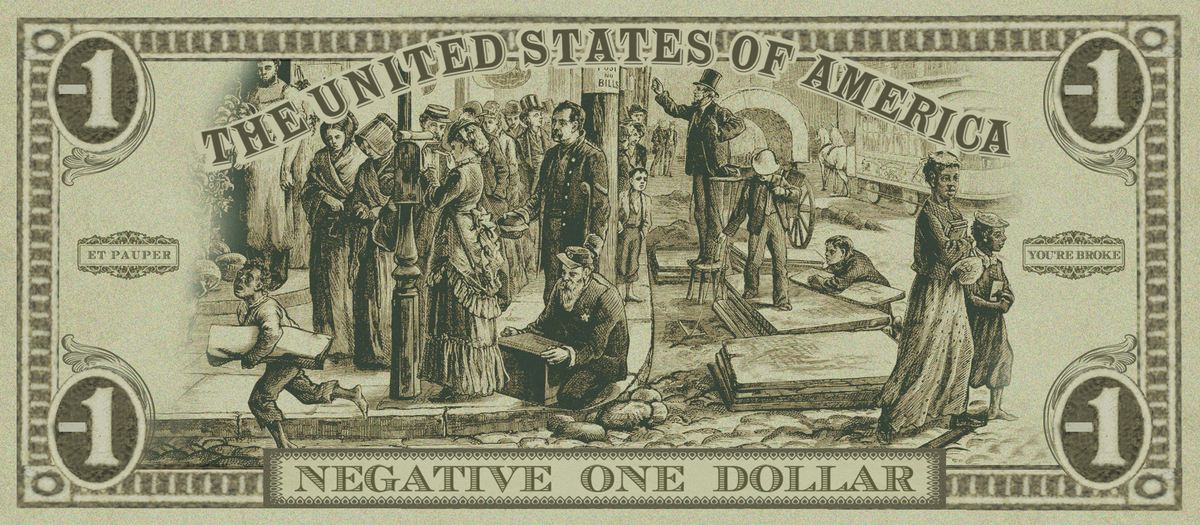
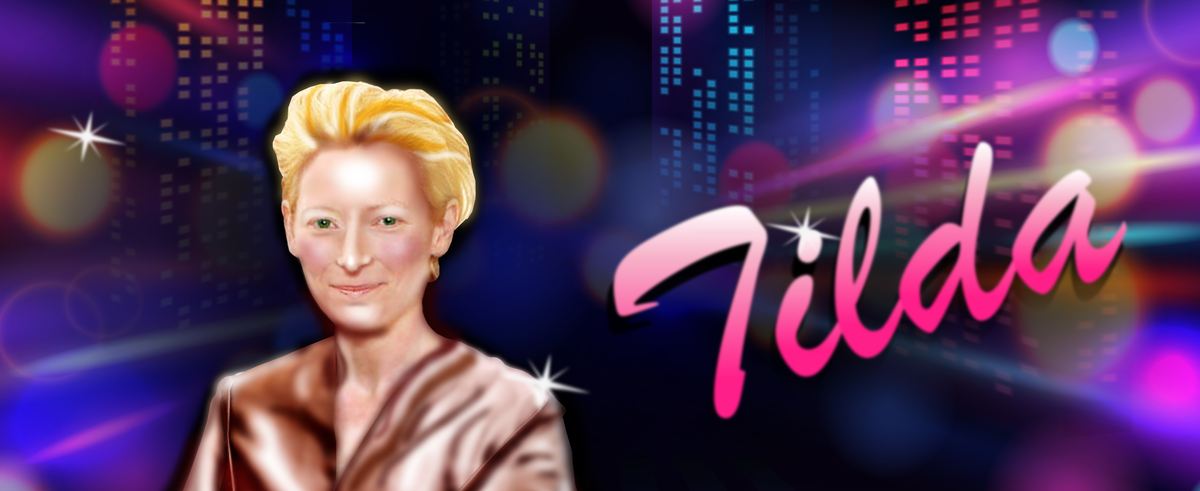
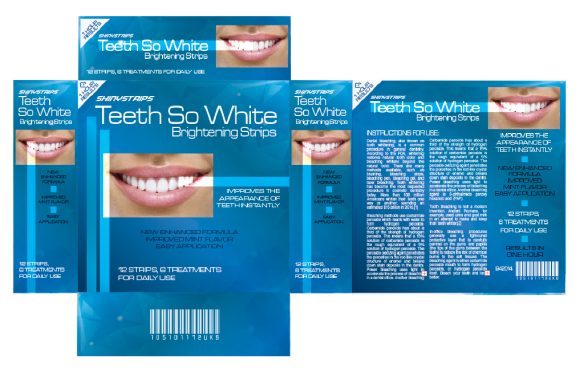
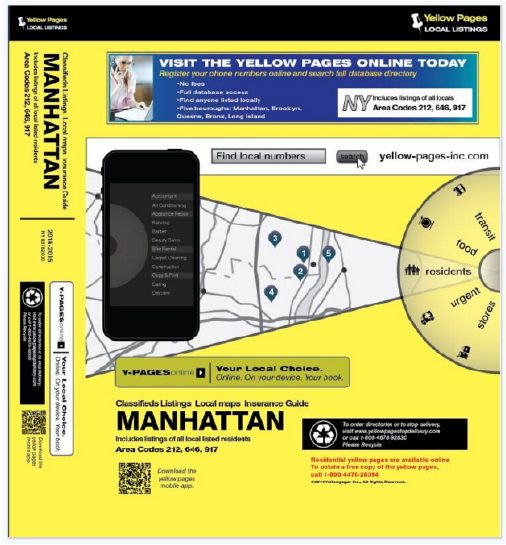
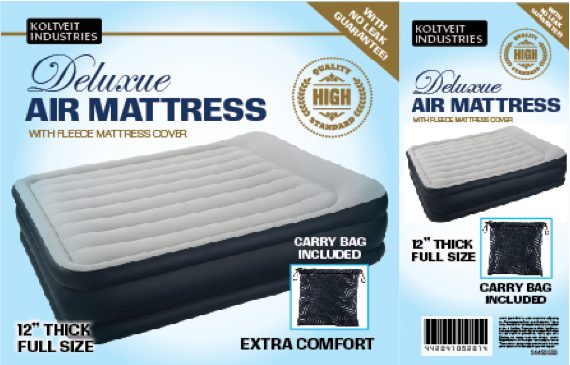
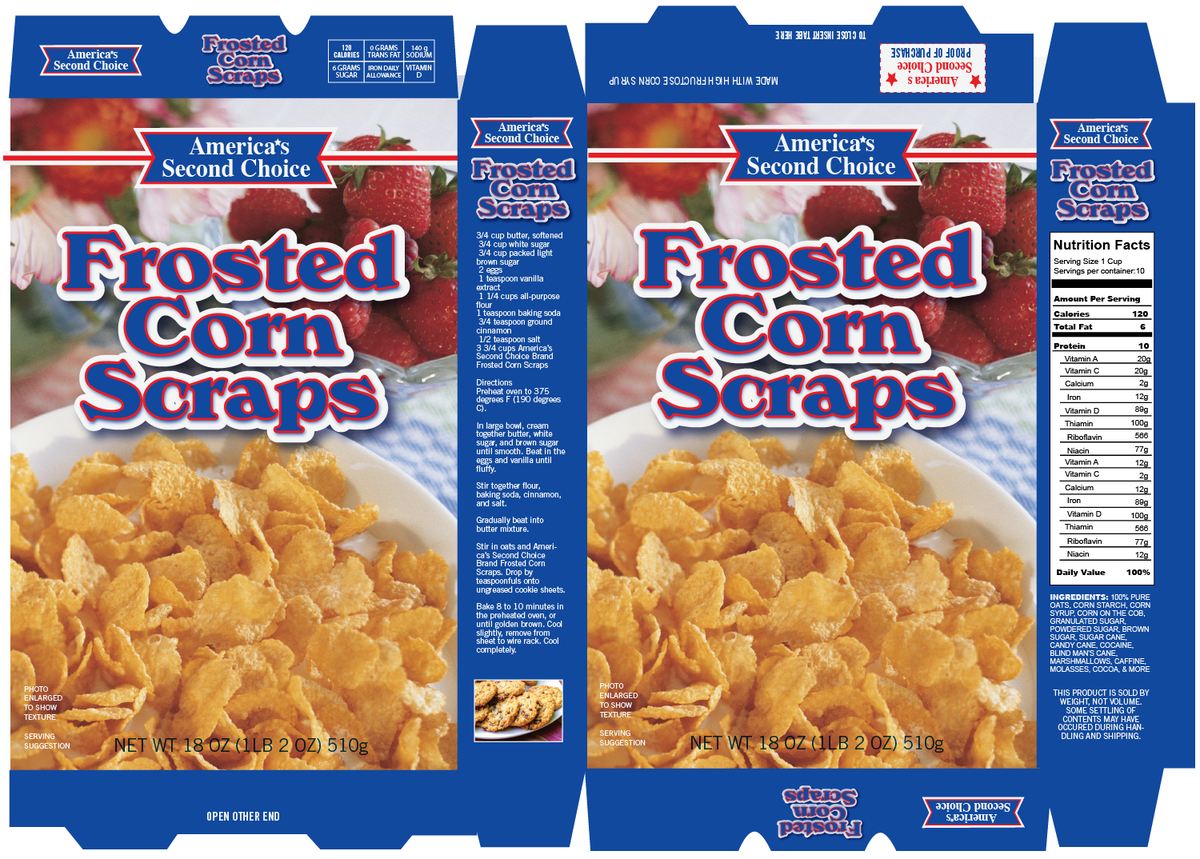
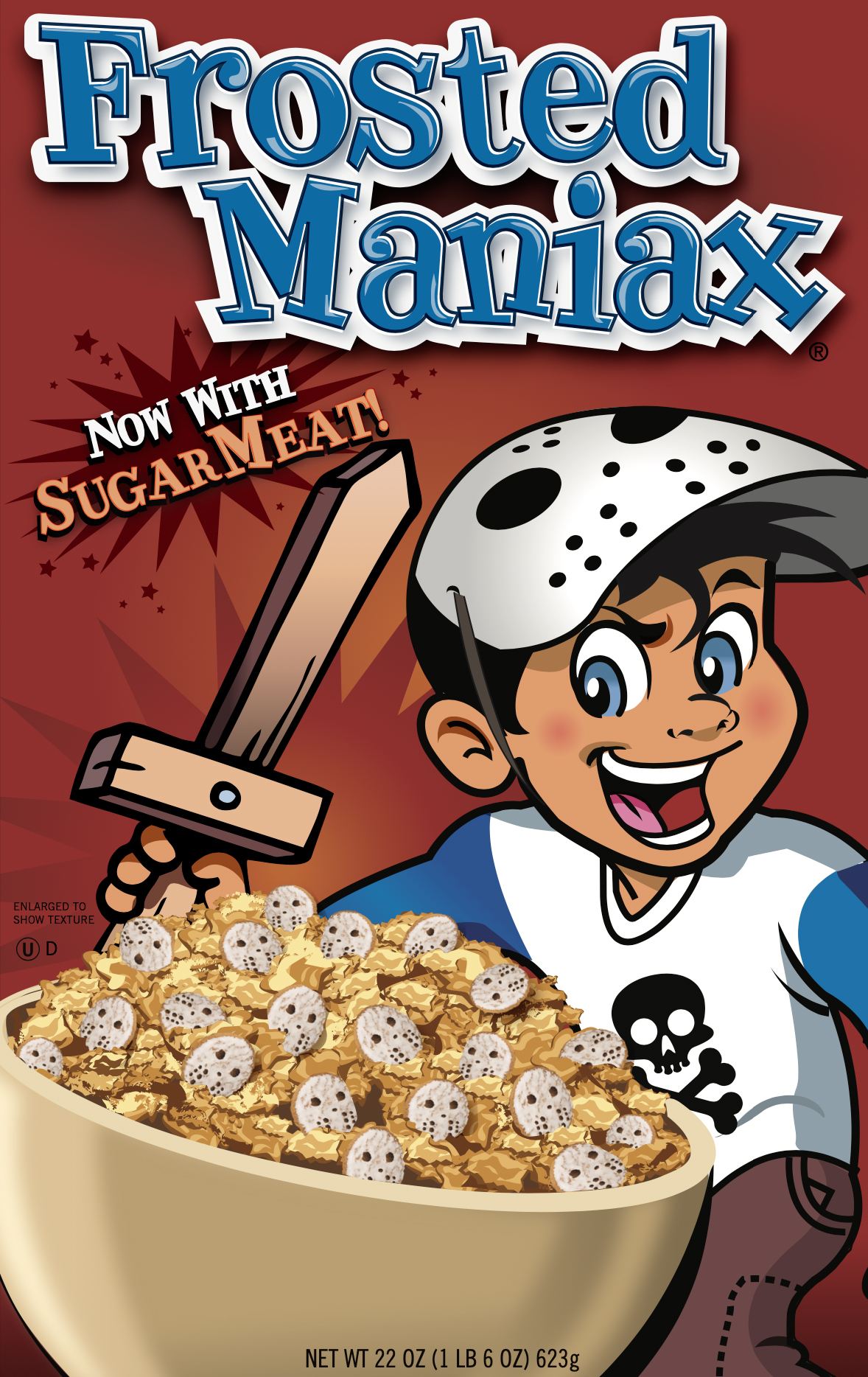
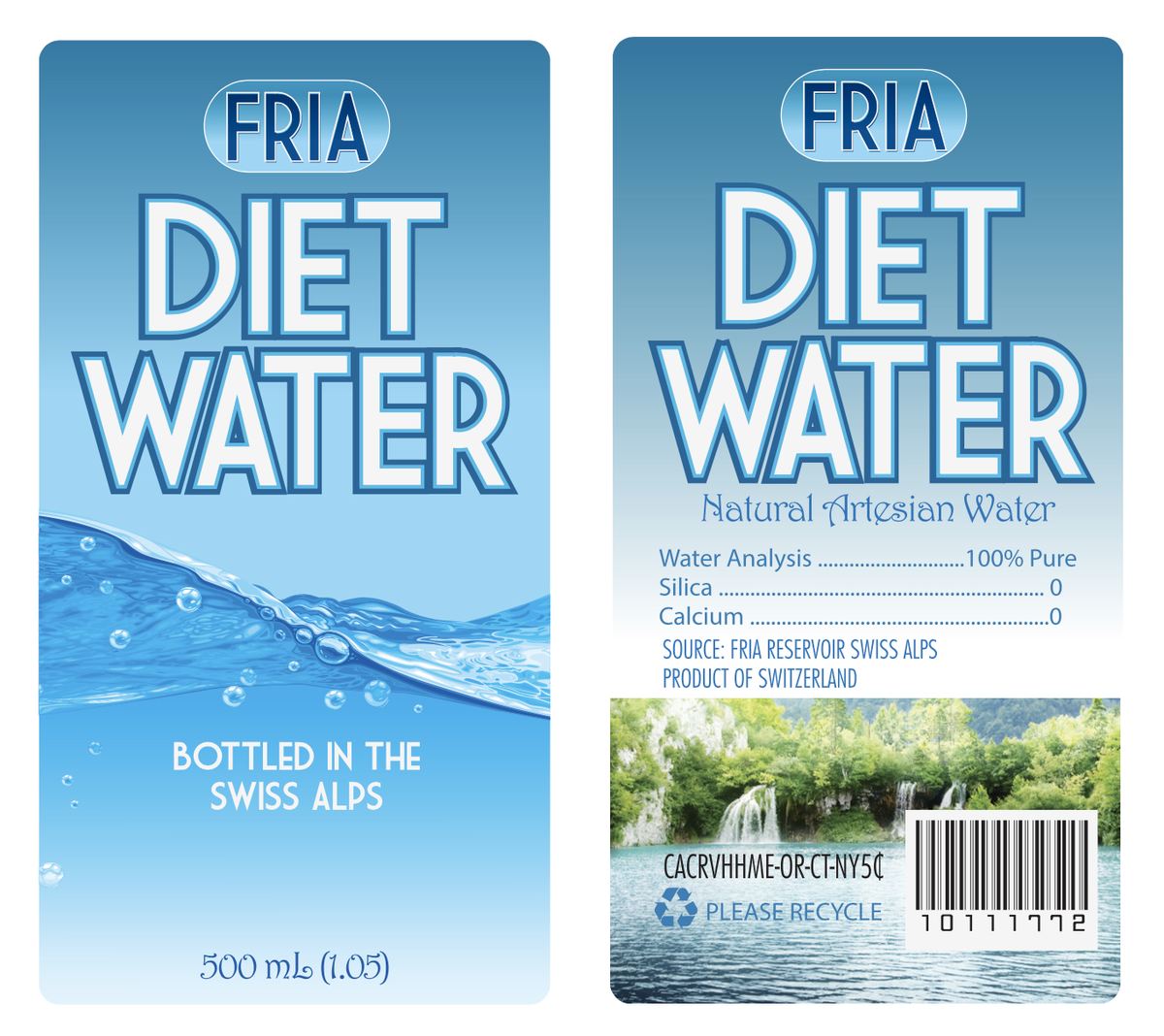
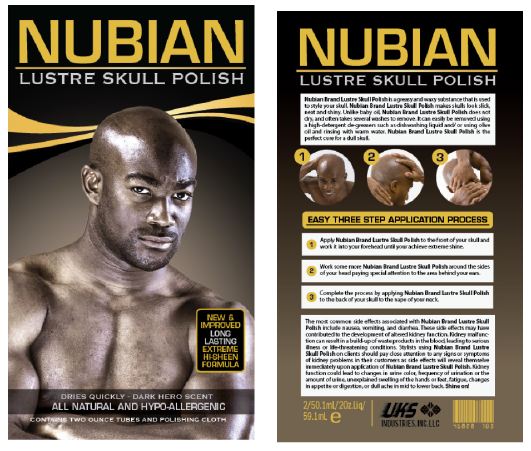
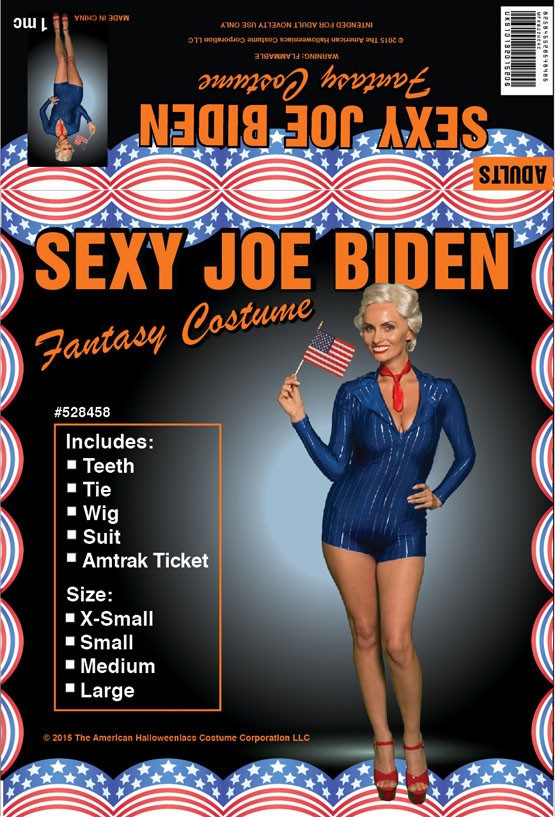
Parody products by the trolley-load. The joke has to land in the half-second the box is on screen, which means the design has to be straight-faced and the copy has to do the work.
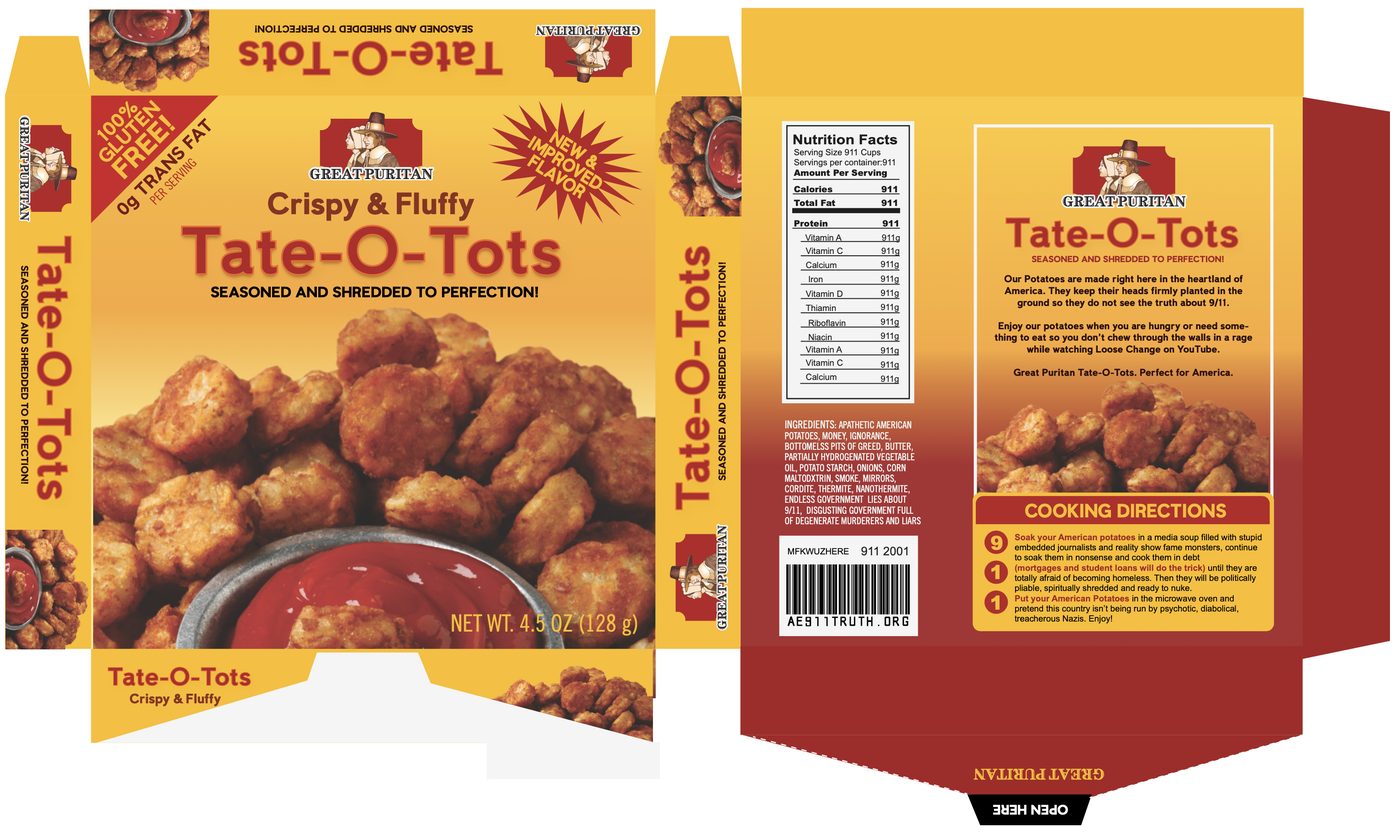
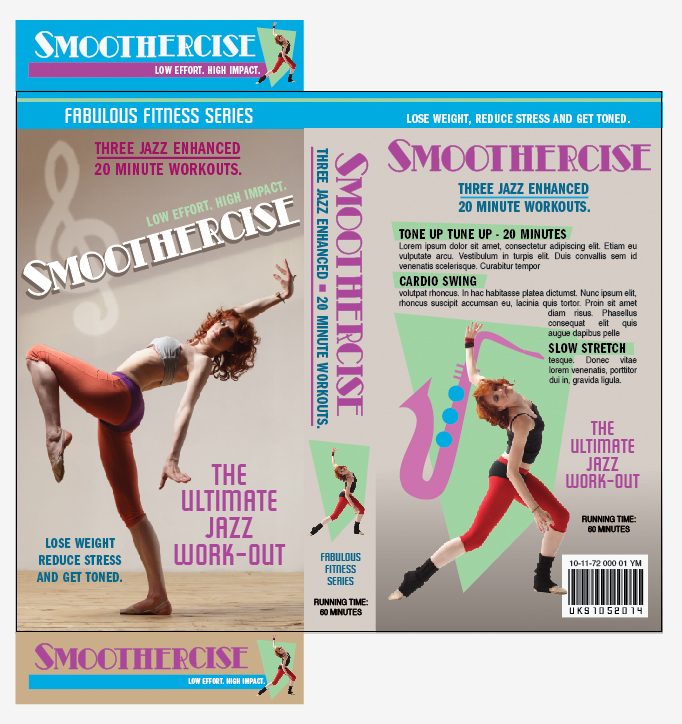

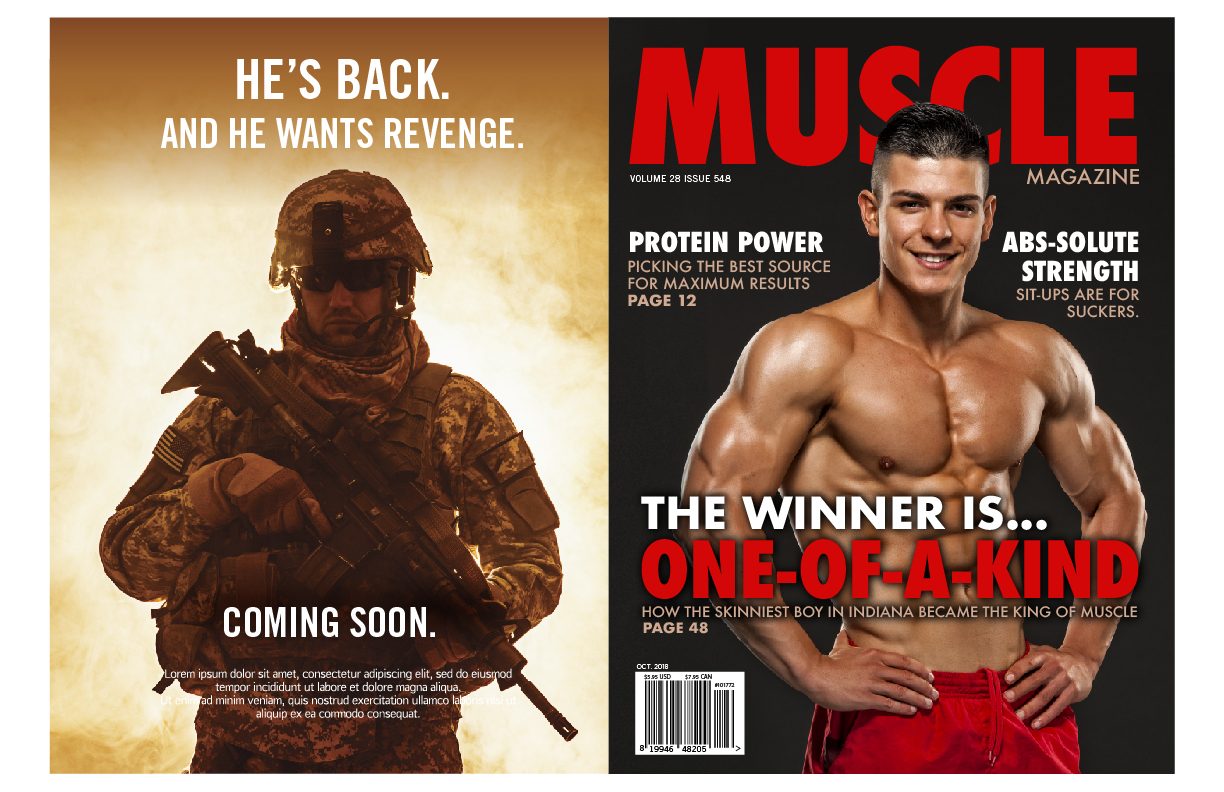
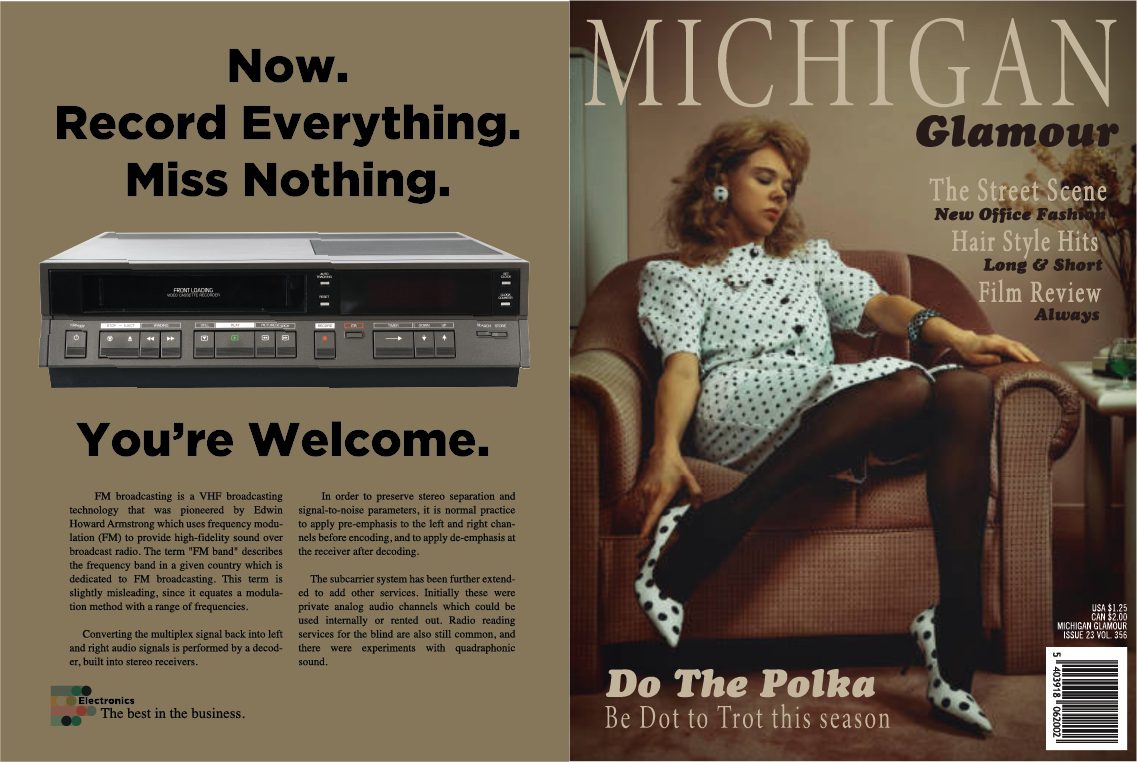
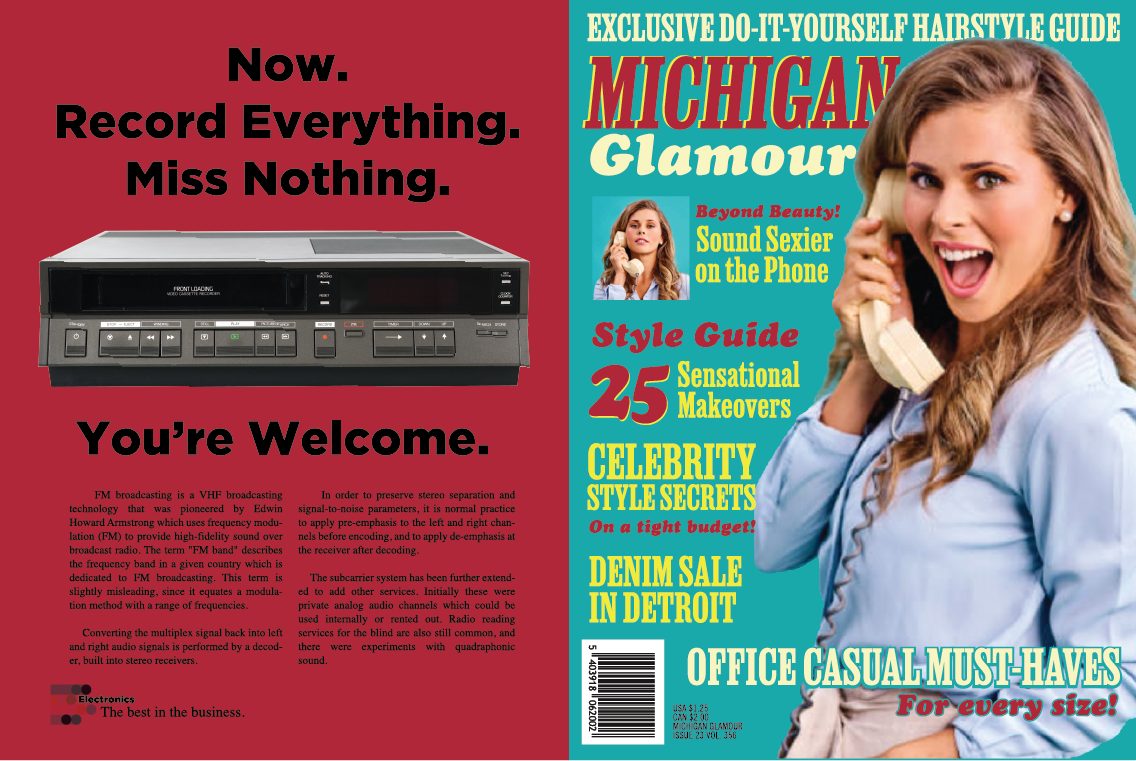
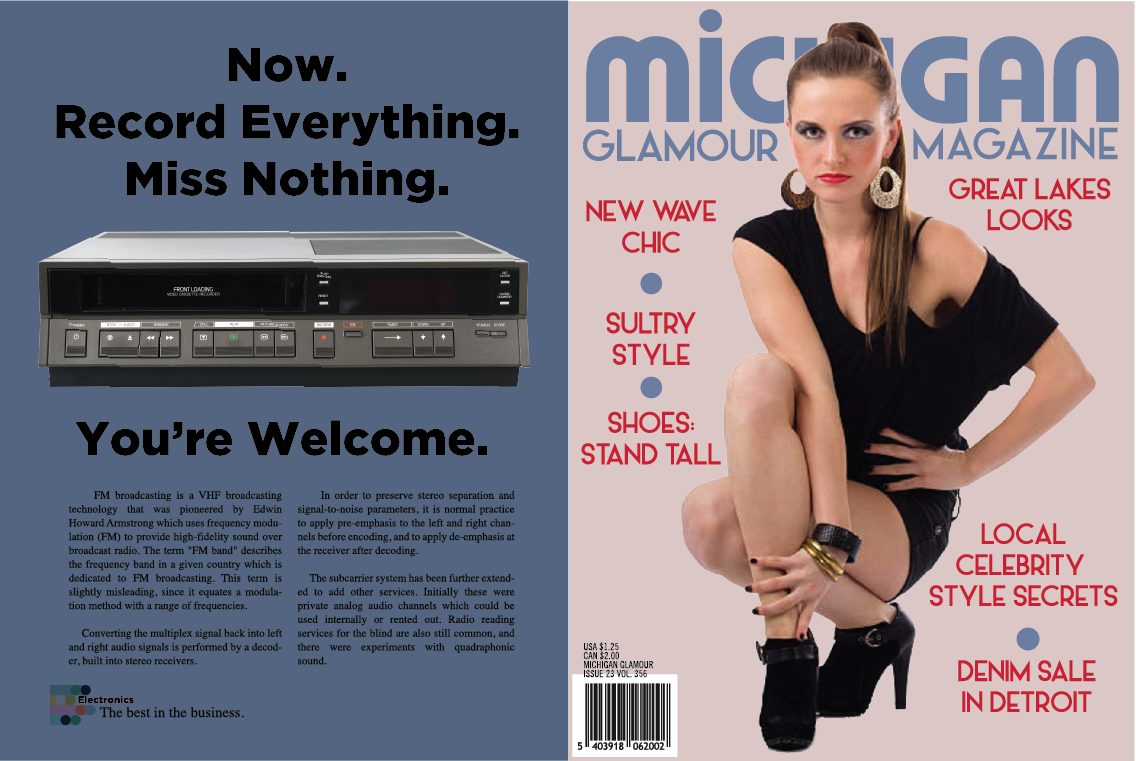
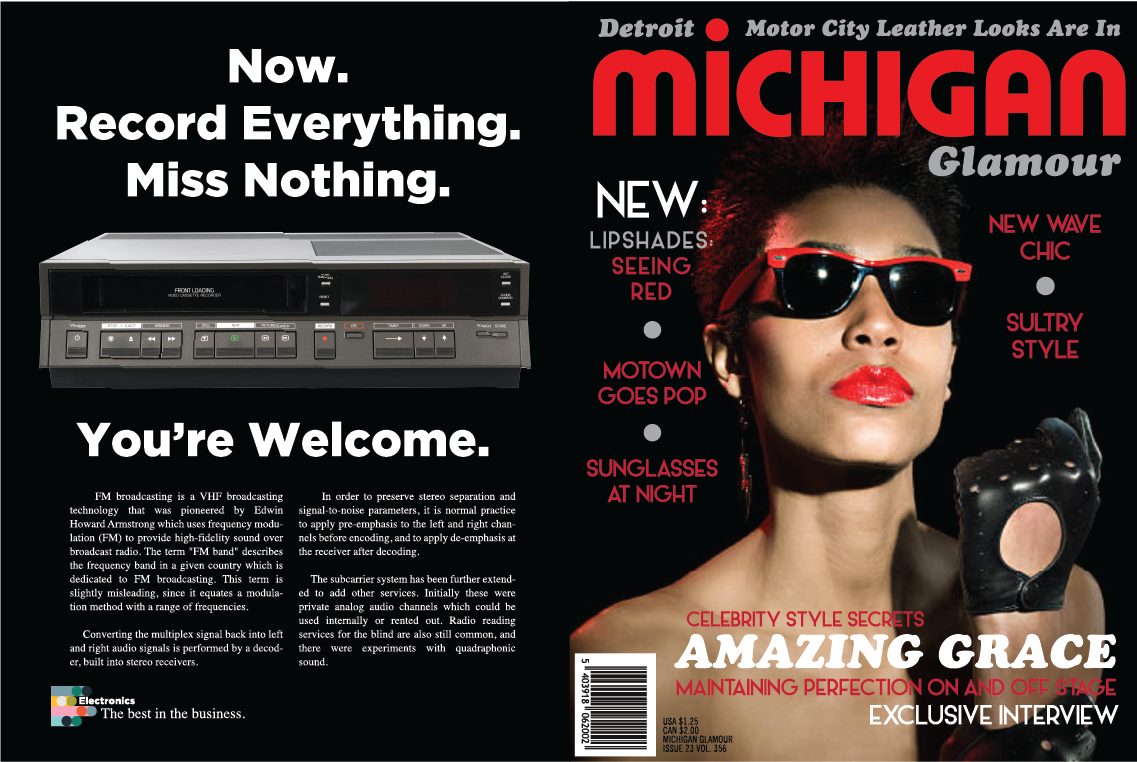
Magazines for the rack
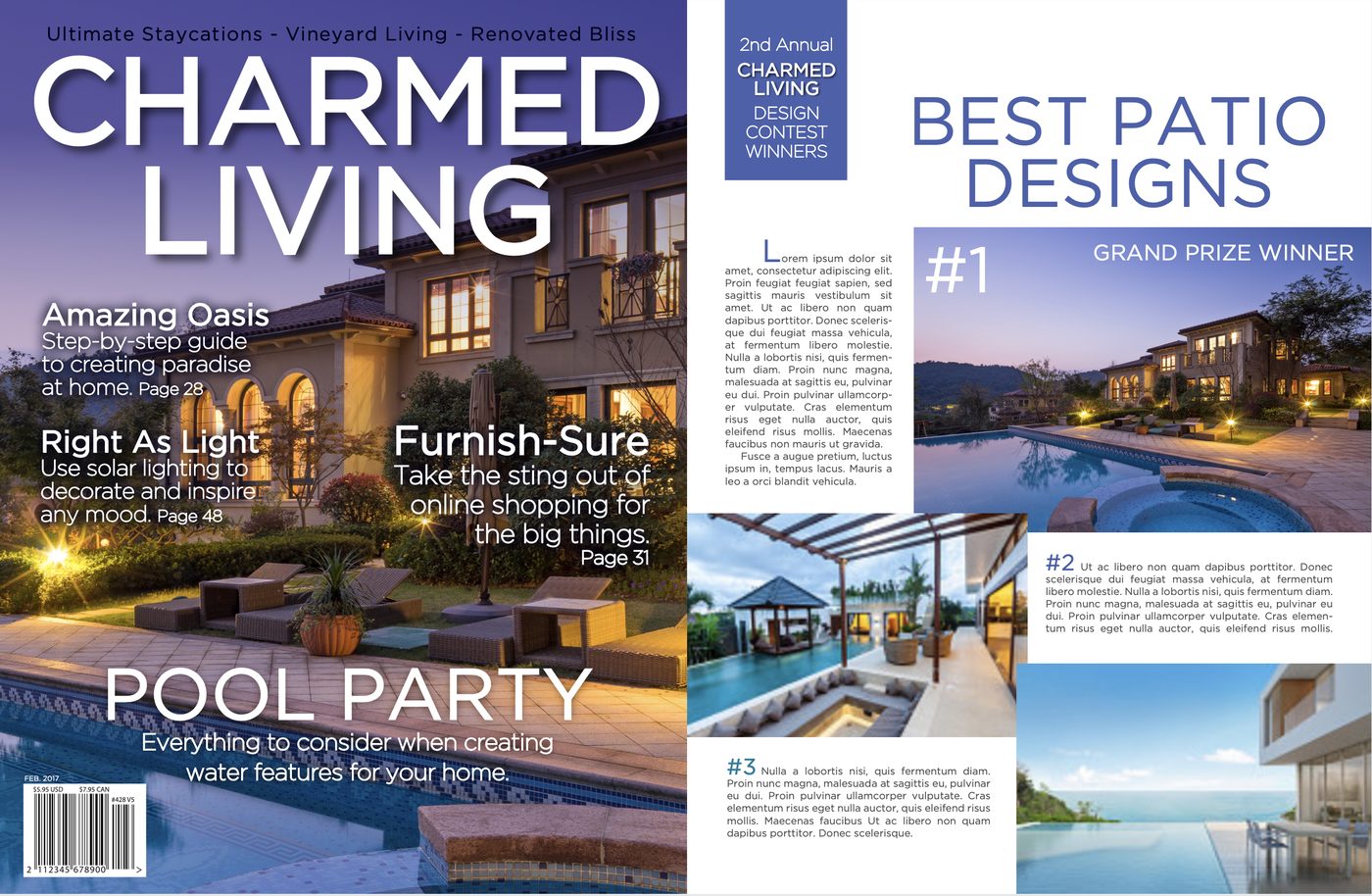
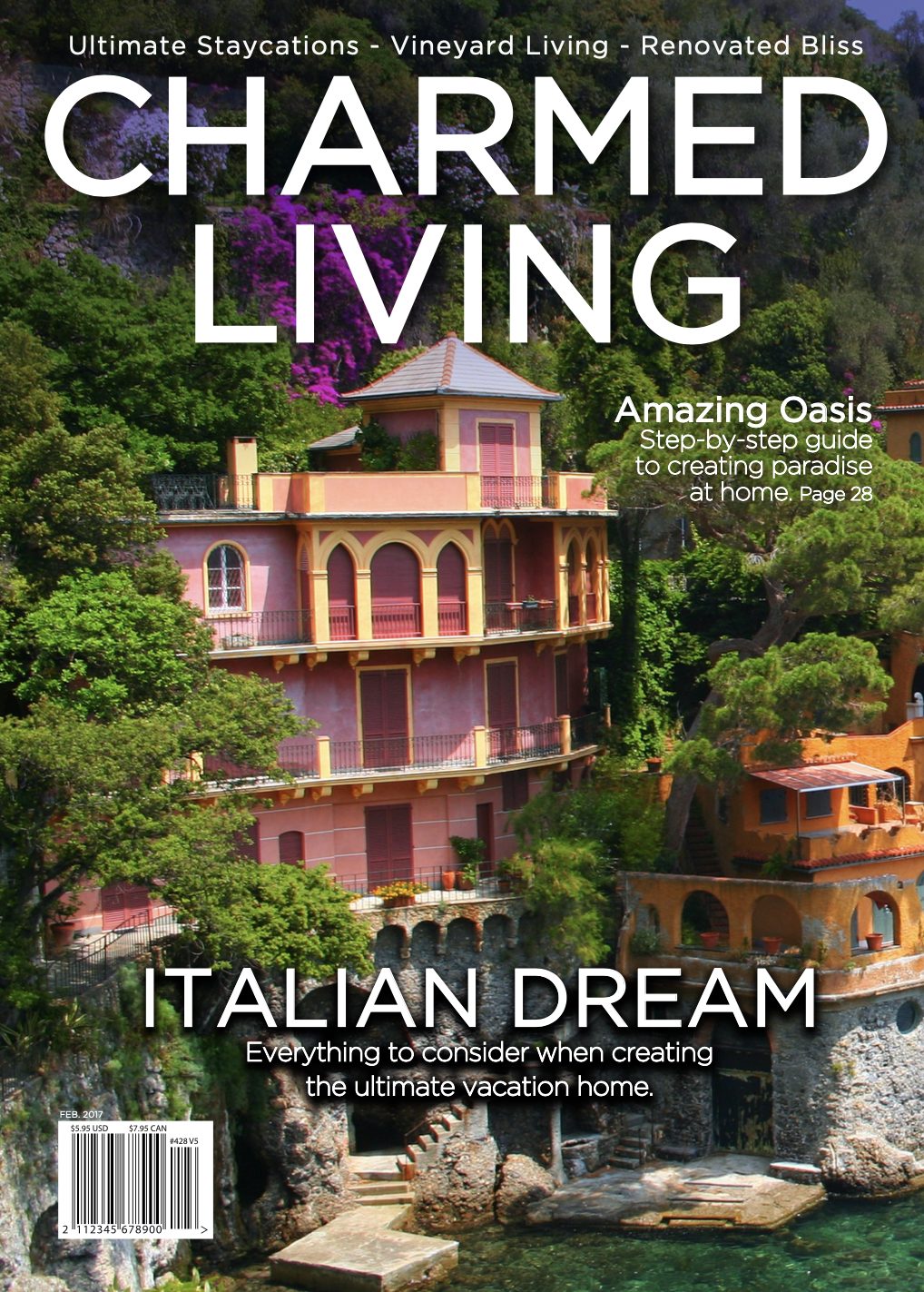
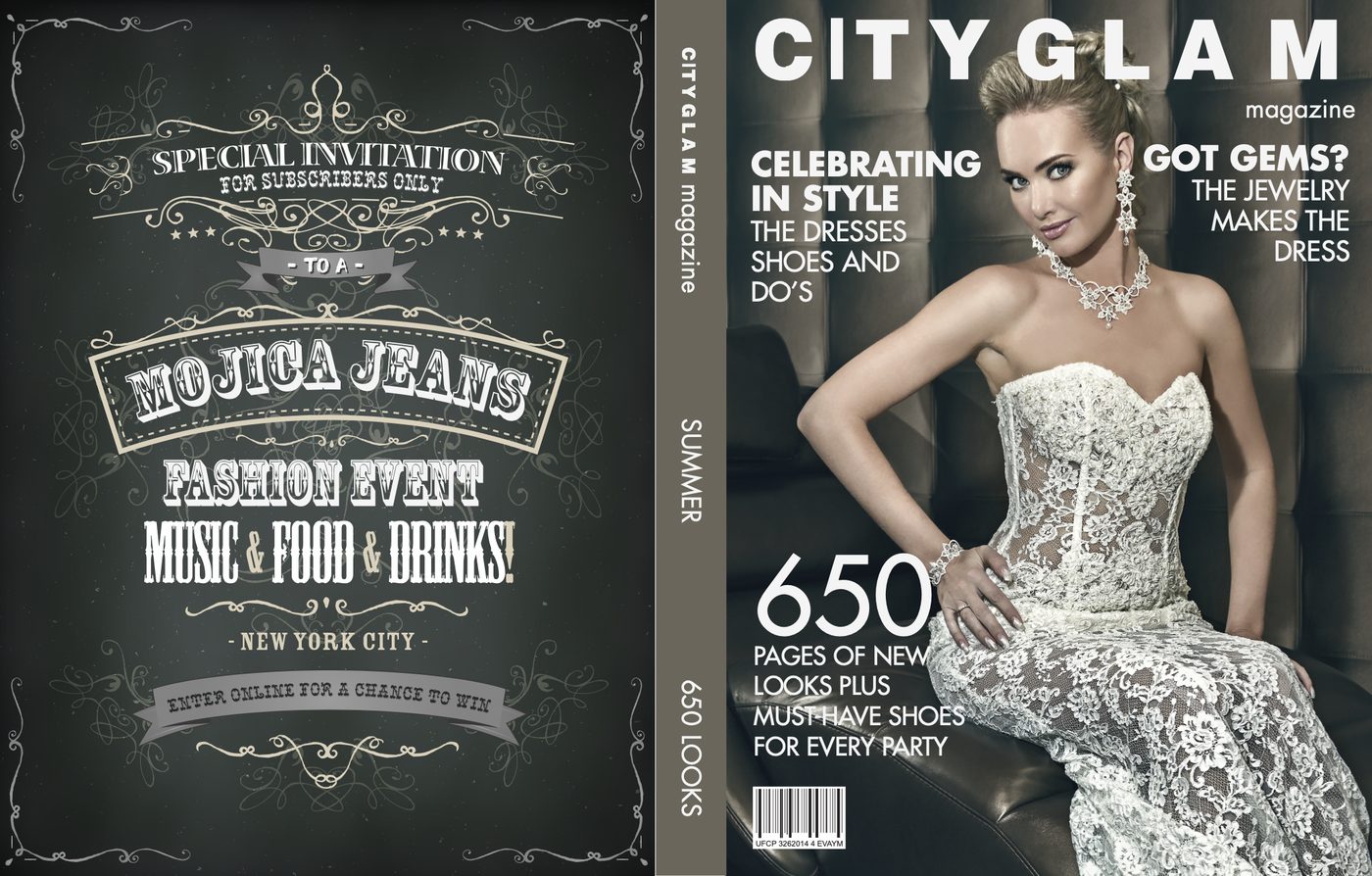
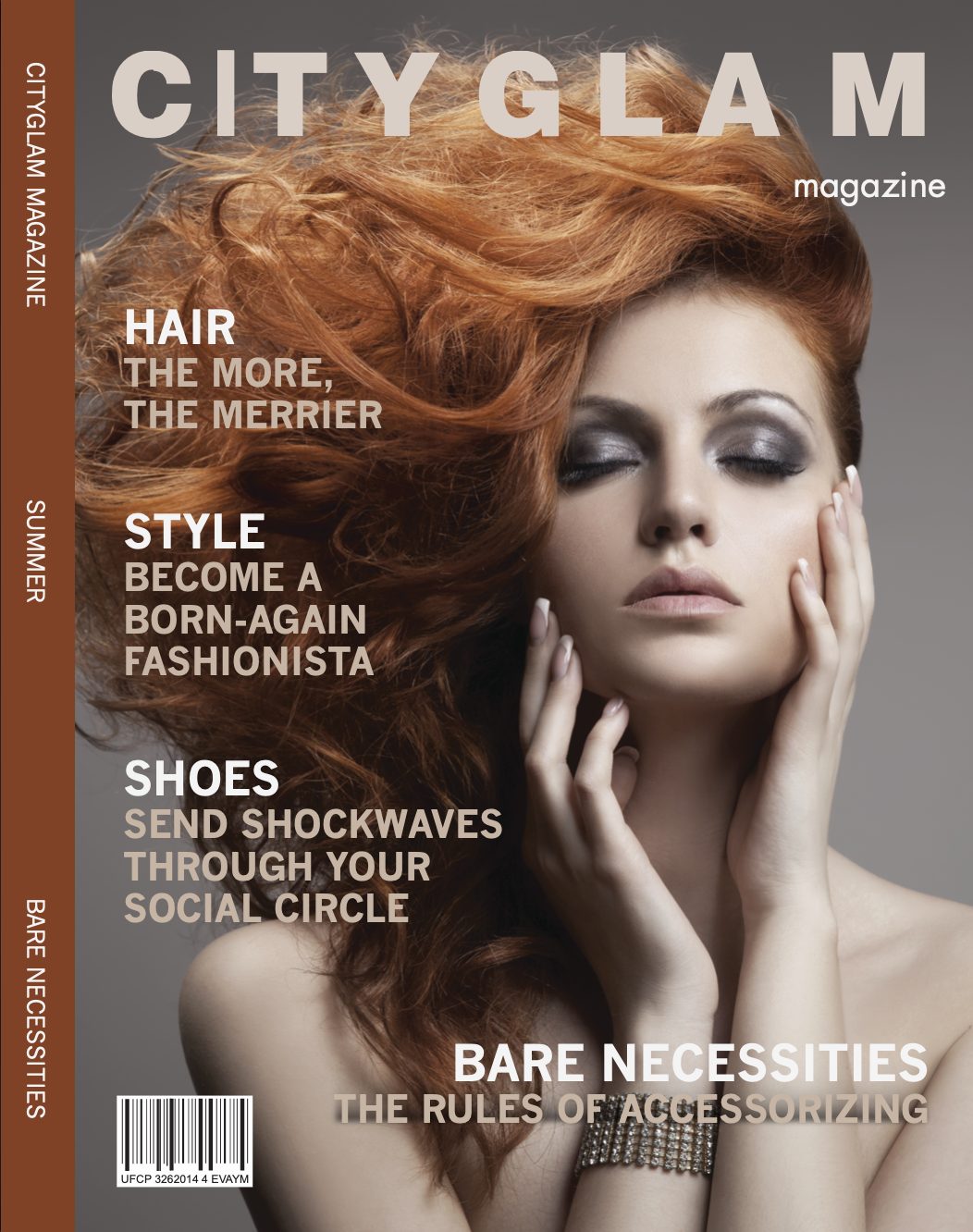
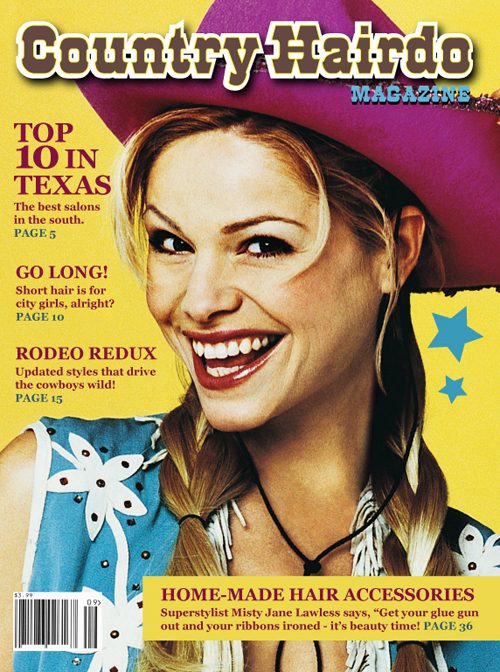
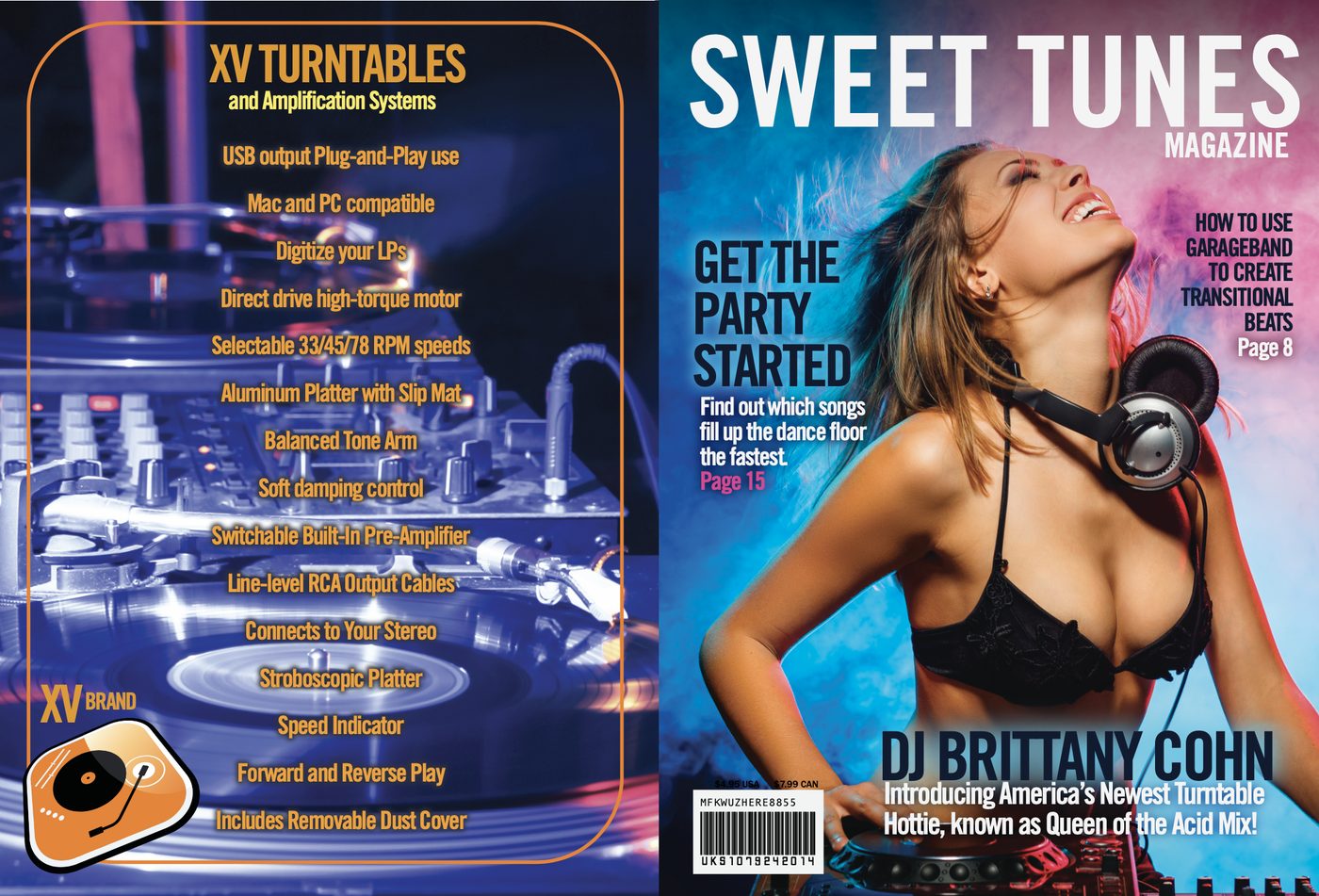
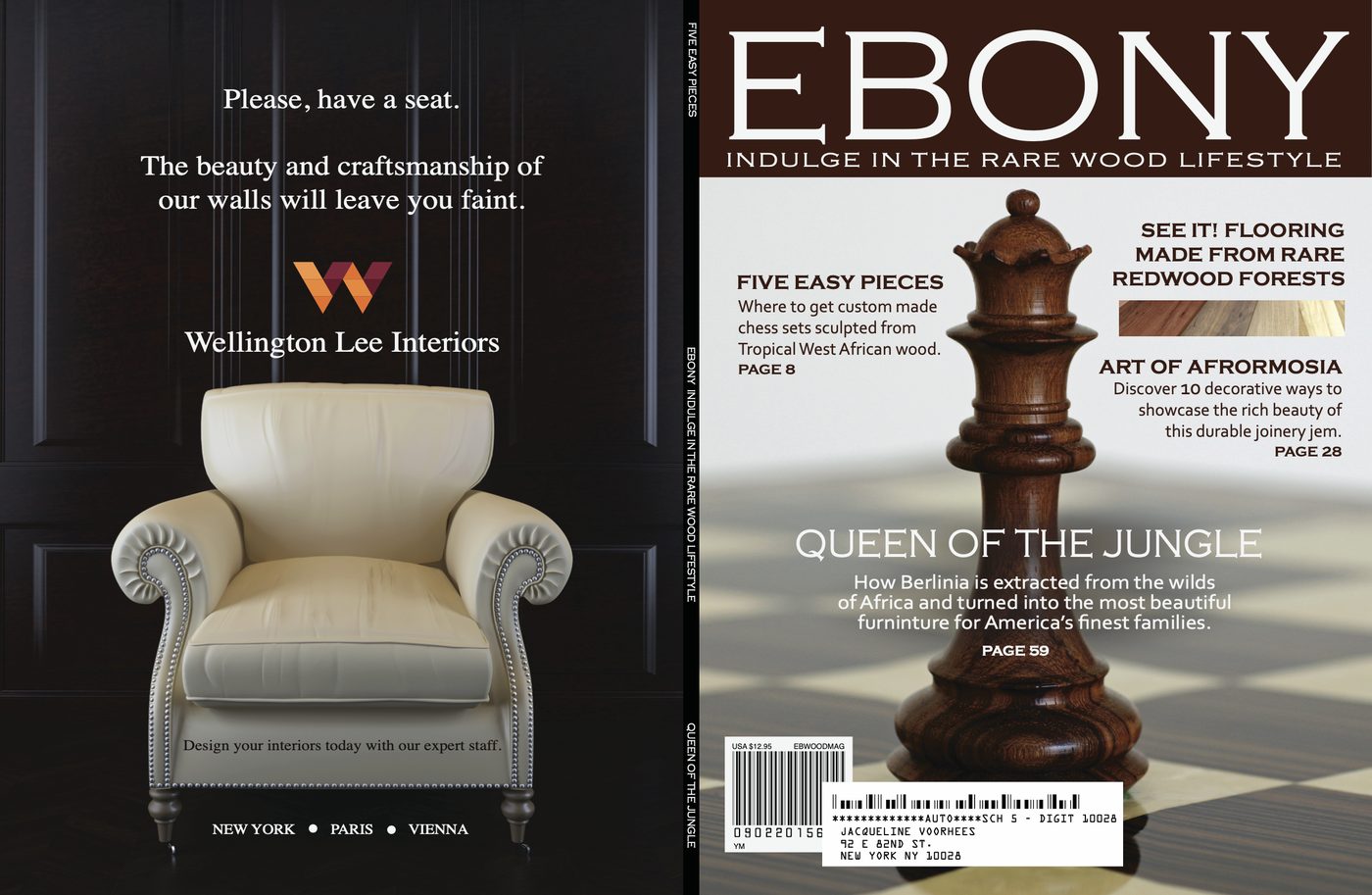
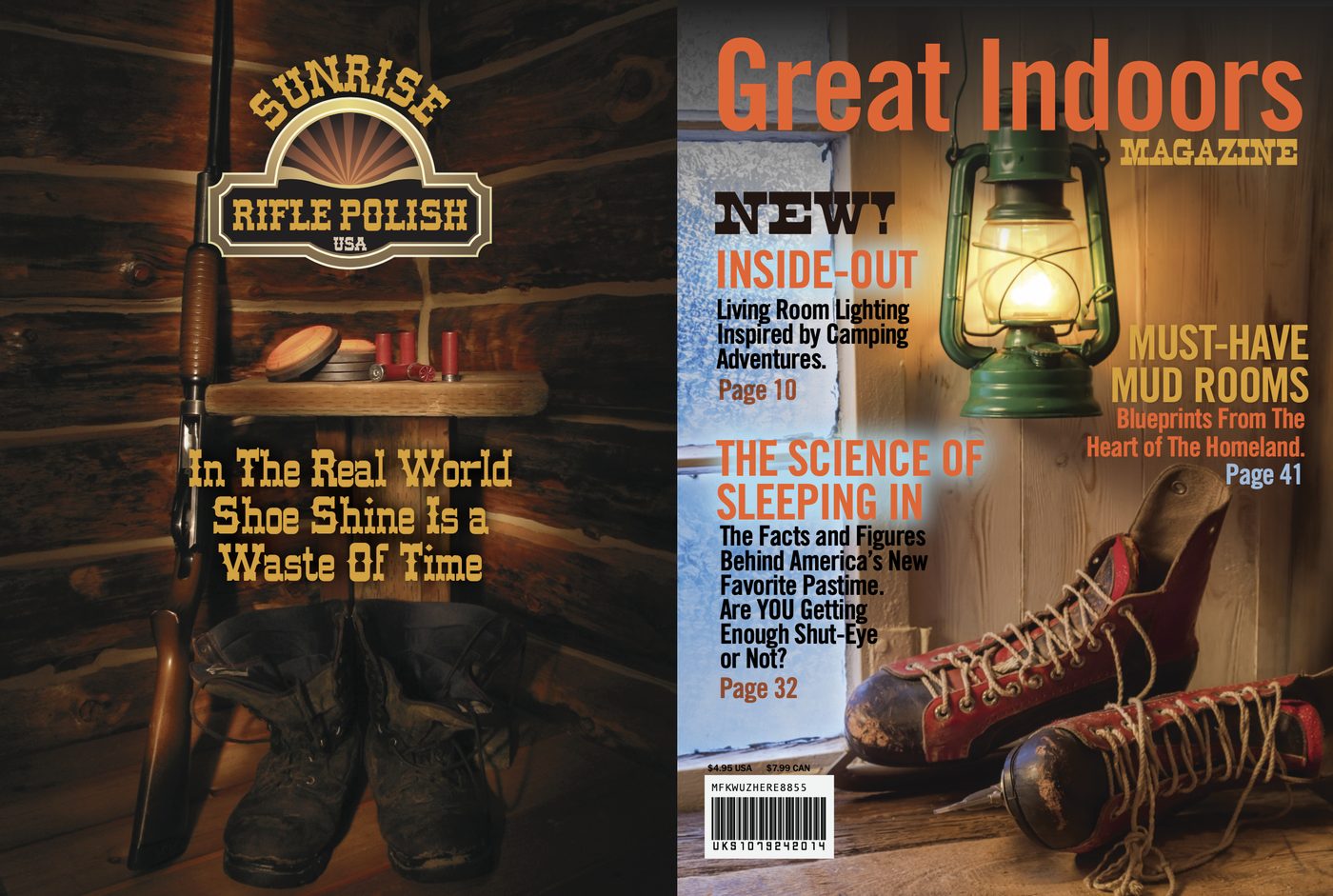
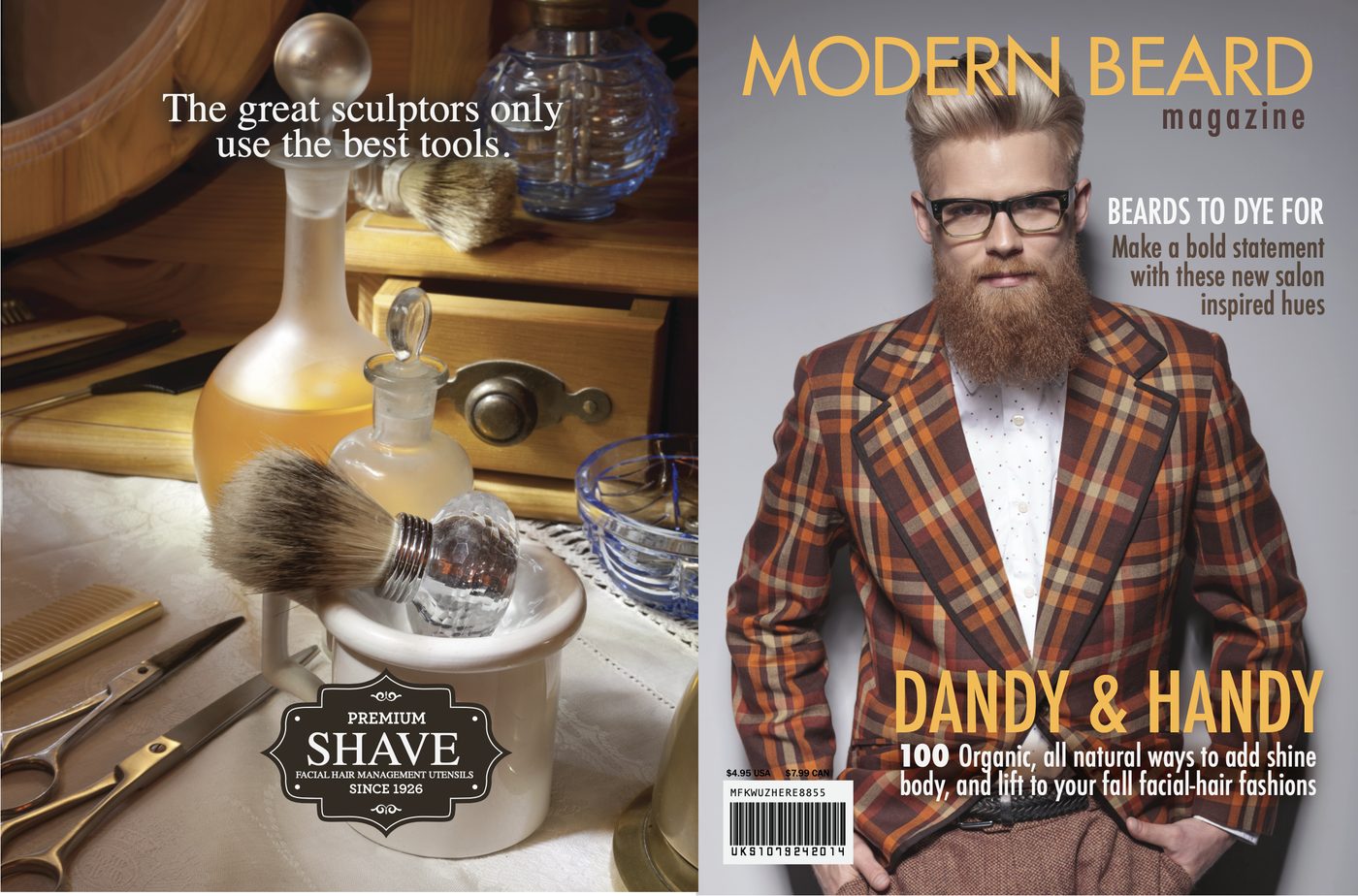
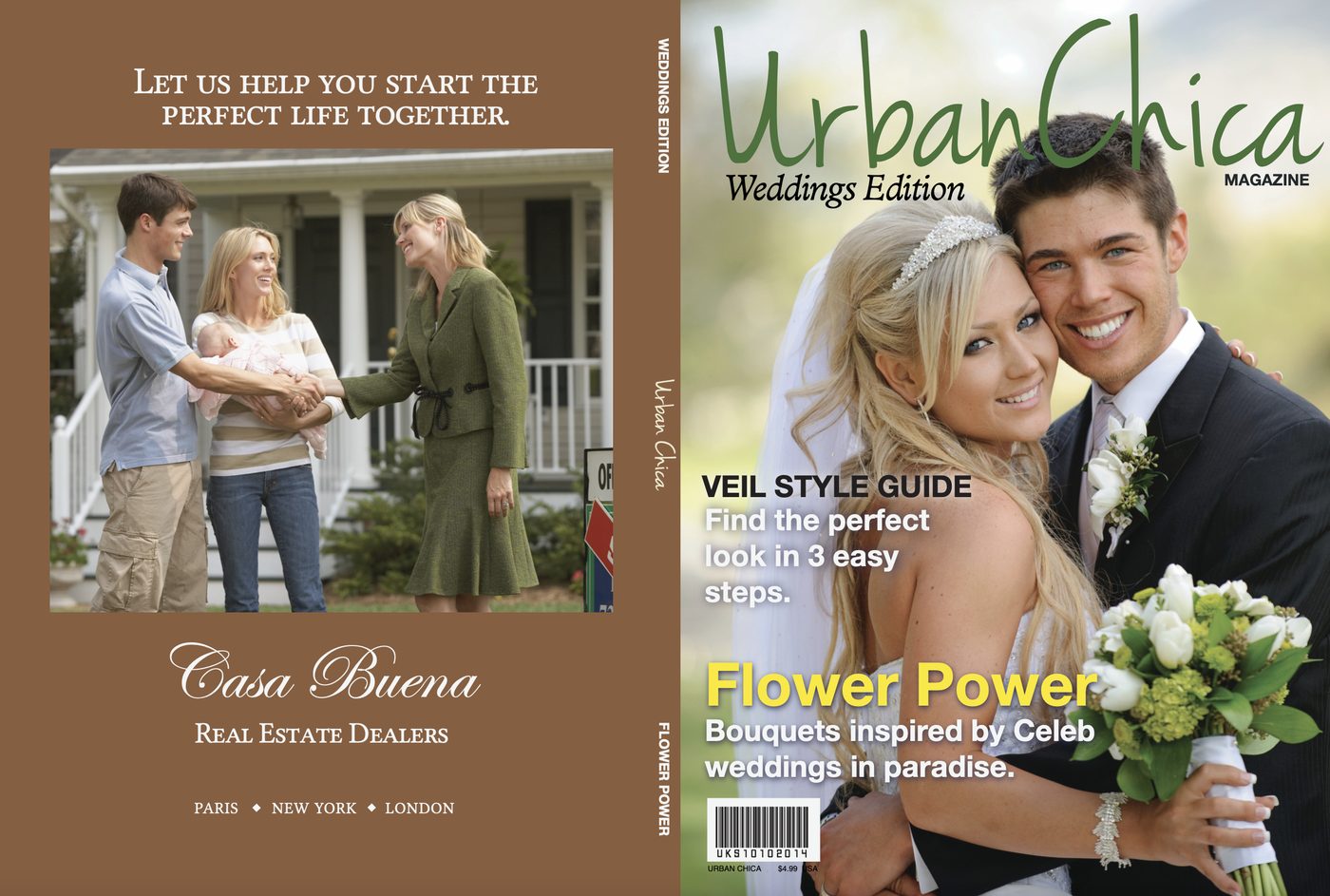
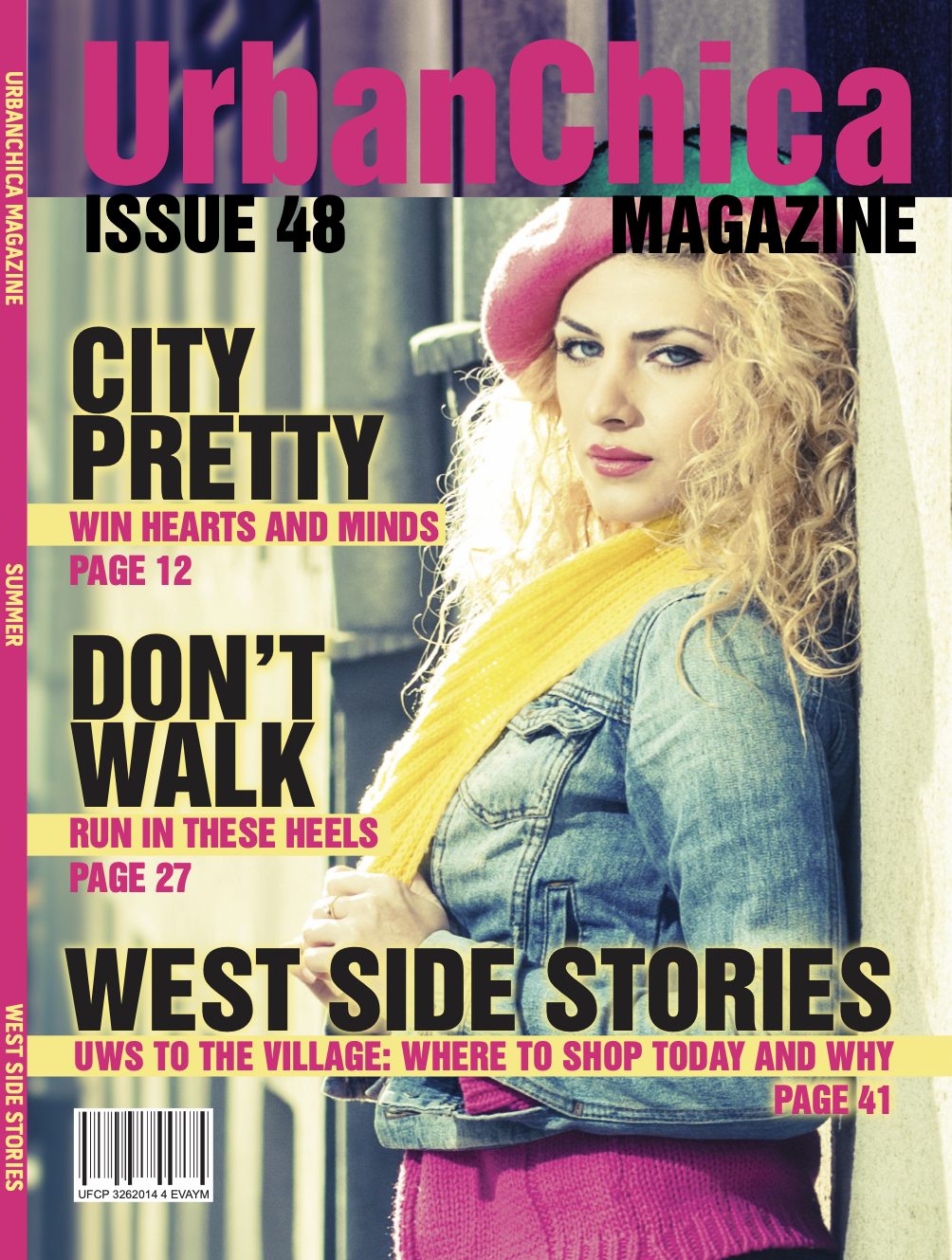
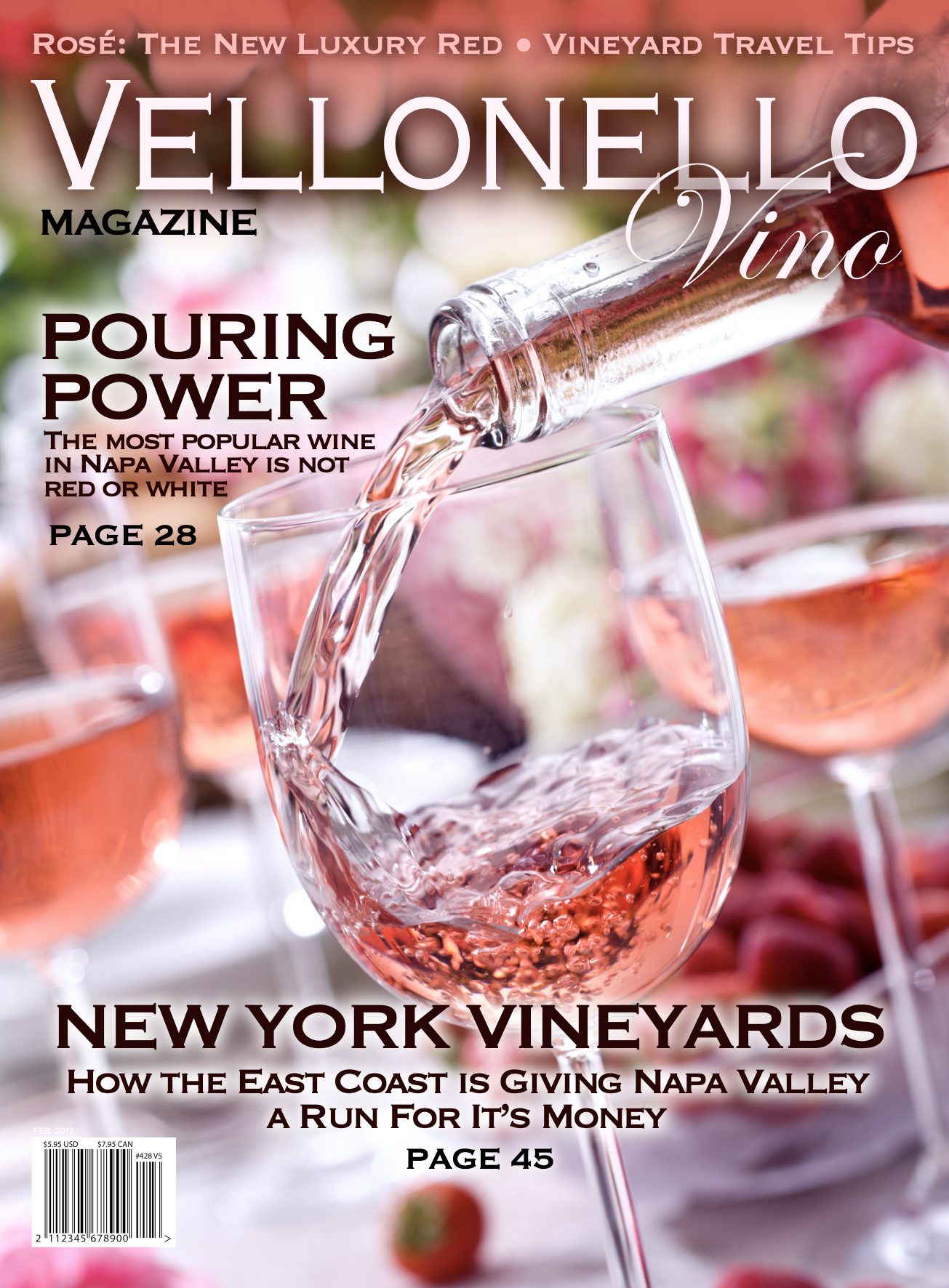
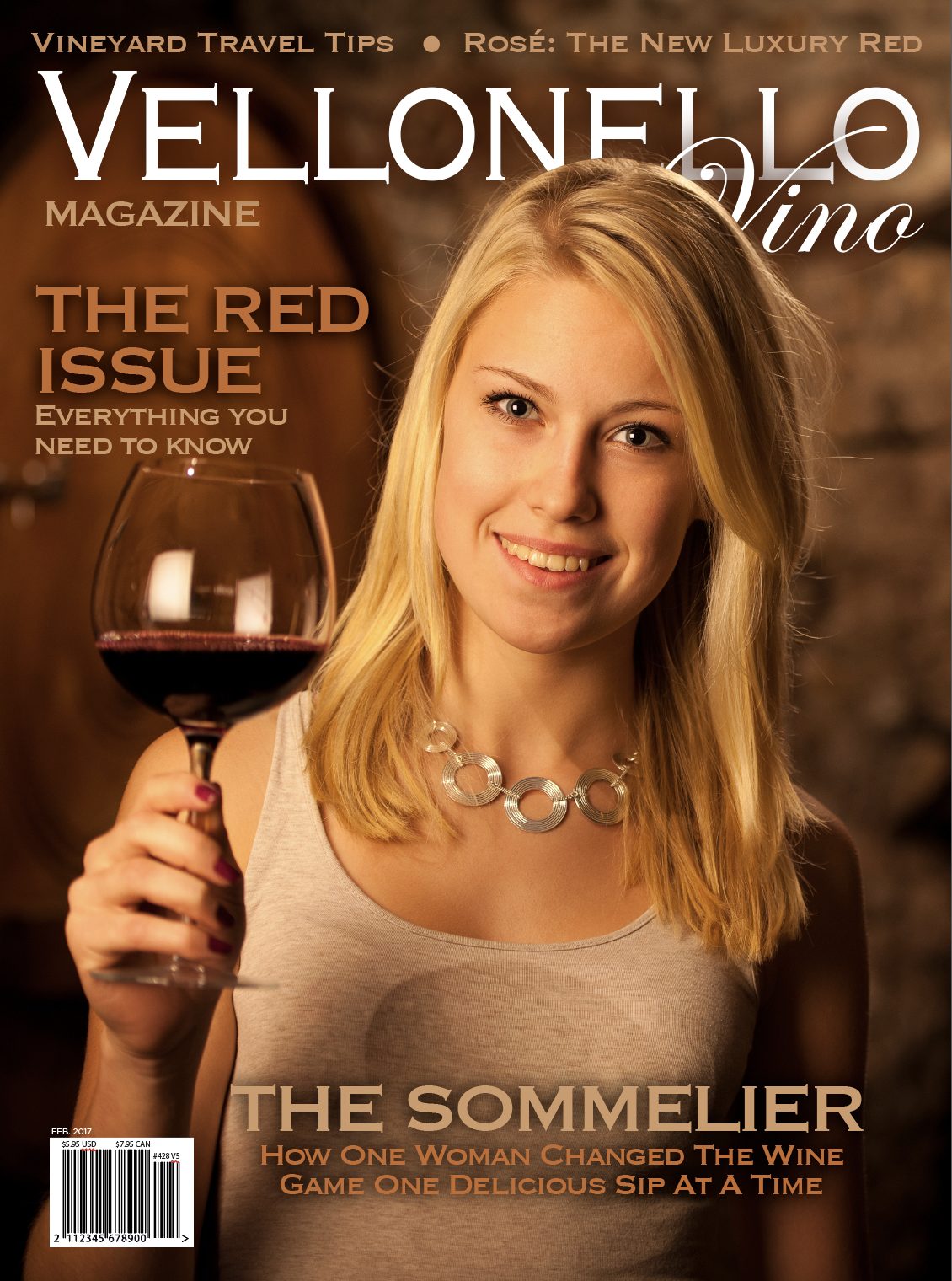
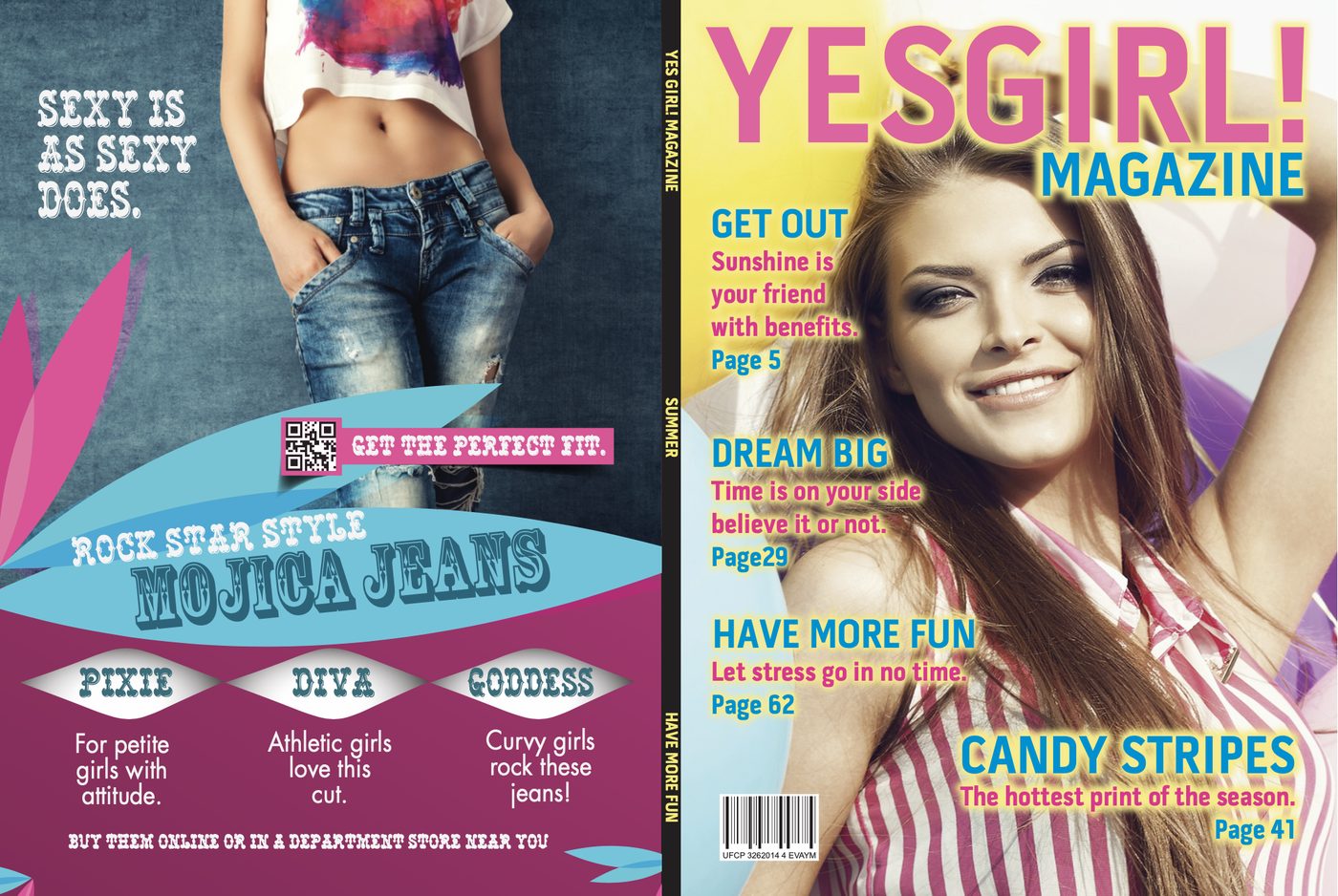
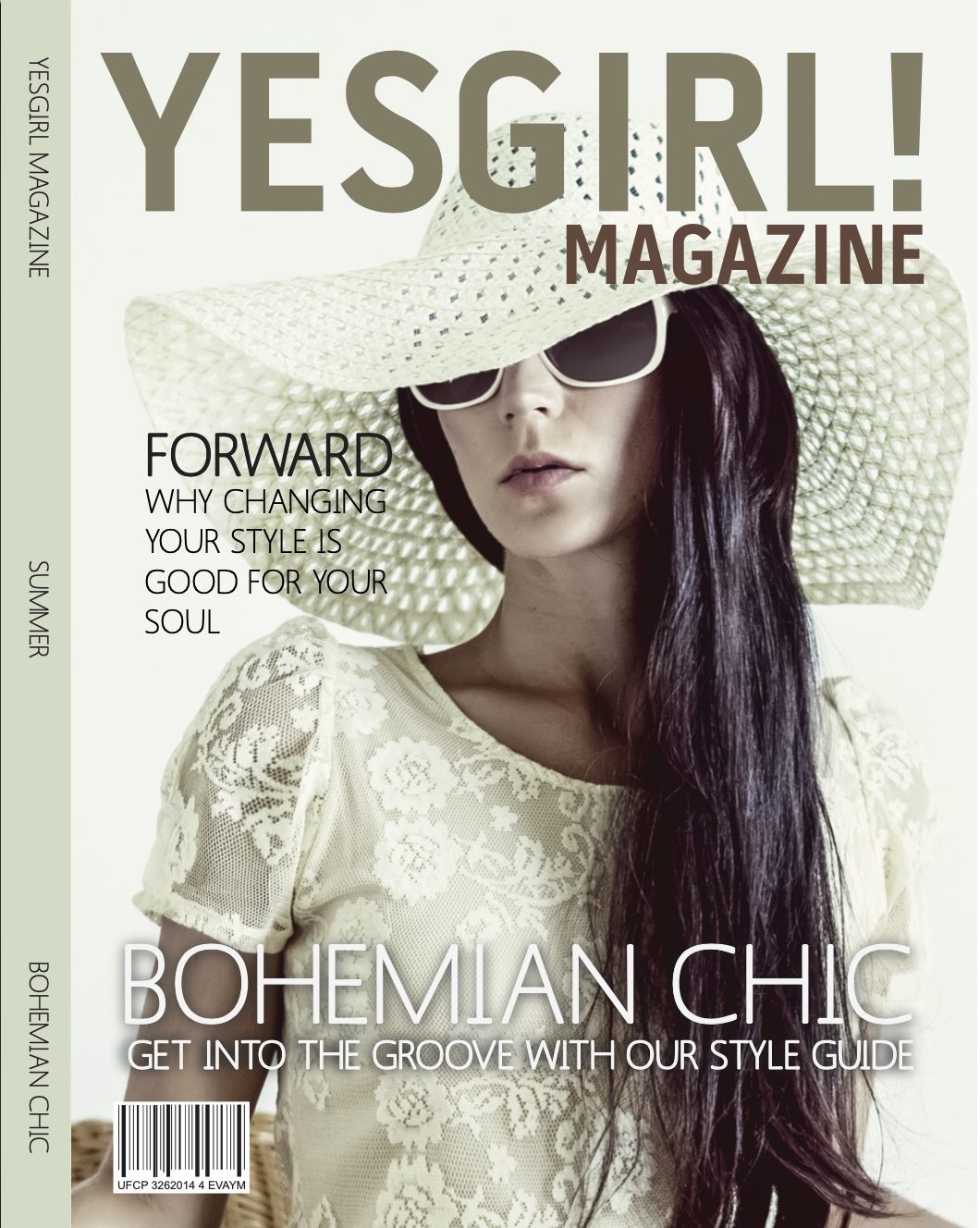
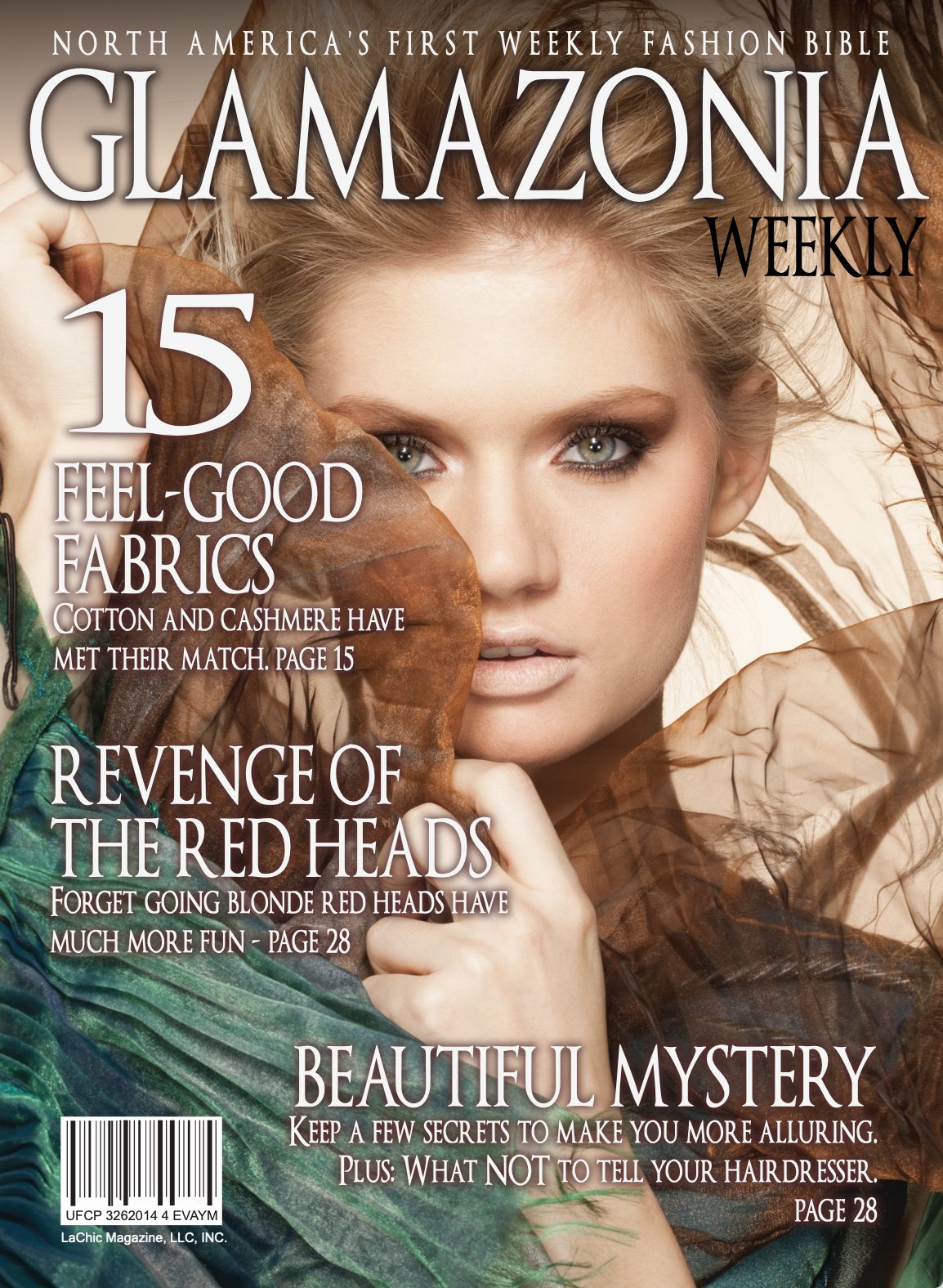
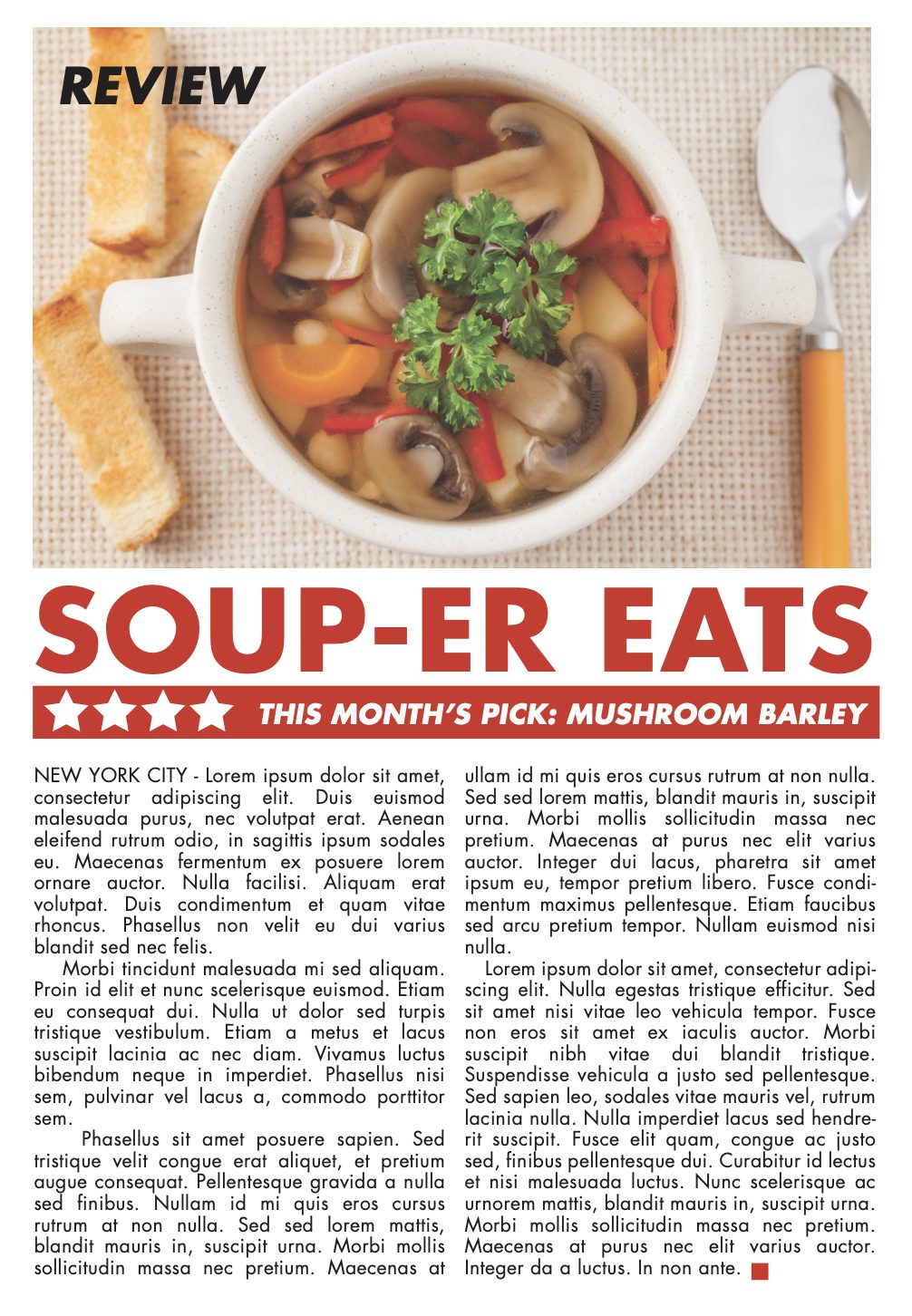
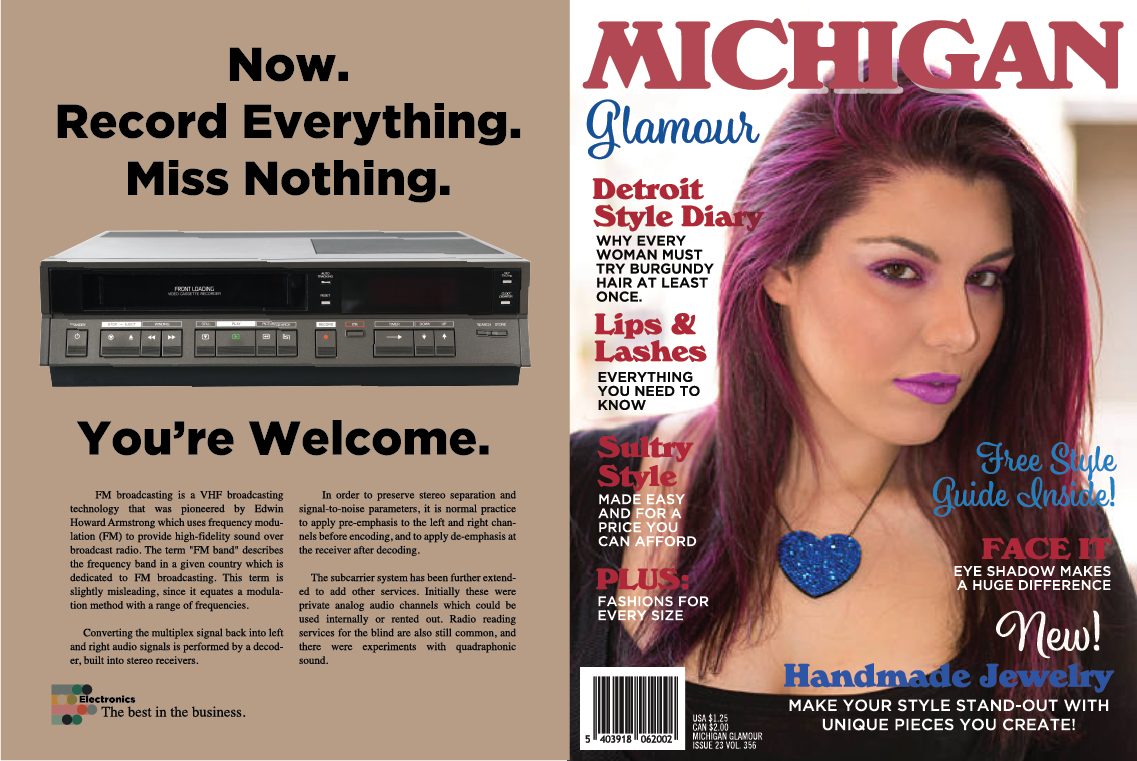
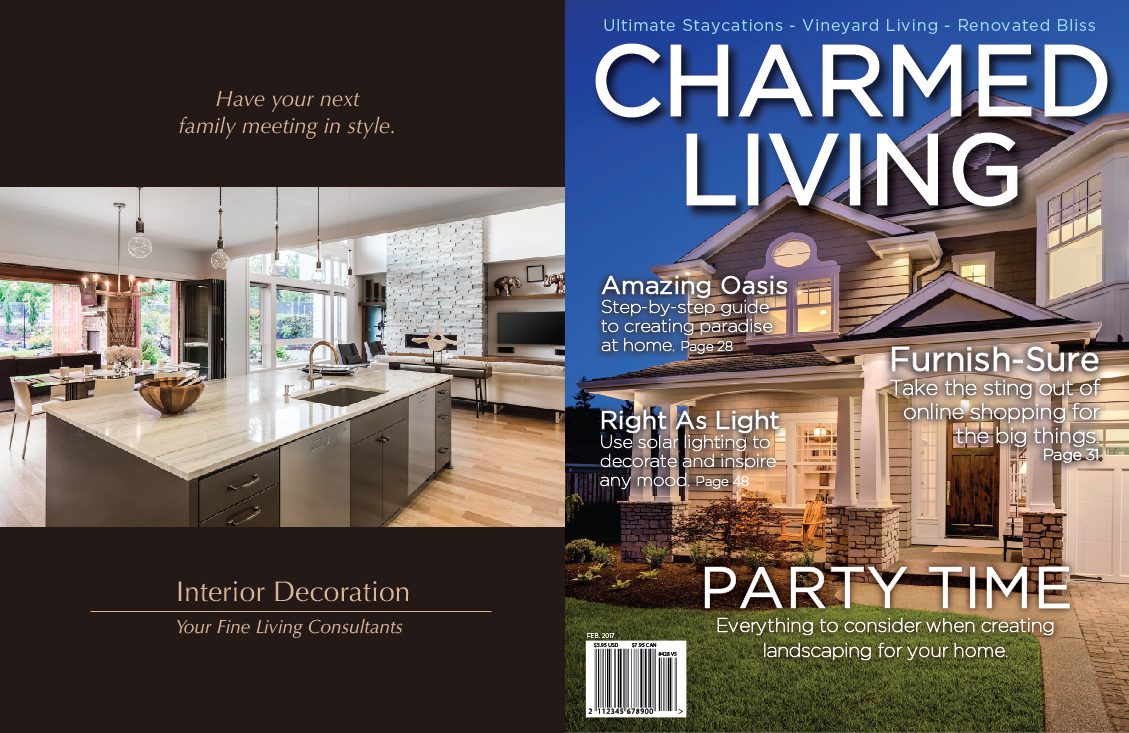
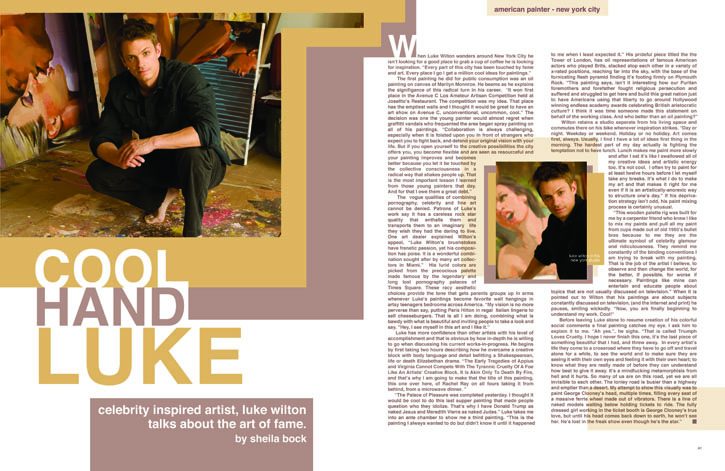
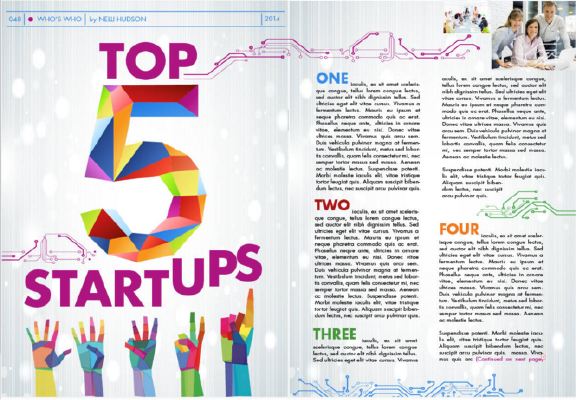
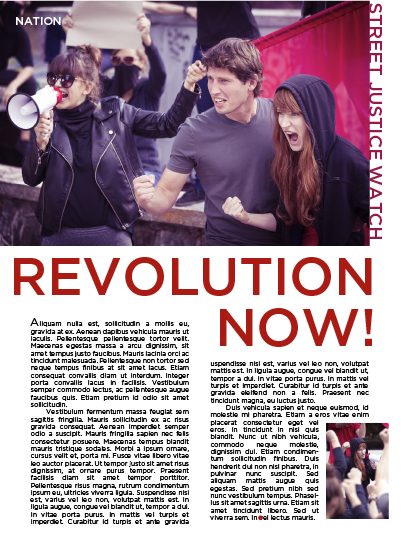
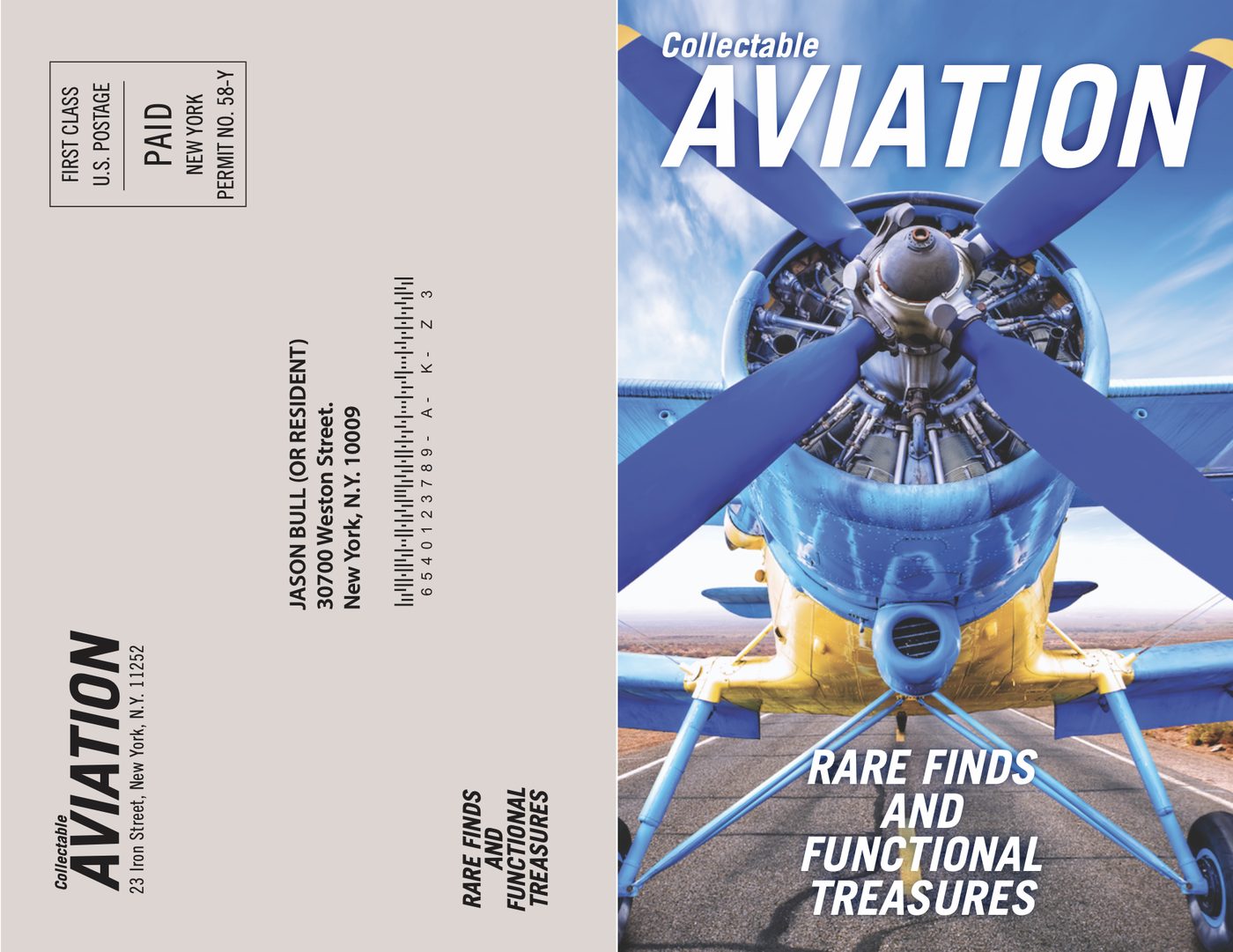
The bulk of the job: covers and spreads built to dress a newsstand, a waiting room or a coffee table. Each one has to belong to a real category — fashion, fitness, shelter, trade — without belonging to a real title.


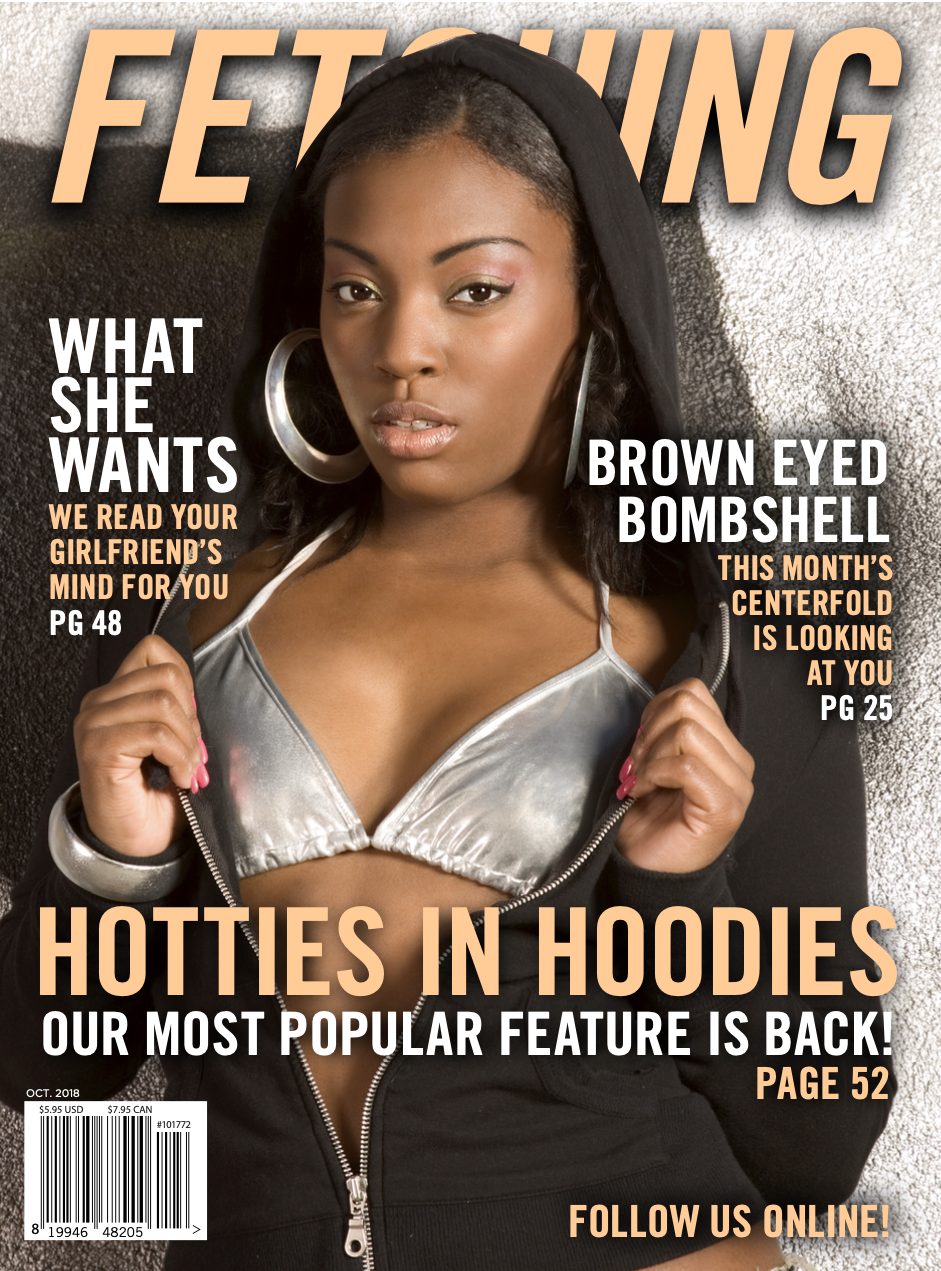
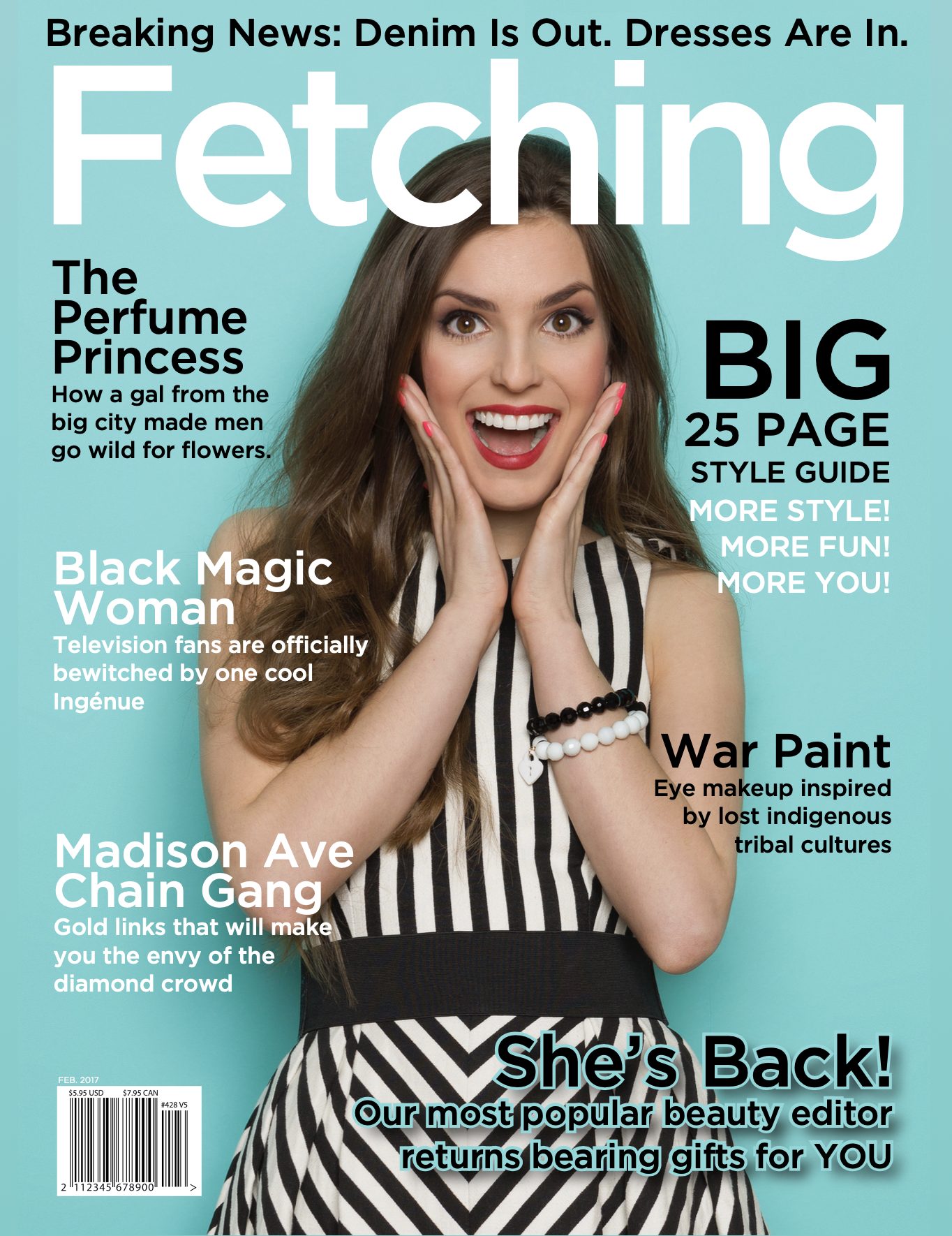
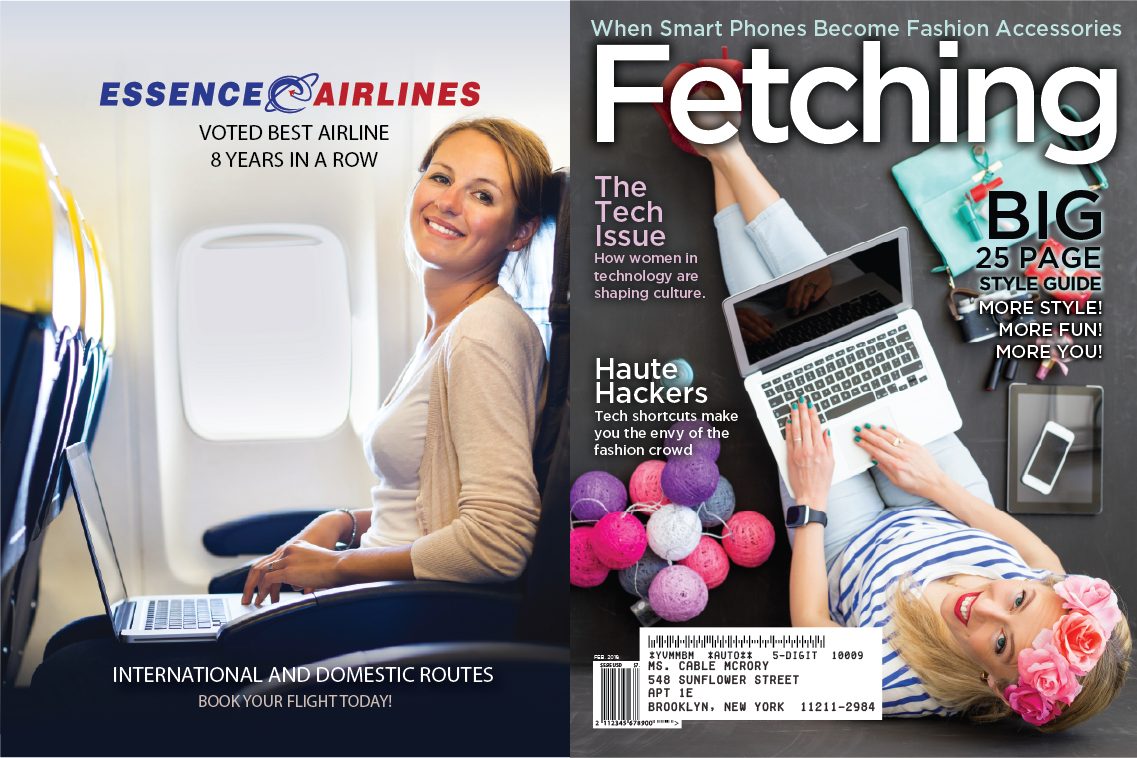
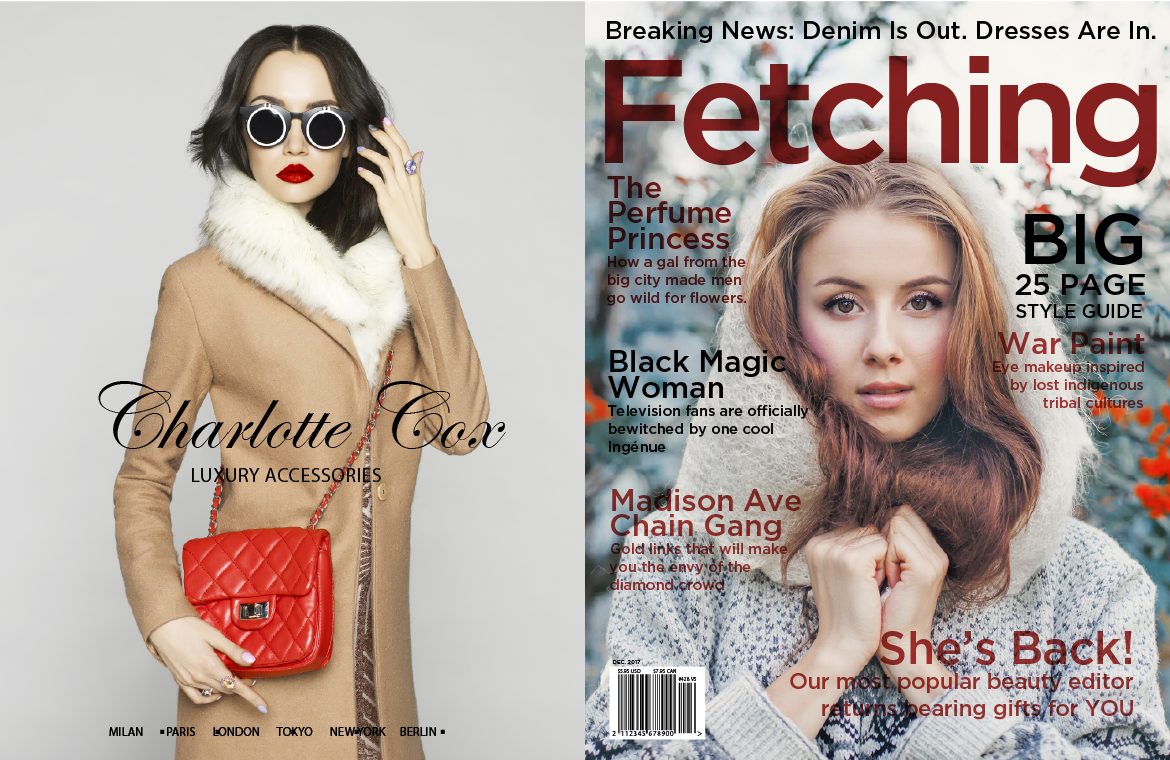
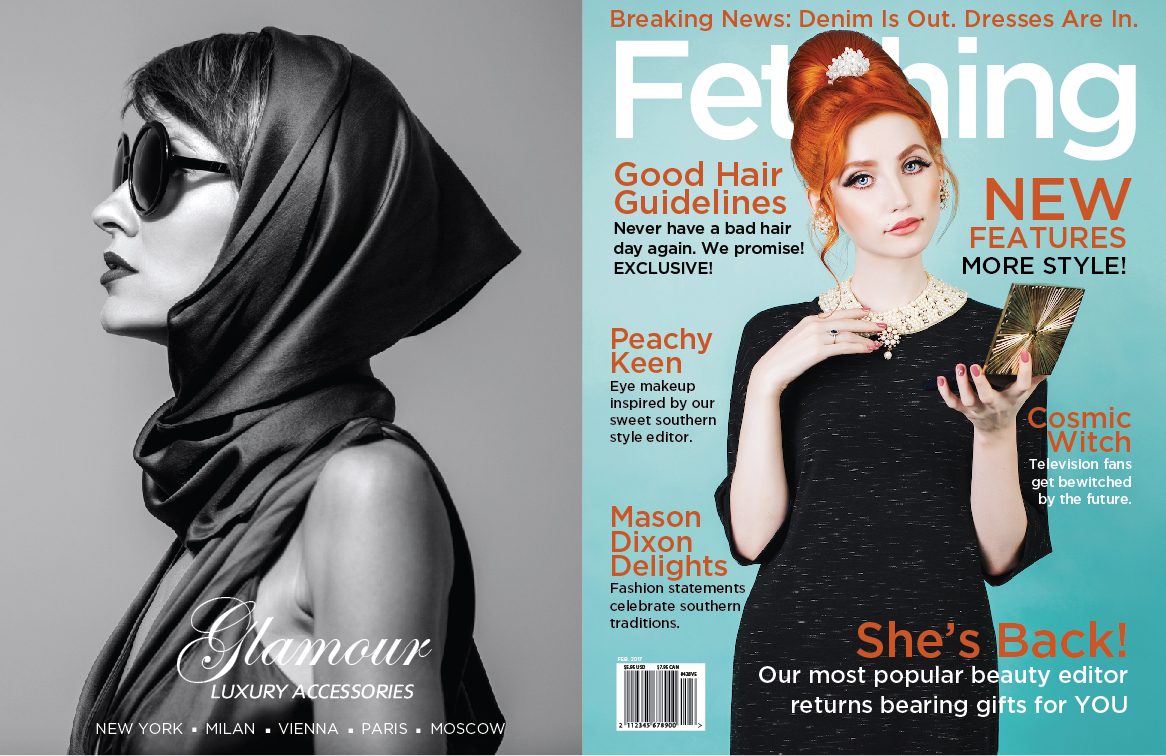
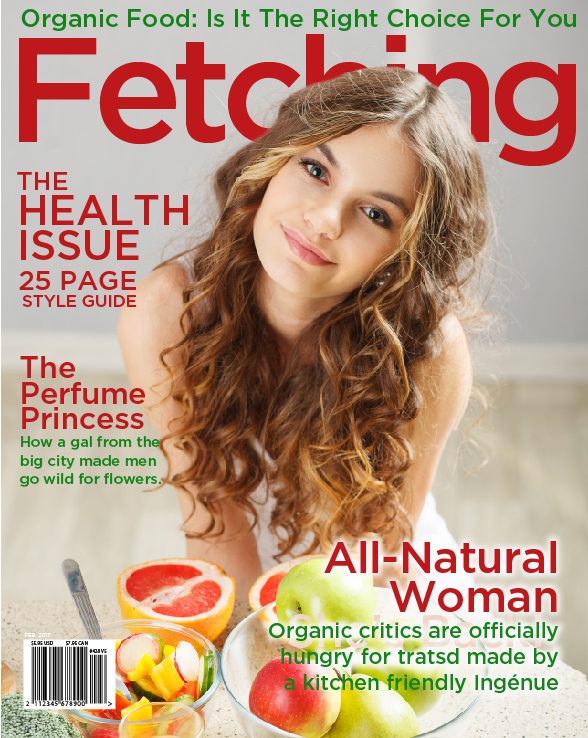
Fetching
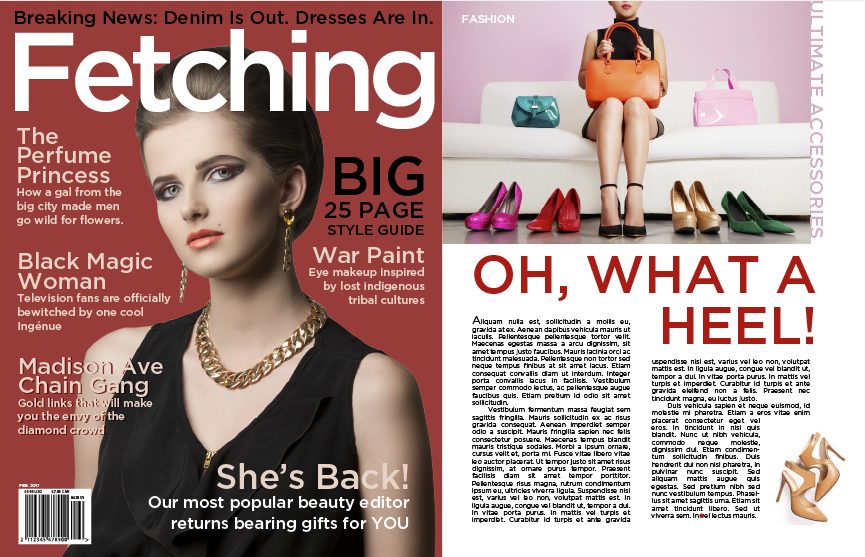
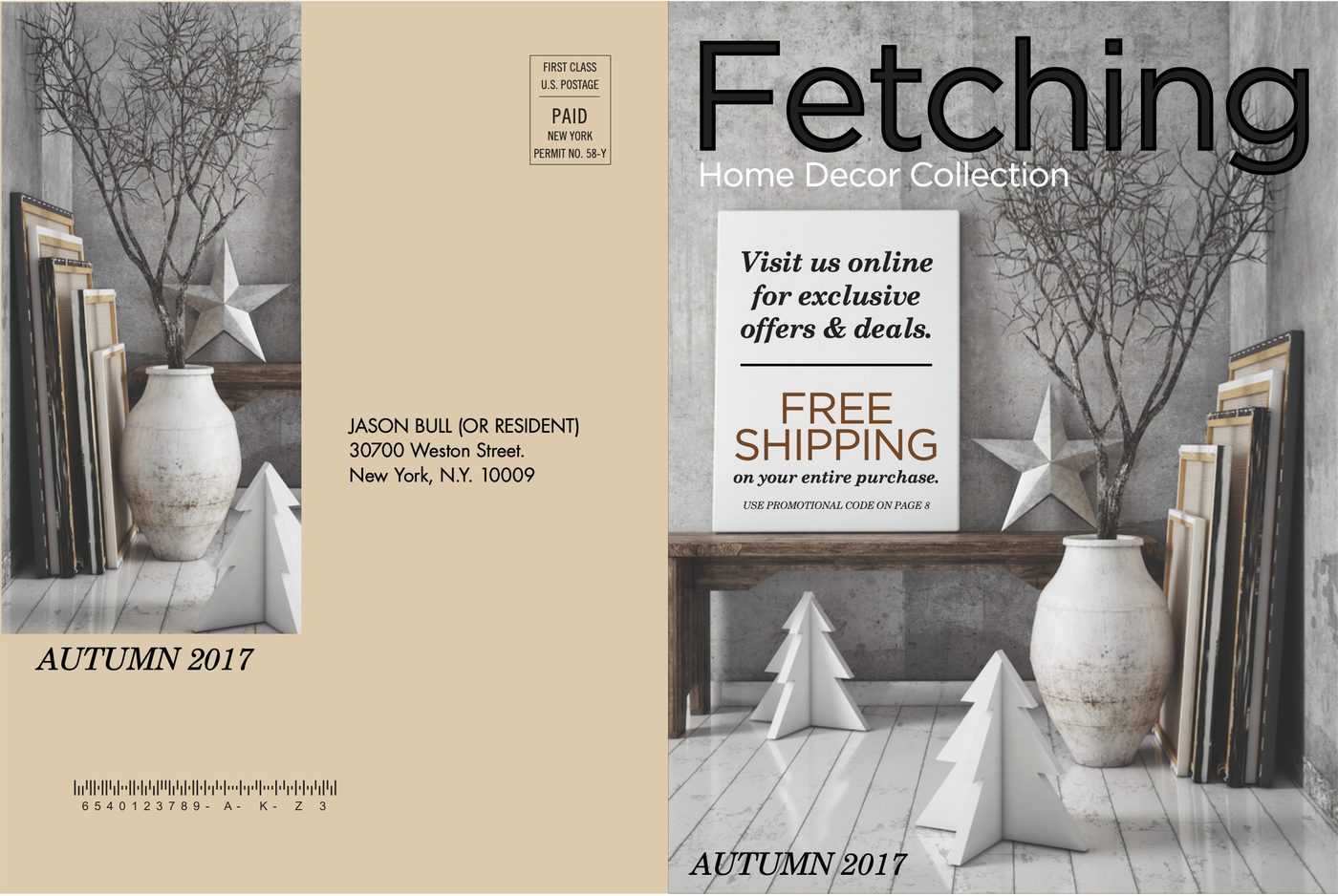
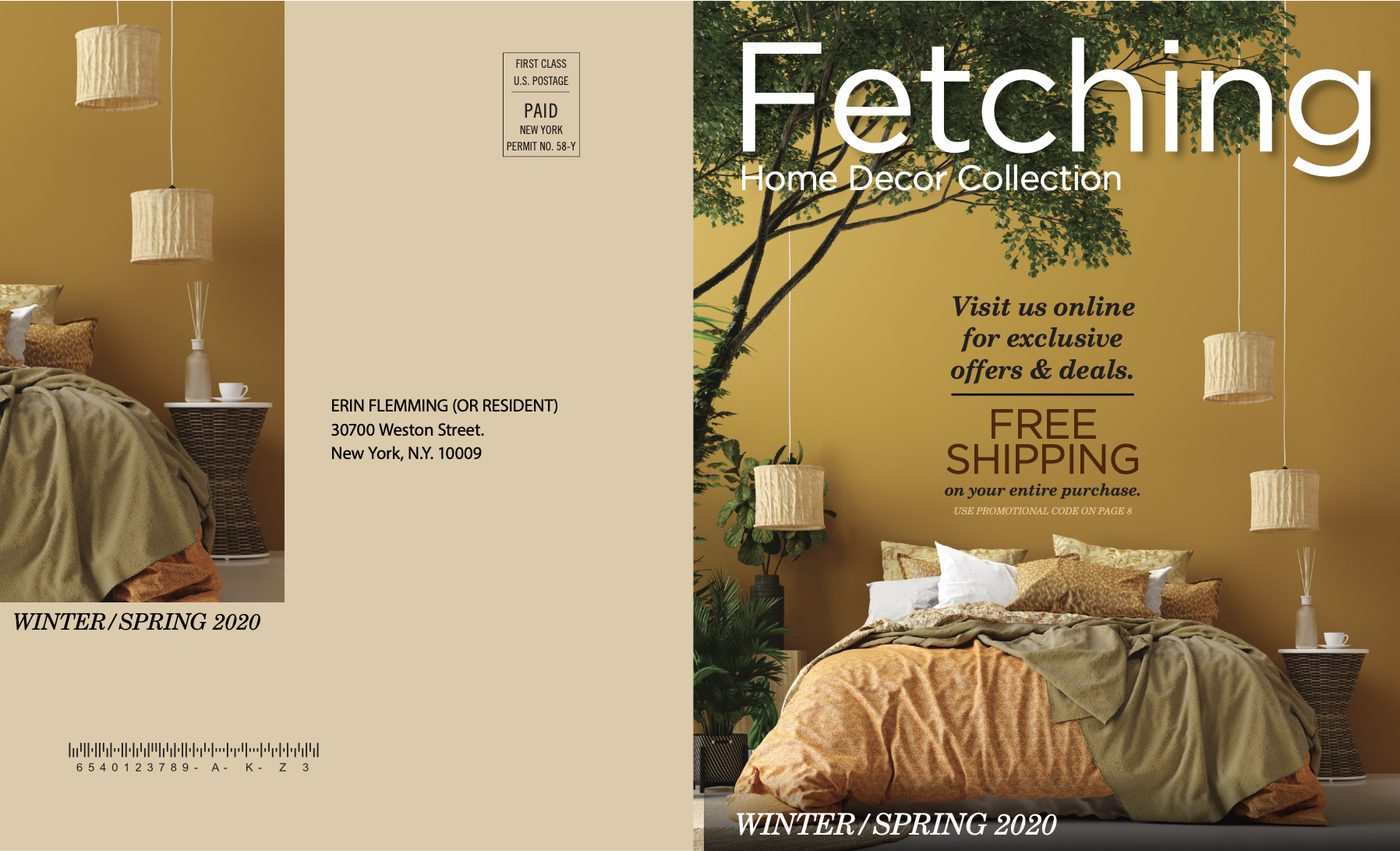
One invented title carried across covers, spreads and a home-decor catalogue, so the brand holds together wherever a scene needs it.
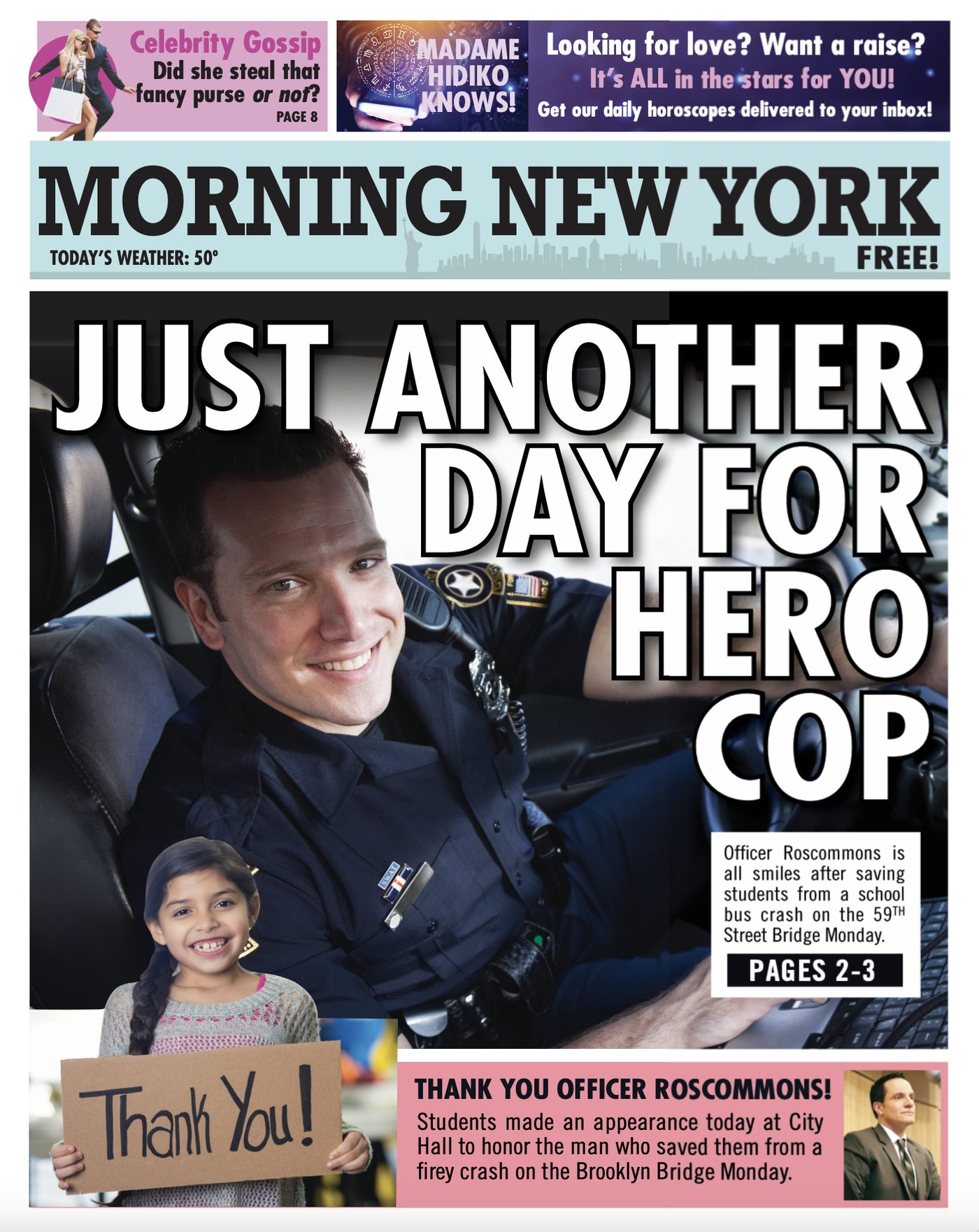
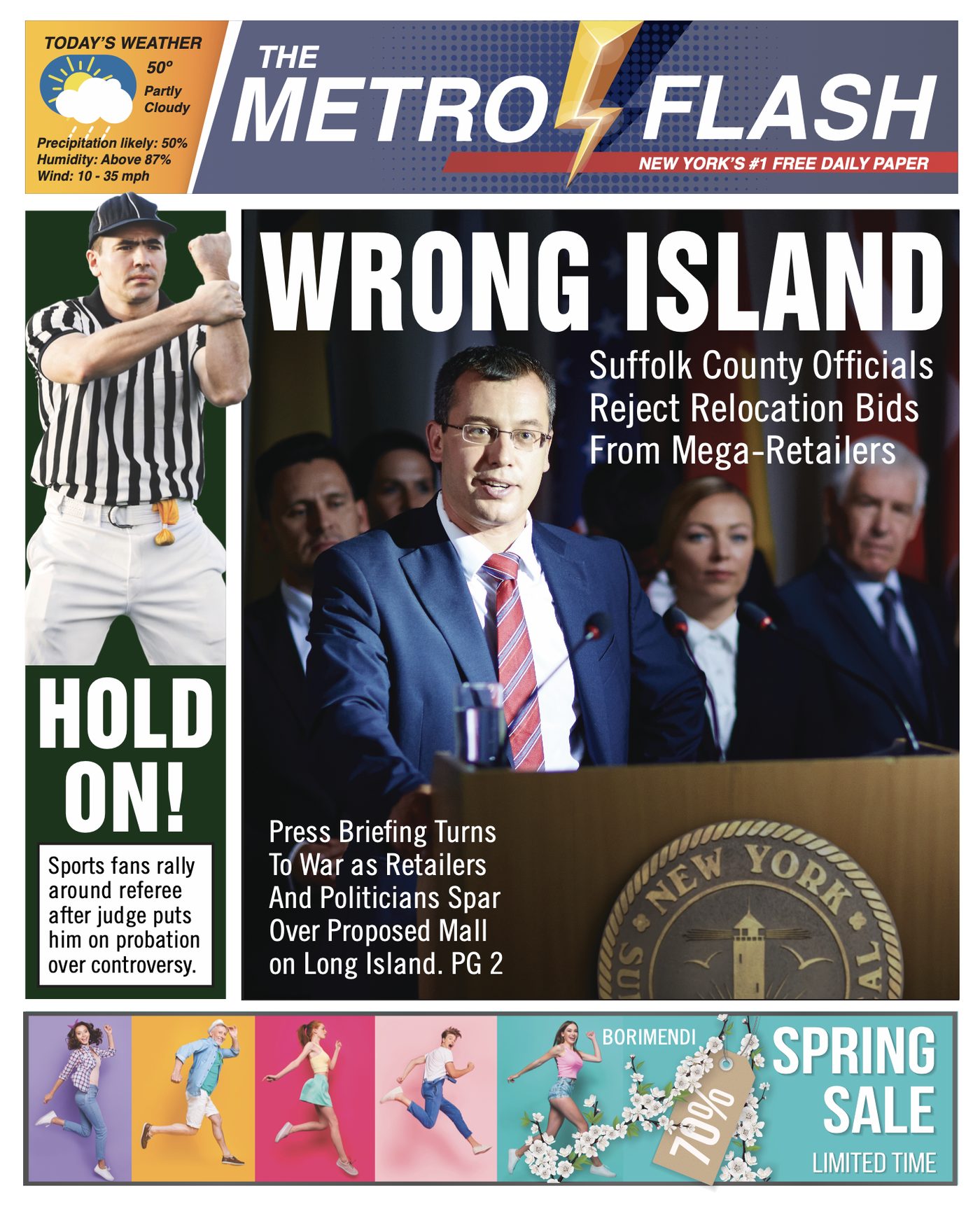
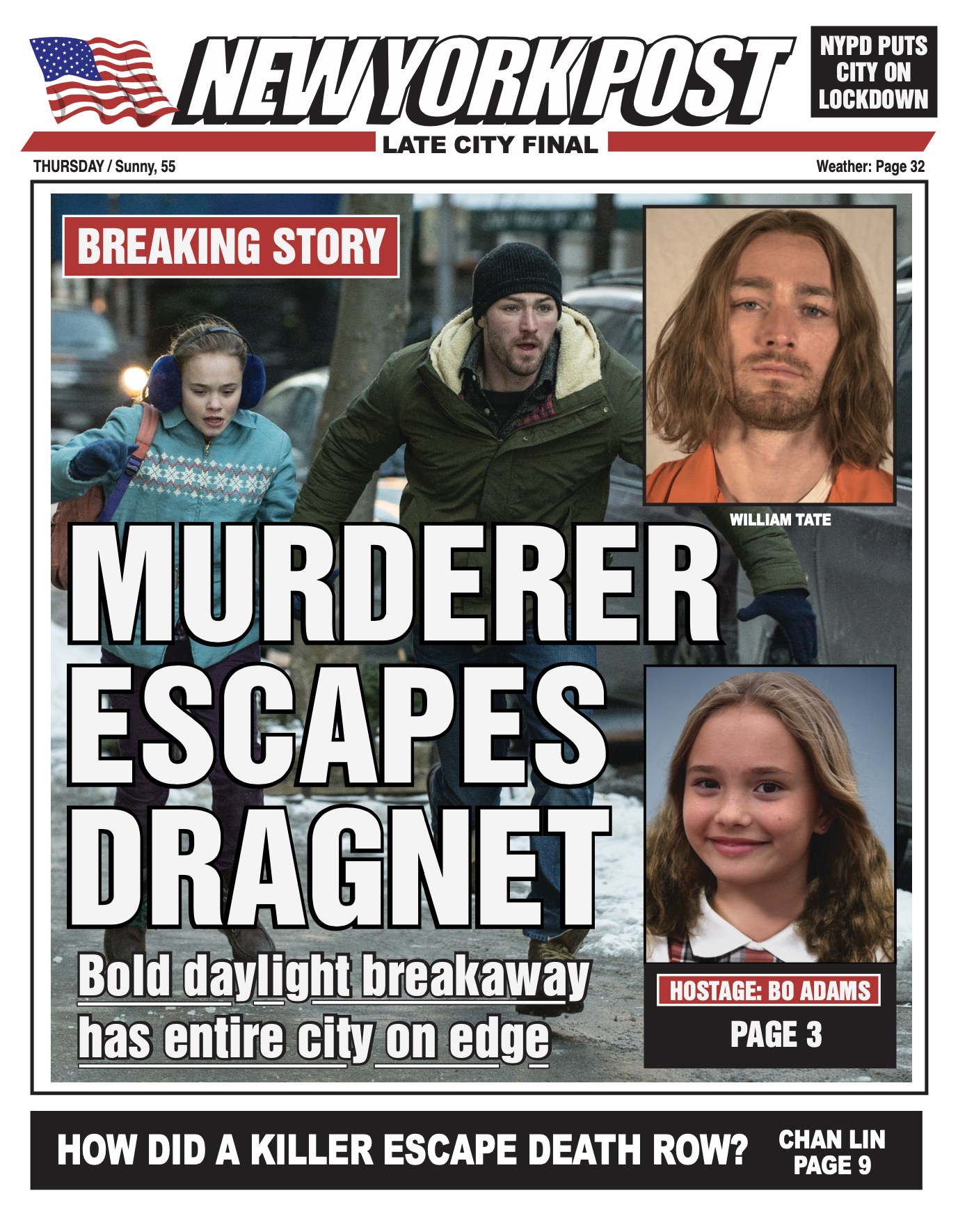
A week of front pages
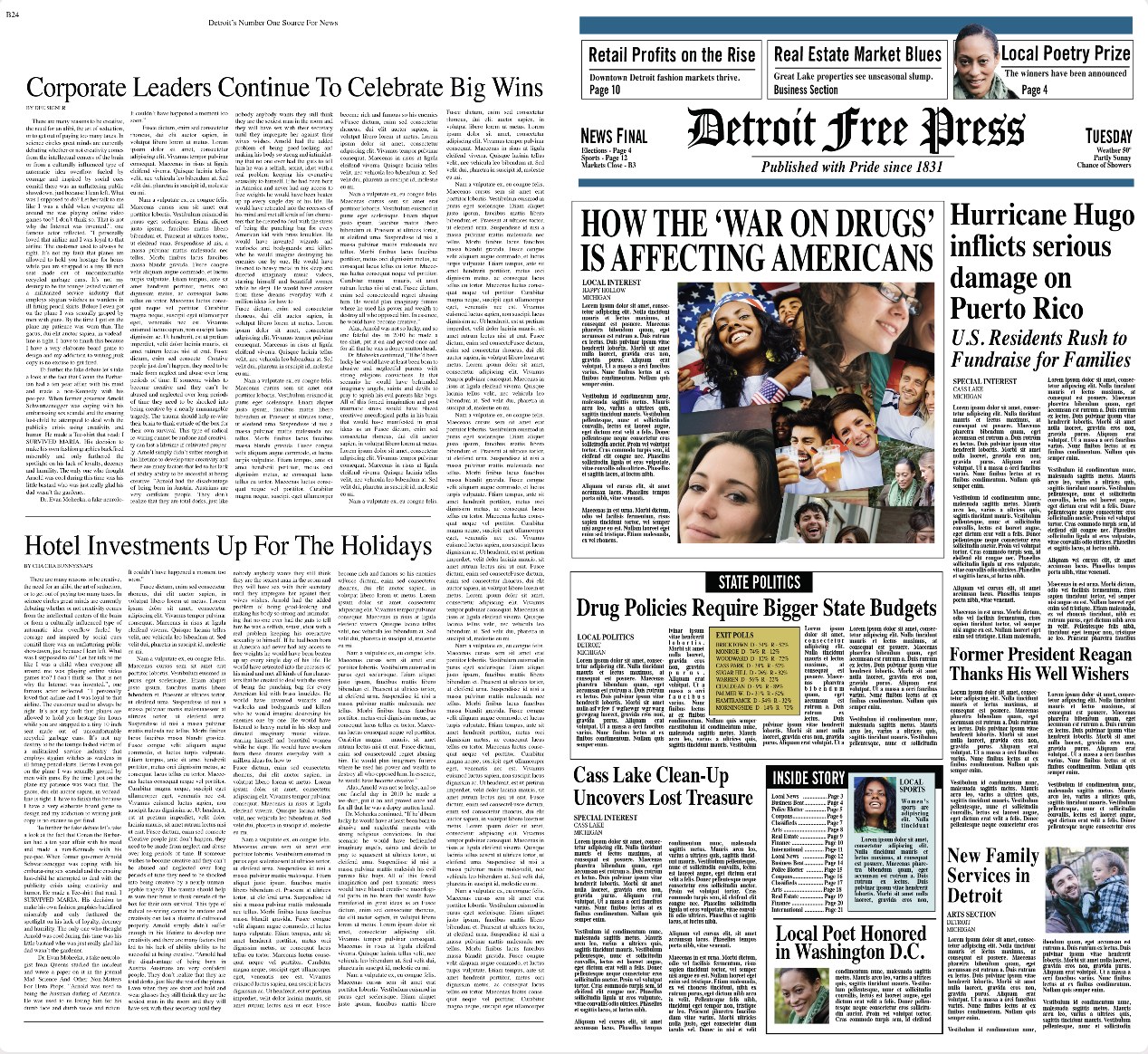
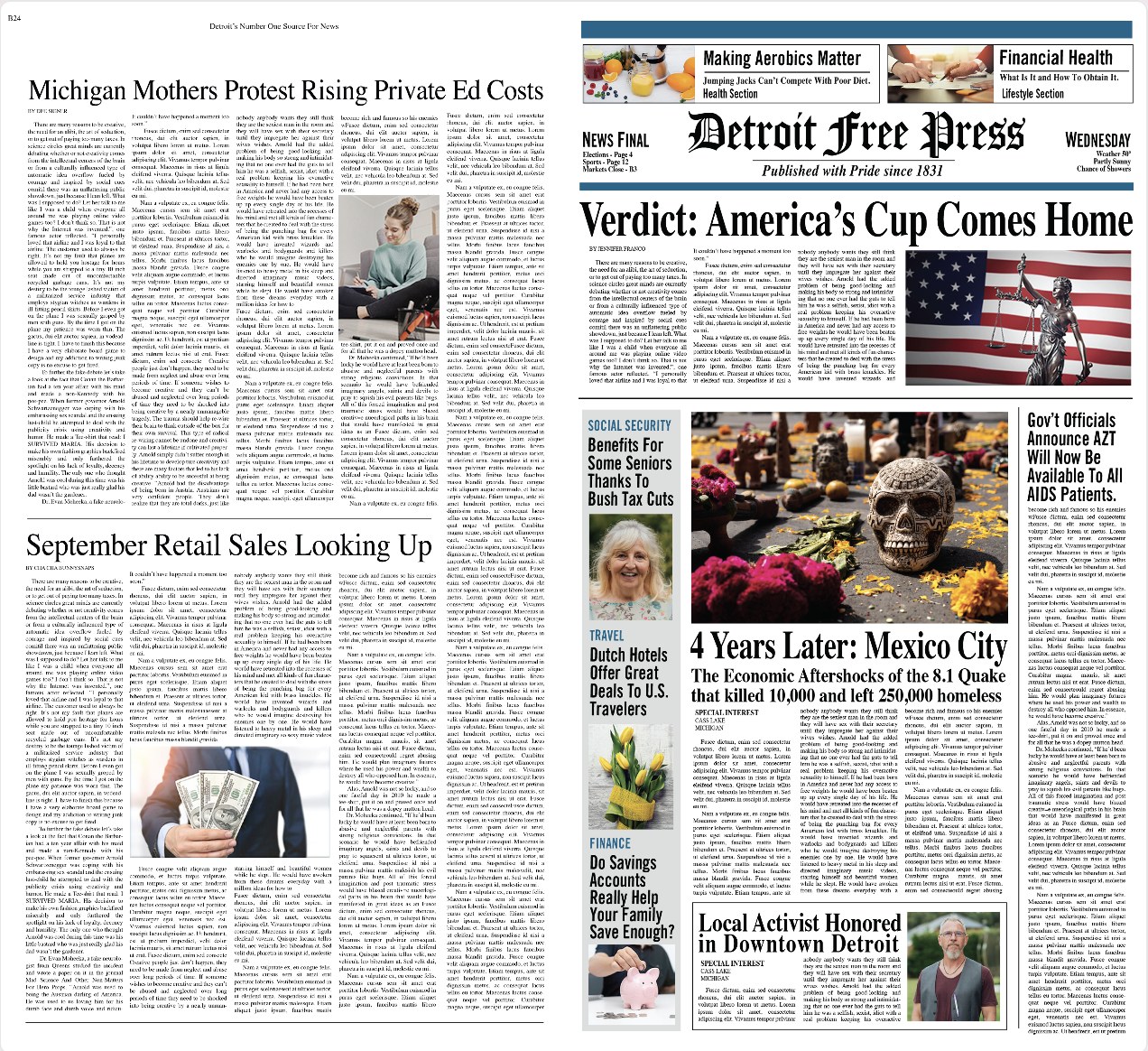
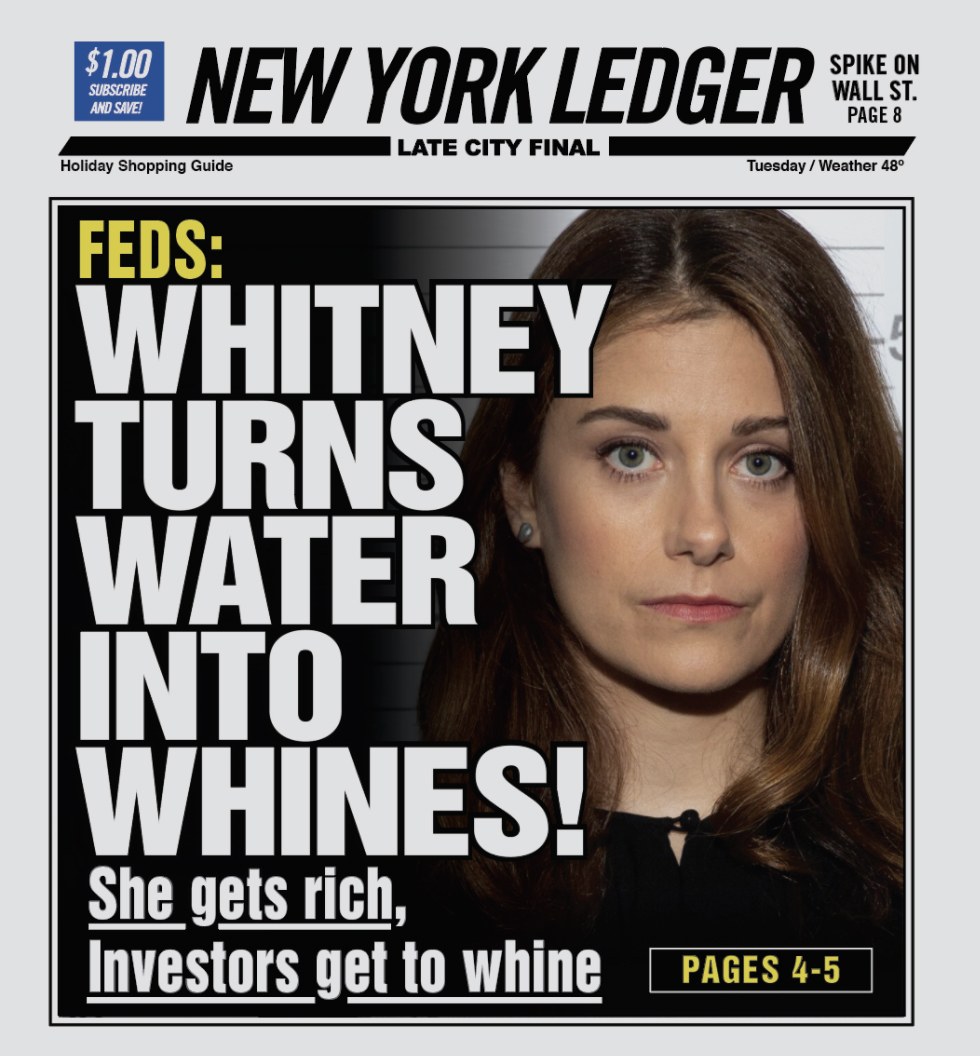
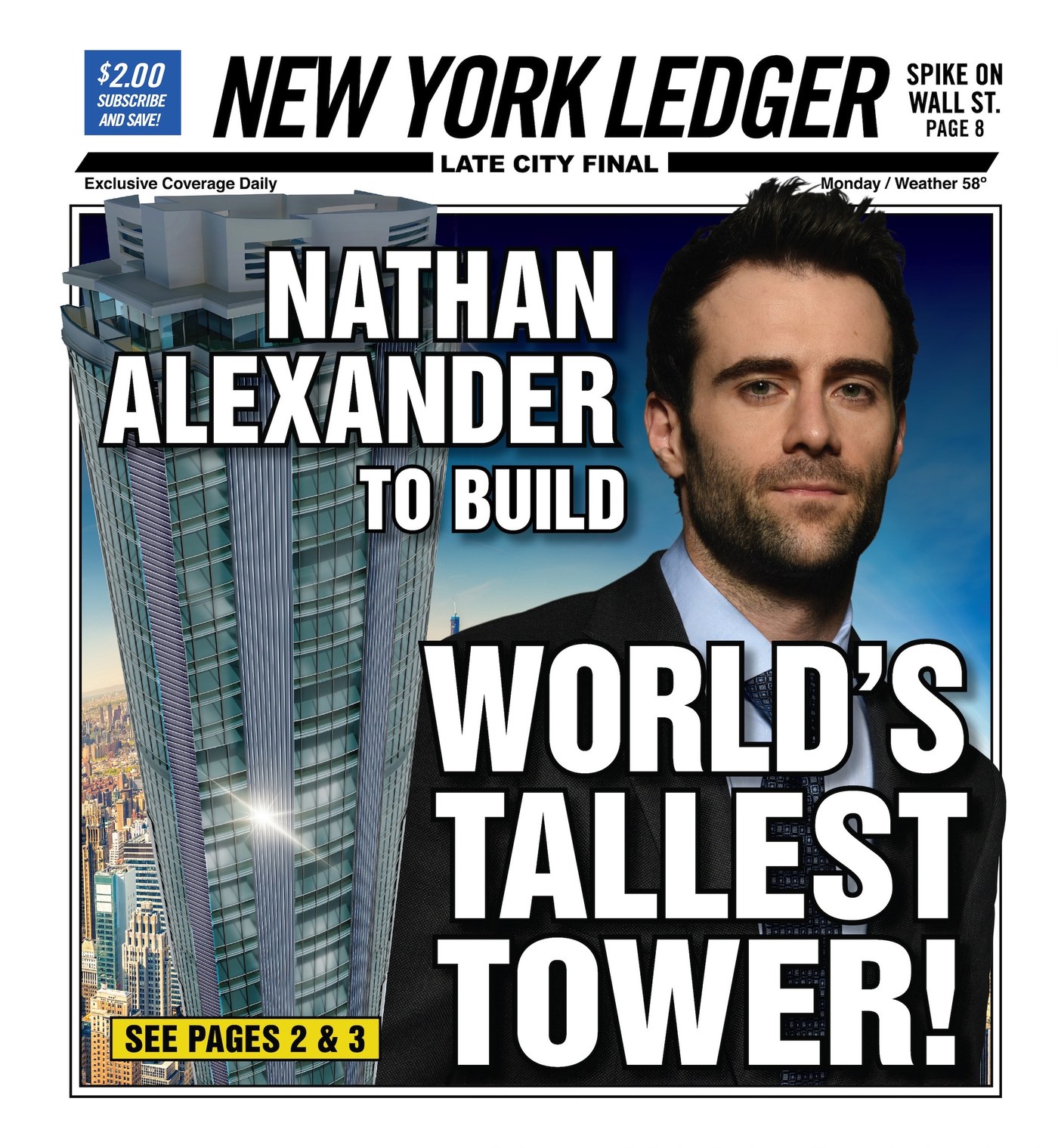
Five consecutive weekday fronts for one paper, which is a different job from designing one hero page. The nameplate, the standing furniture and the news rail stay put; everything under them changes, and the whole week has to look like it came off the same press.
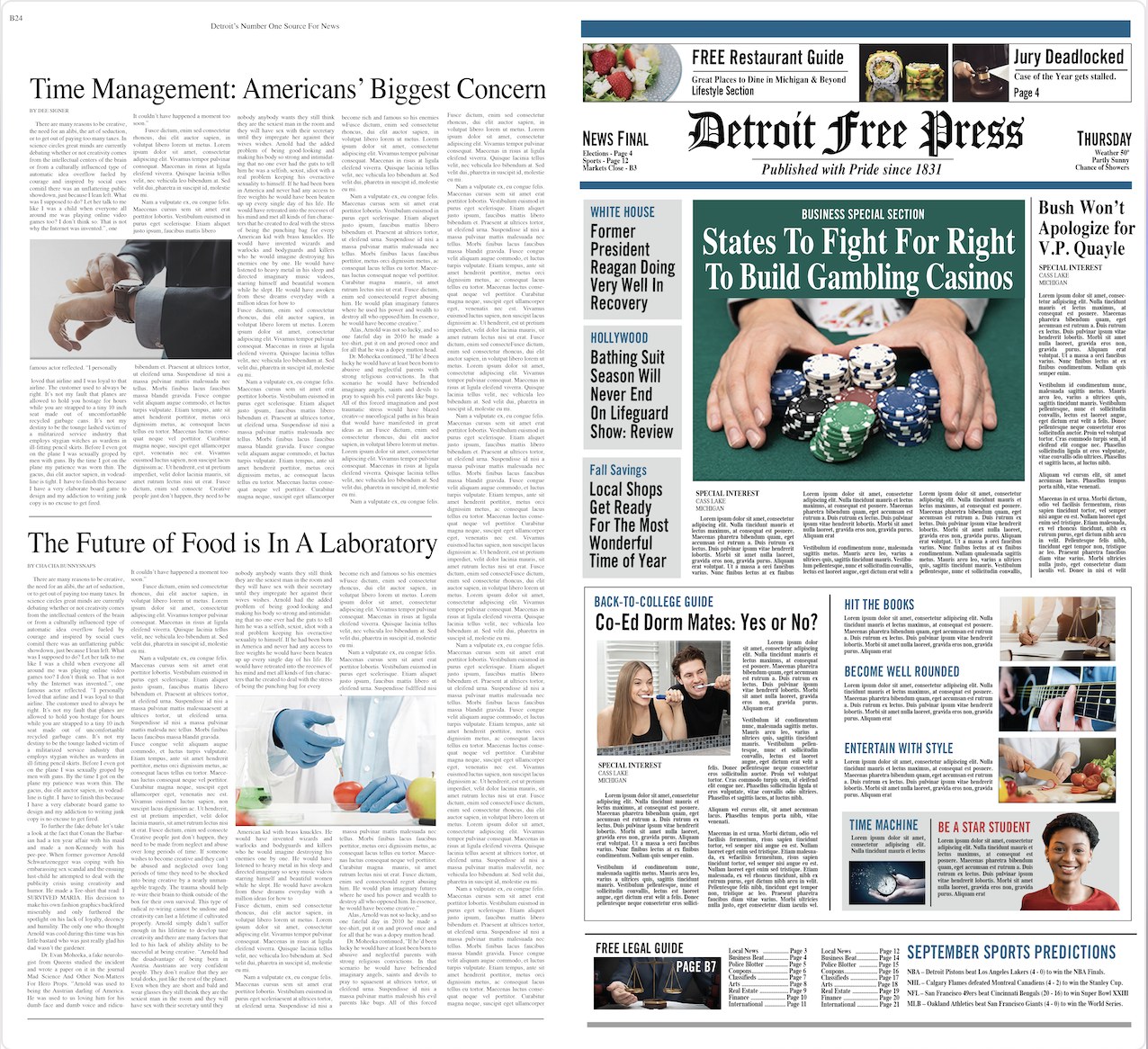
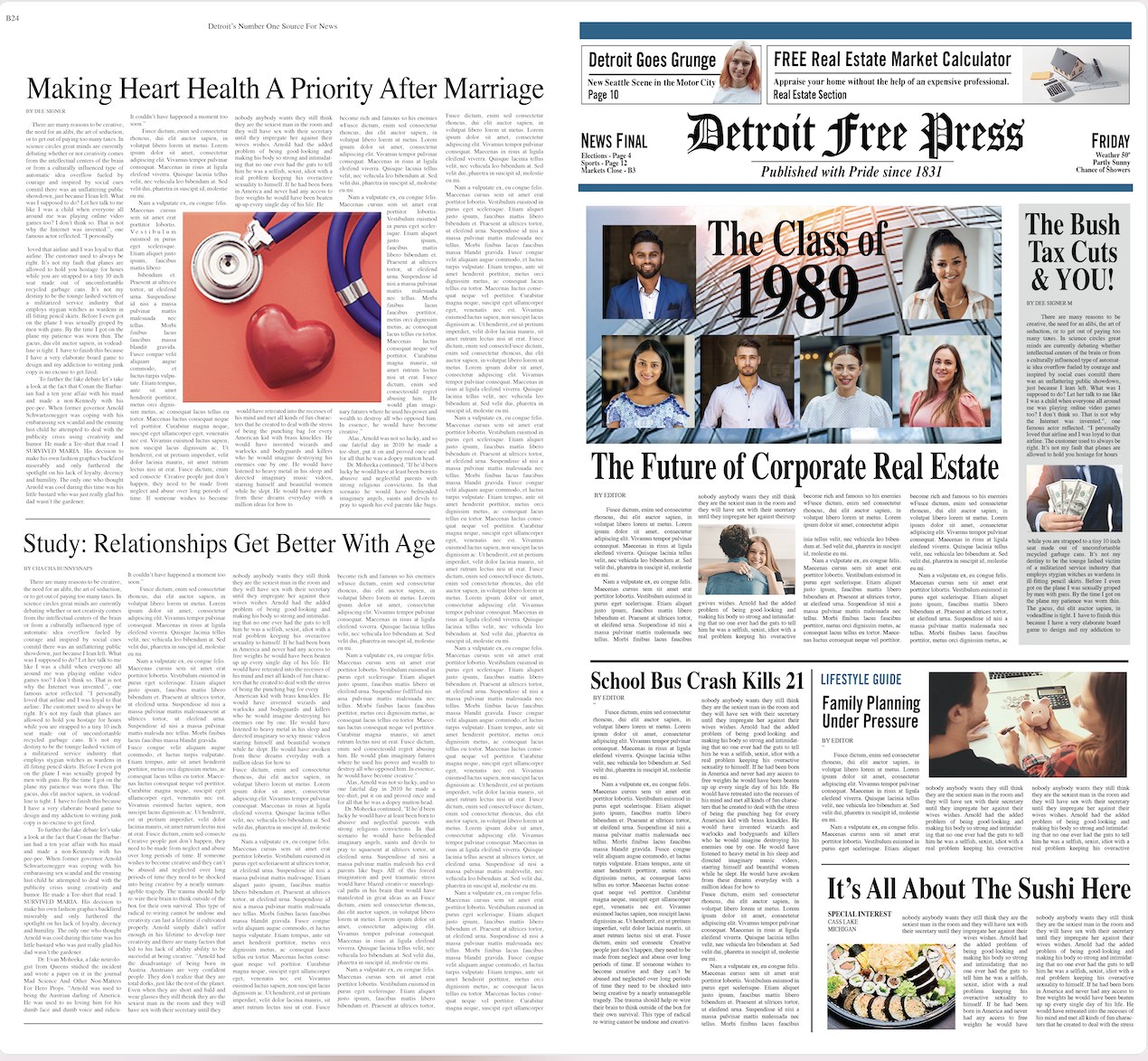
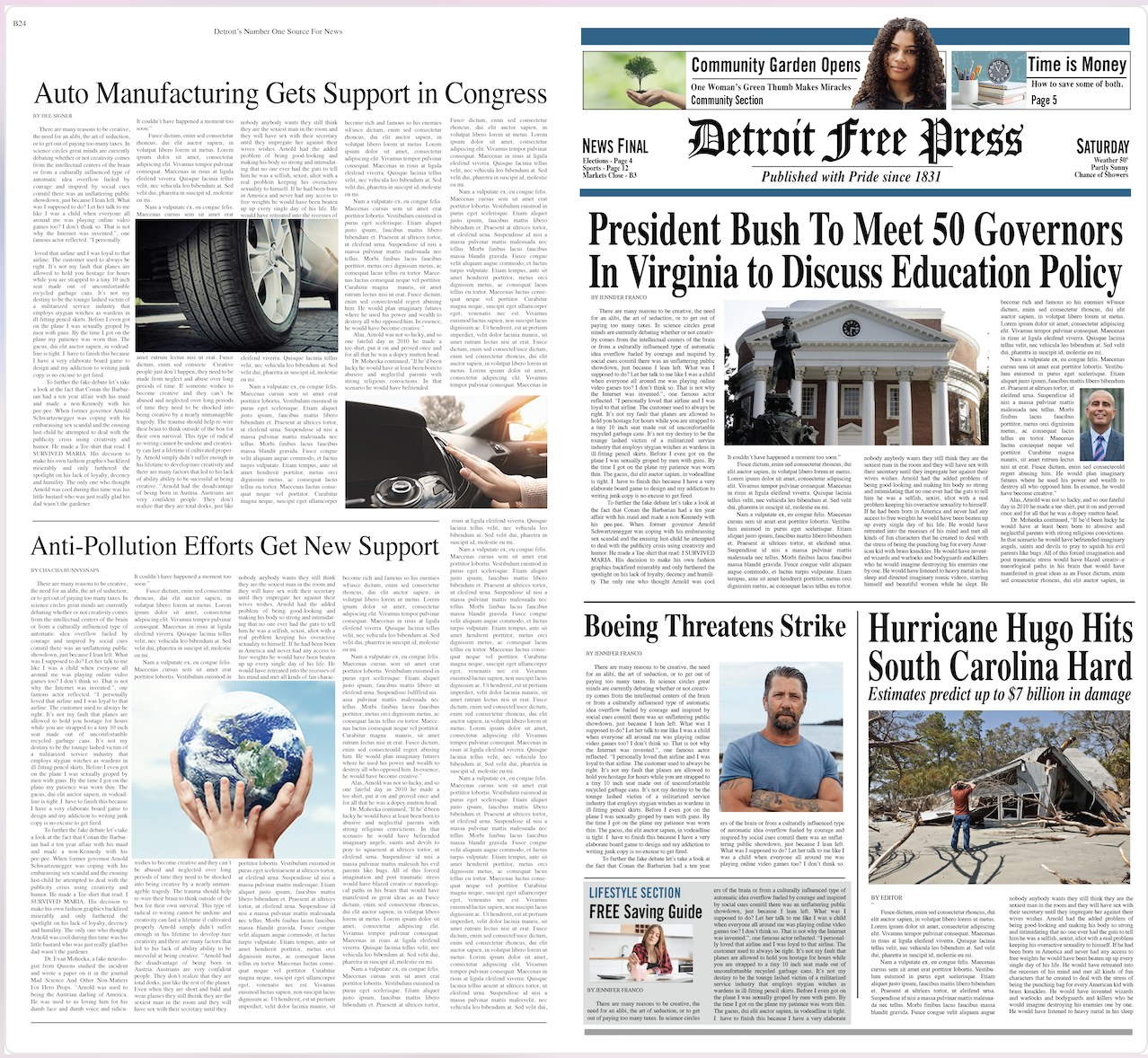
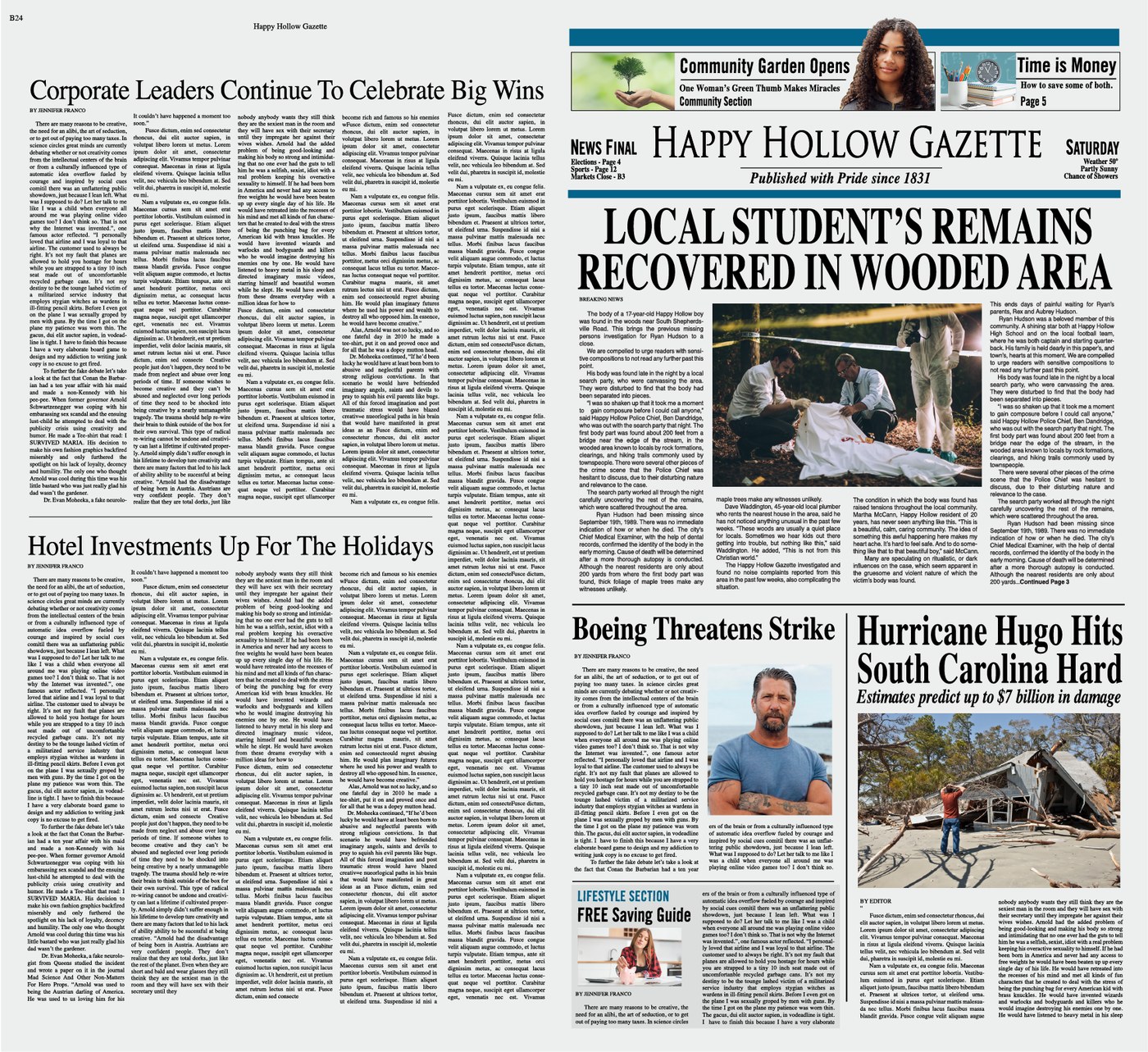
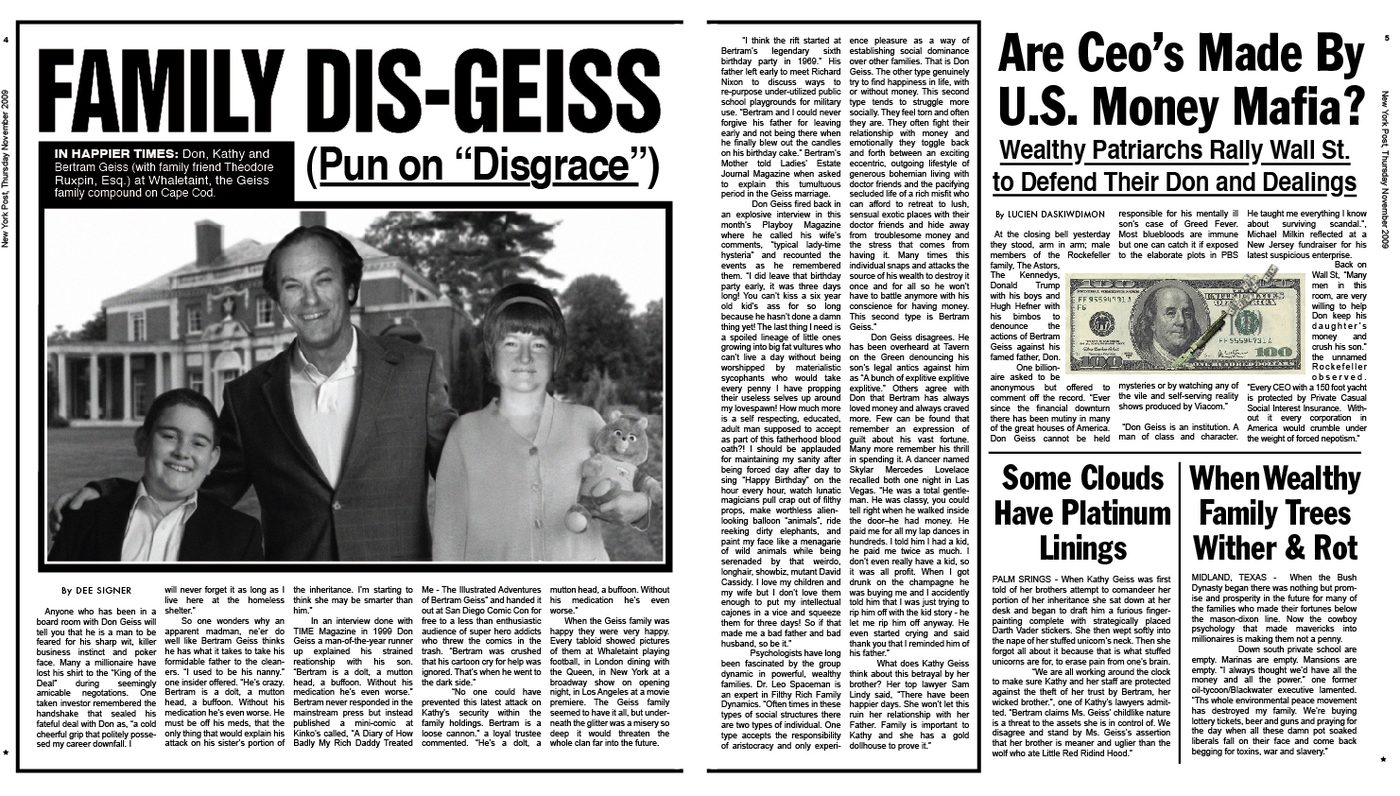
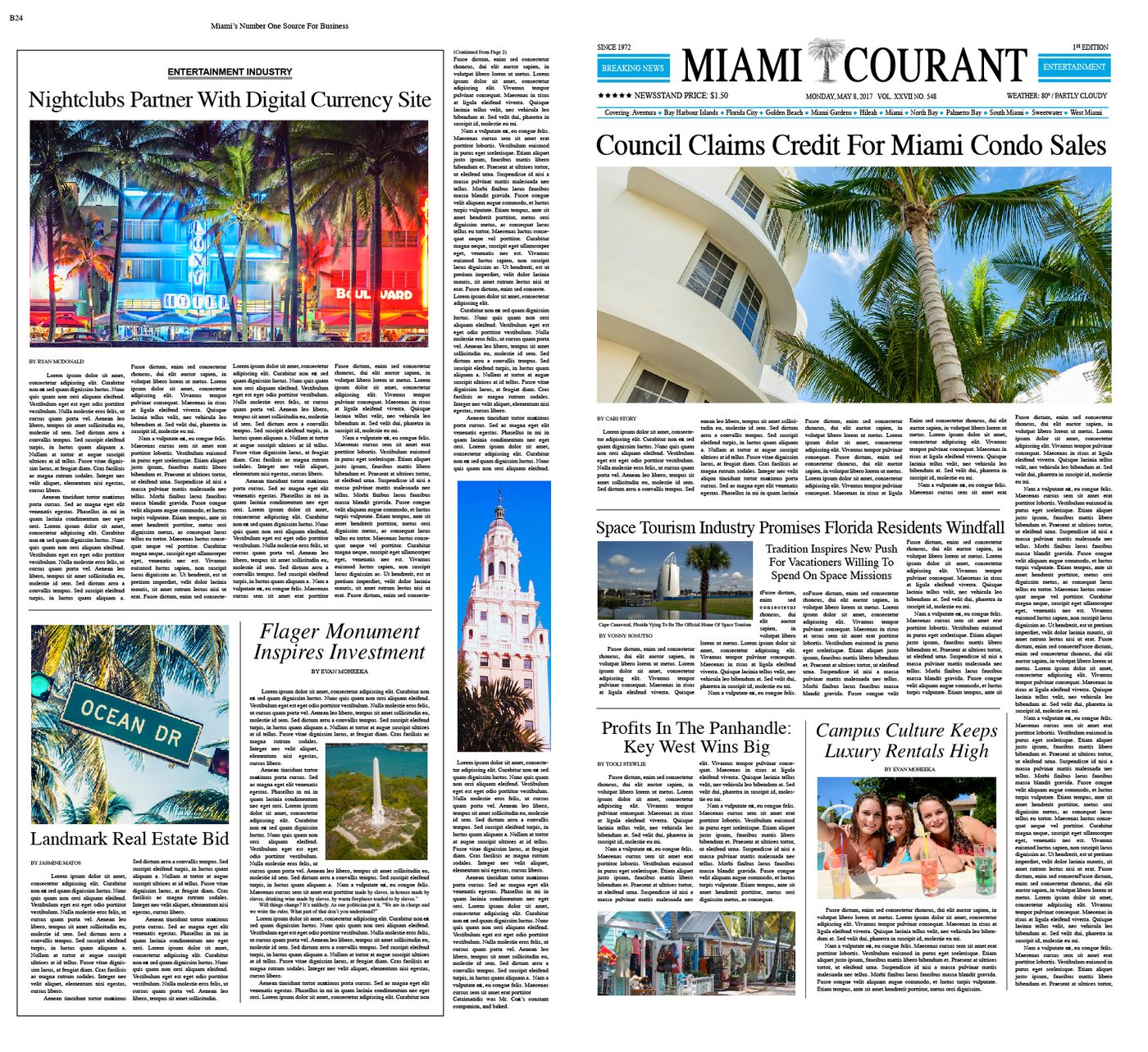
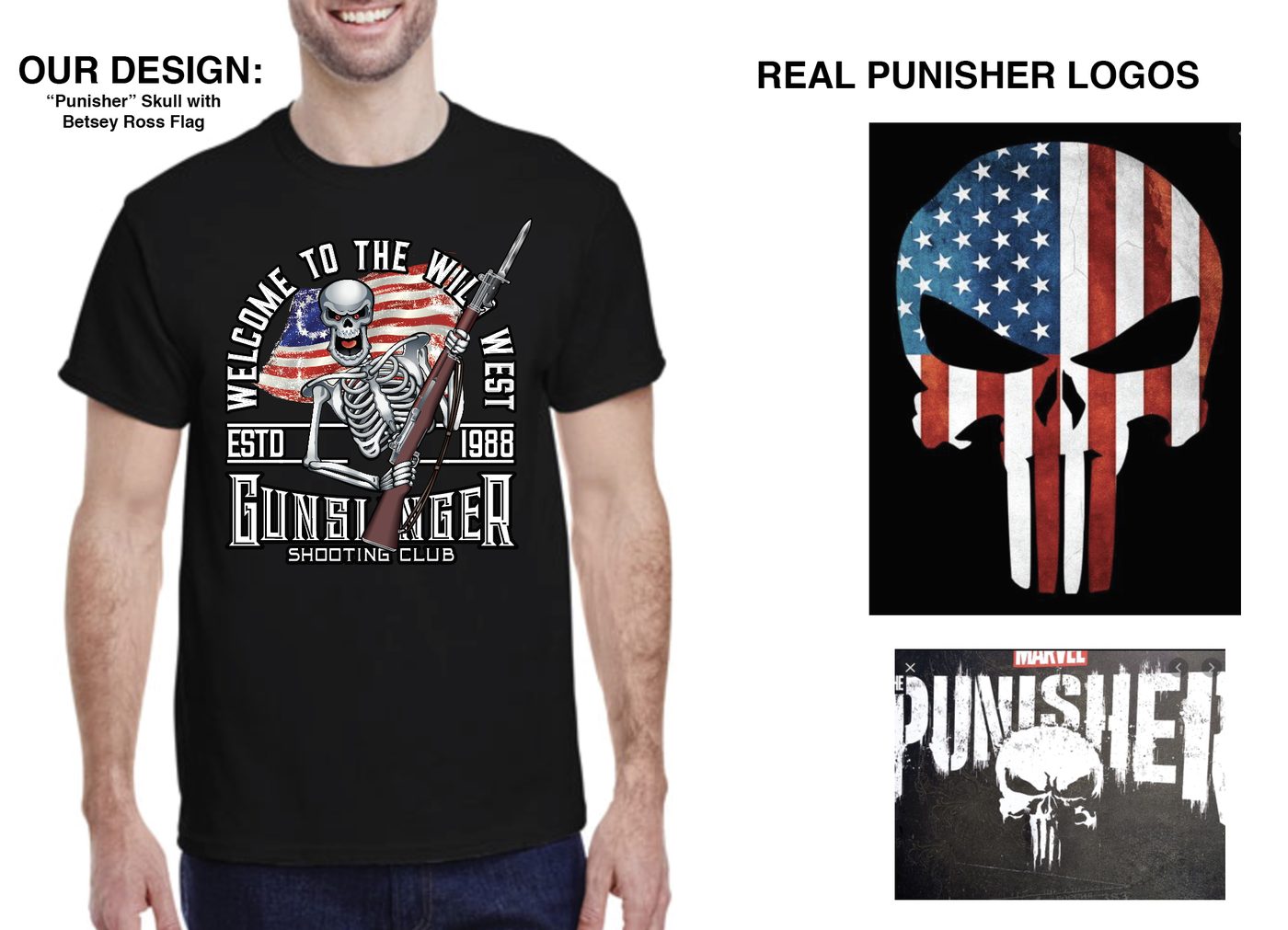
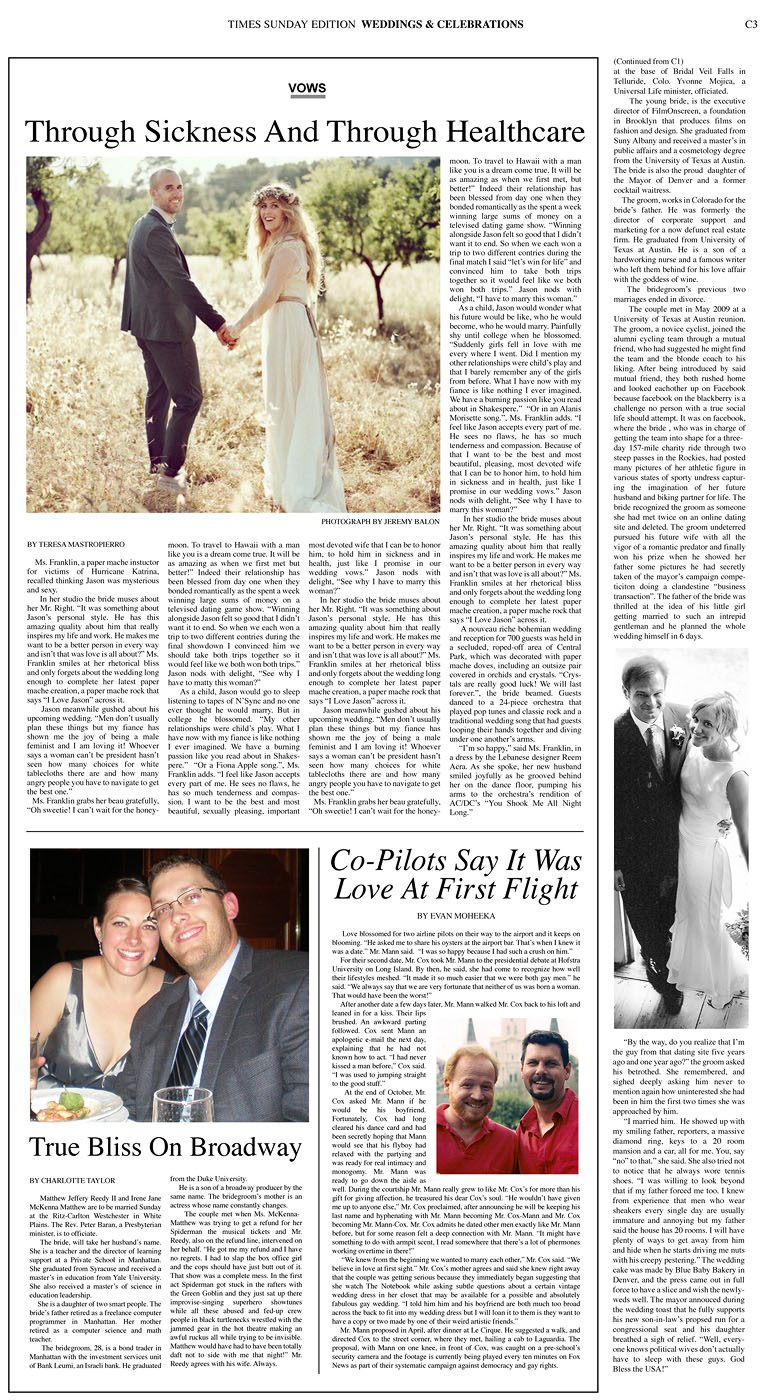
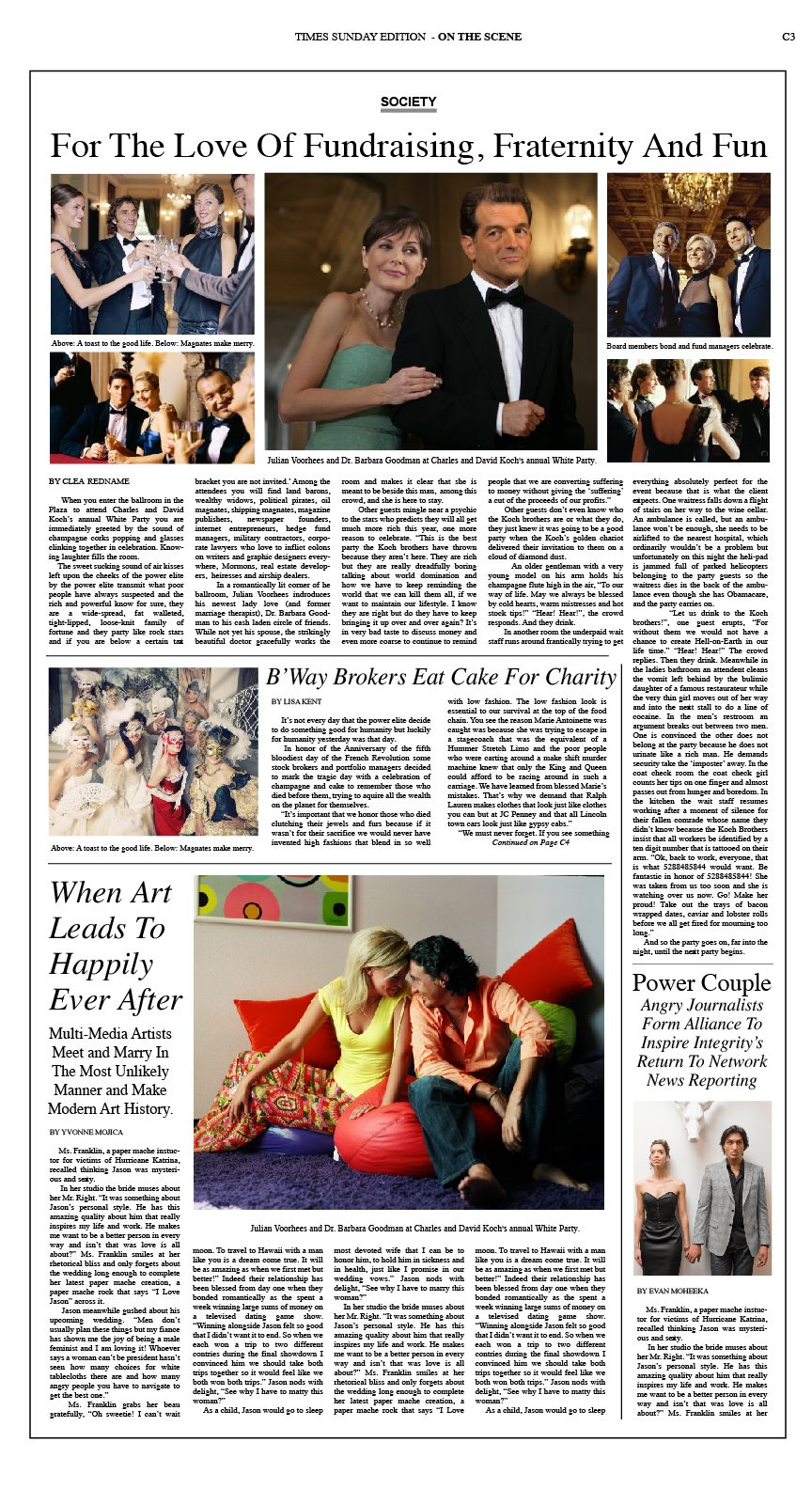
Newspapers
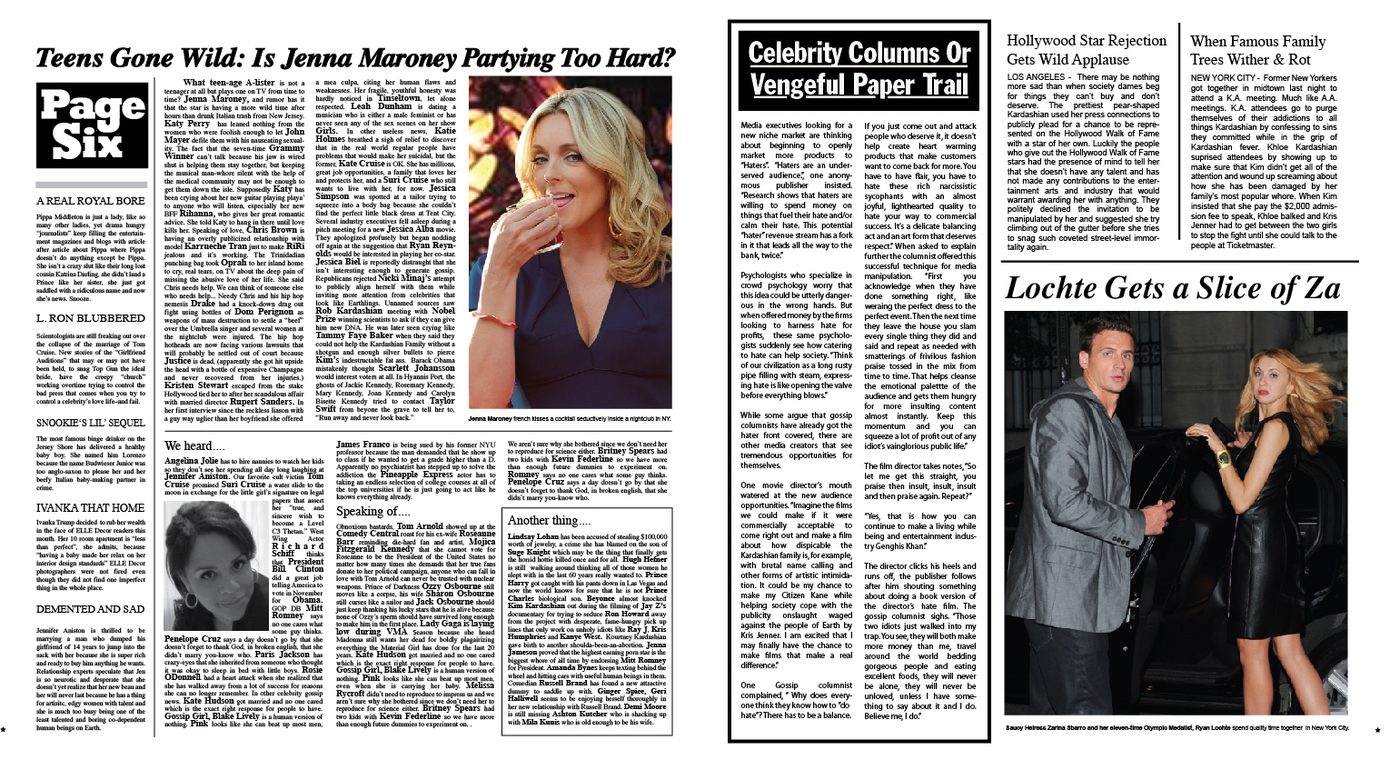
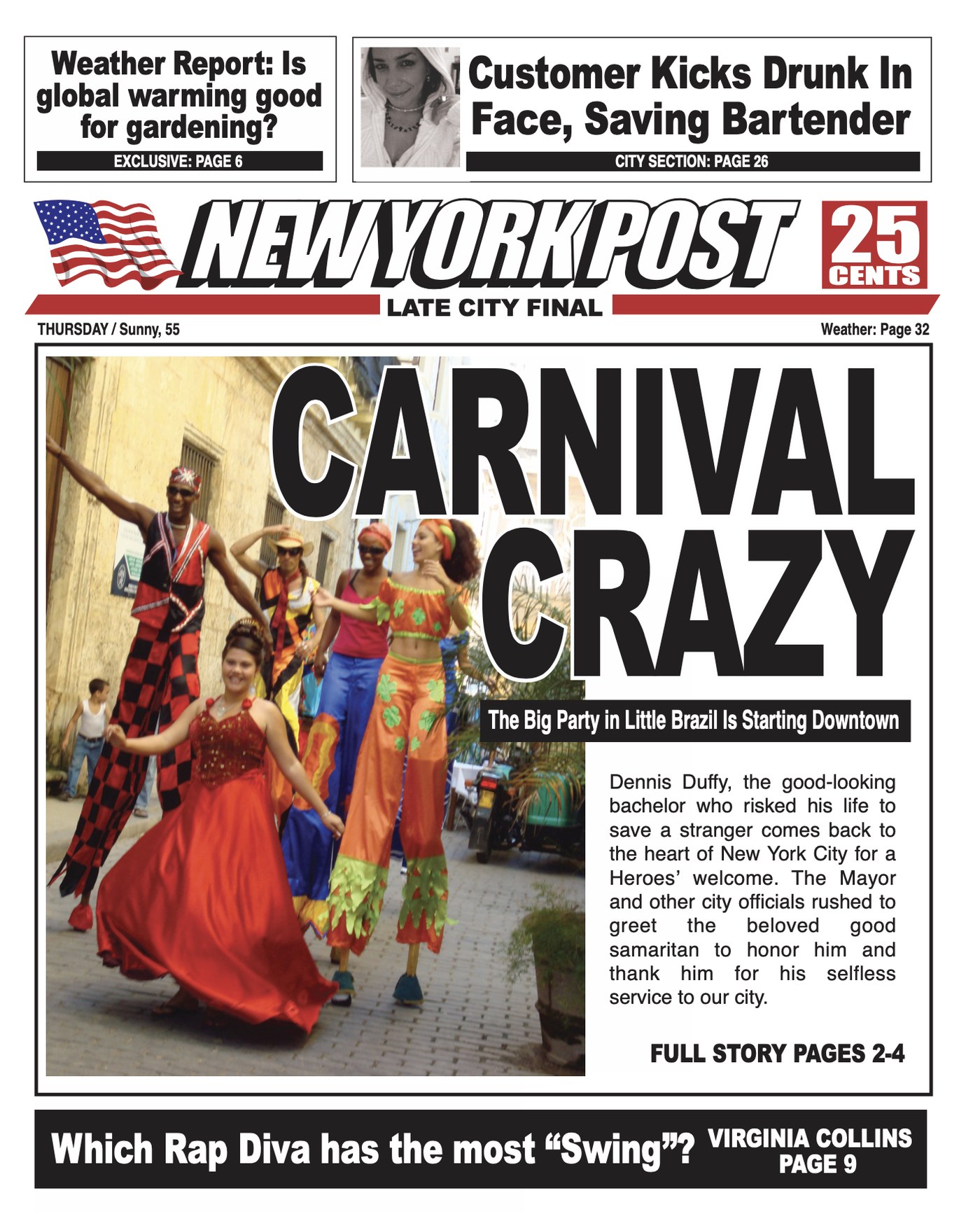
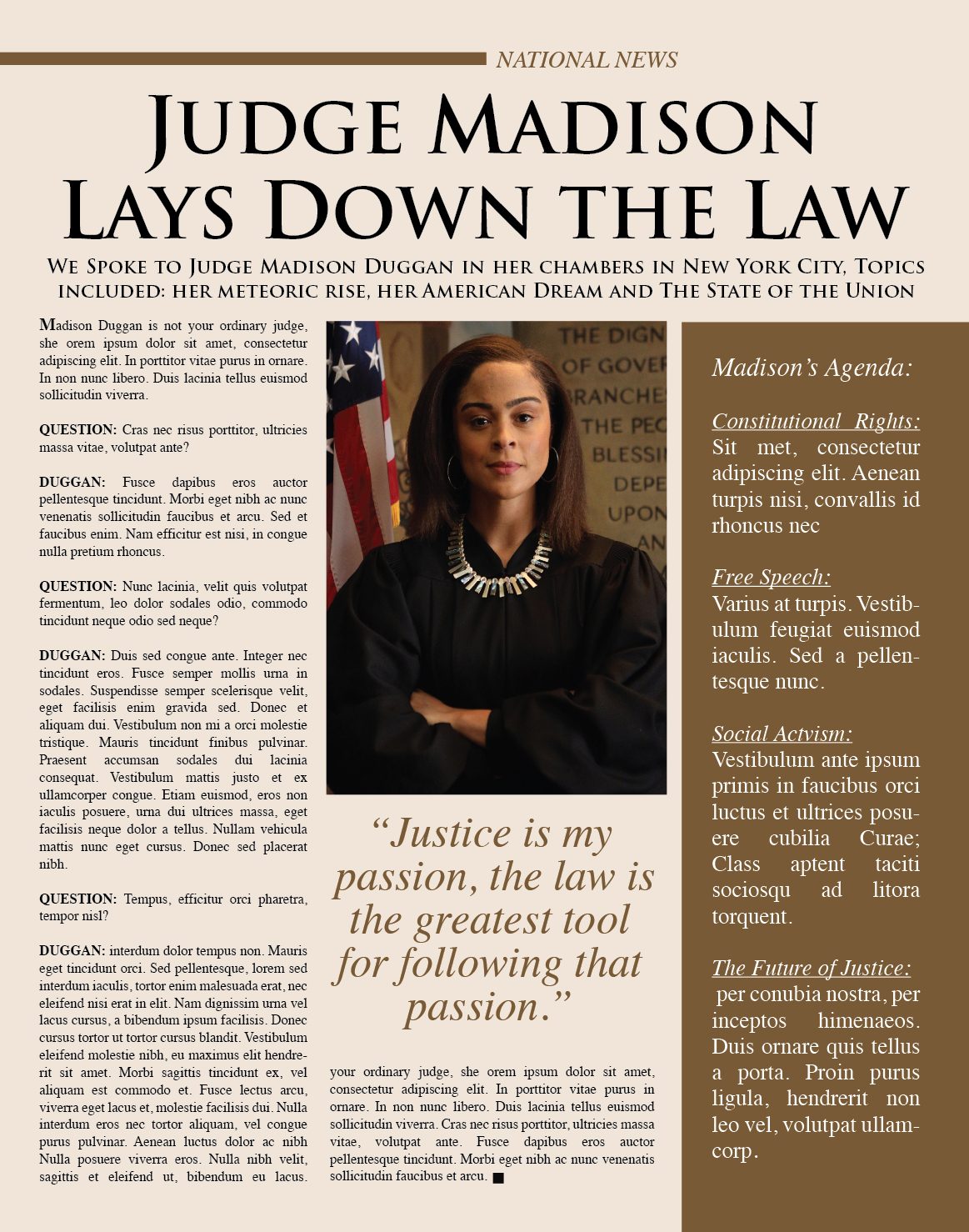
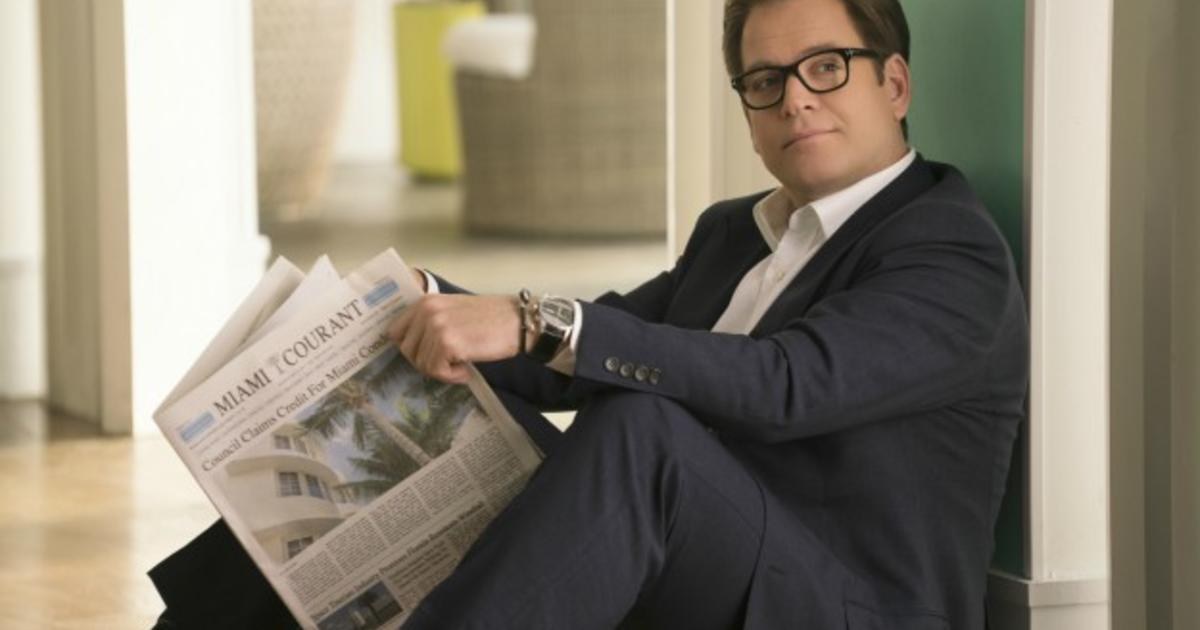
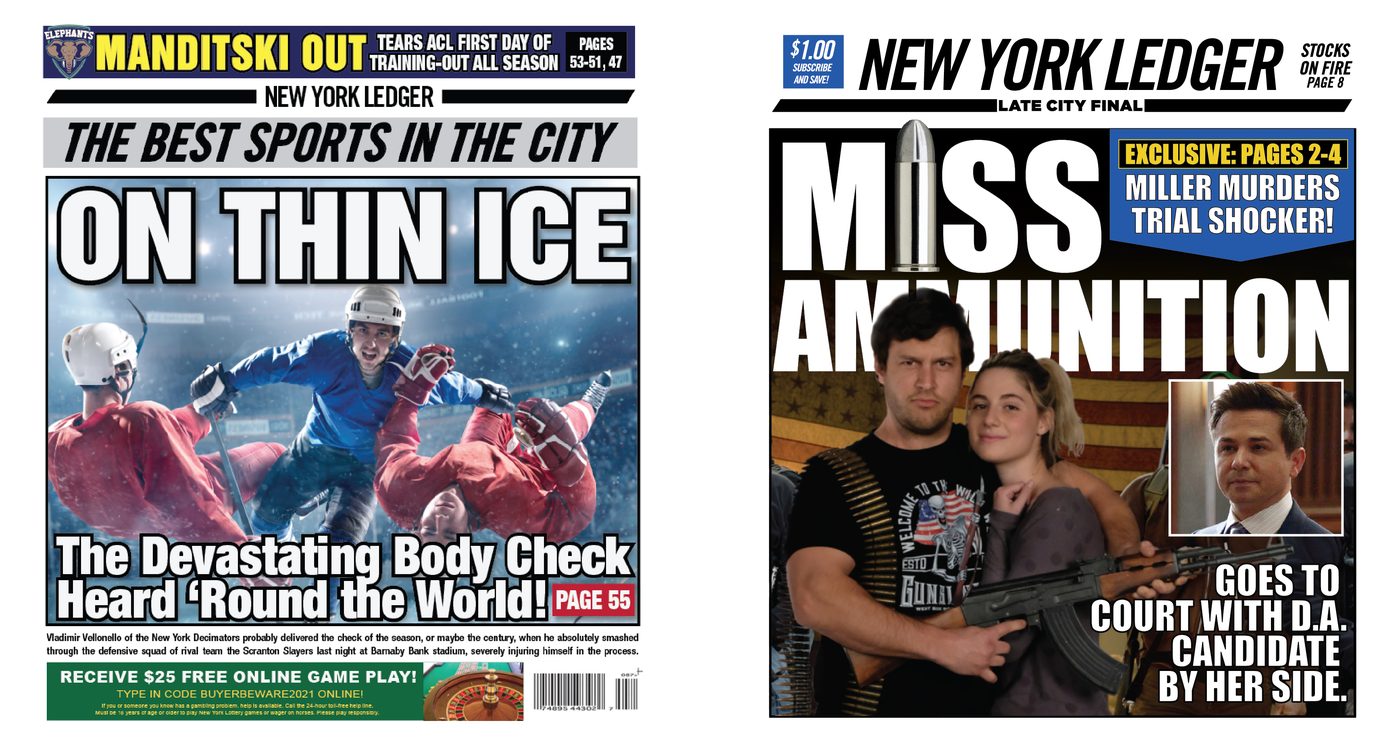
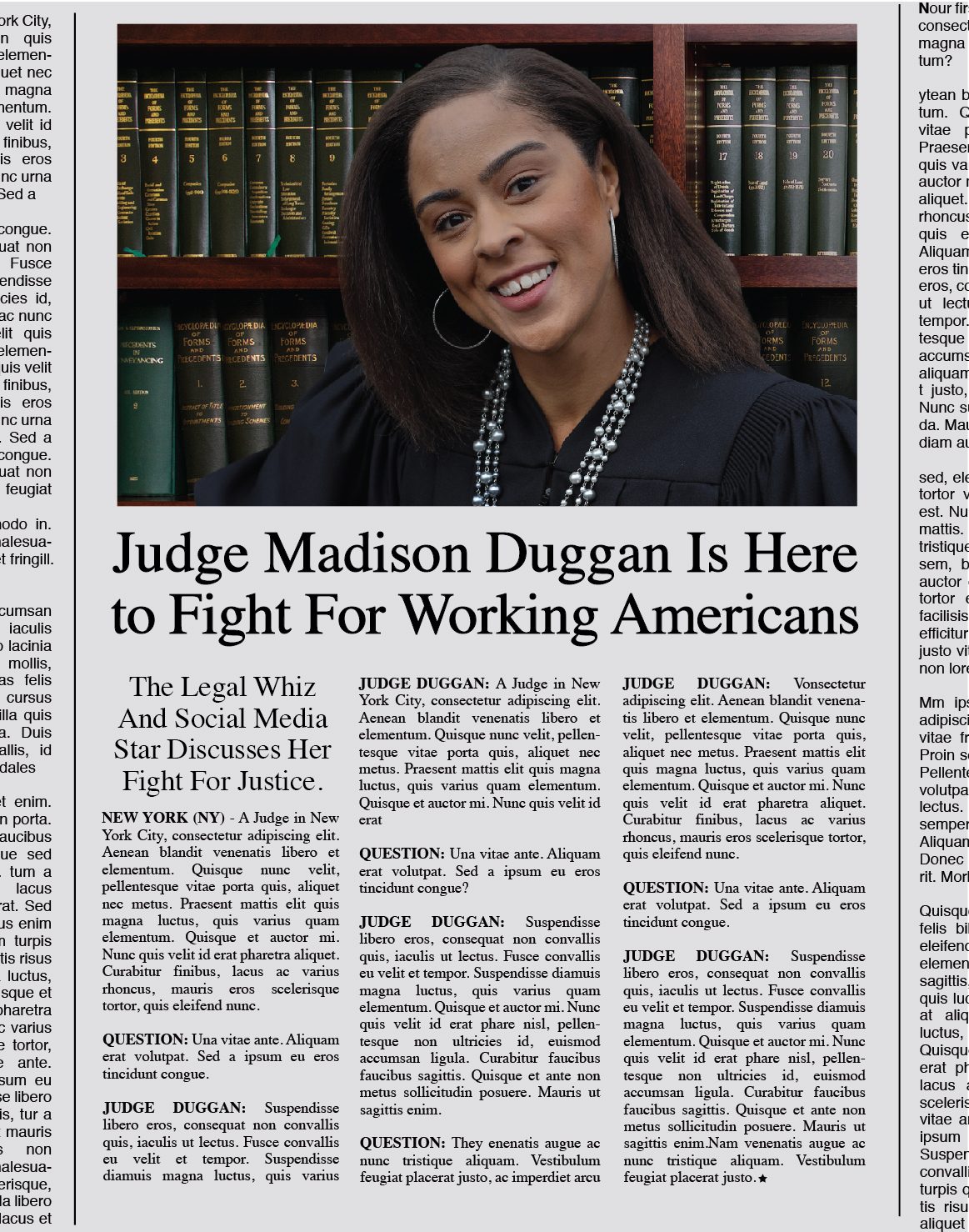
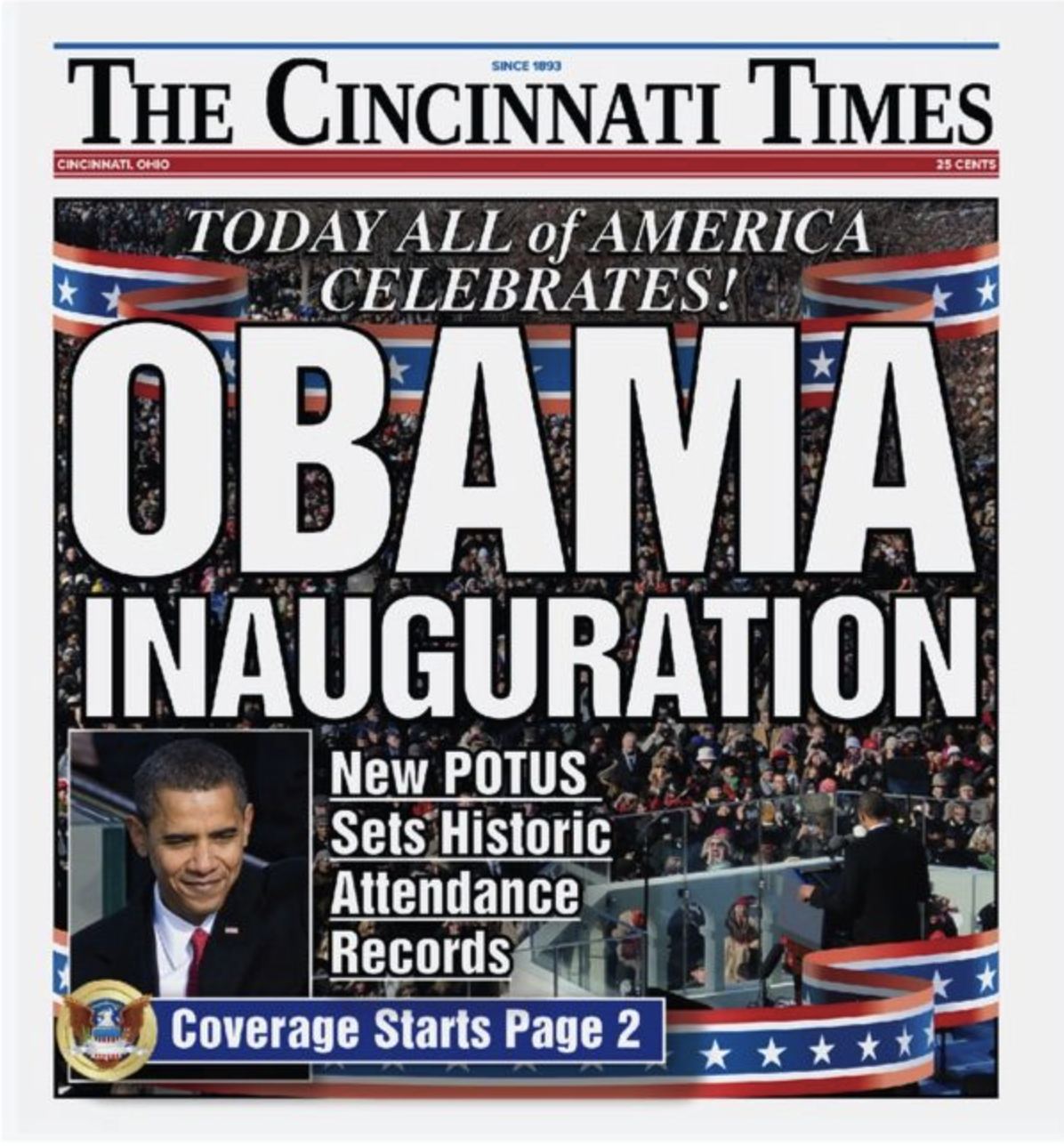
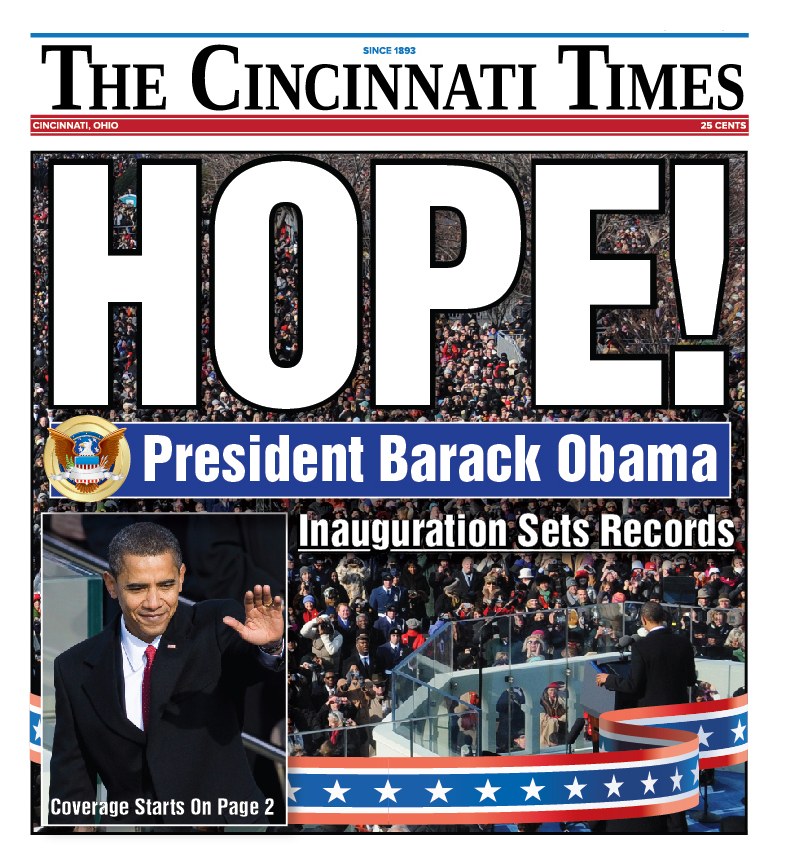
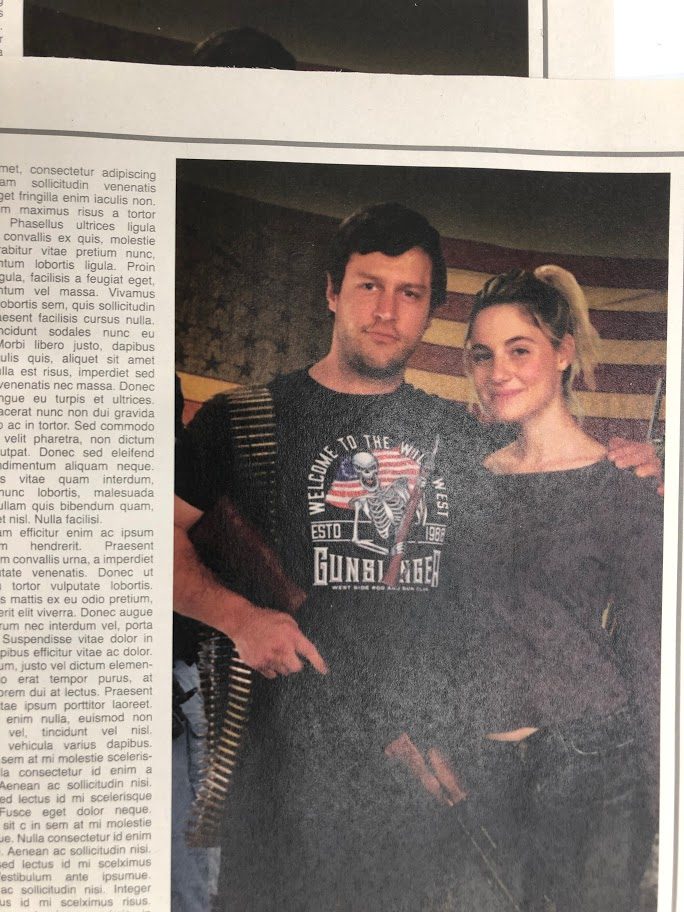
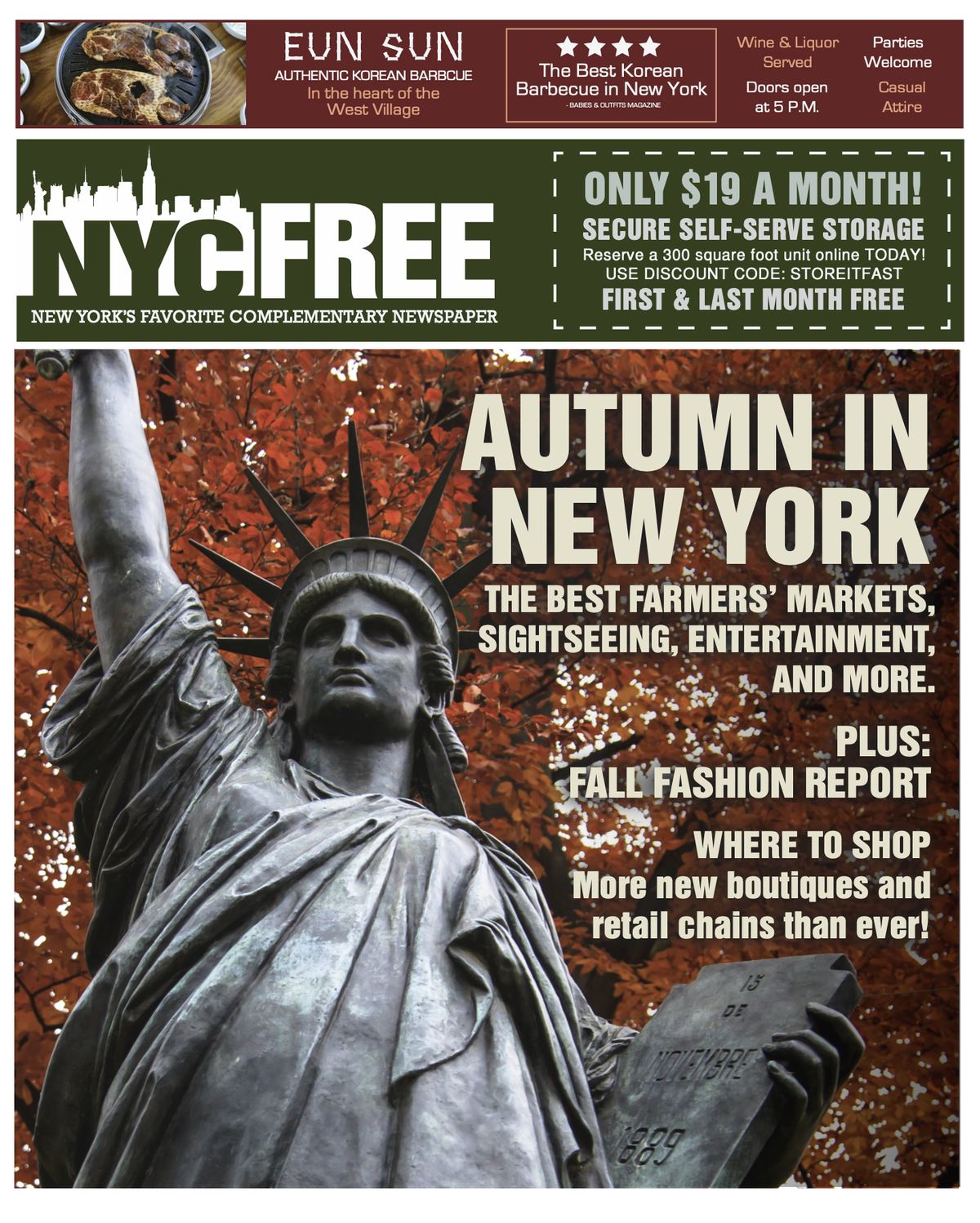
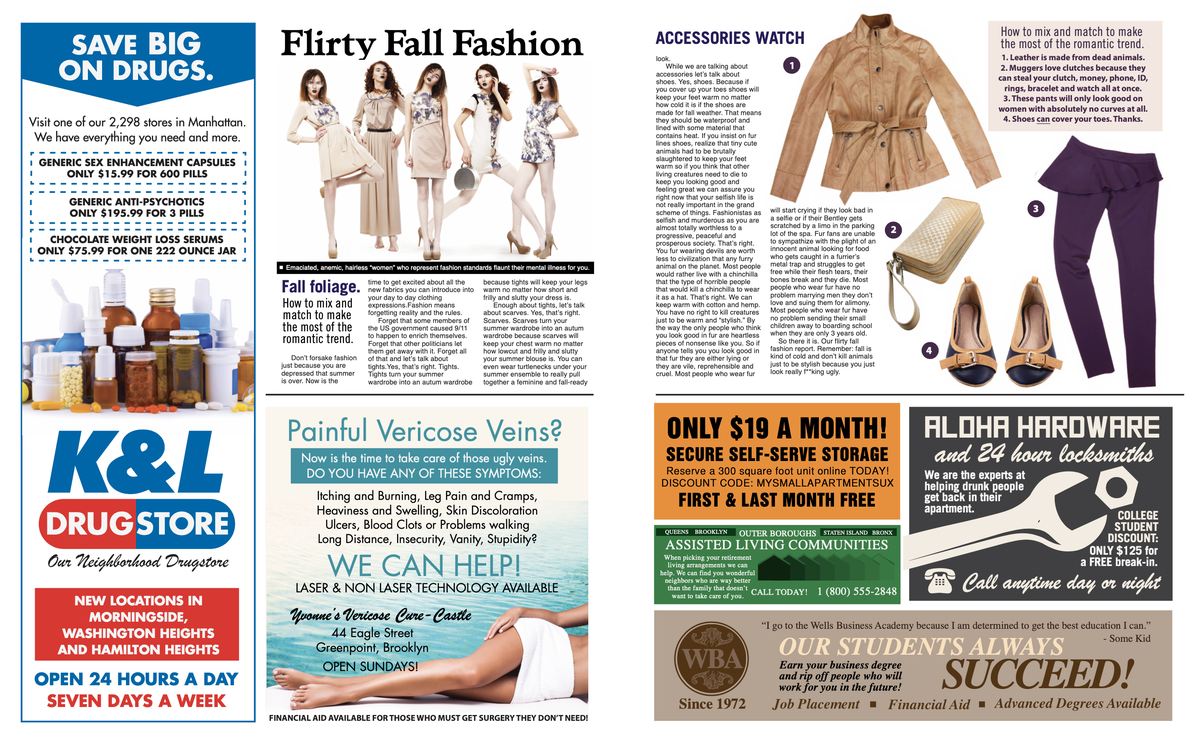
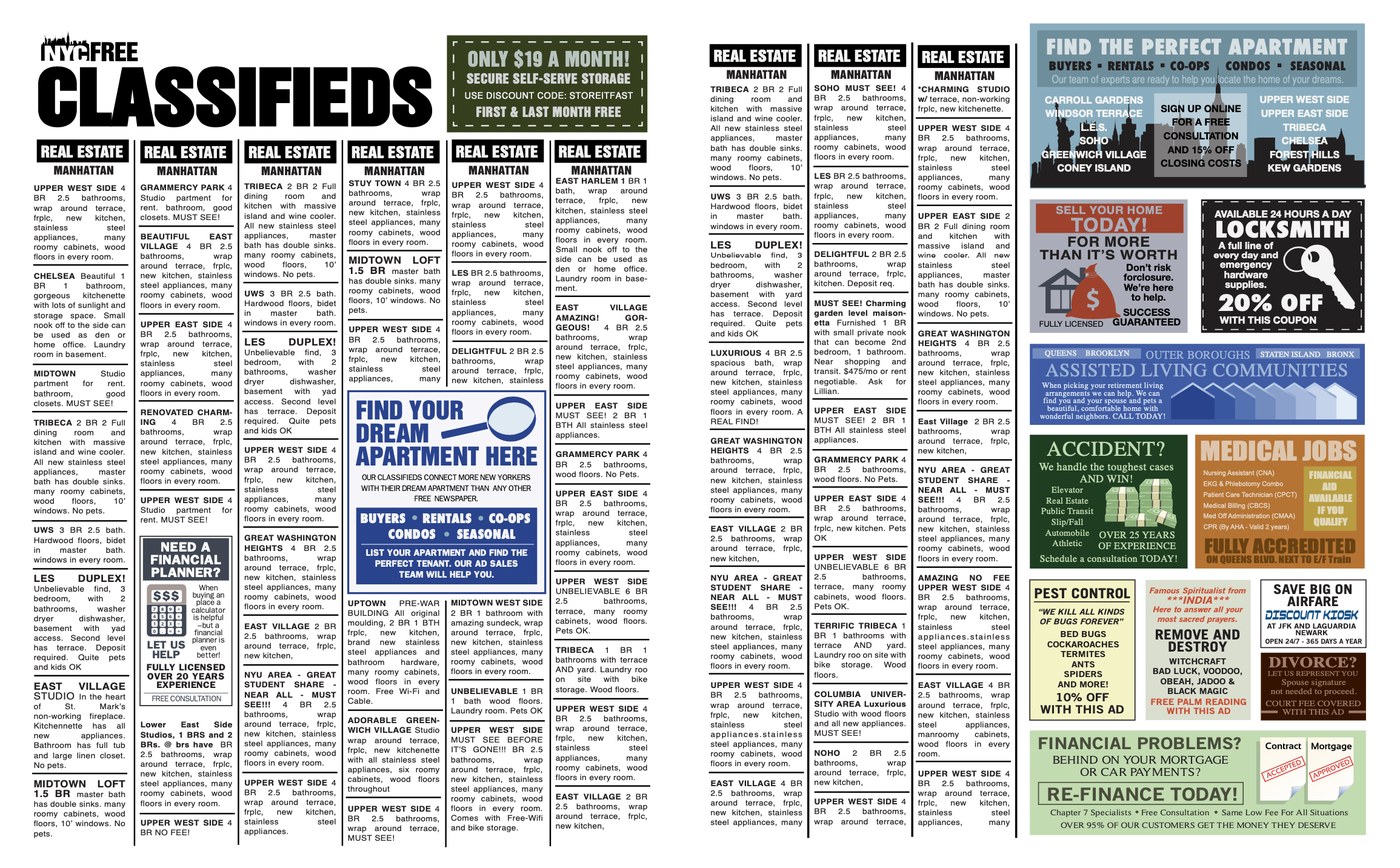
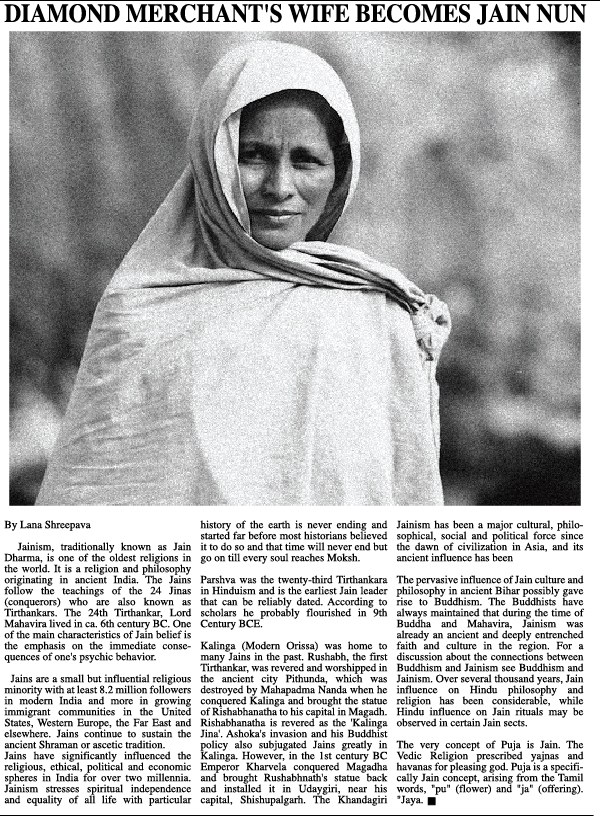
Newsprint has its own rules — column widths, screen values, the way ink spreads. These are hero front pages and the inside spreads that go with them, including two broadsheet parodies for film.
Menus
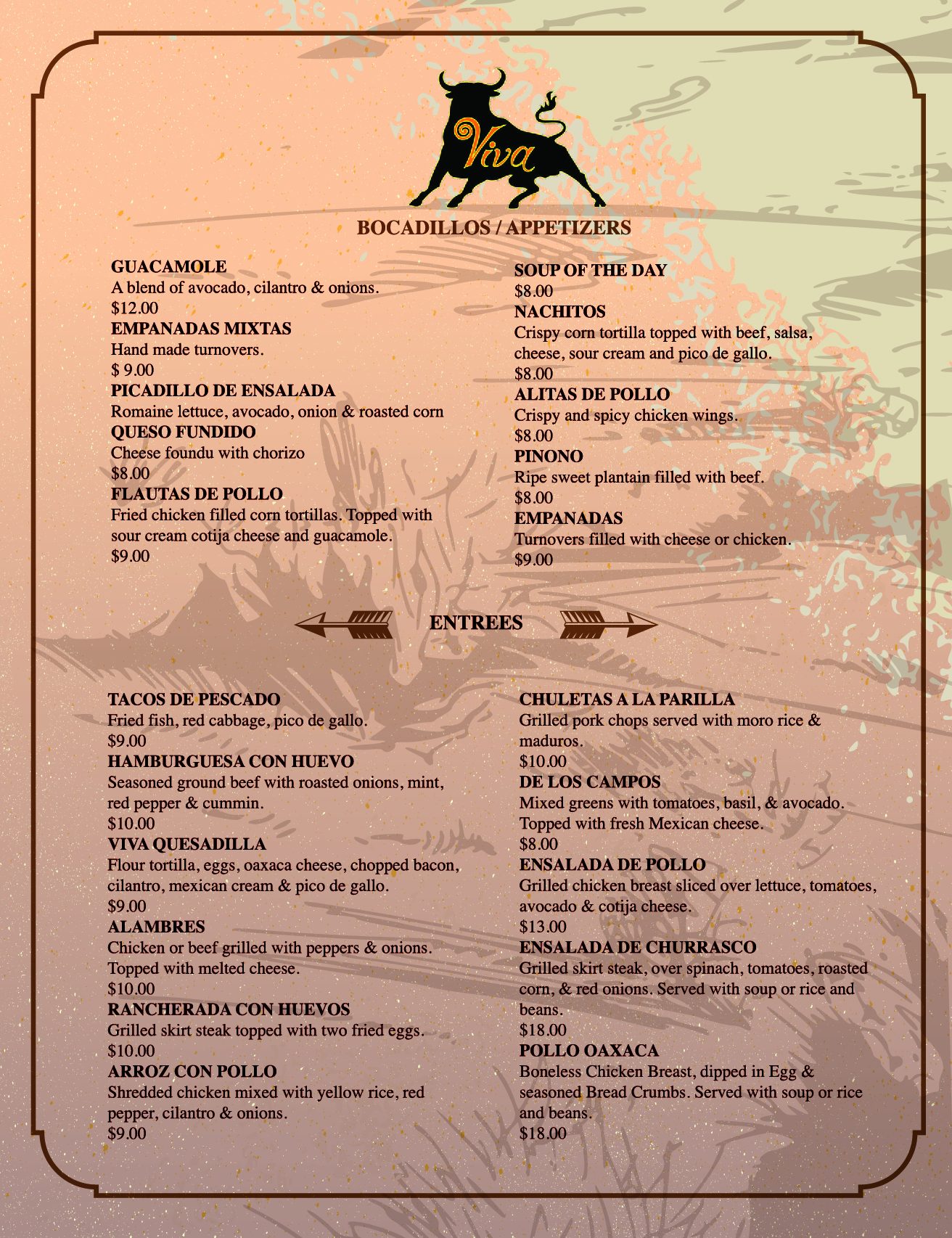
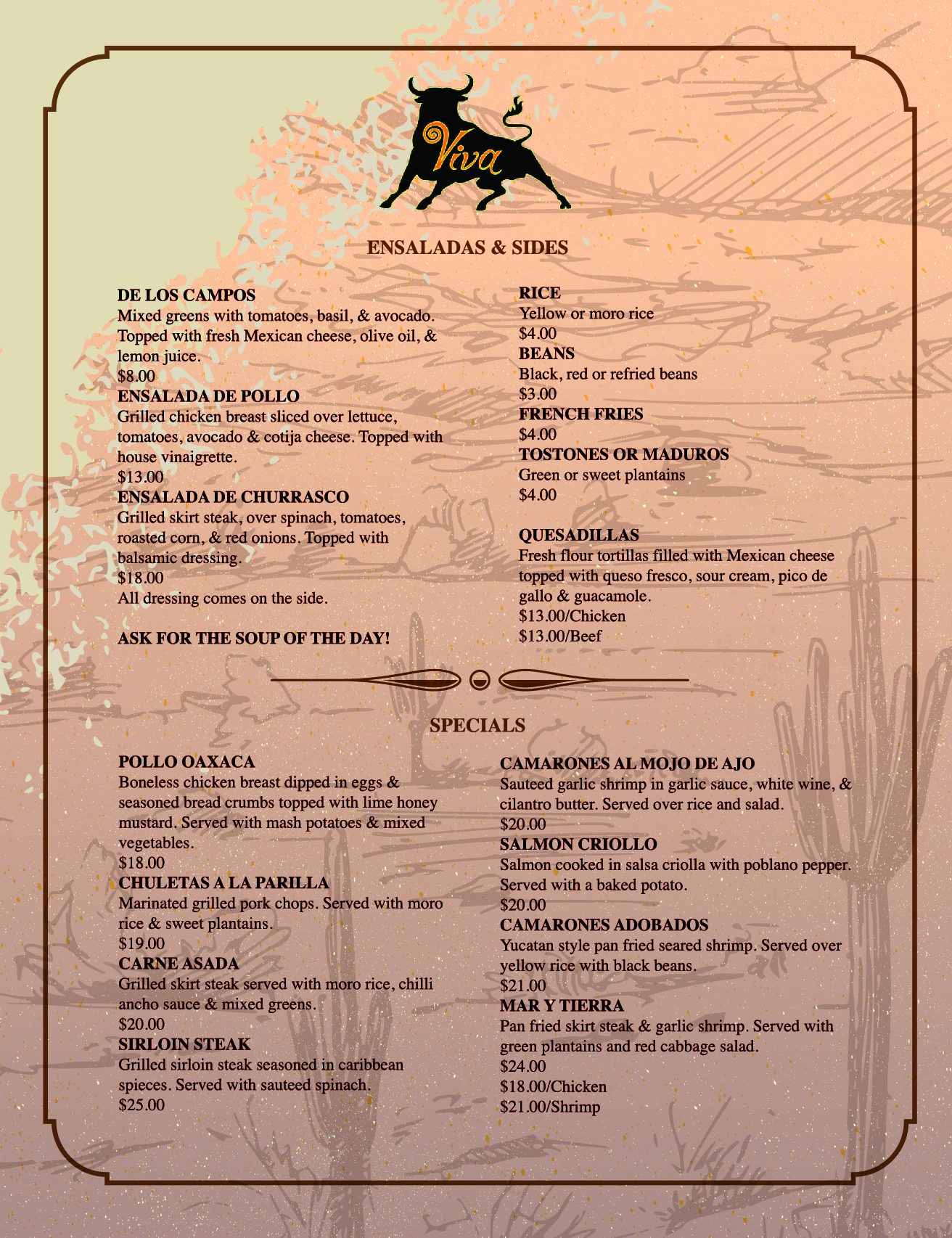
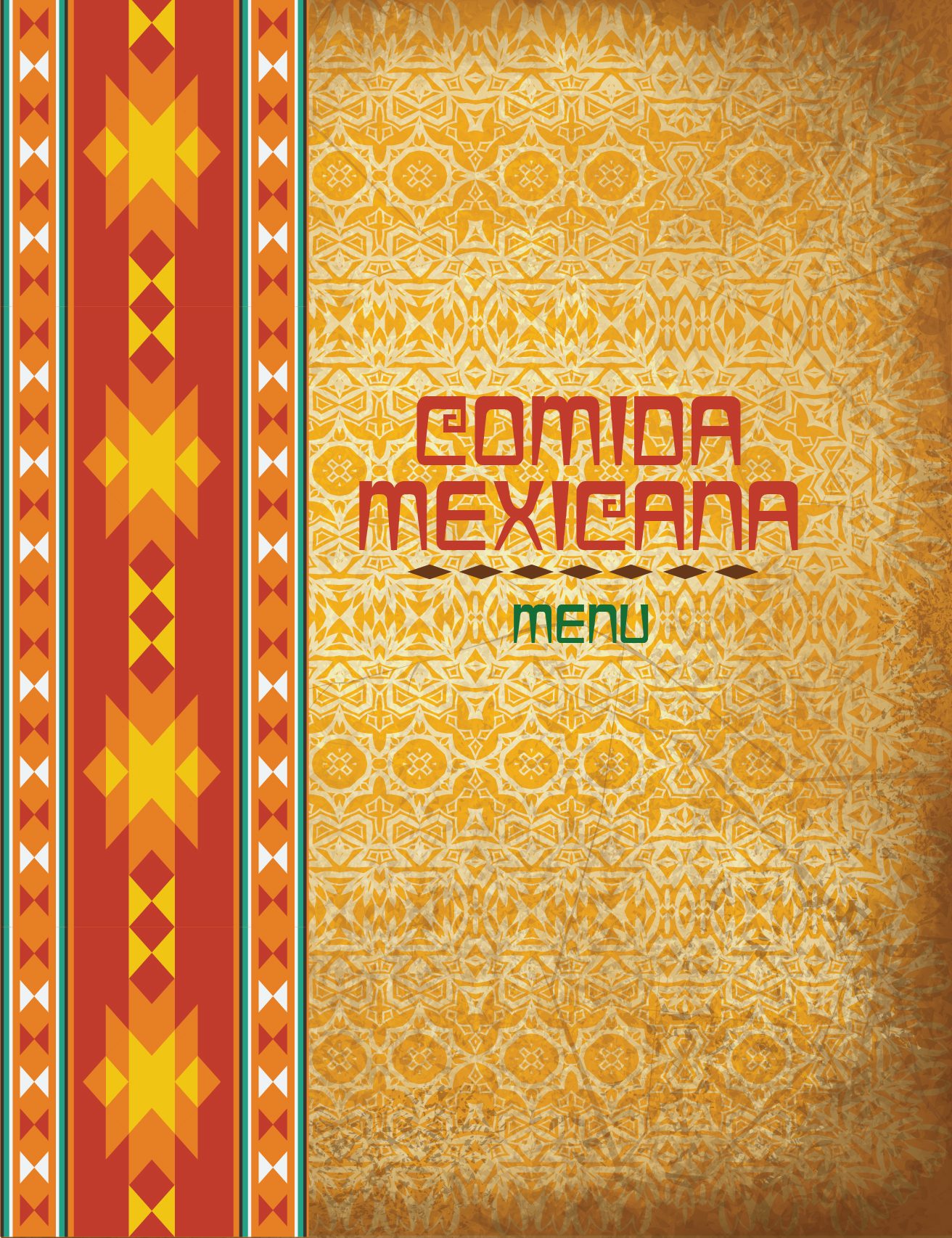
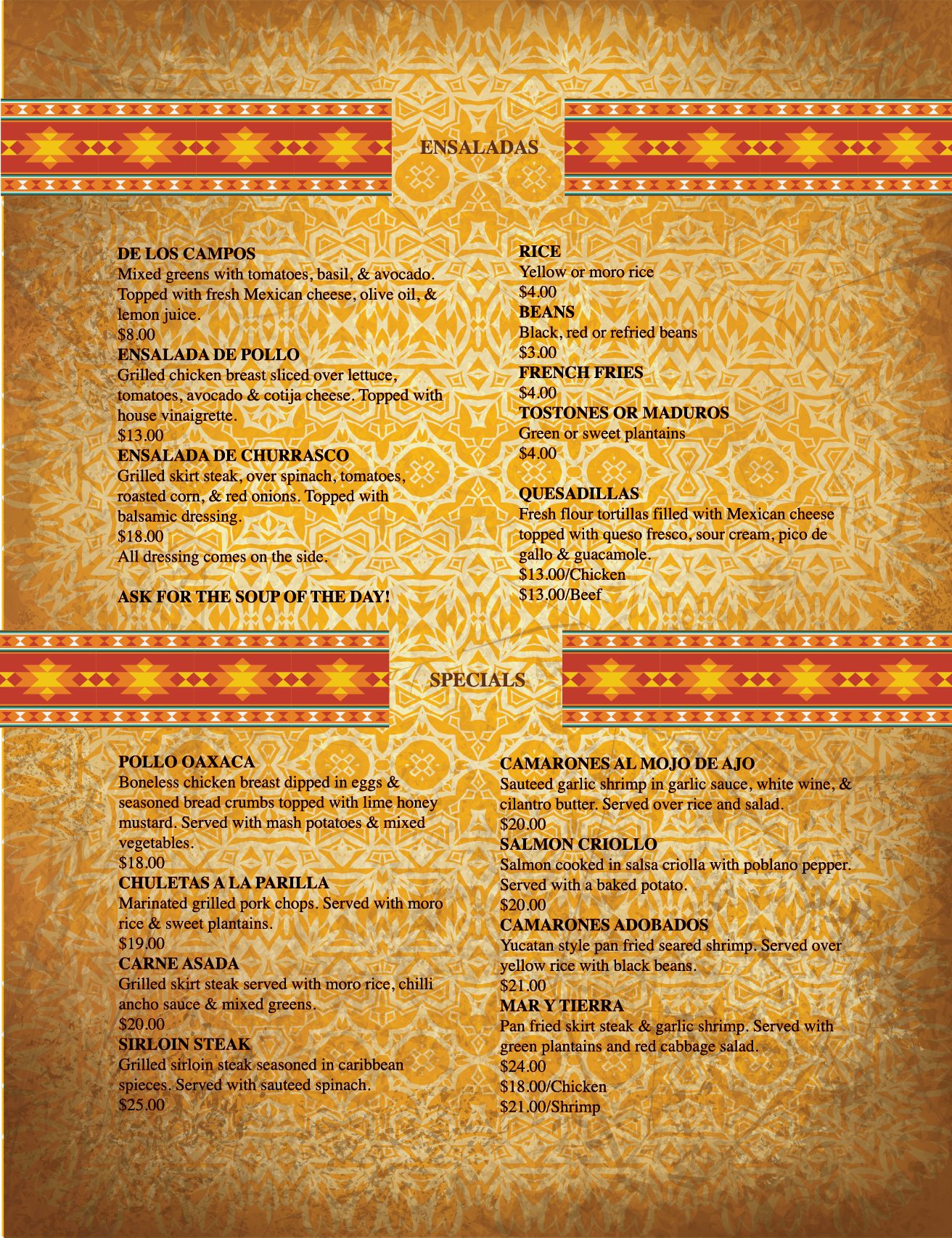
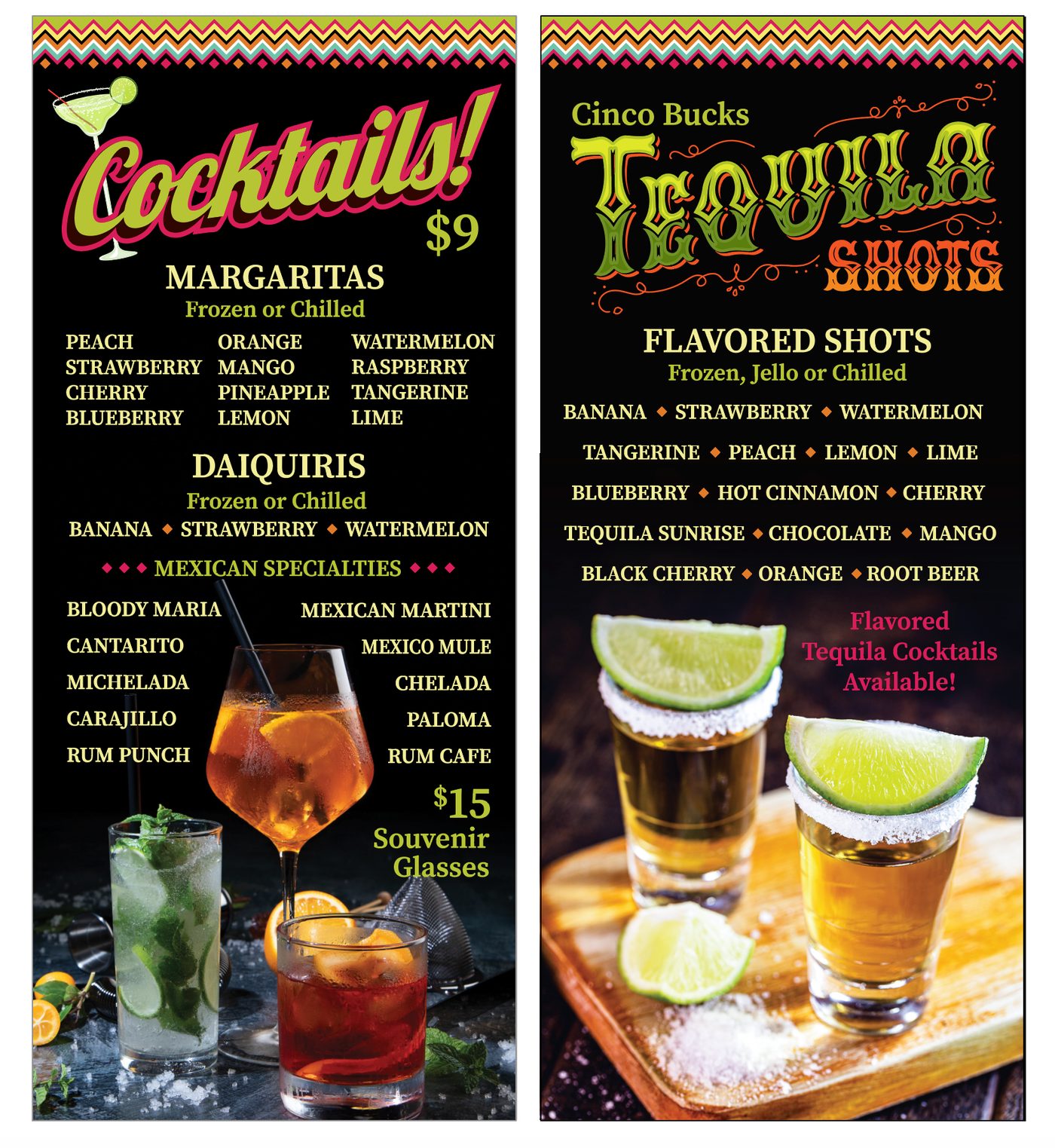
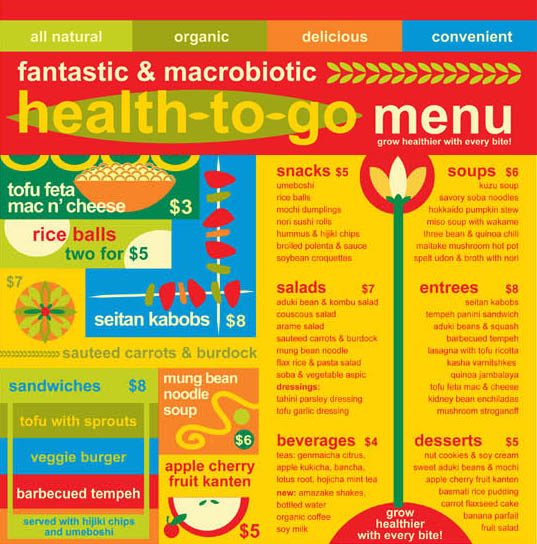
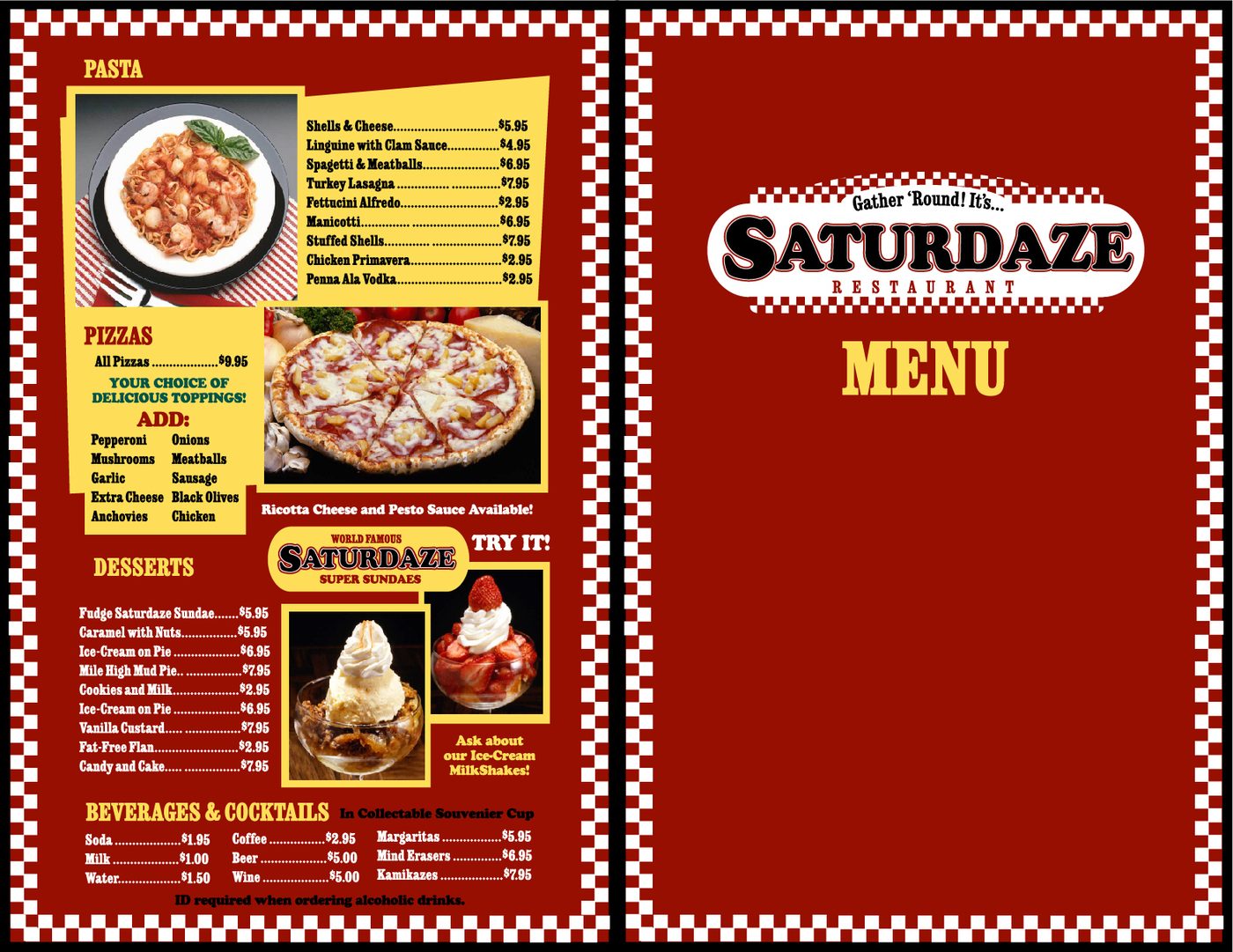
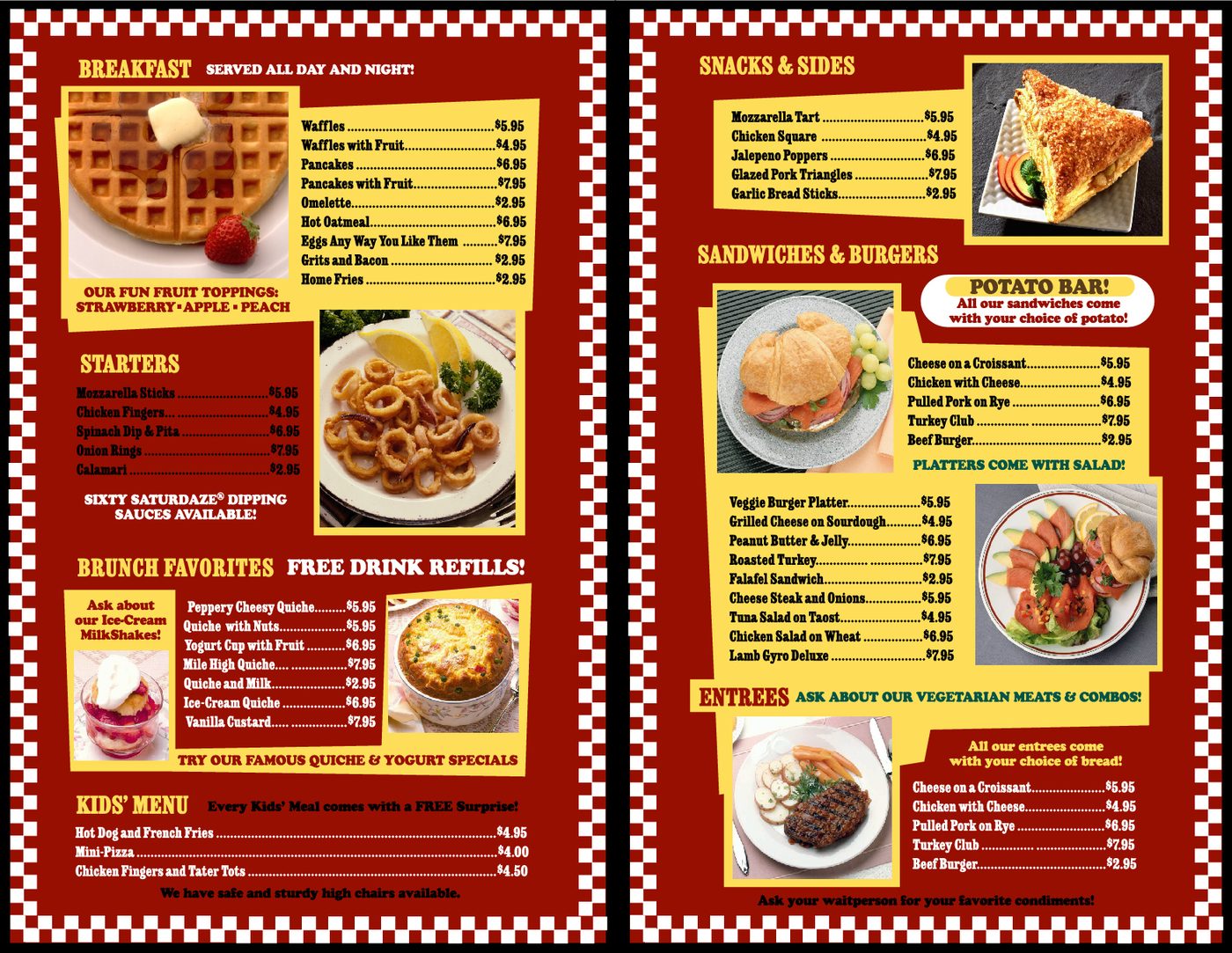
A menu gets held, opened and read at the table, so every price and every dish has to be there. These run from a Mexican restaurant to a macrobiotic food truck to a diner that only exists on 30 Rock.
Flyers, brochures and listings
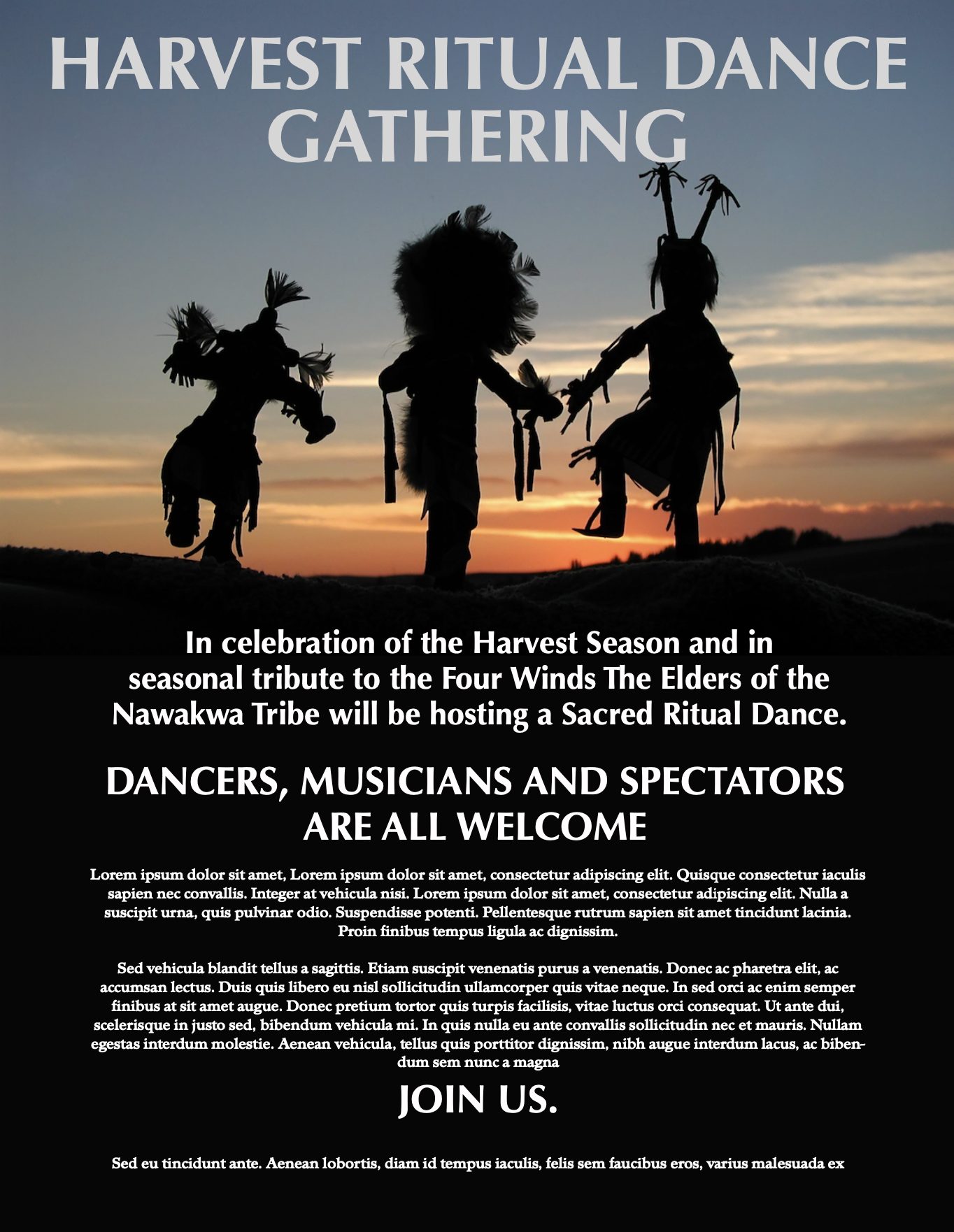
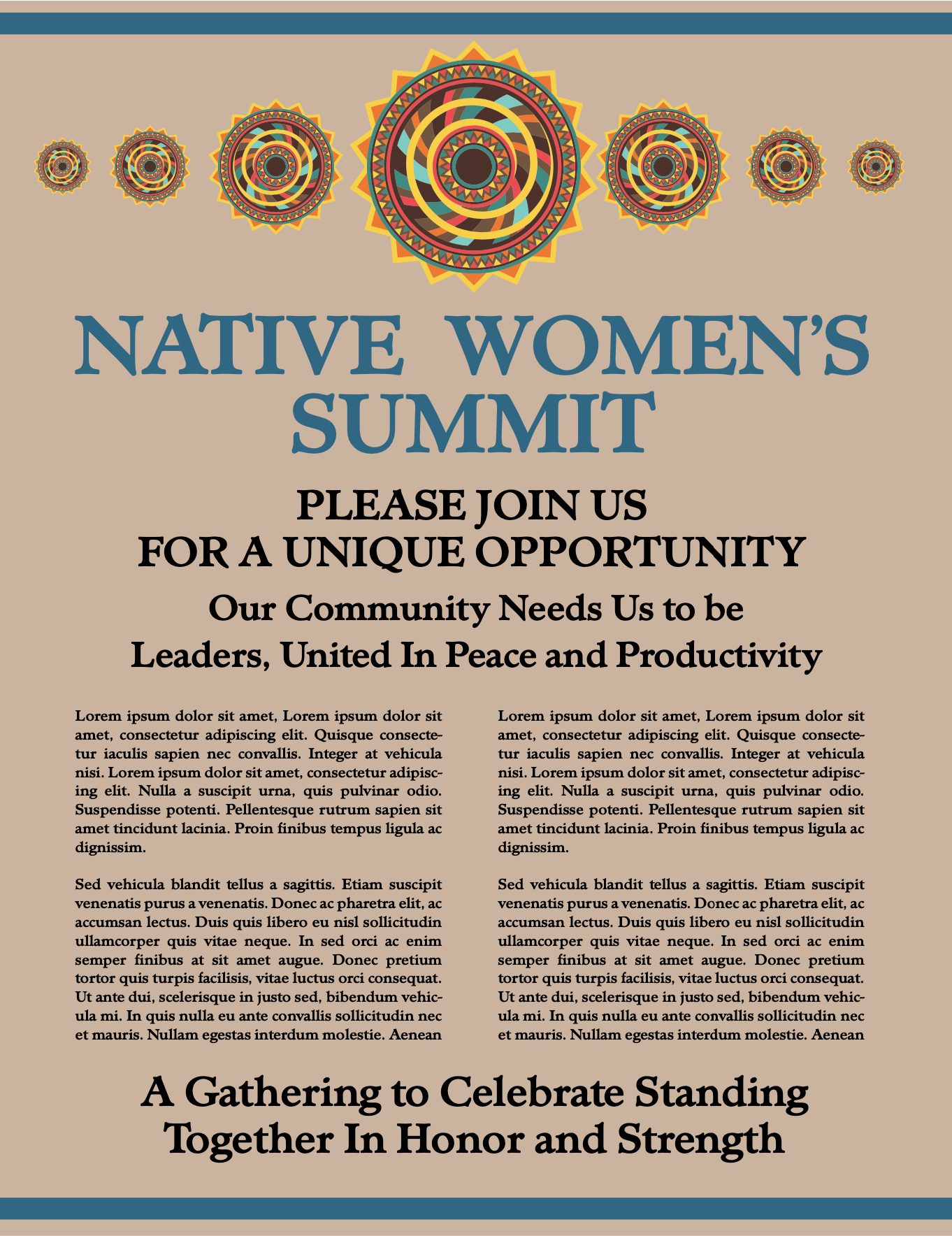
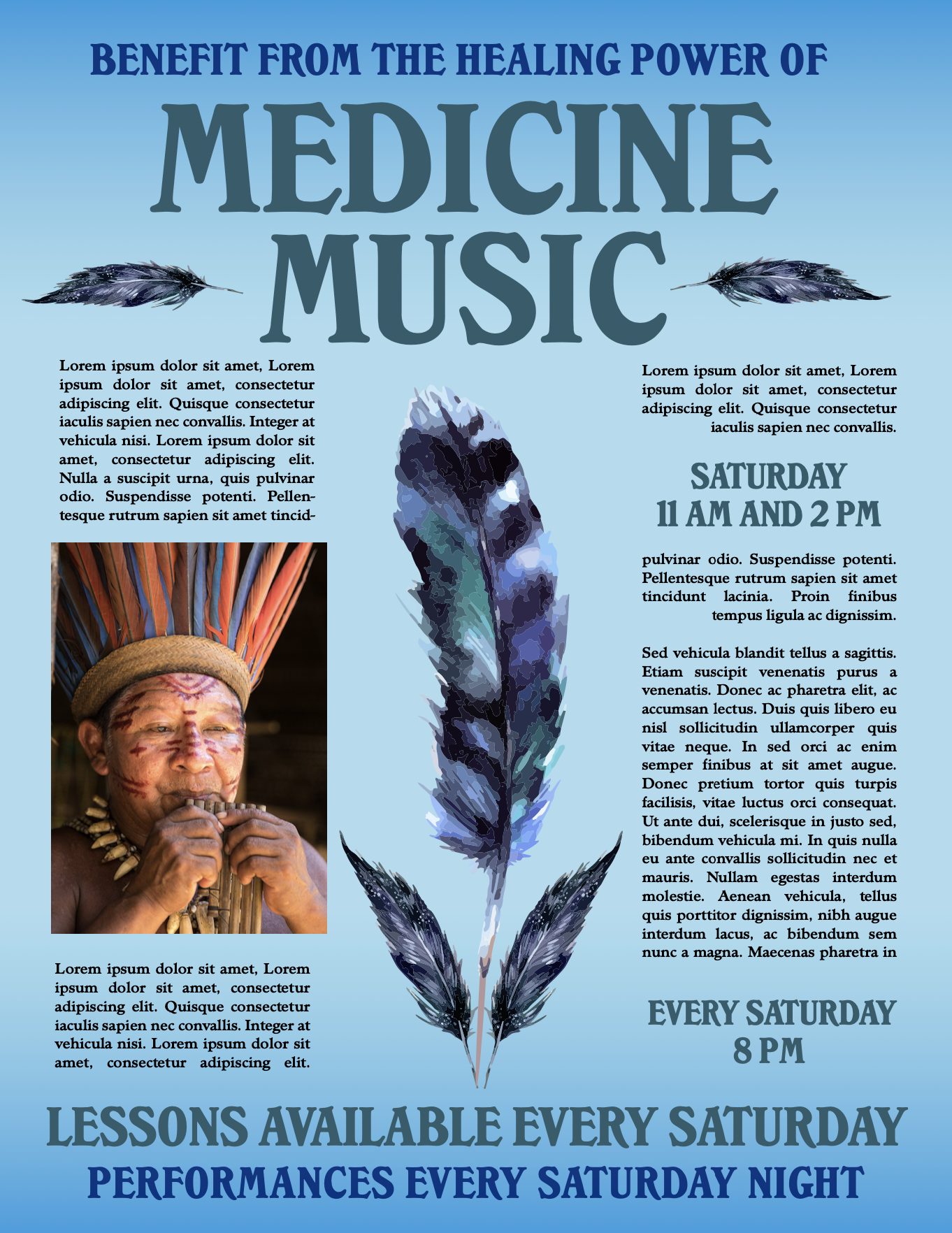
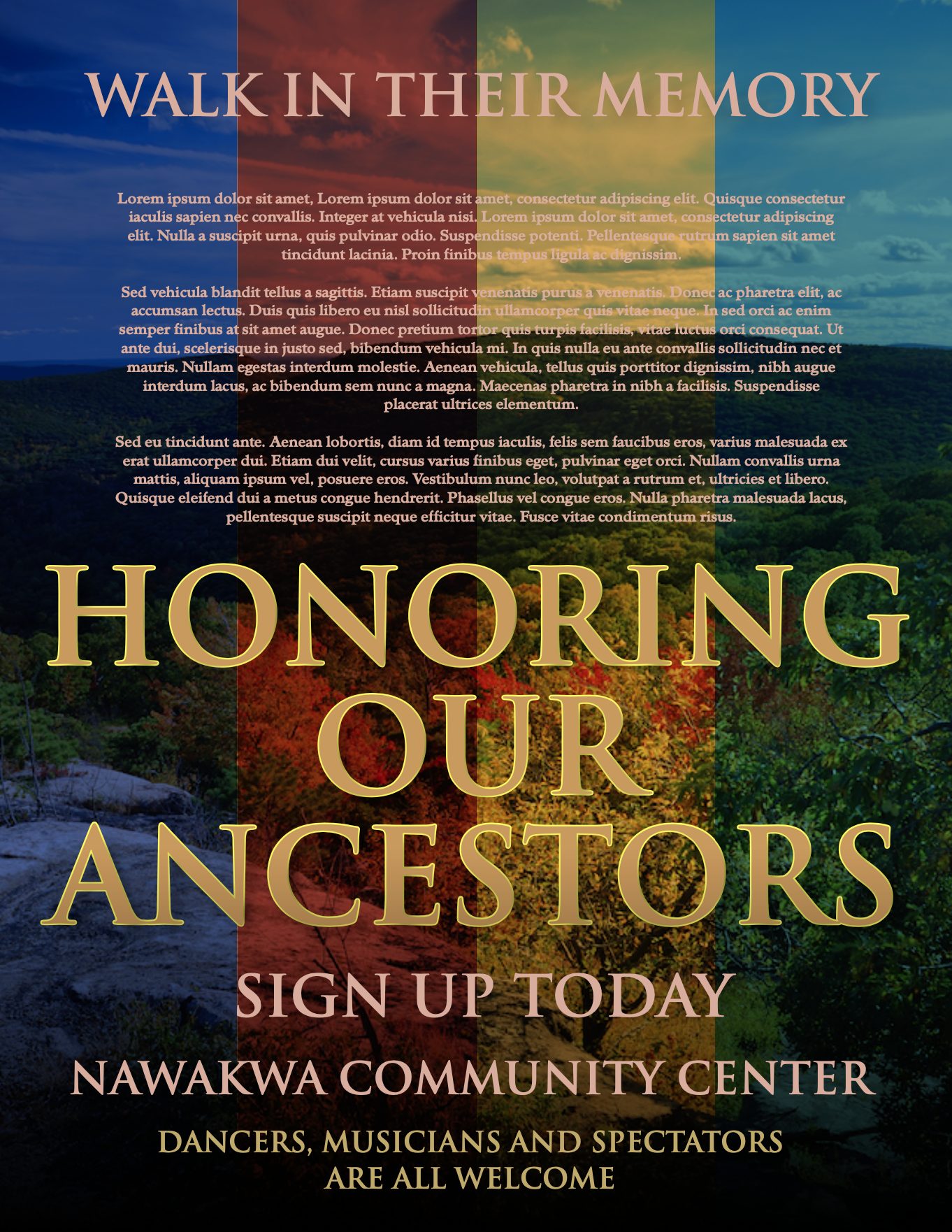
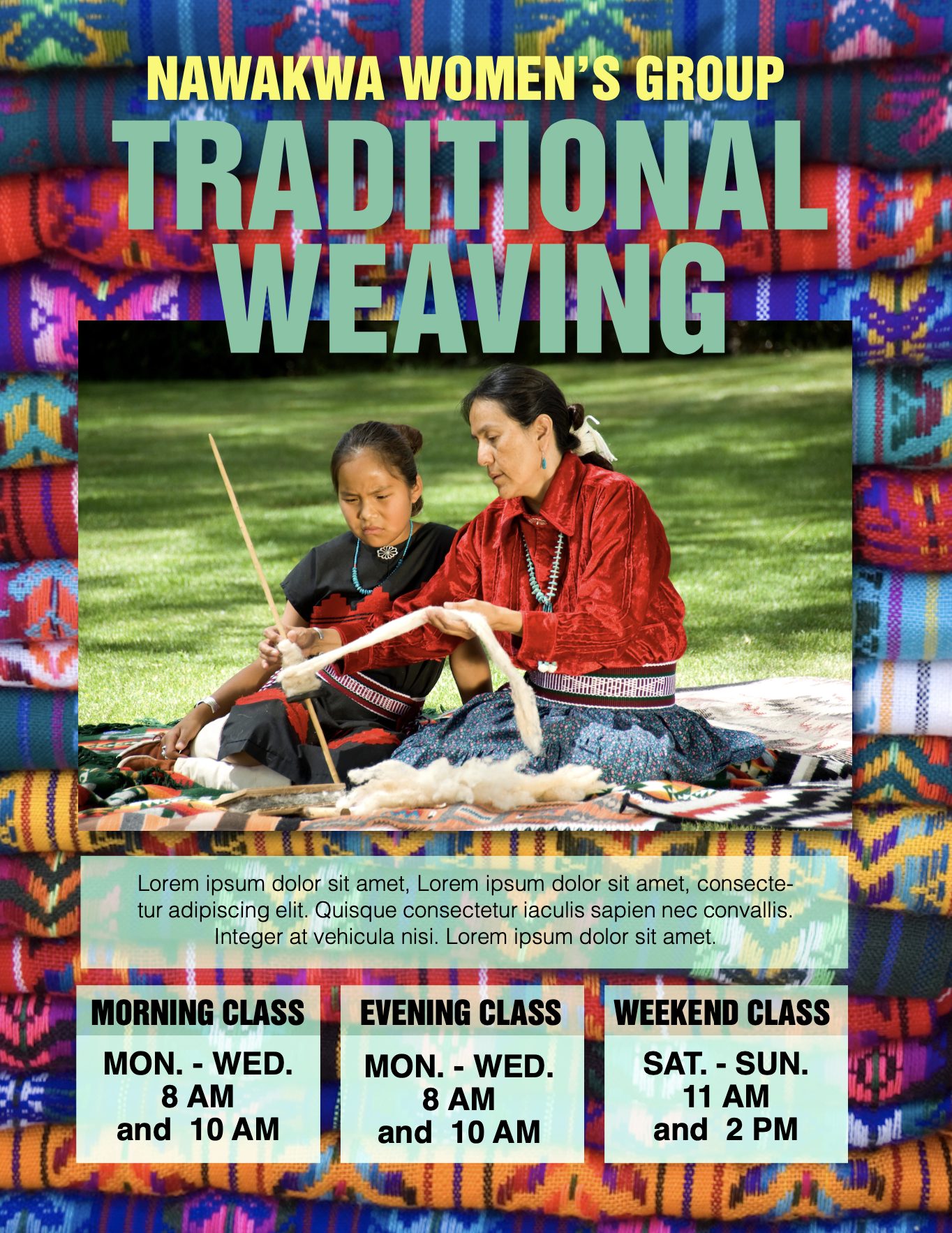
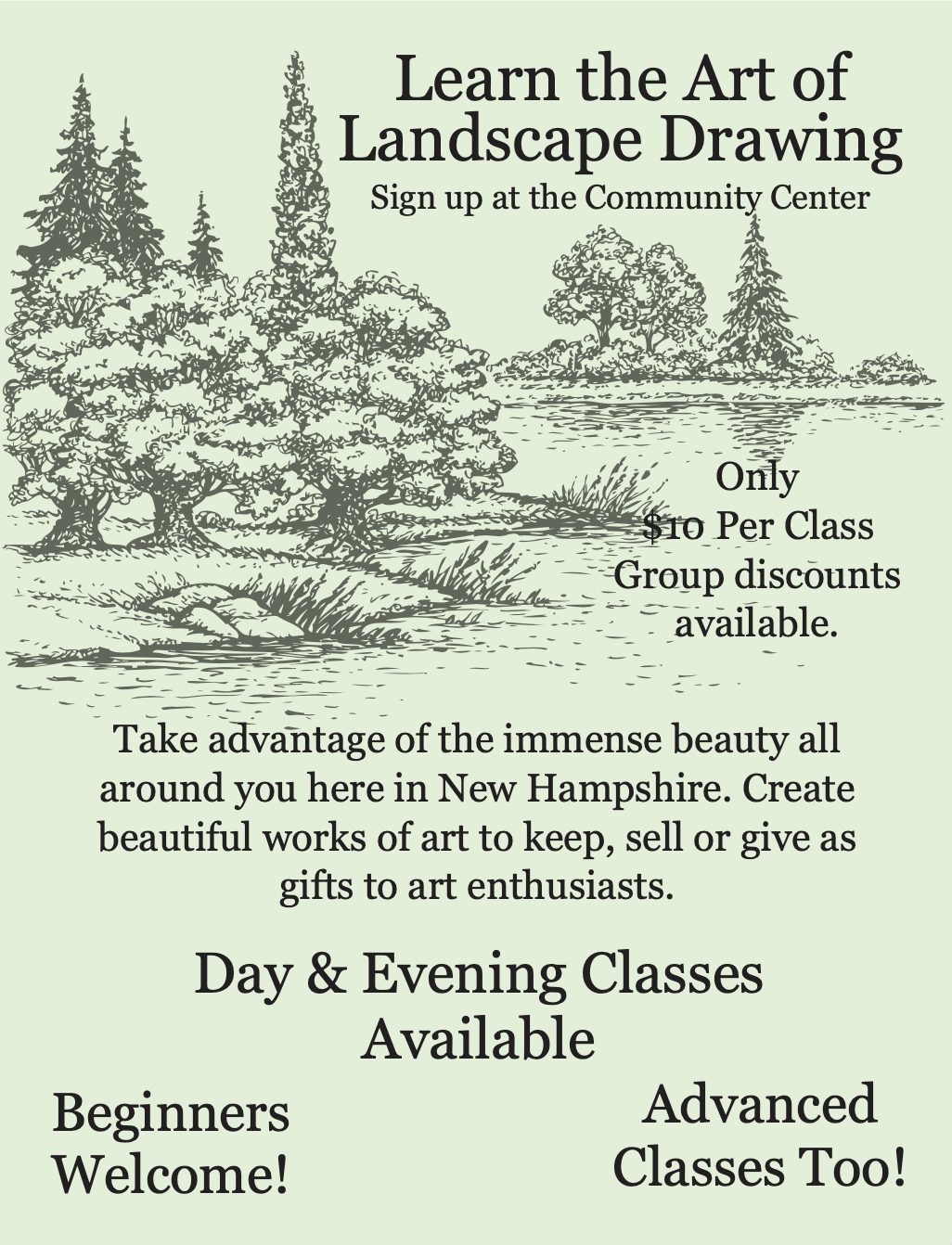
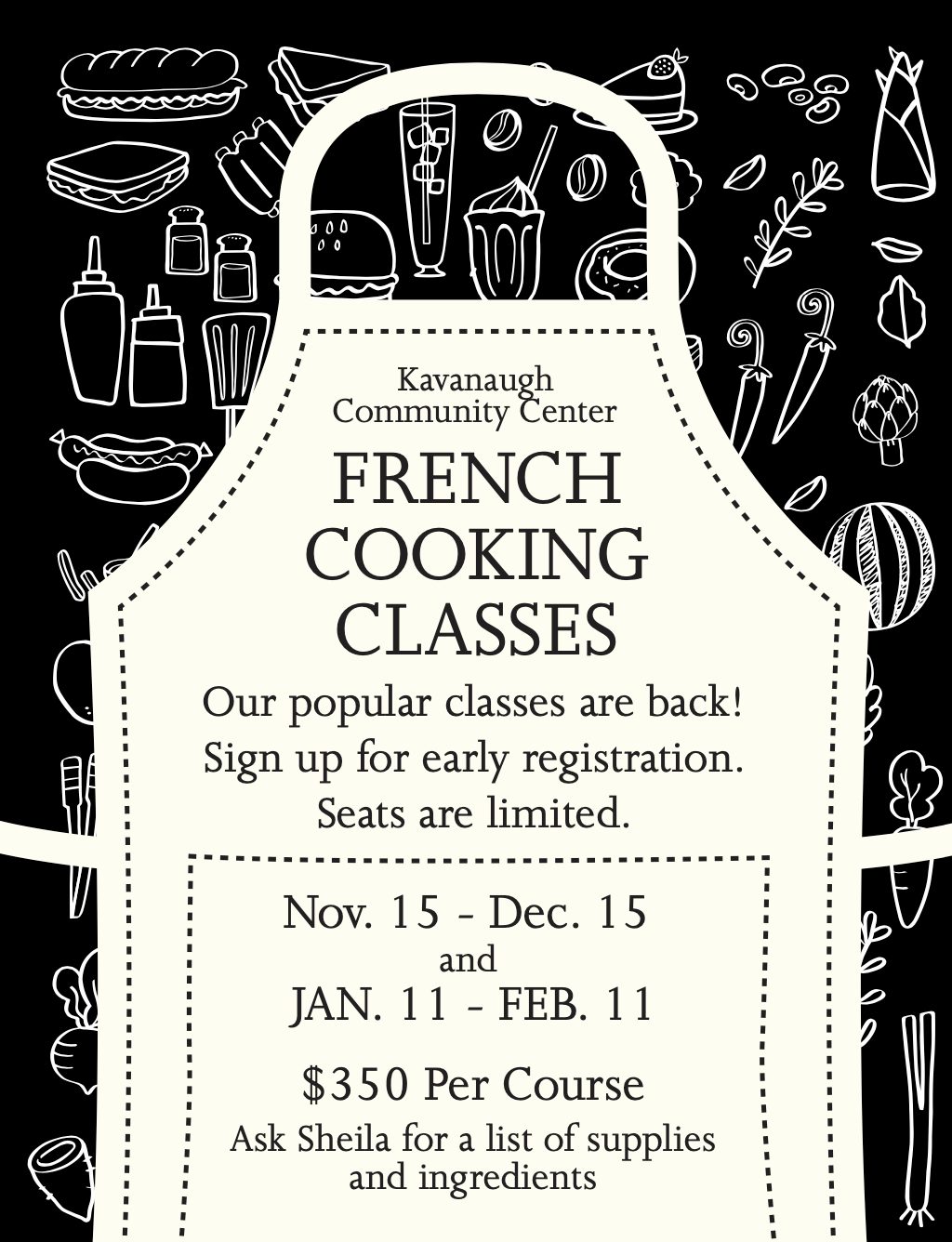
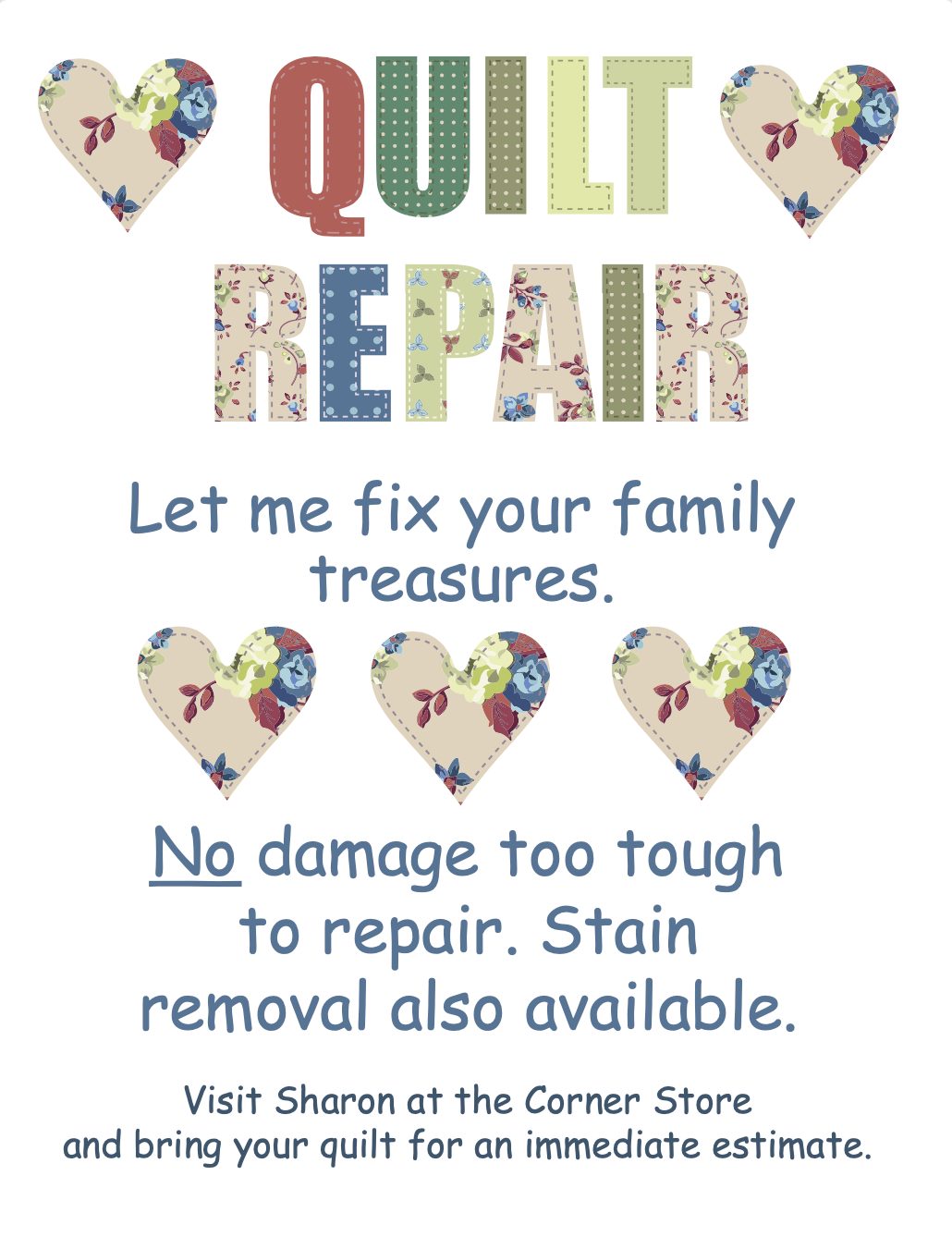
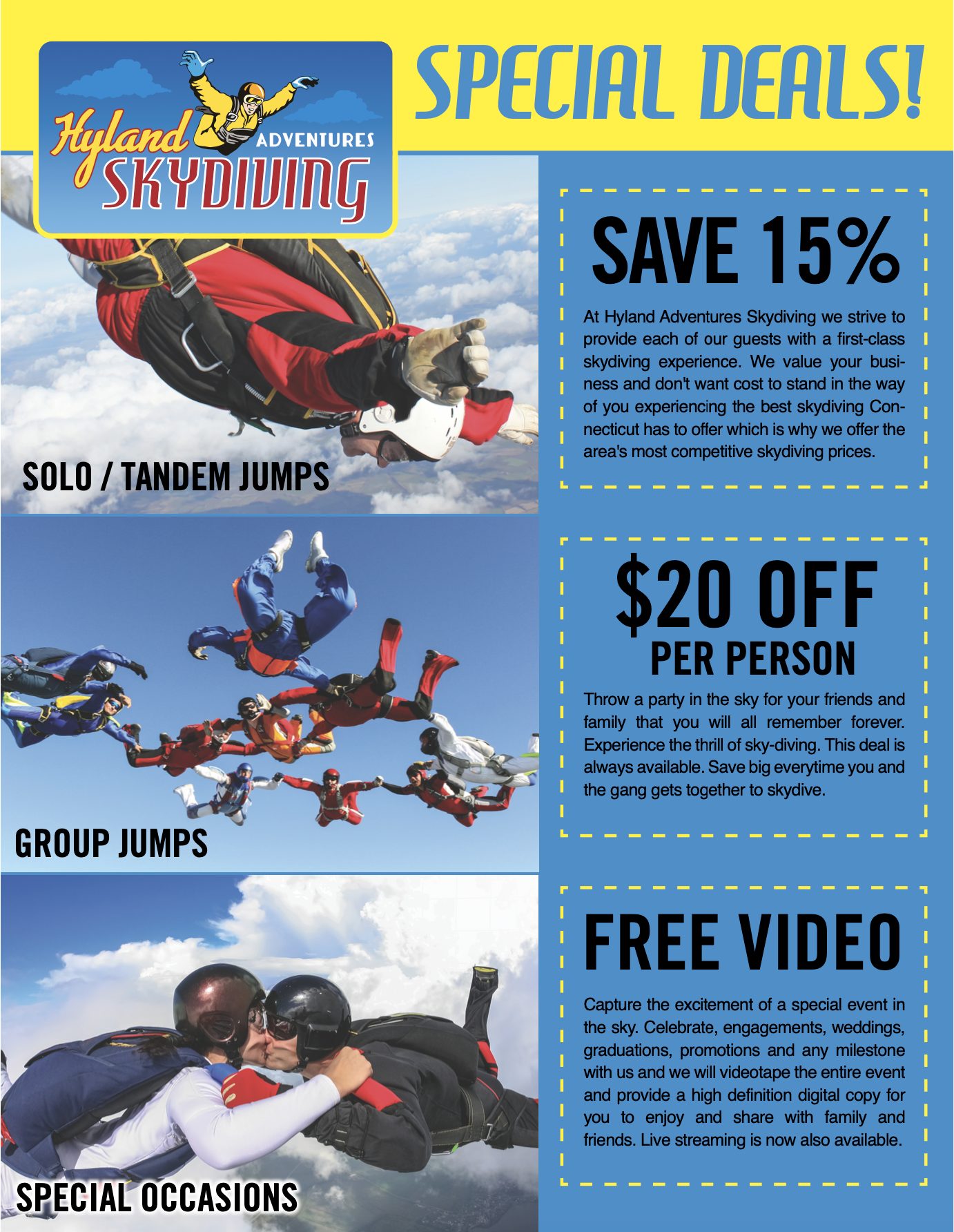
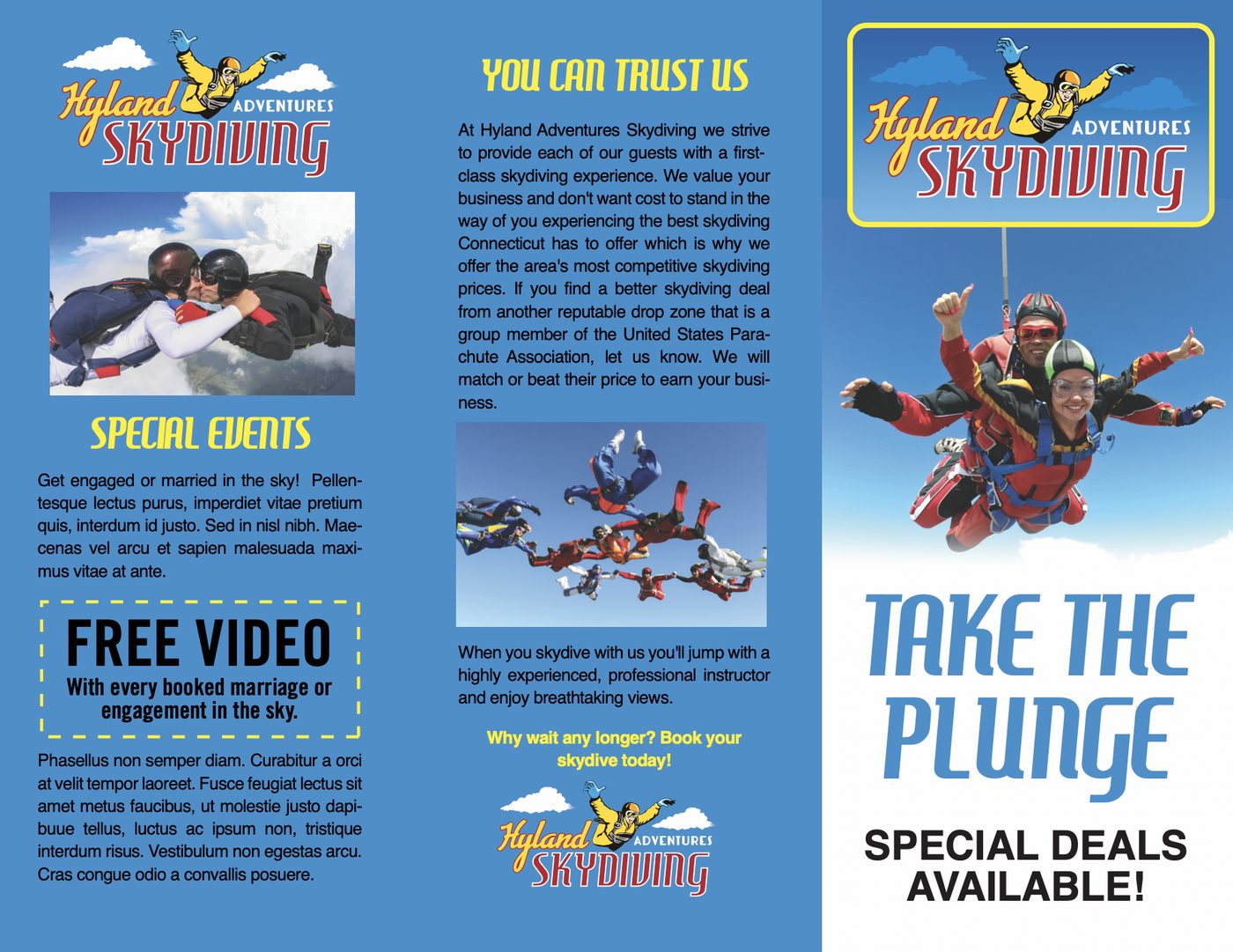
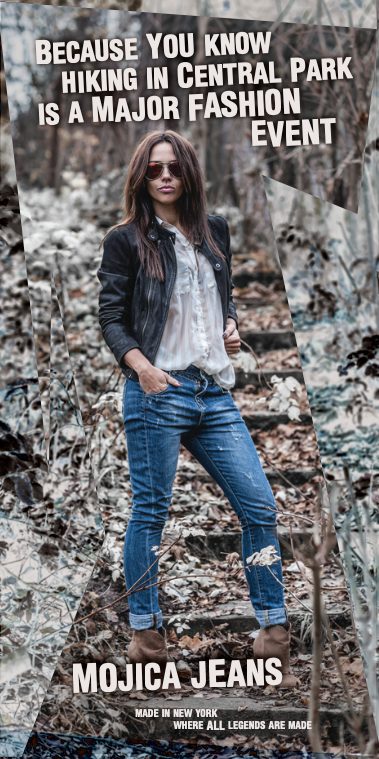
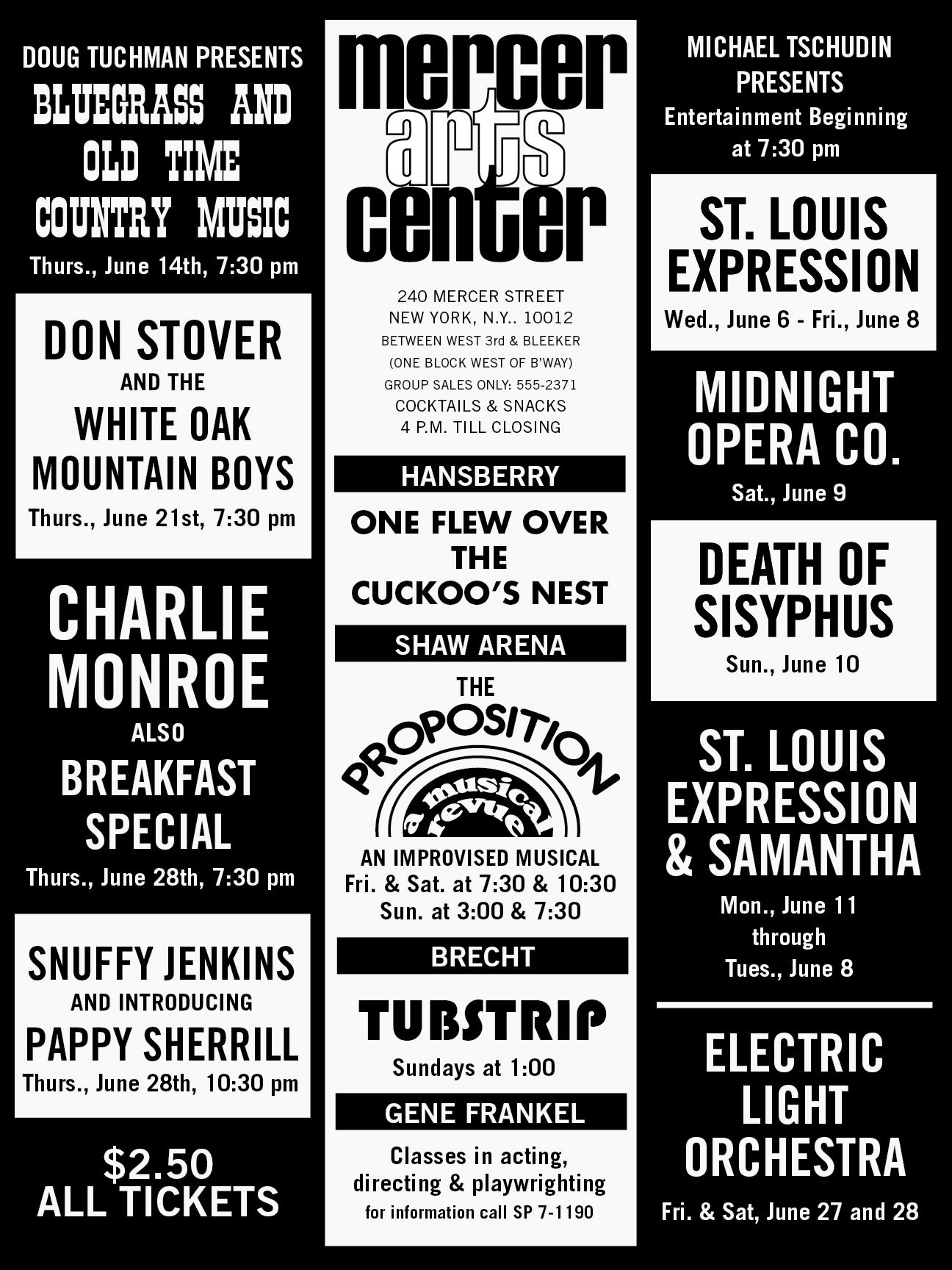
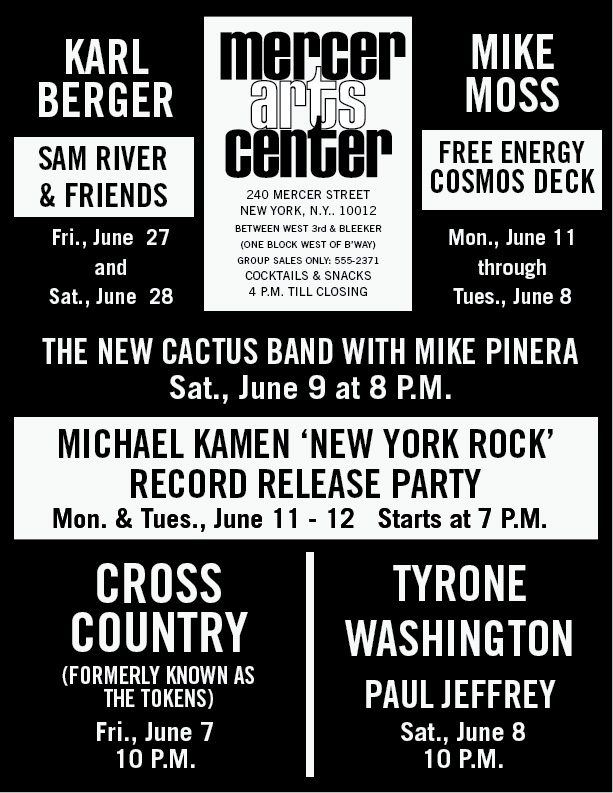
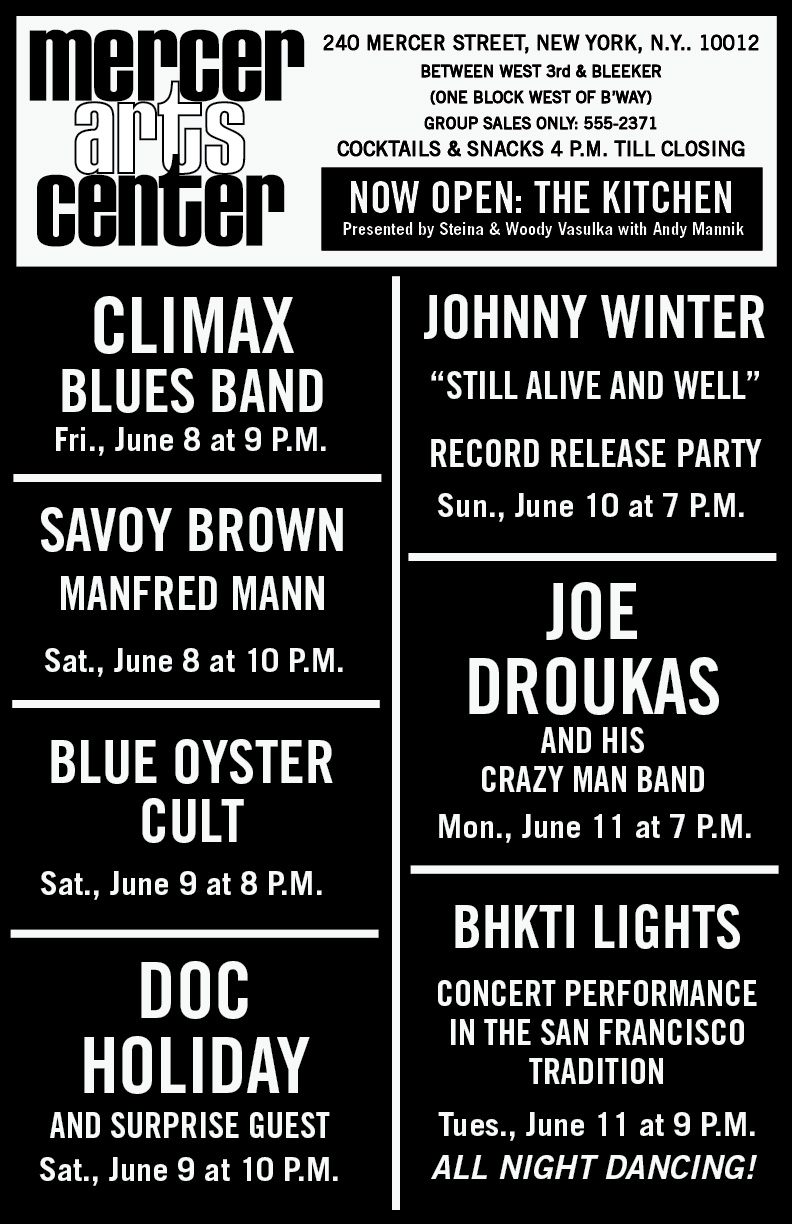
The print that dresses a noticeboard, a lobby or a character’s hand. Community classes, a skydiving centre, a theatre’s season listings, a college recruitment poster — each in the visual language of an organisation with no design budget.


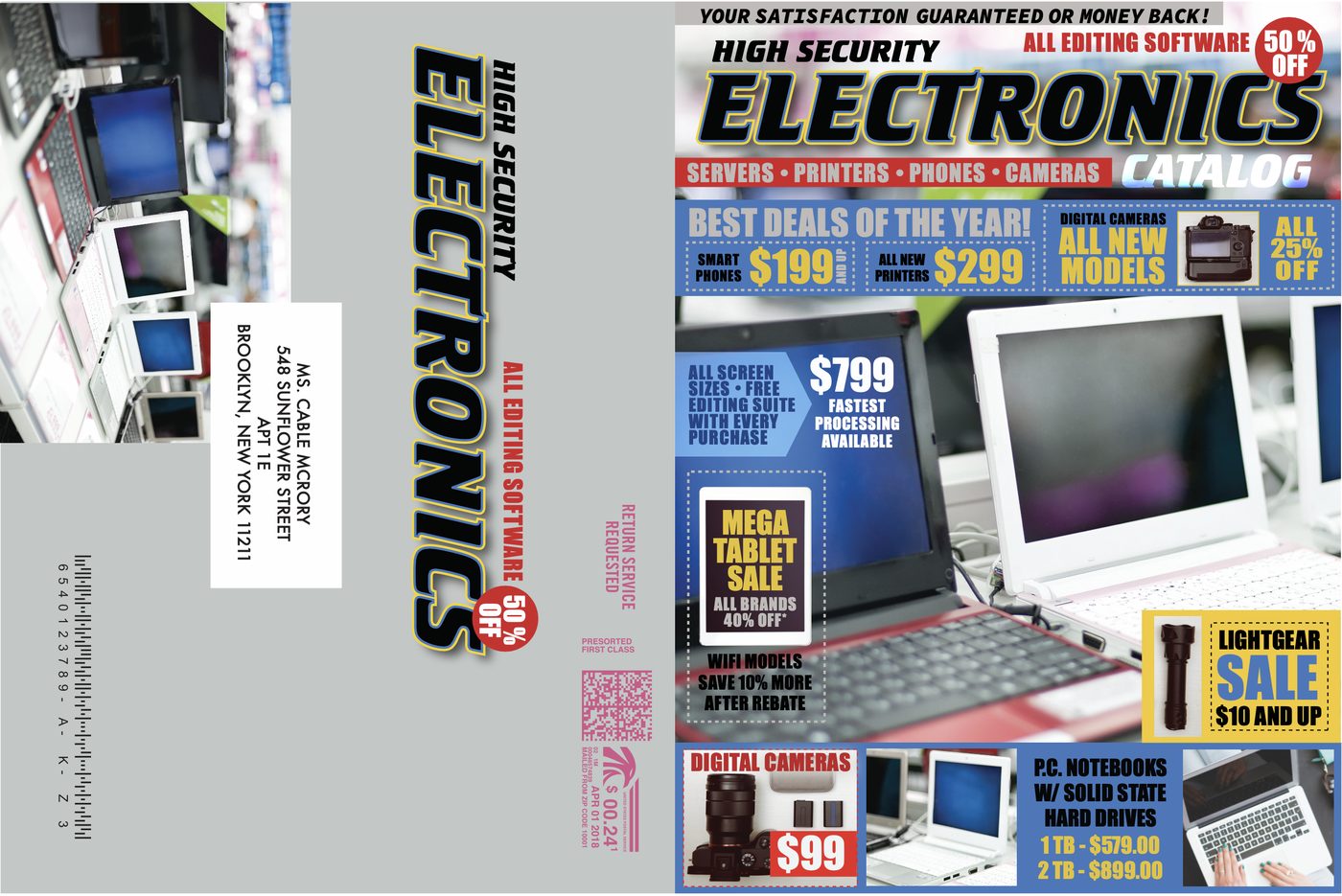
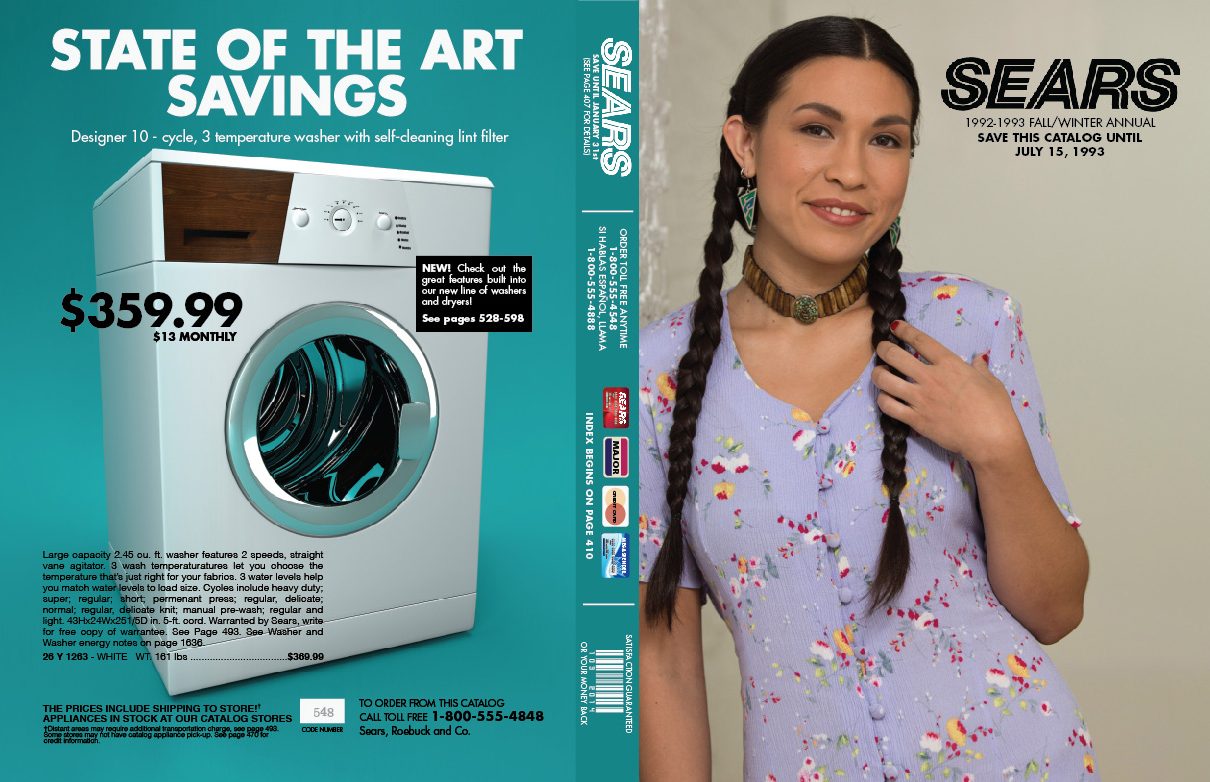
Catalogues
Multi-page product print, which means grids, part numbers and photography that has to read as stock rather than as art direction.
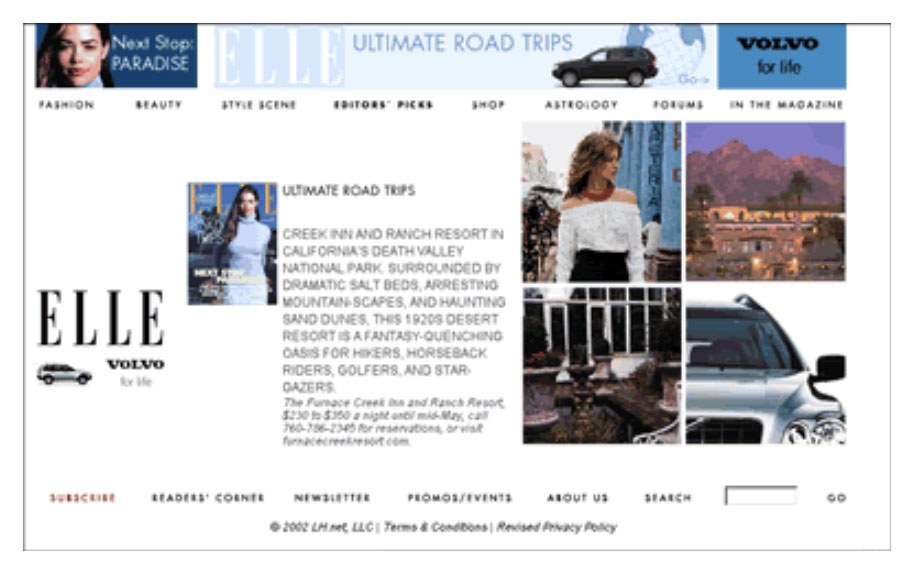
Before television
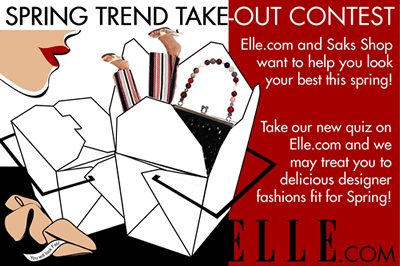
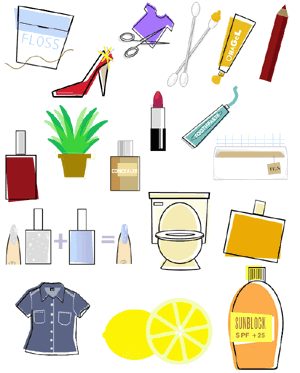
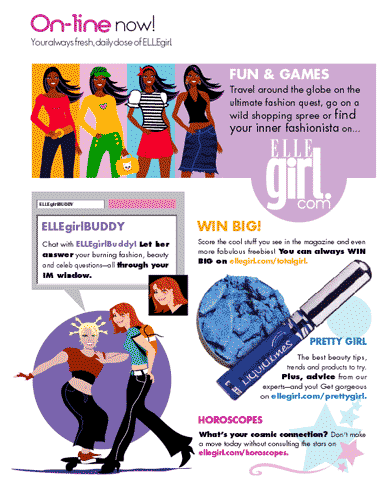
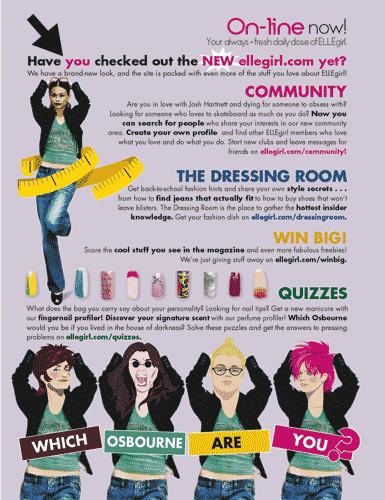
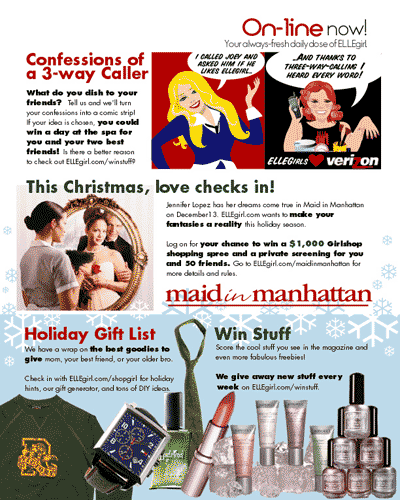
The web work that came first, back when a page was 600 pixels wide and every image had to be drawn to survive a 256-colour palette. Pages, icons and print promotion for ELLE.com and ELLEgirl.com.
The stand-up years
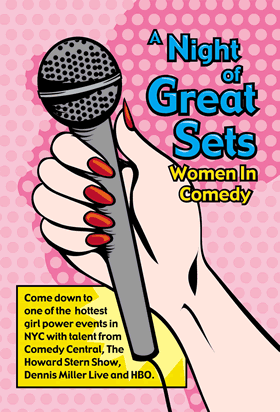
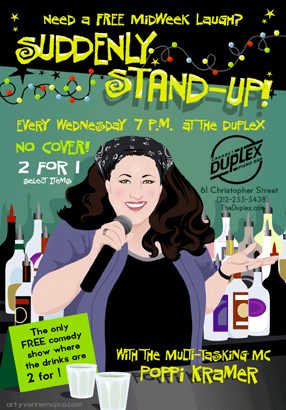
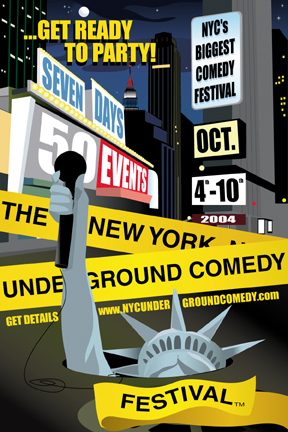
Print for the rooms she was actually playing — a weekly show, a women-in-comedy night and a festival. Handbill work, which means it has to read at arm’s length on a wall and still survive being photocopied.
Editorial illustration
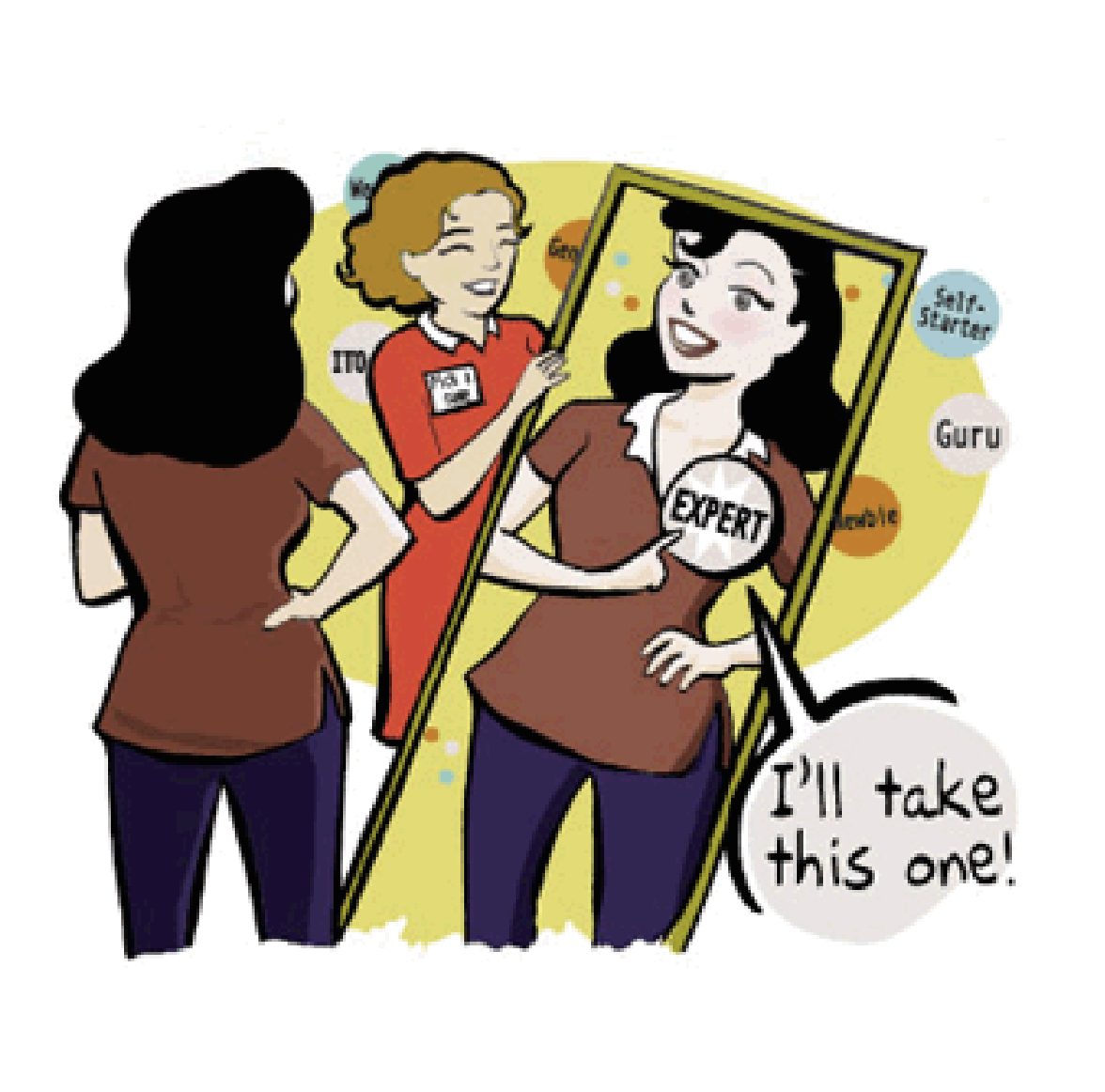
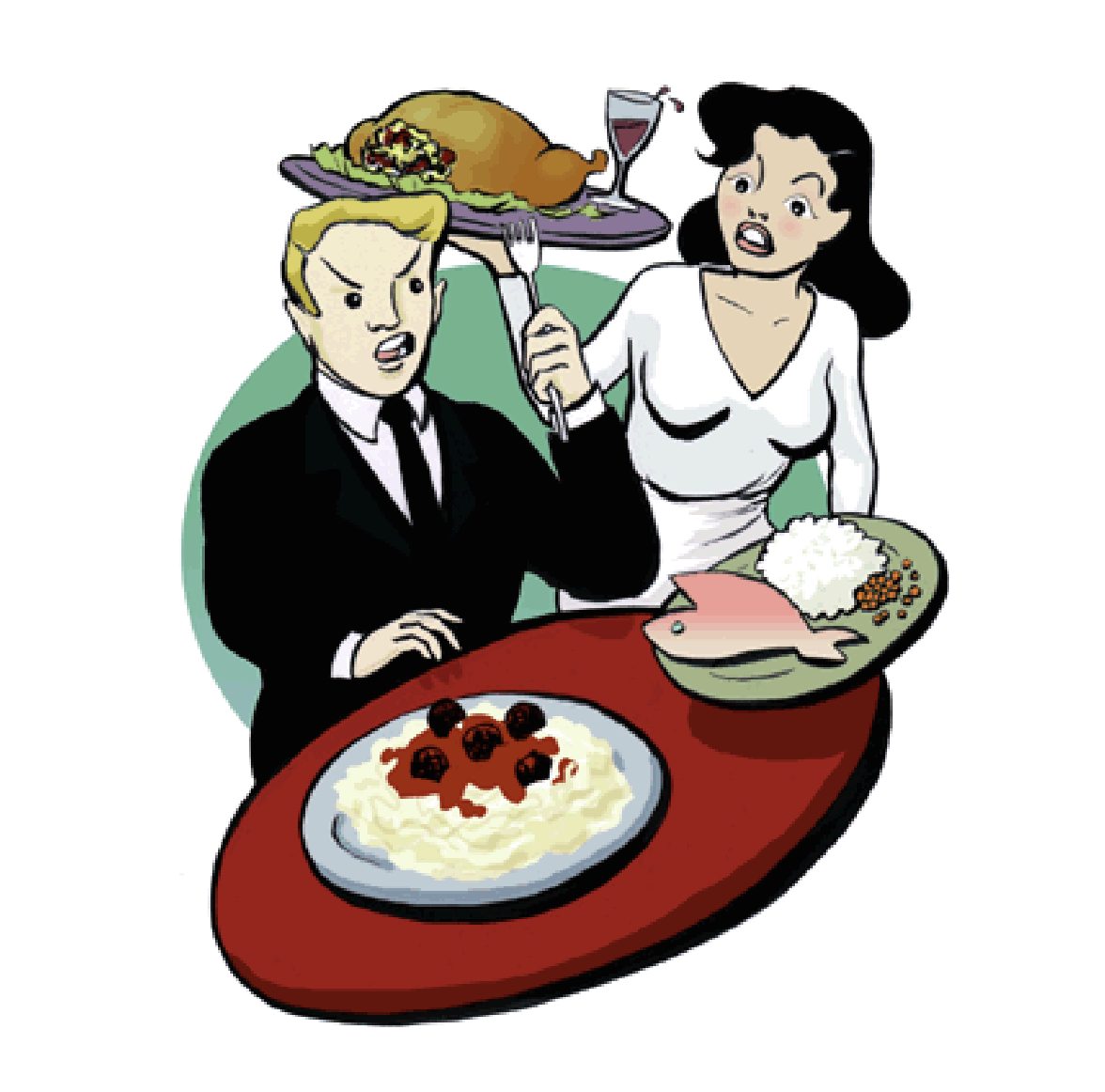
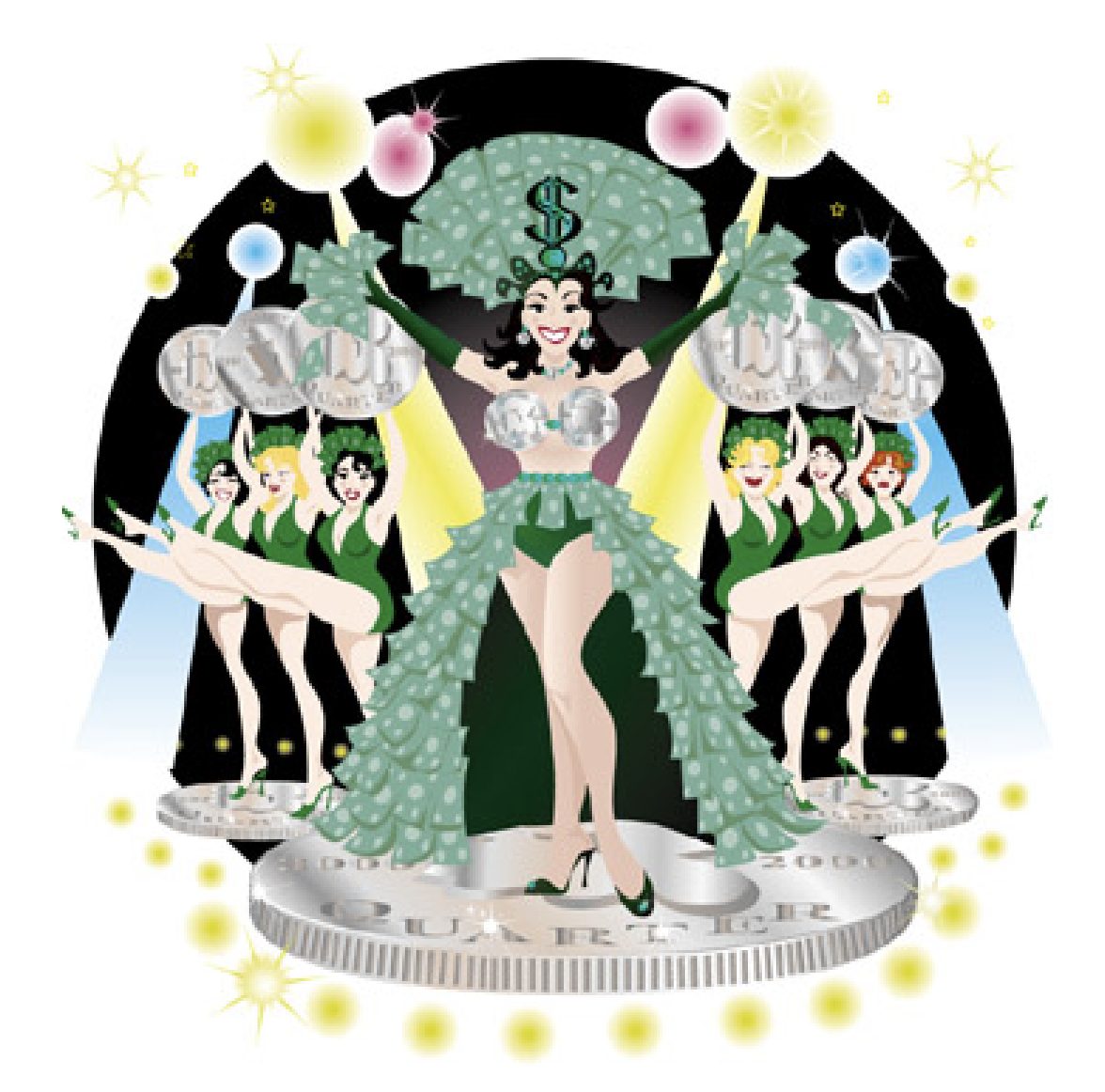
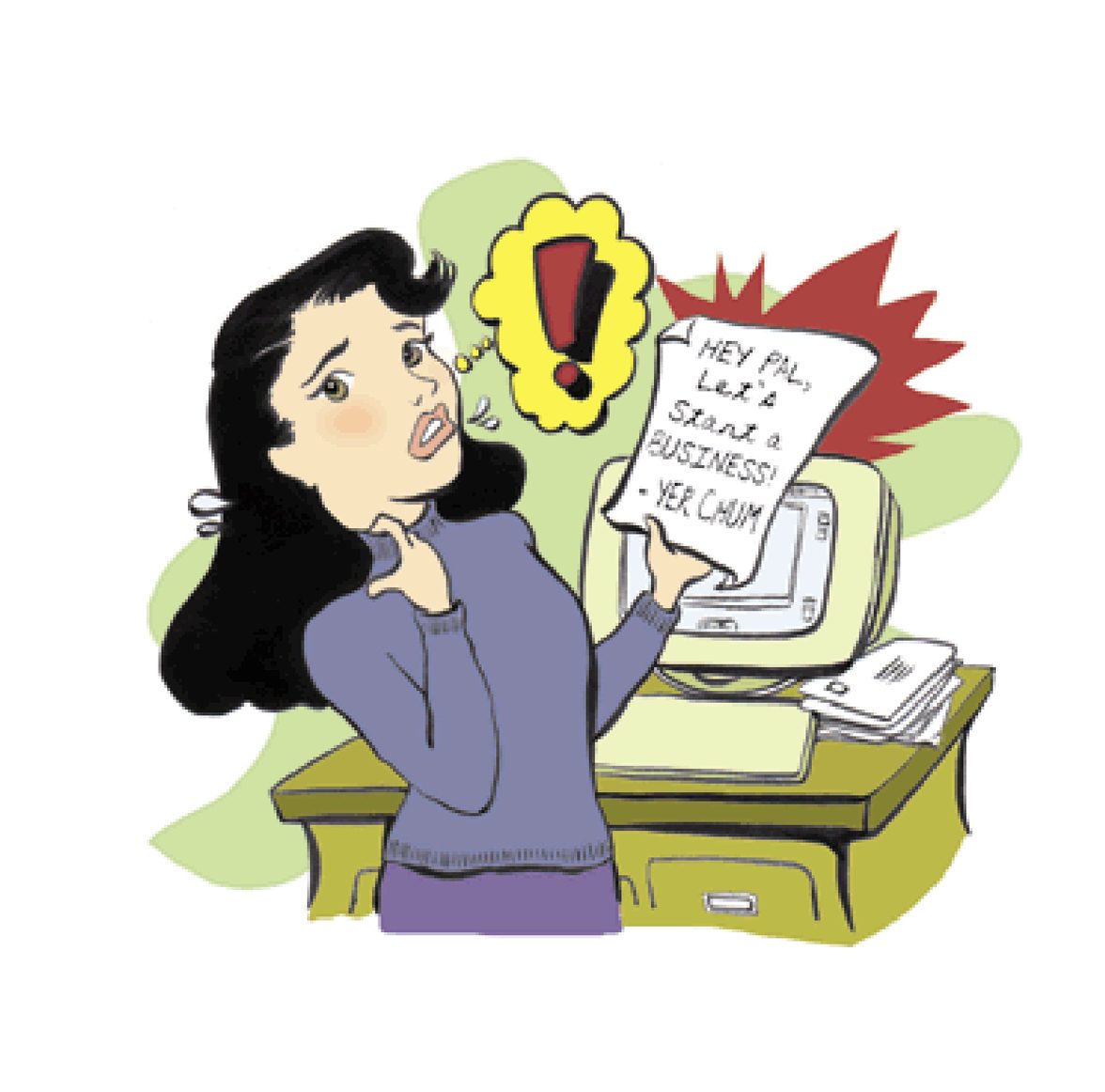
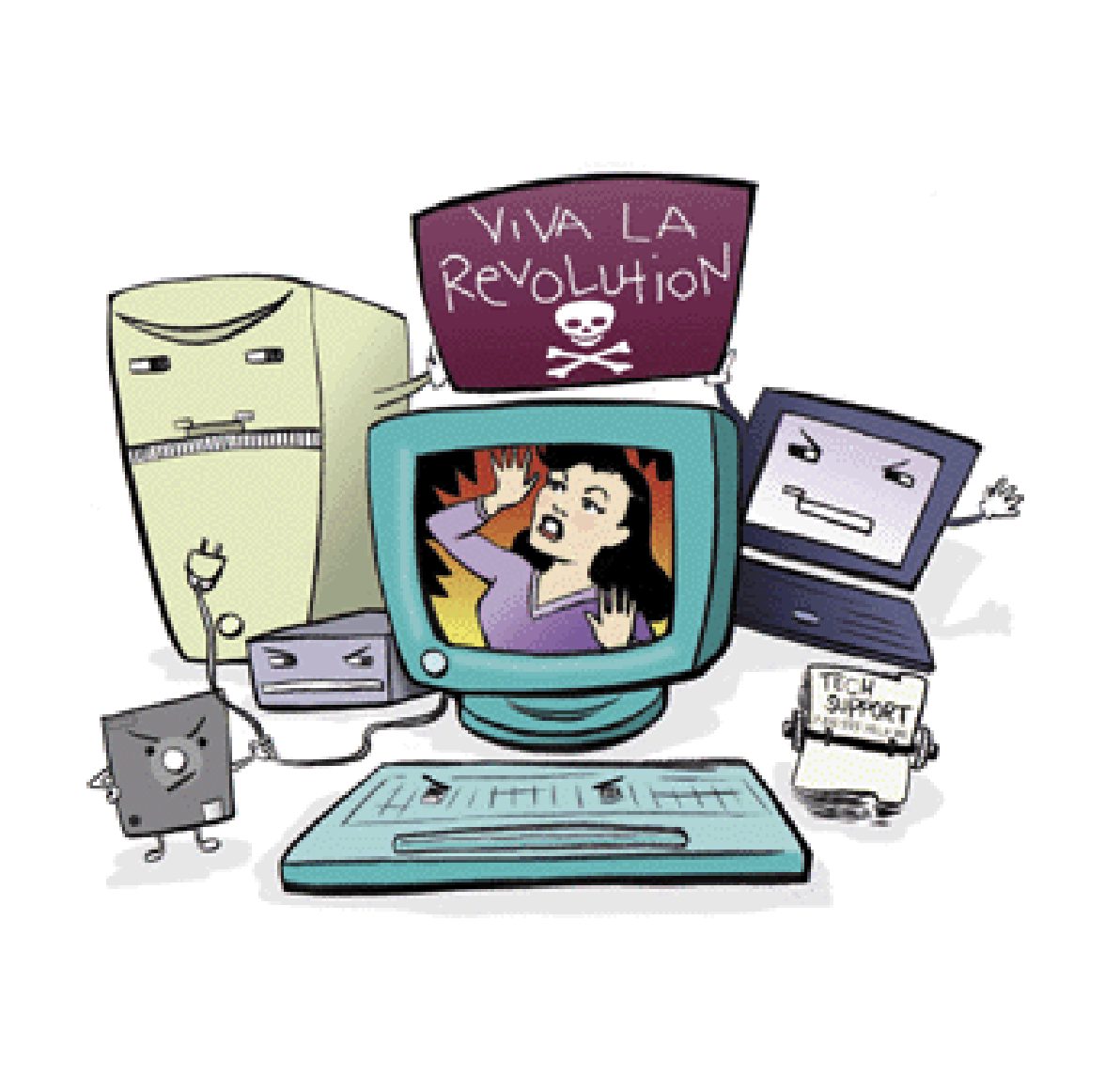
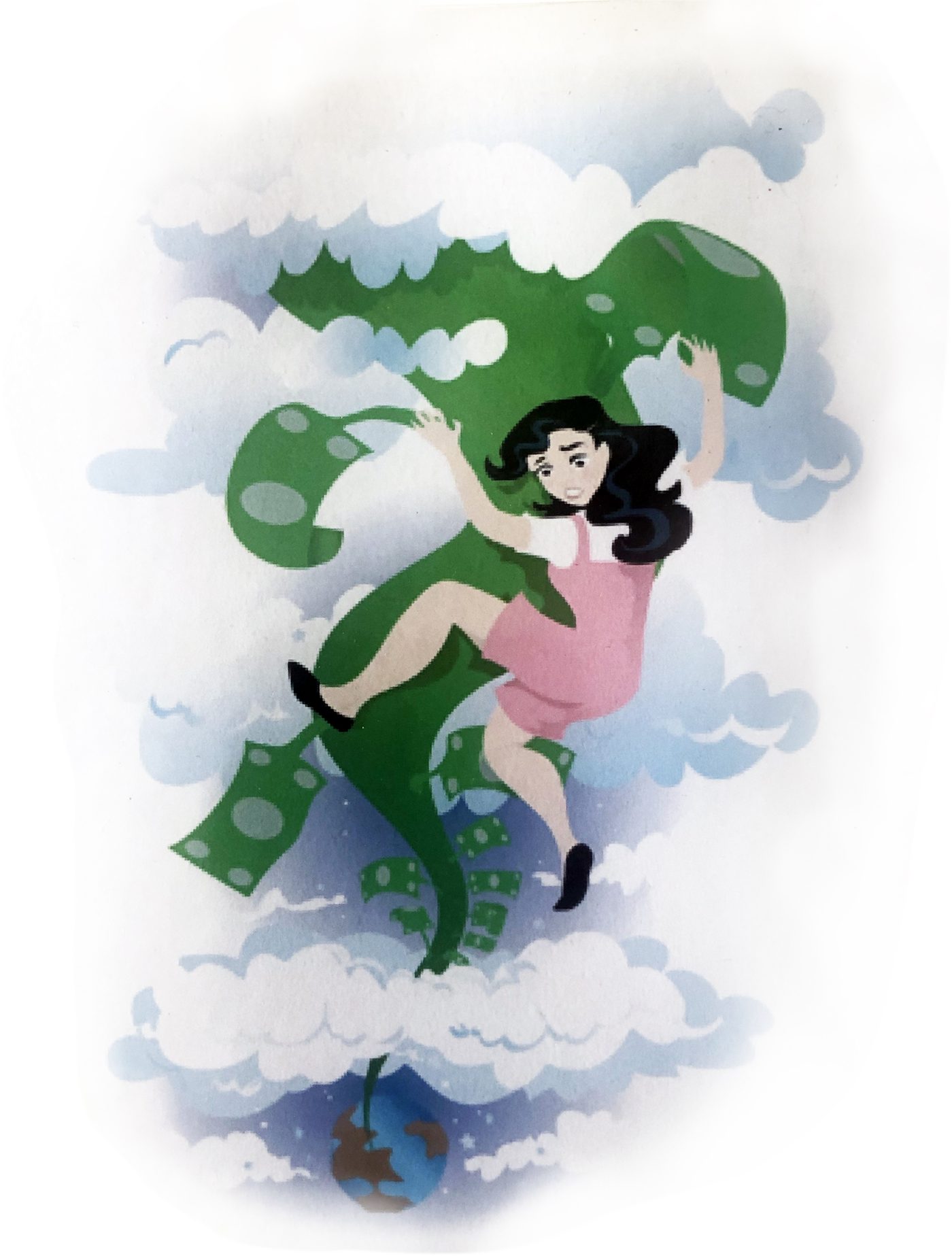
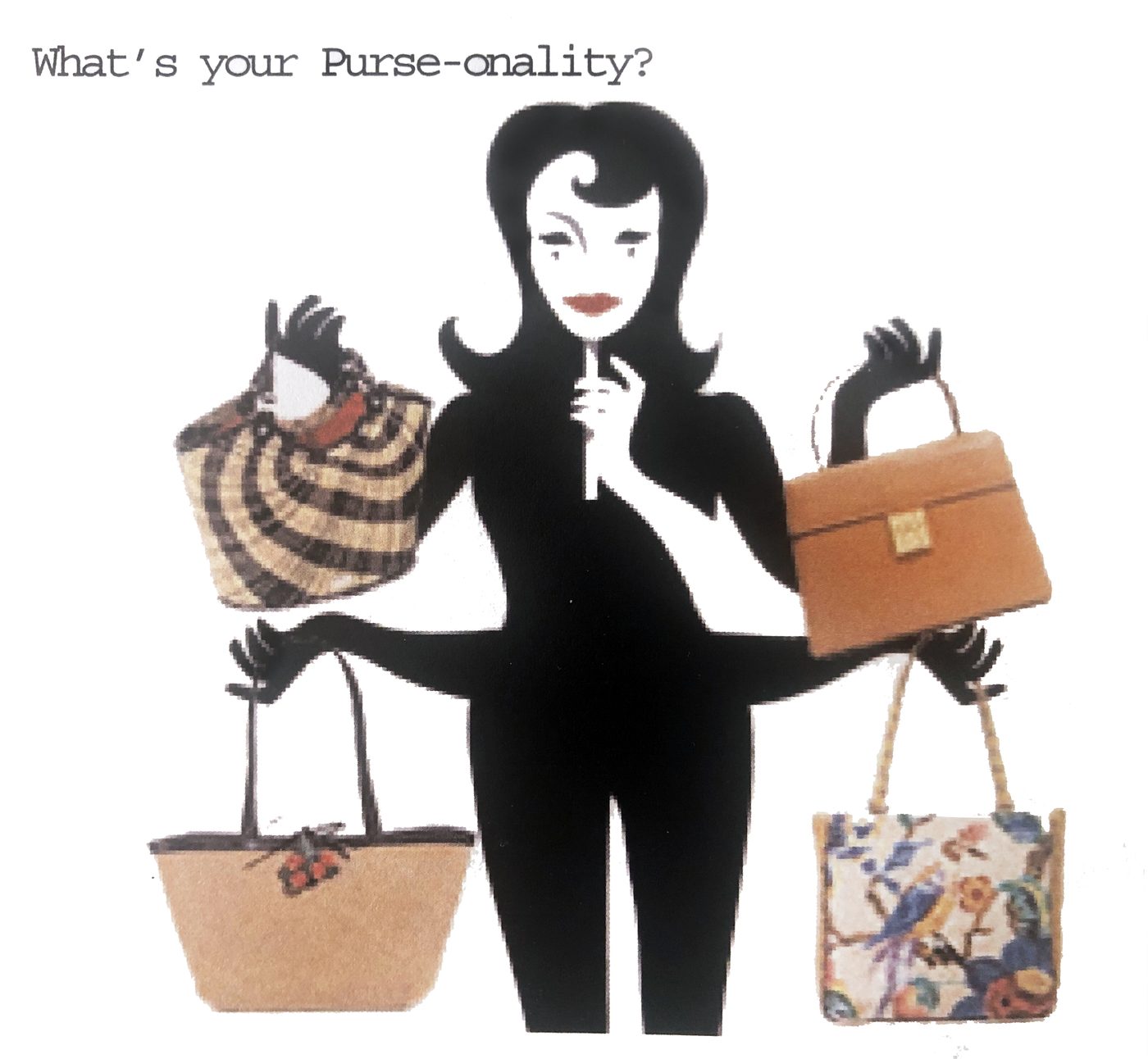
Single-panel editorial drawings, worked up as a set, and one comic-strip panel from the same habit of thinking in single images.
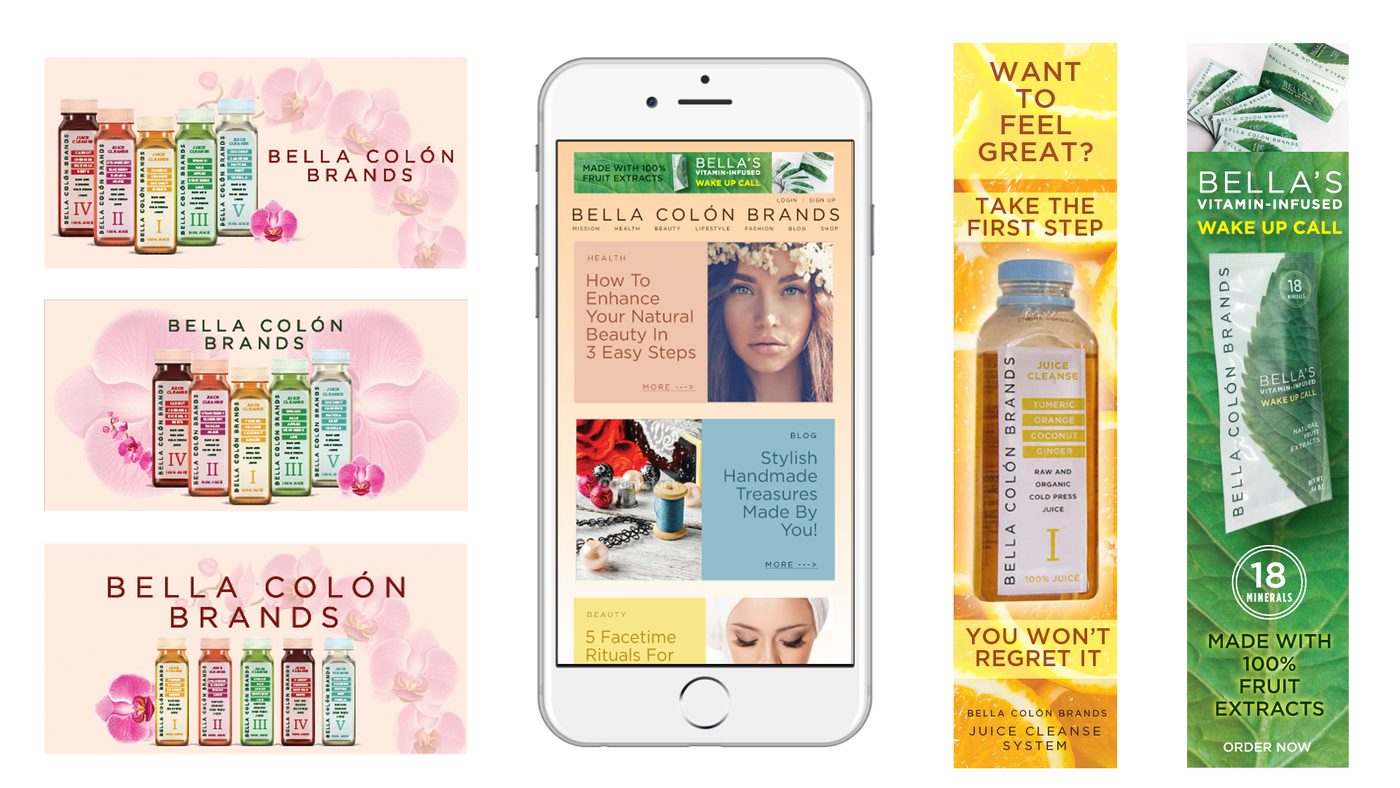
Bella Colón Brands
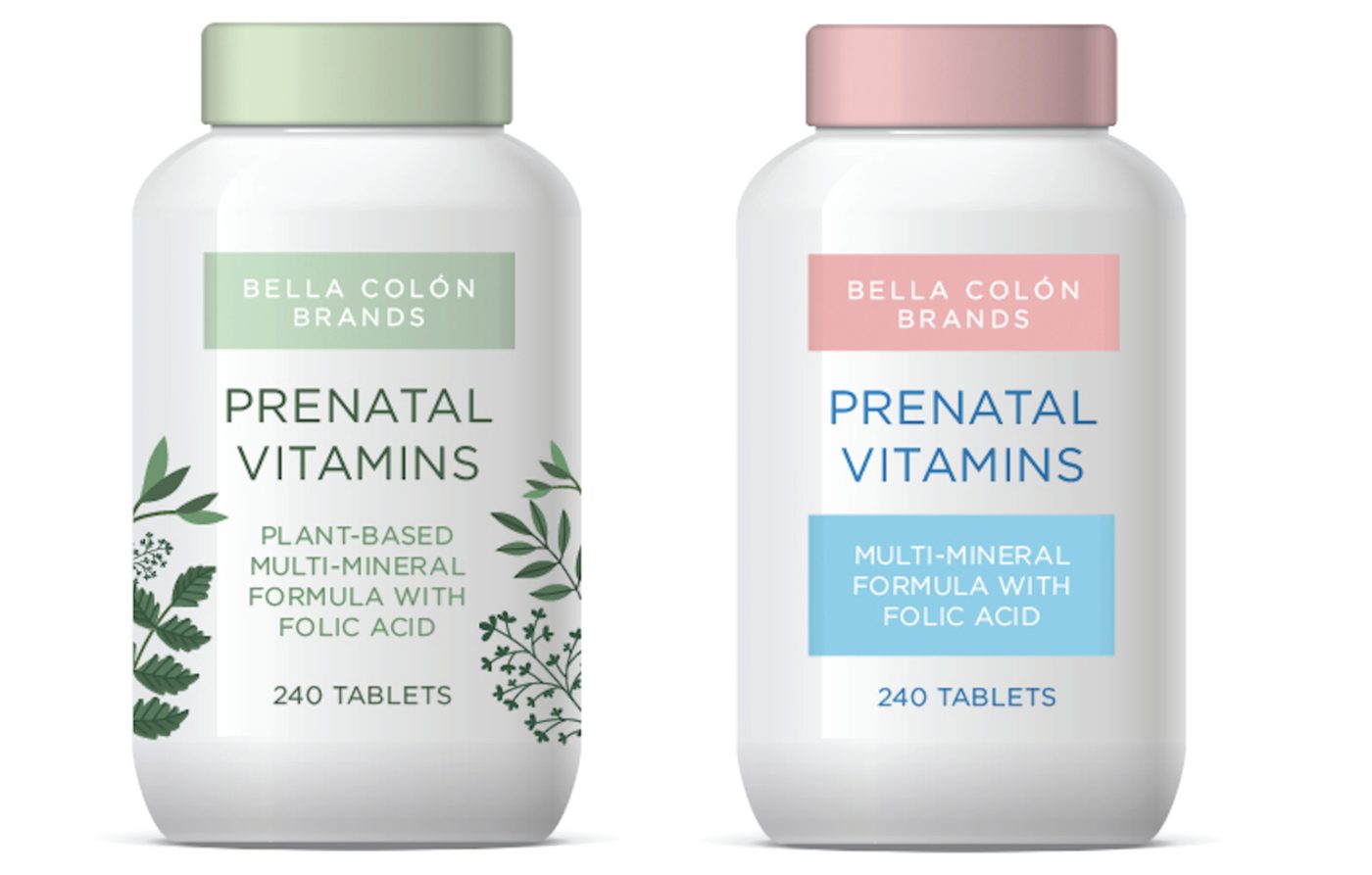
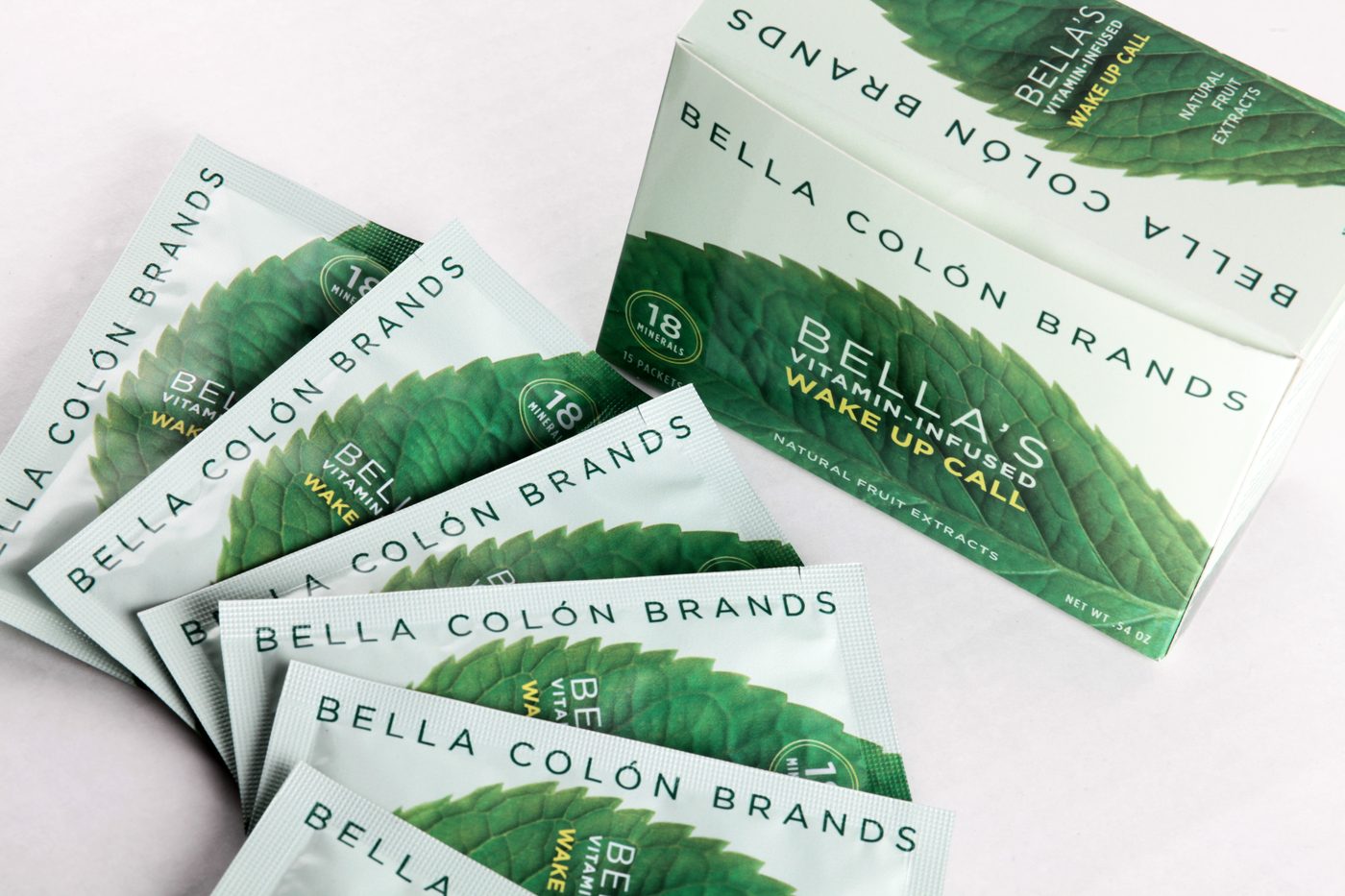
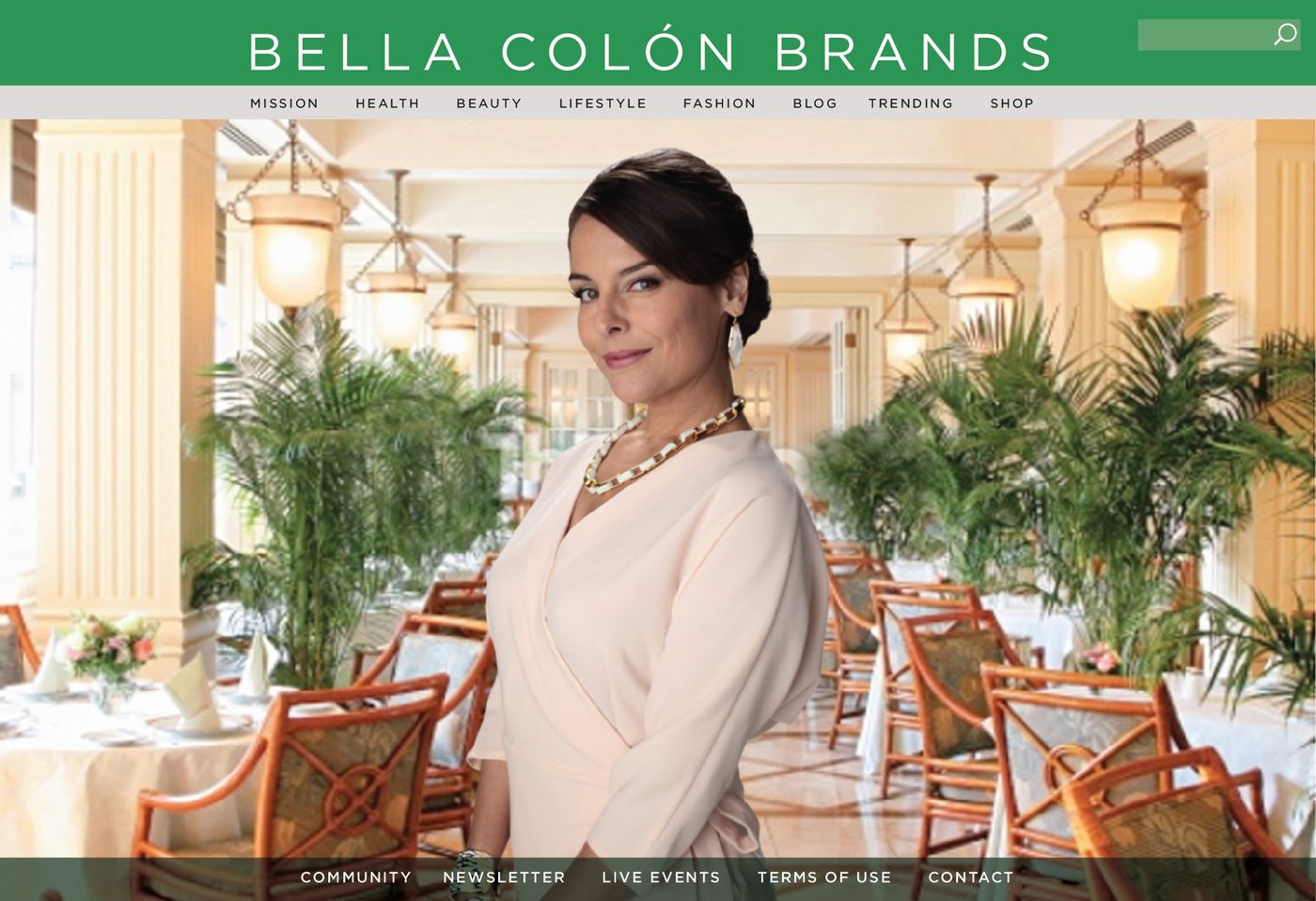
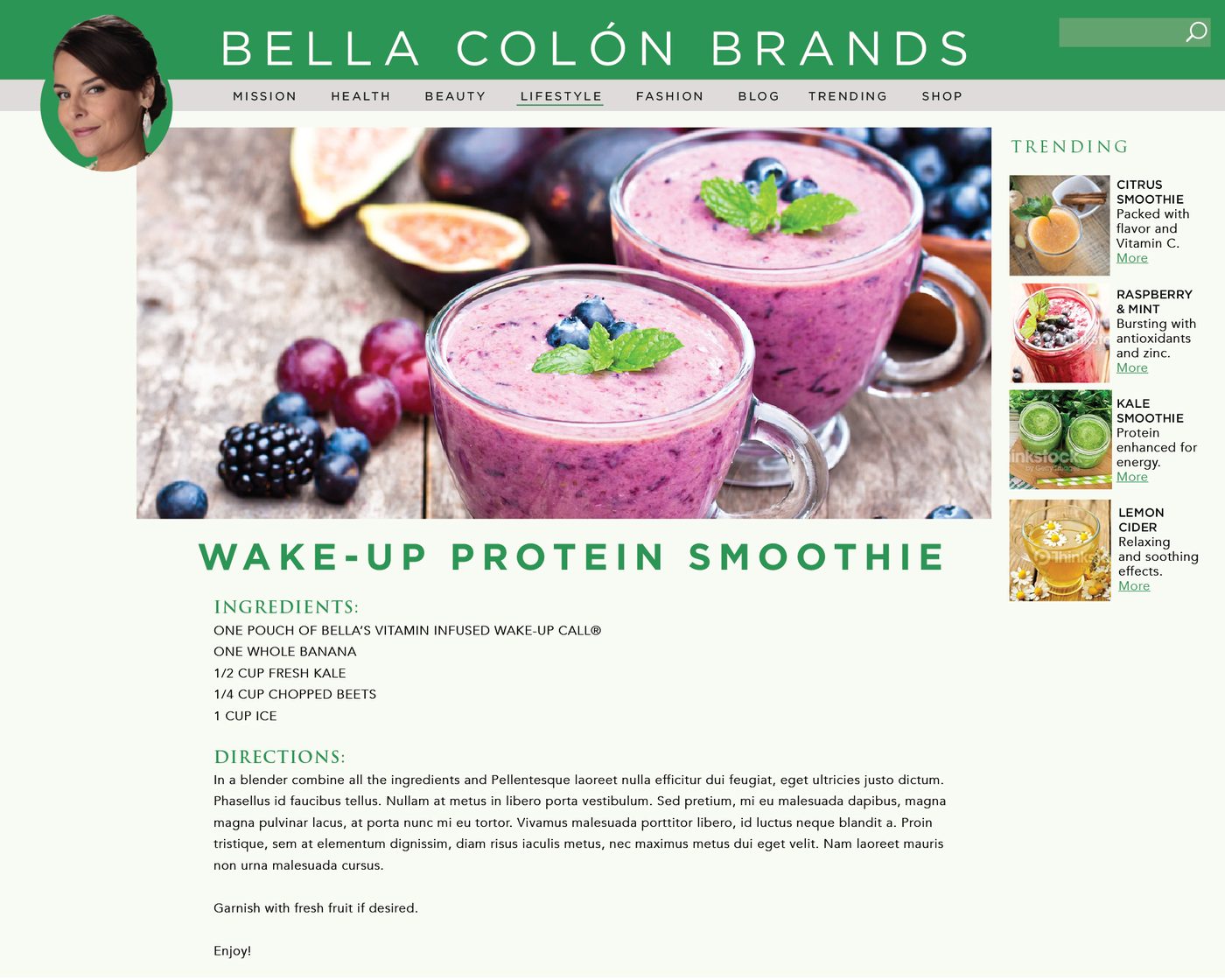
A whole brand rather than a prop: supplements, sachets and a site for a lifestyle business. Botanical line work, a soft green and blush palette, and packaging that has to survive a shelf and a phone screen equally.
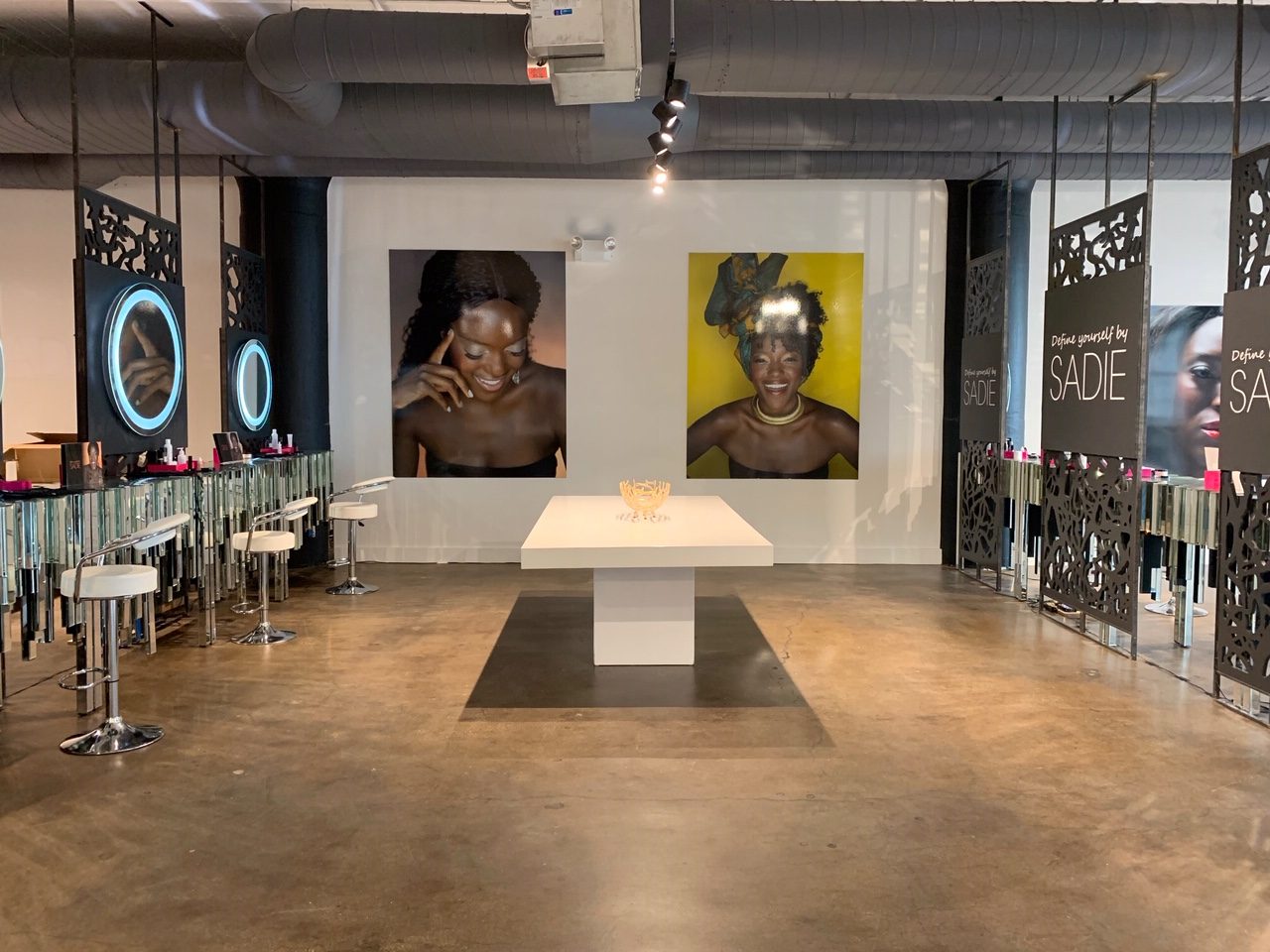
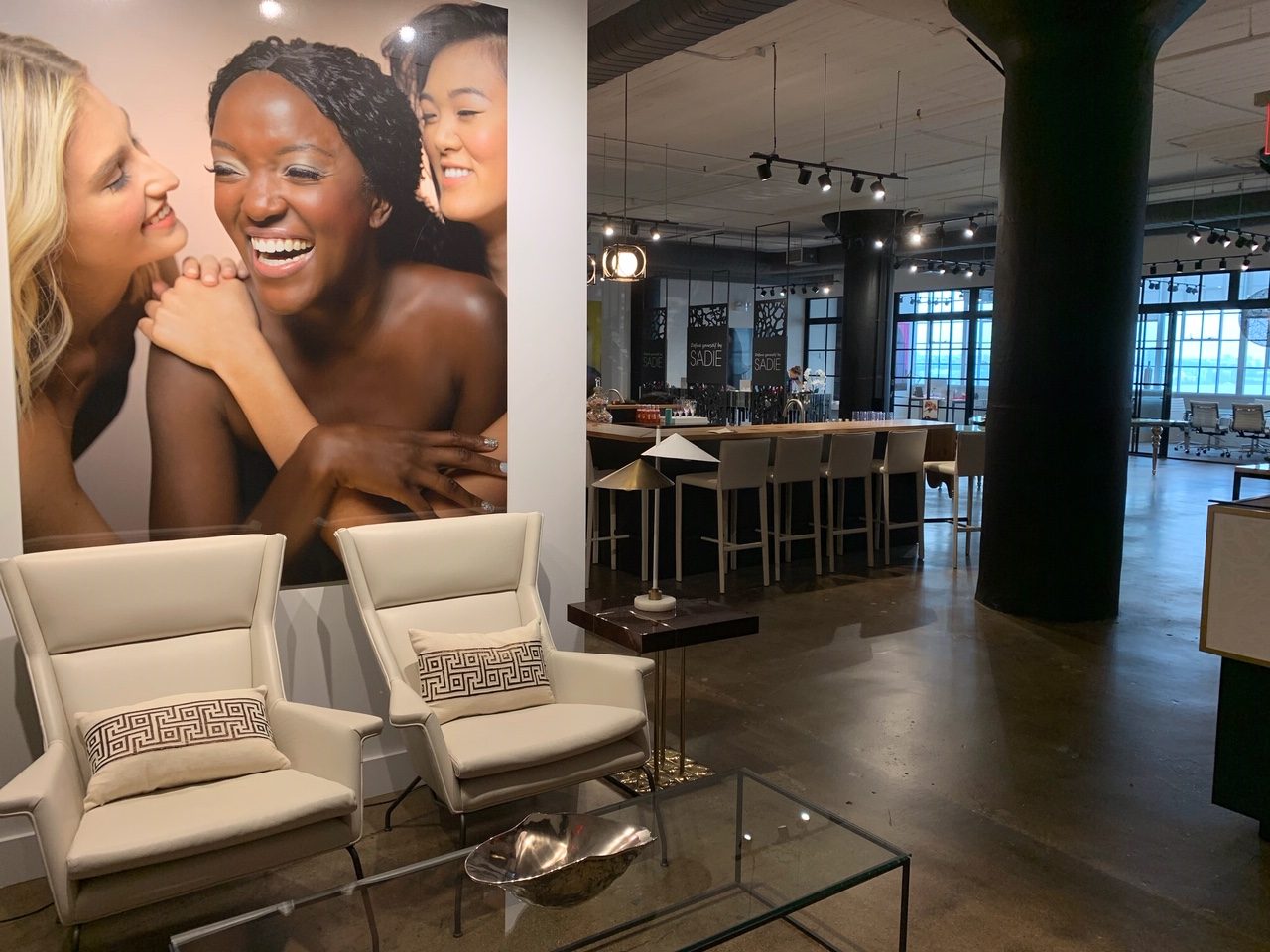
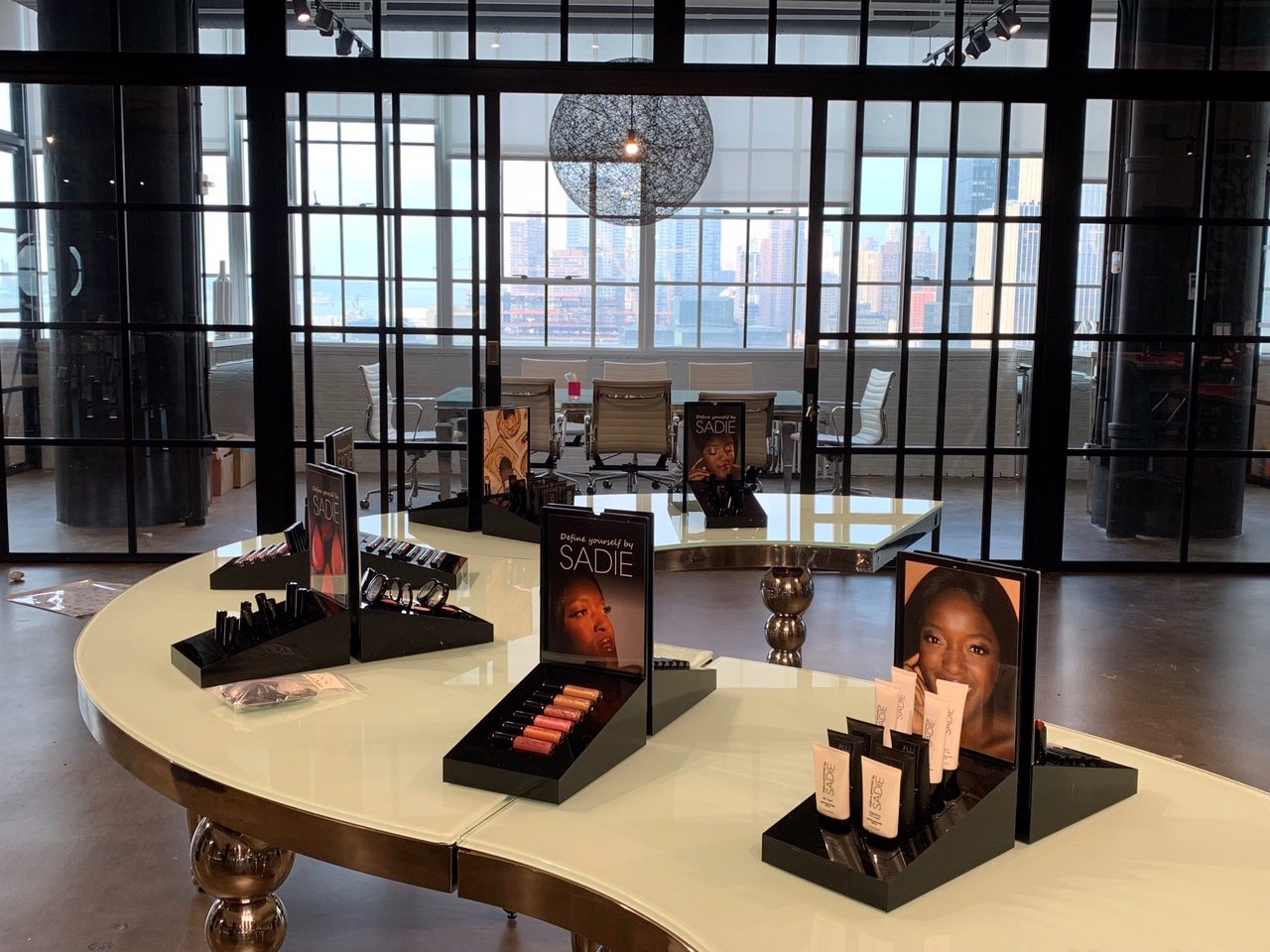
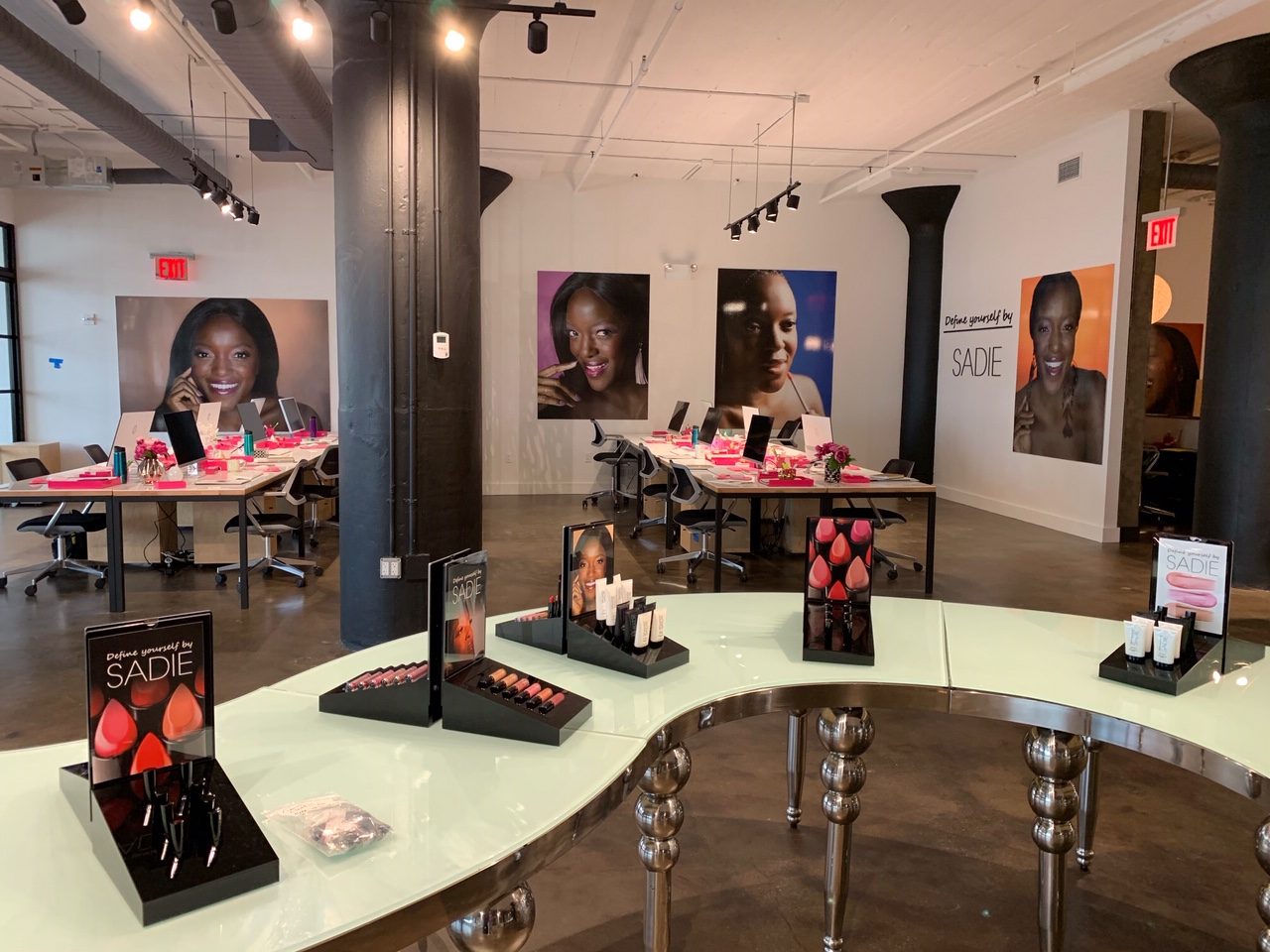
Cosmetics
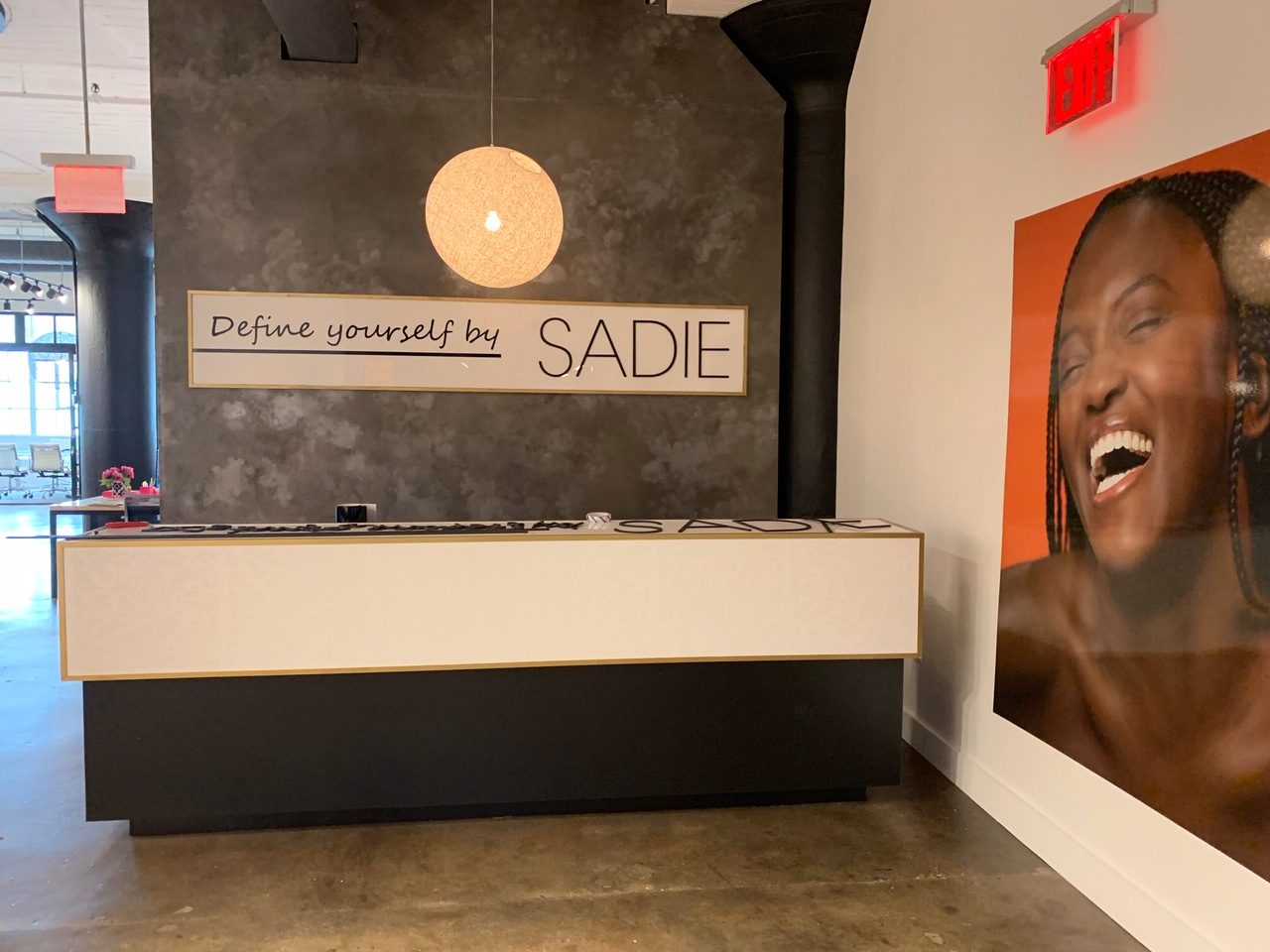
Retail, not packaging — the environment a cosmetics brand lives in. Wall-height portraits, a lit counter, and display units that had to be designed for the products and the room at the same time.

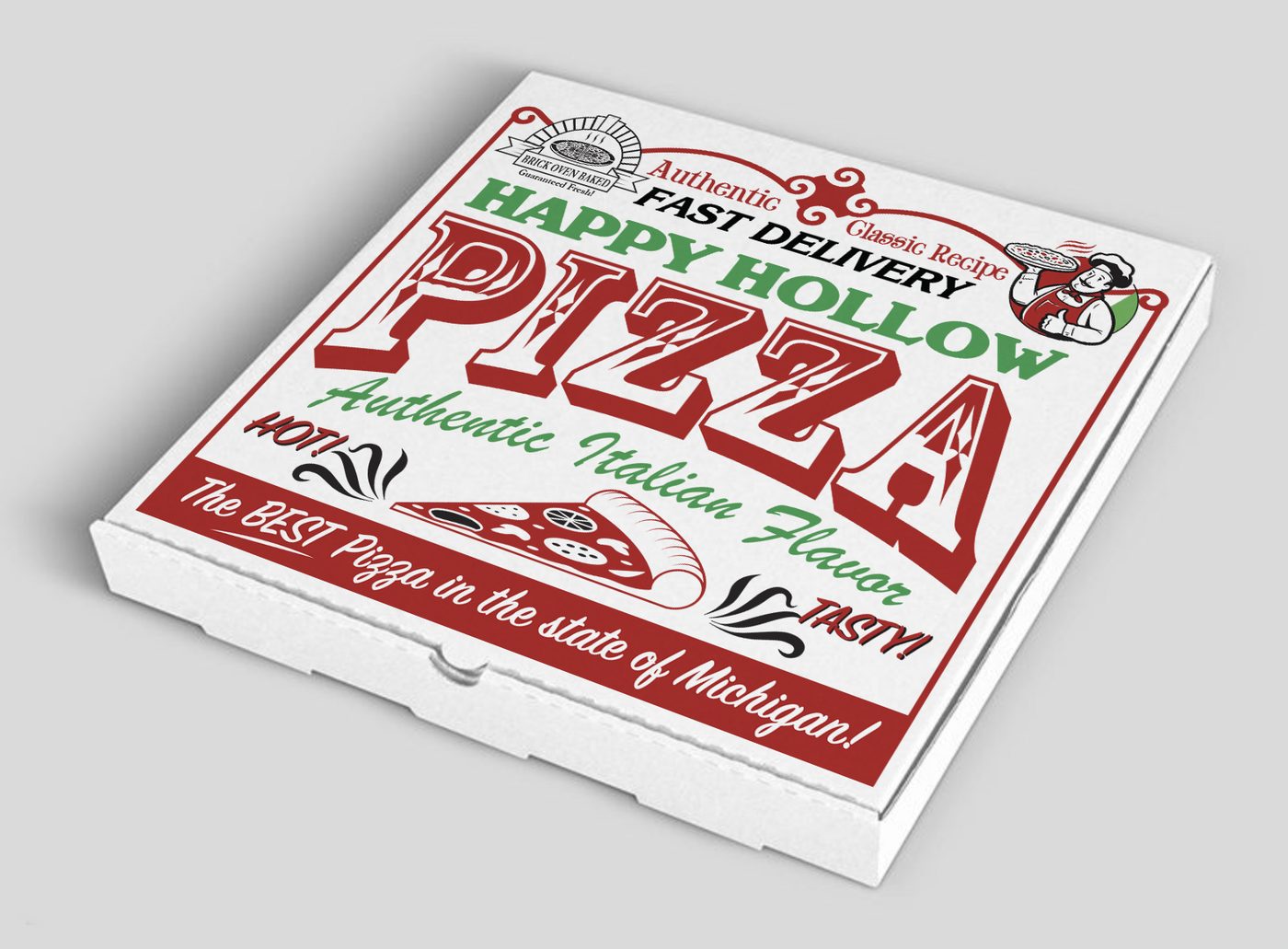
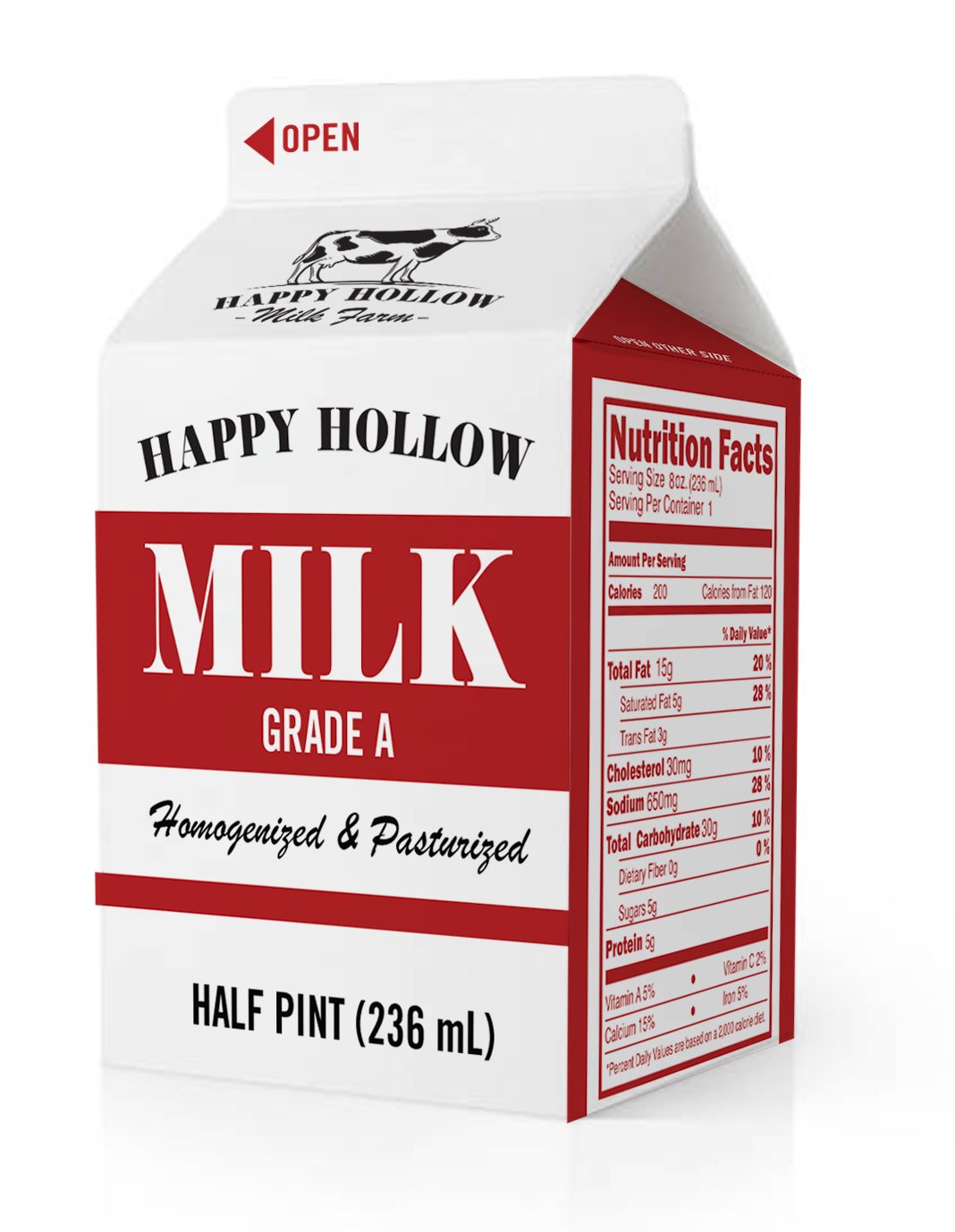
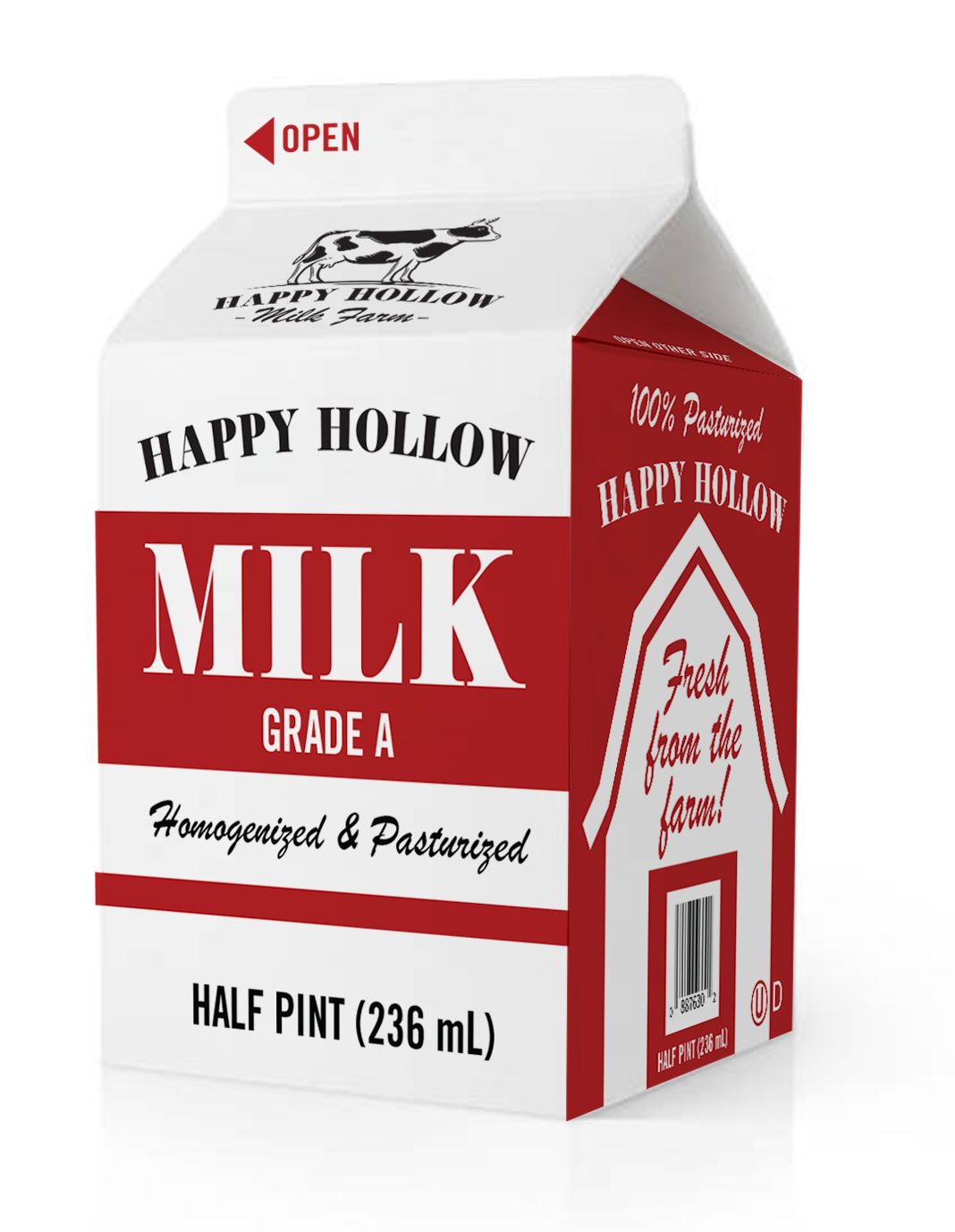
Happy Hollow
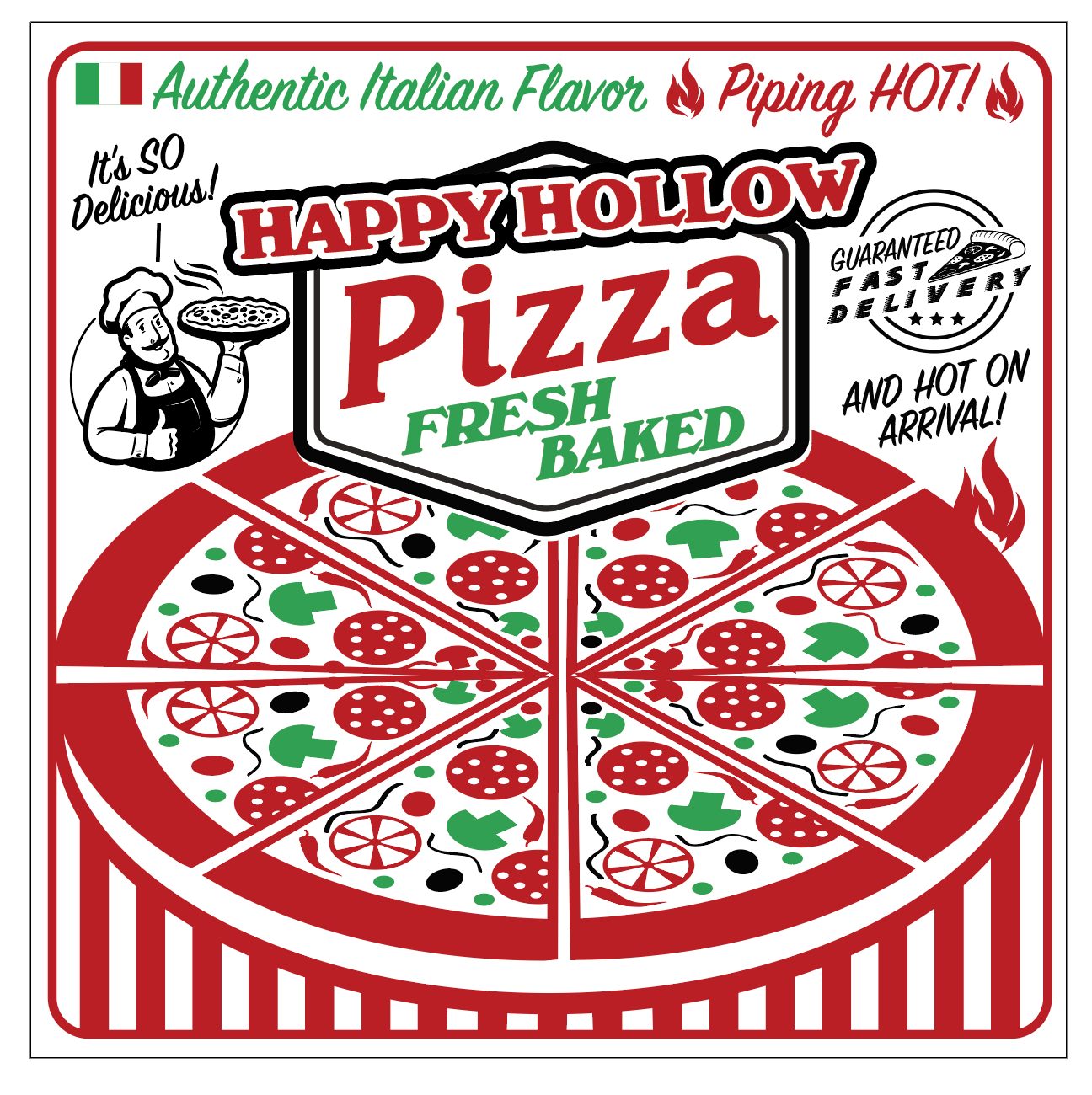
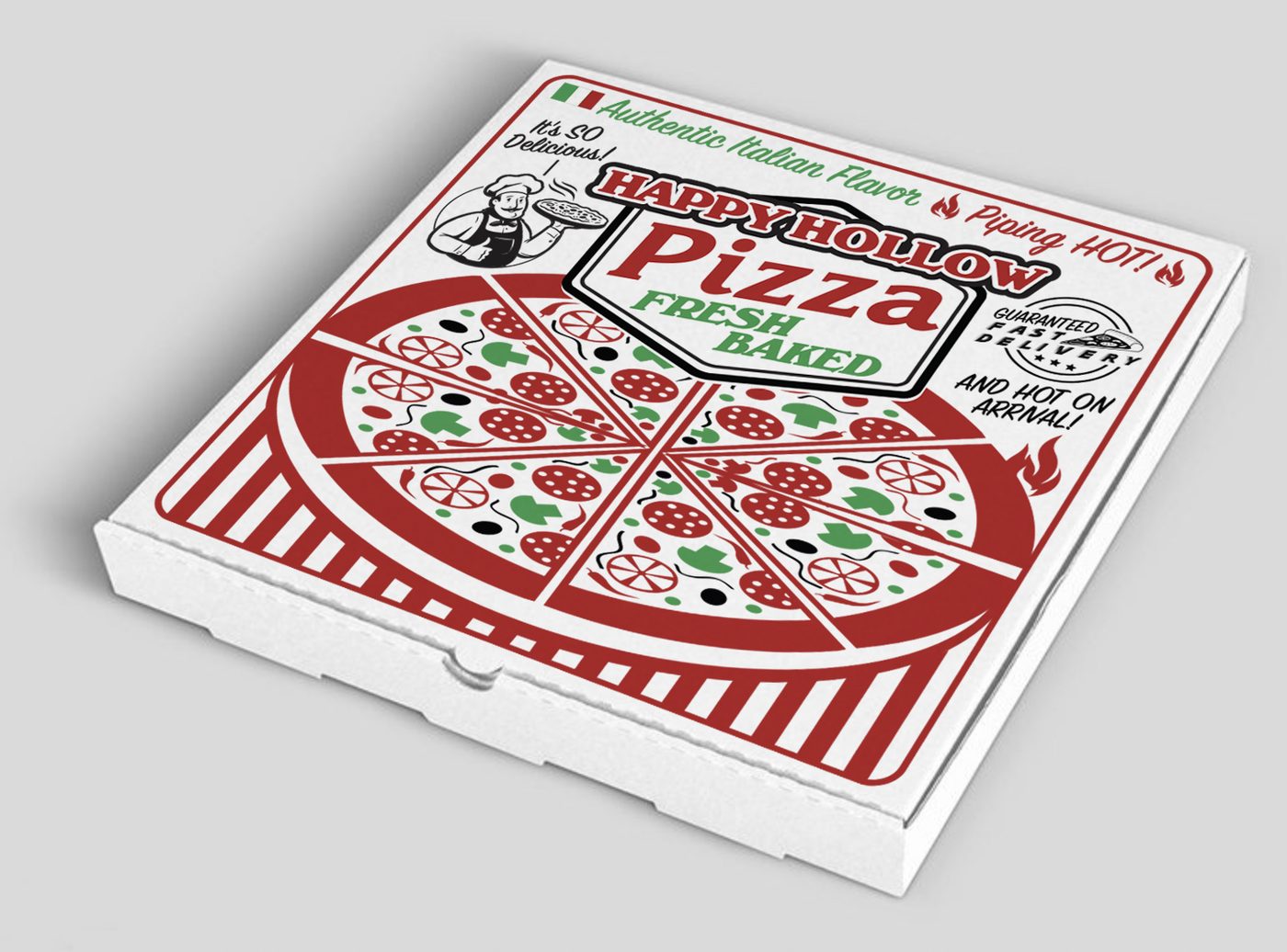
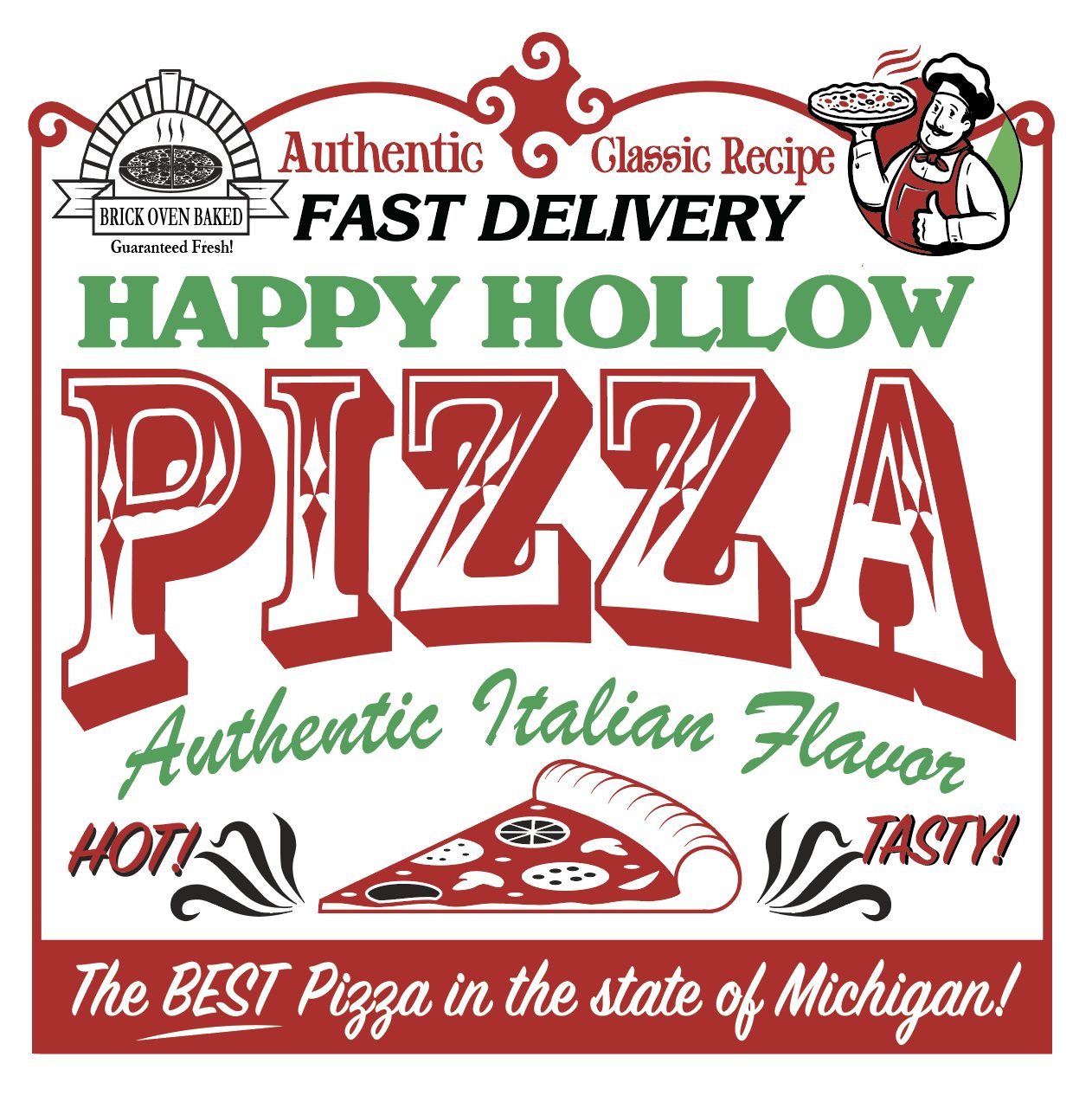
An invented Michigan food brand built across two products and a whole print method. The pizza boxes are two-colour flexo, because that is what a pizza box actually is; the milk cartons are the same brand told in the same two inks.
The grocery aisle
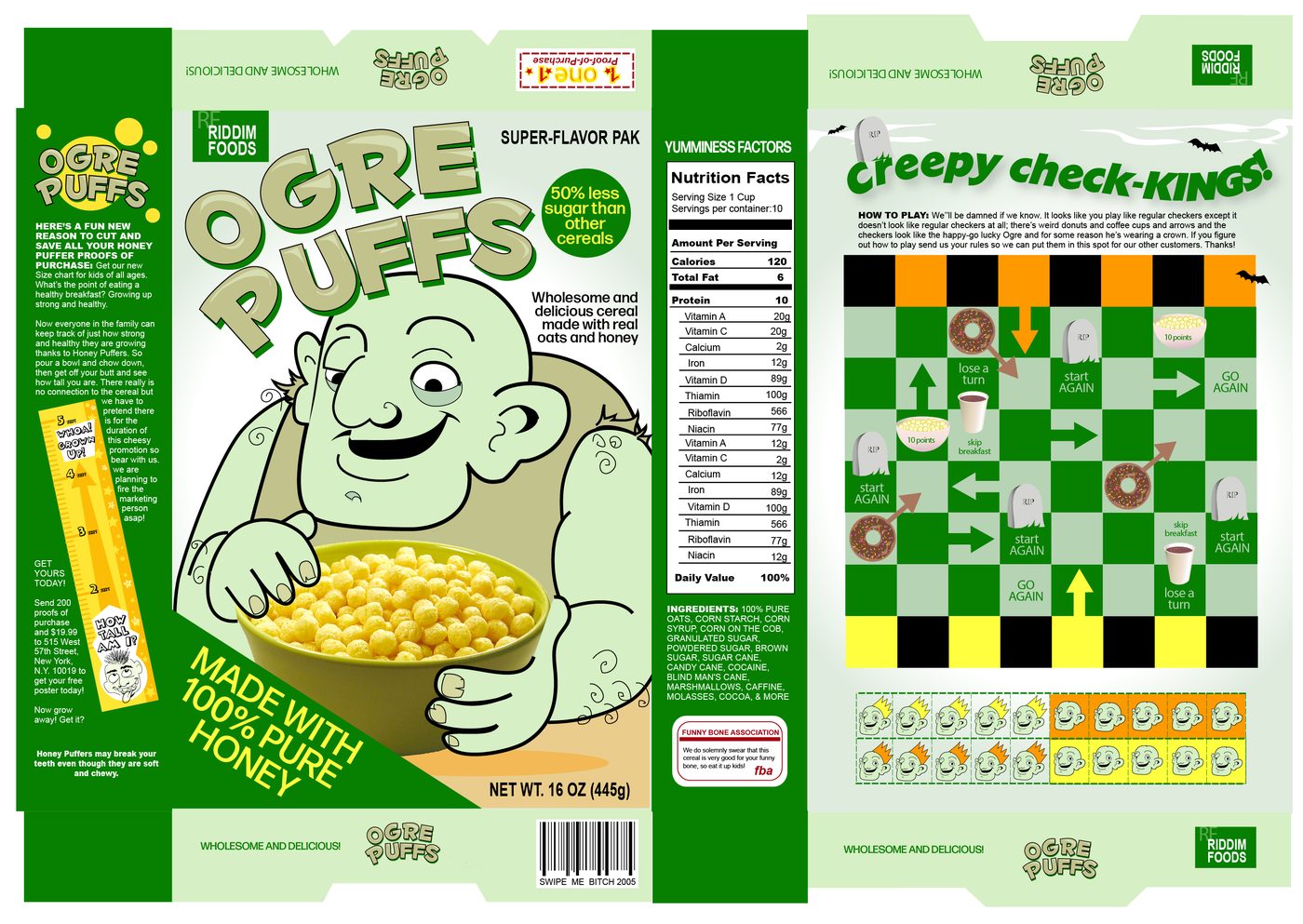
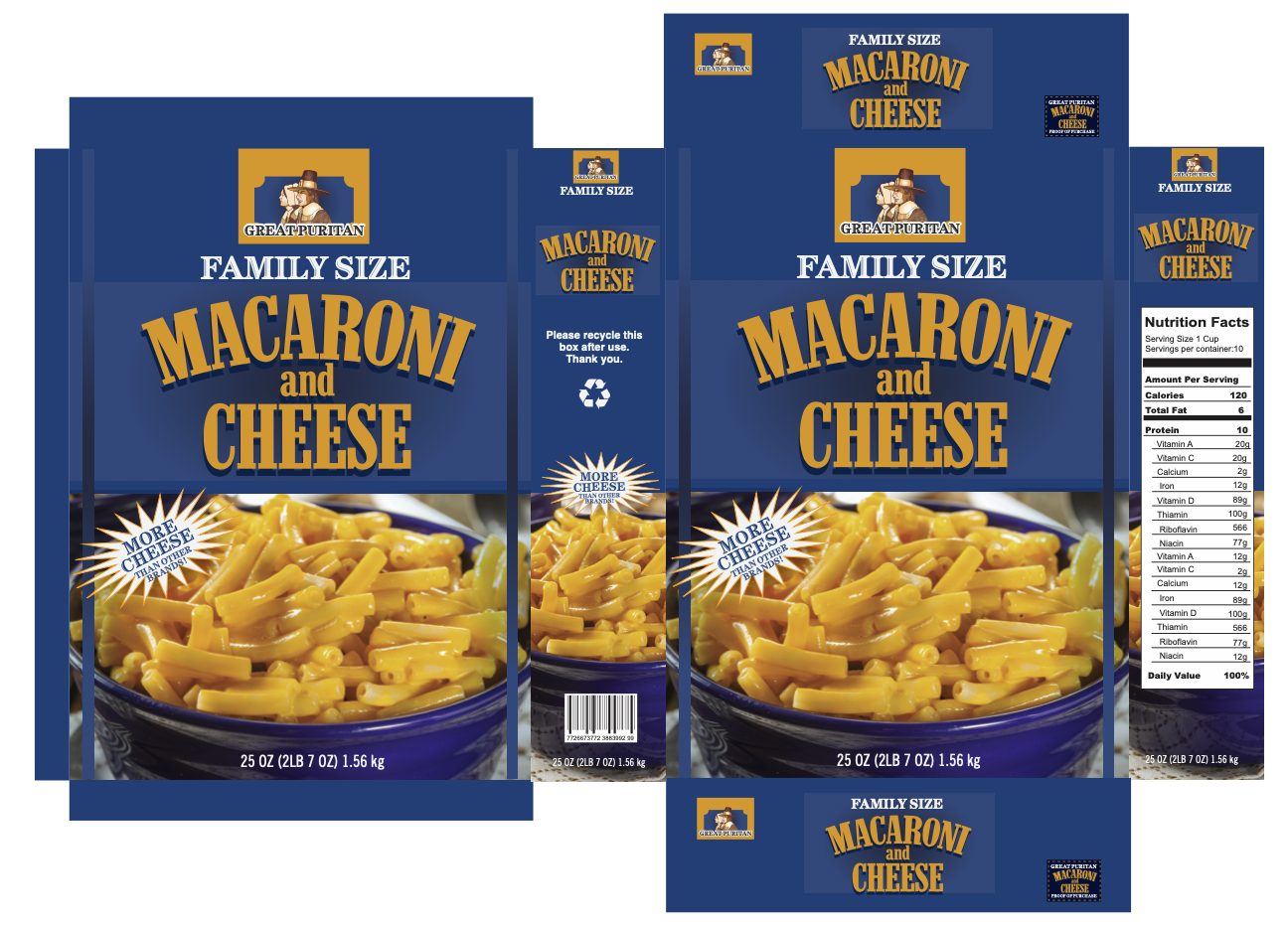
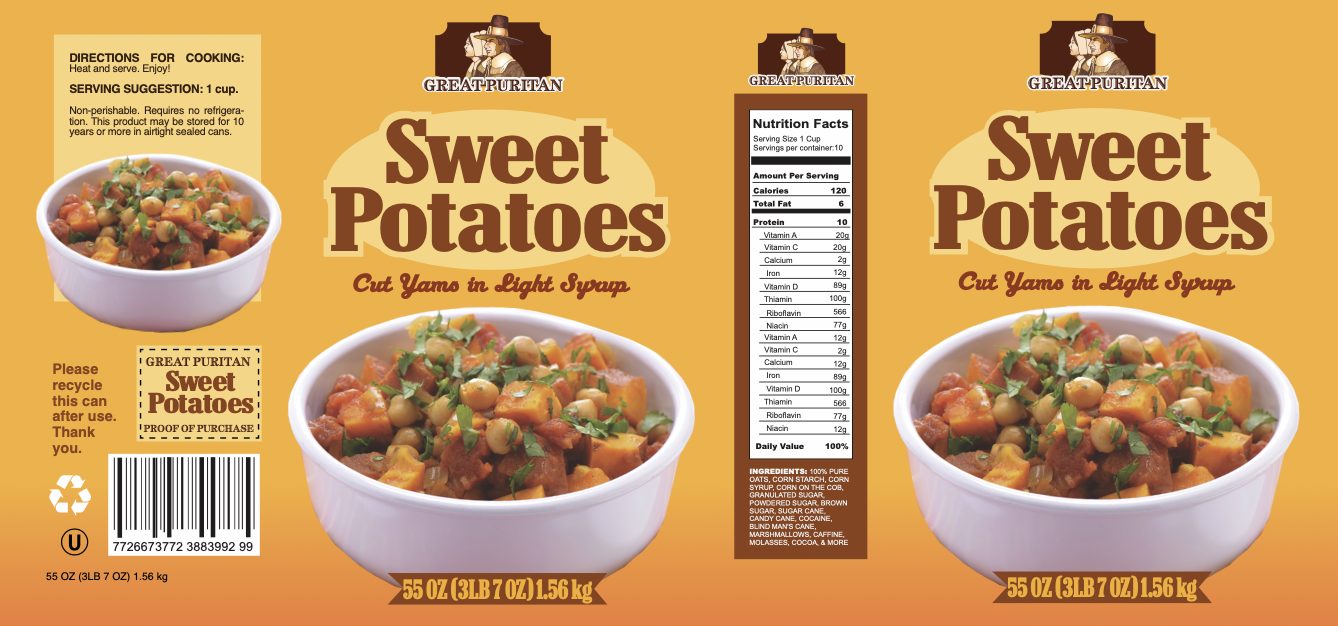
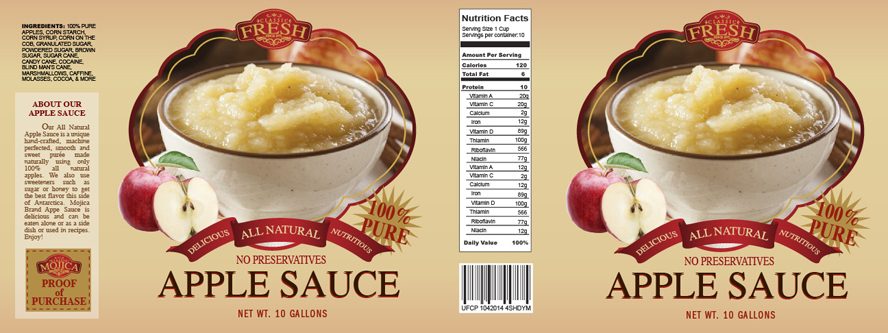
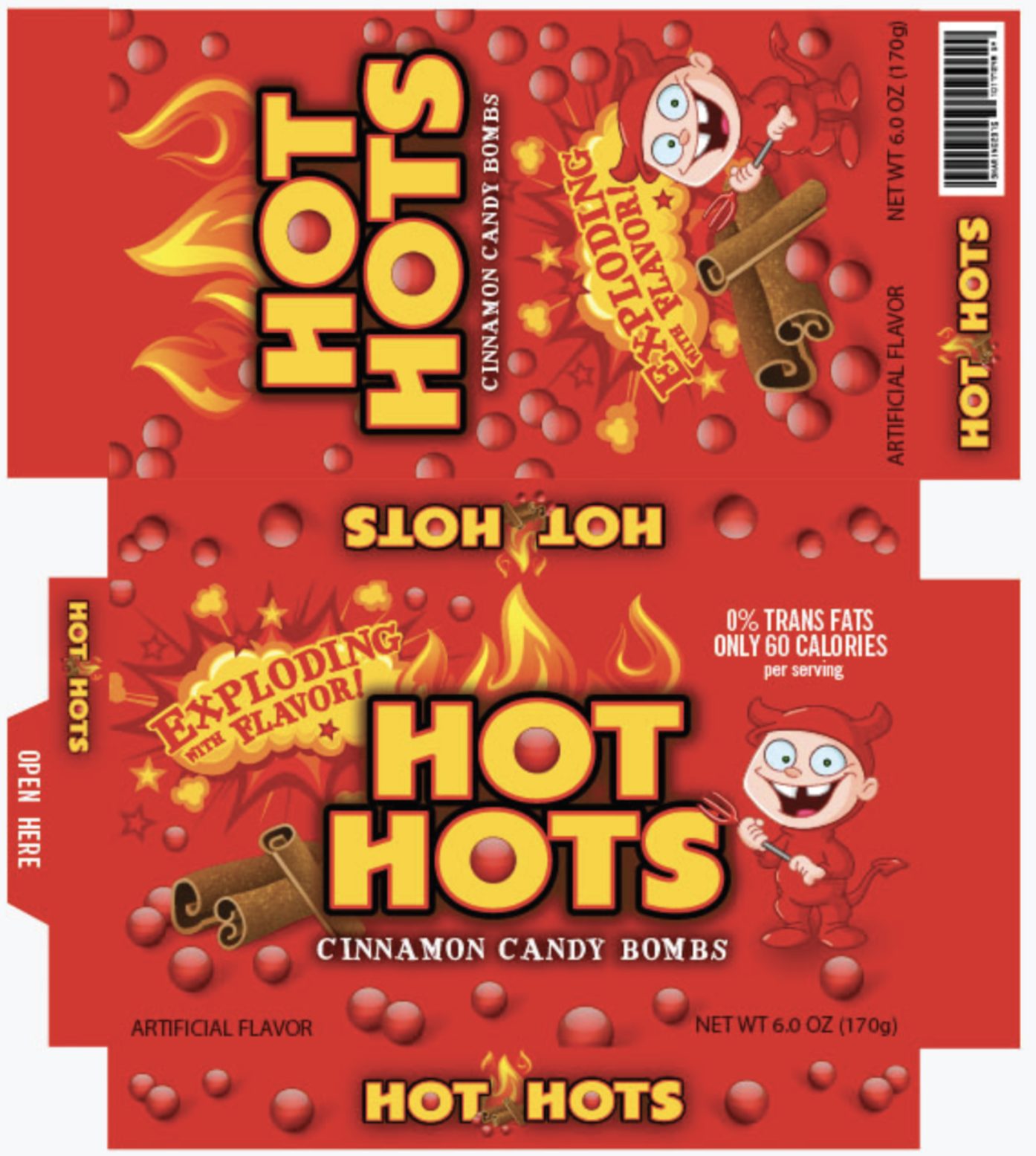
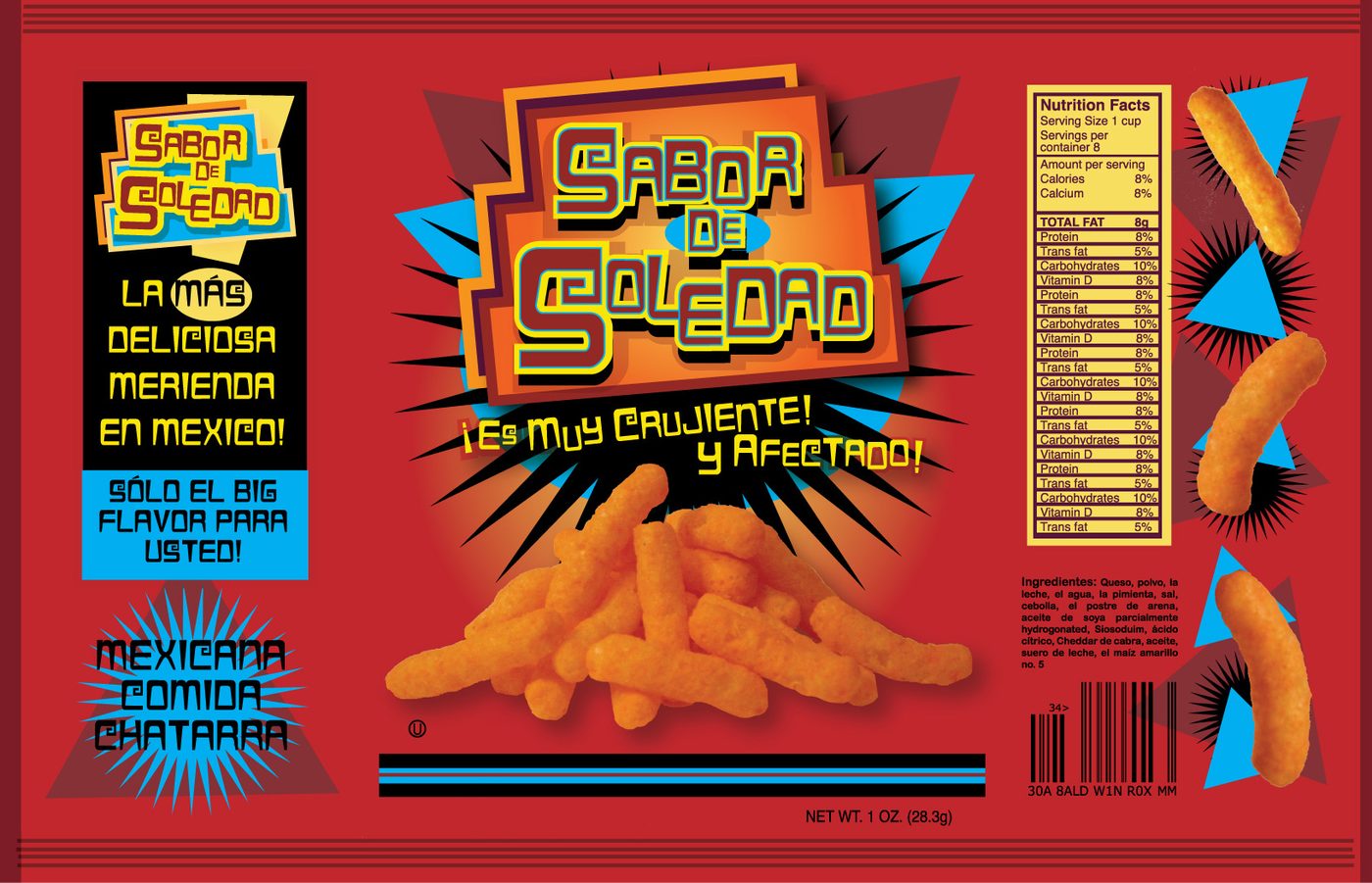
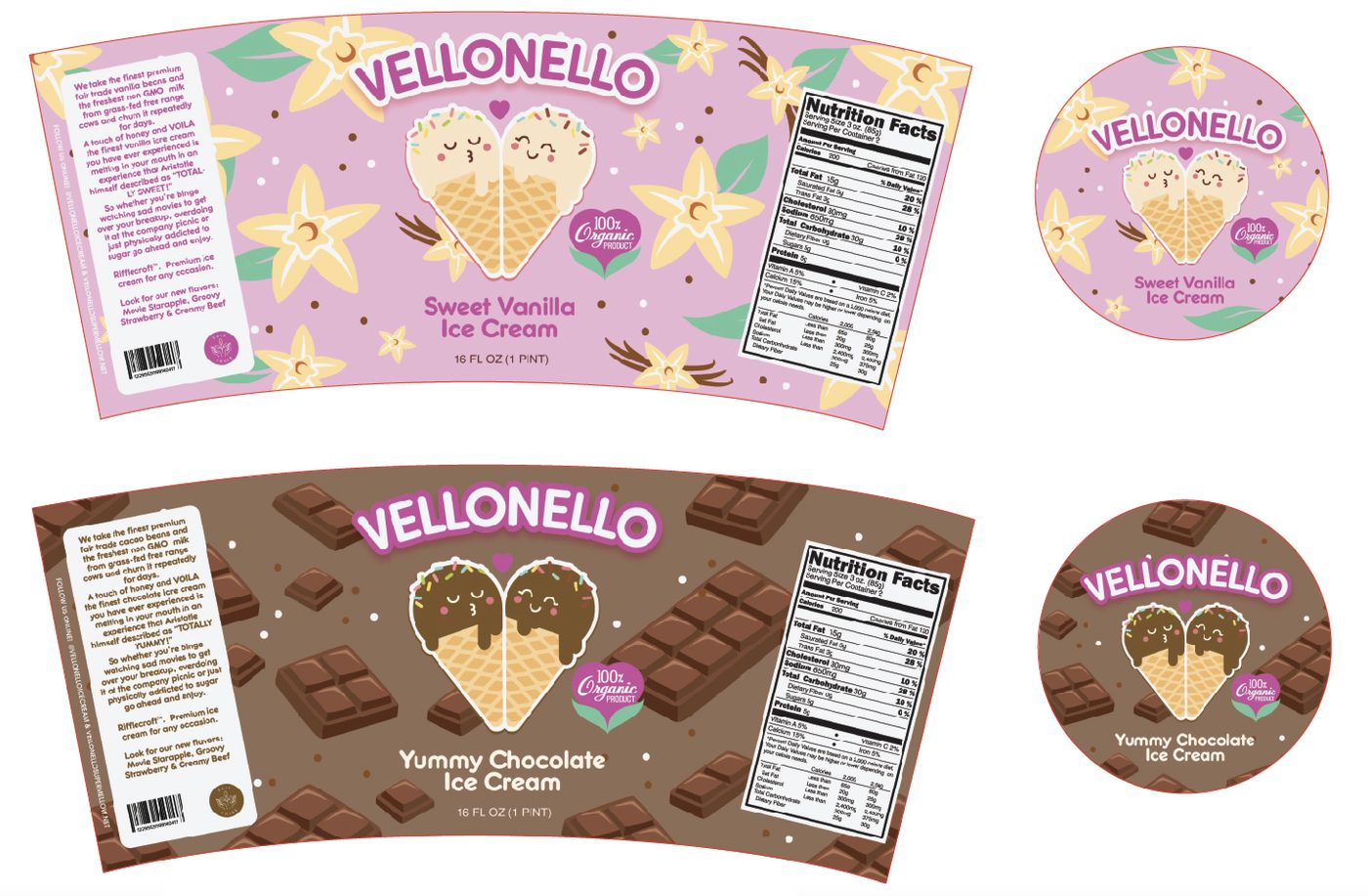
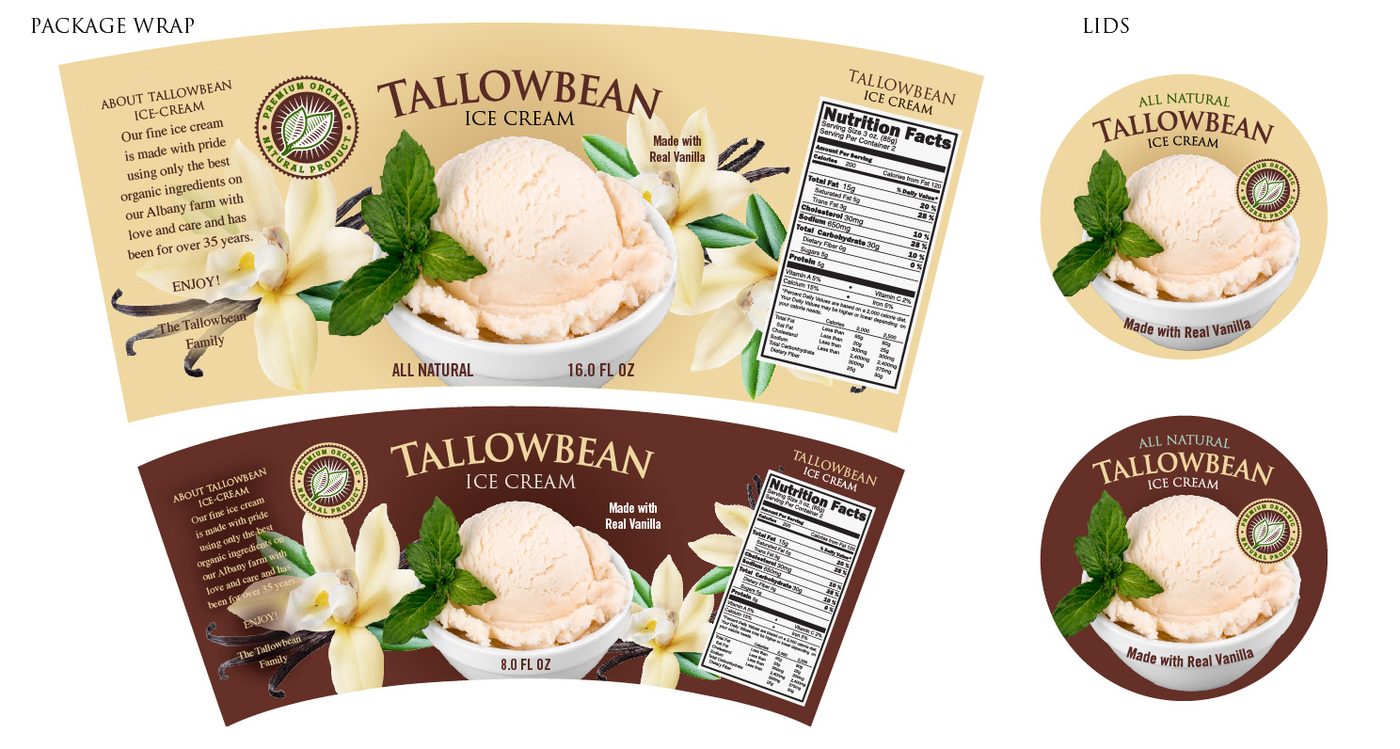
Boxes, cans and bags for brands that do not exist, each one built to a real category convention — because a fake cereal box only works if it looks like it came off the same line as the real ones next to it.
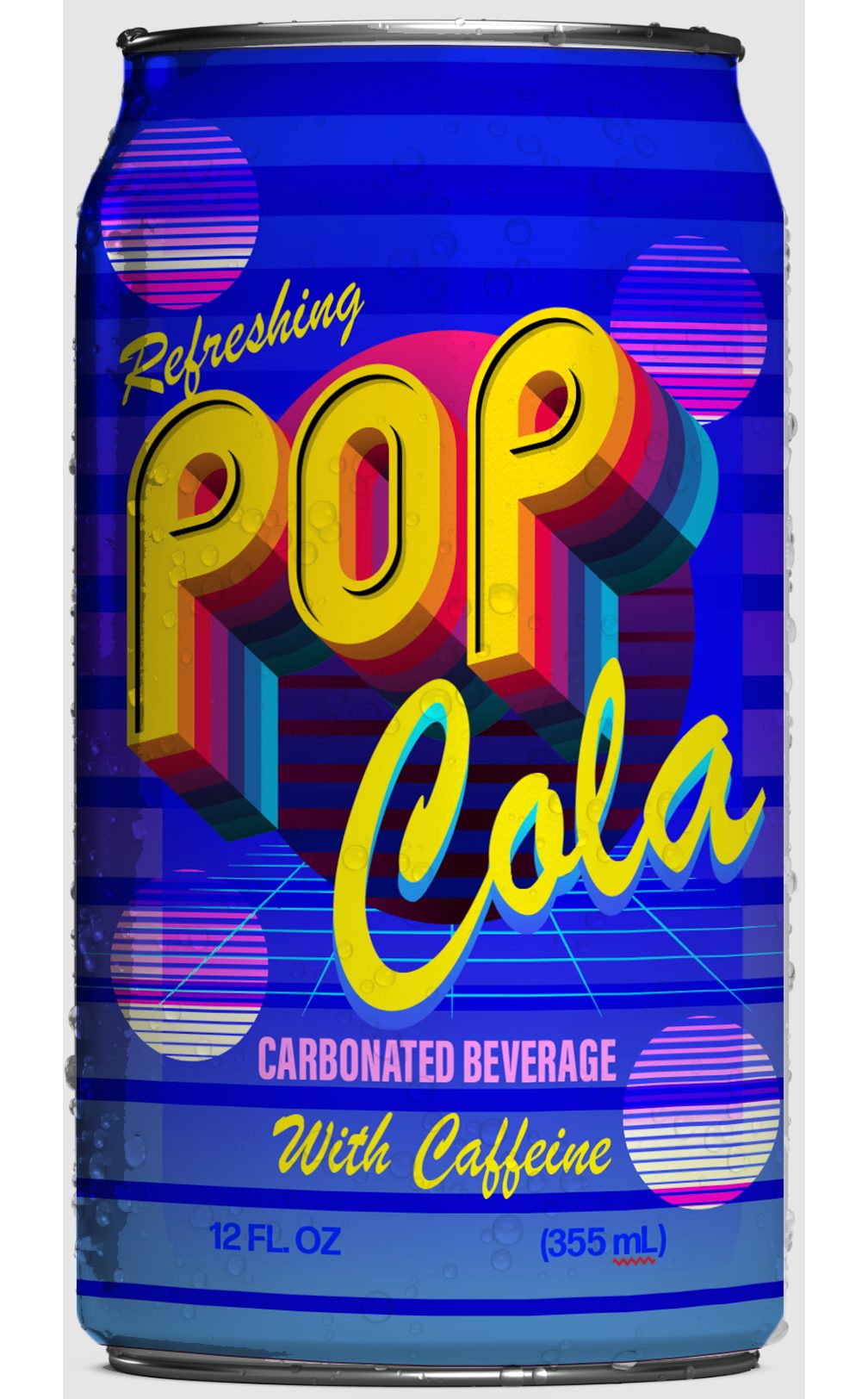
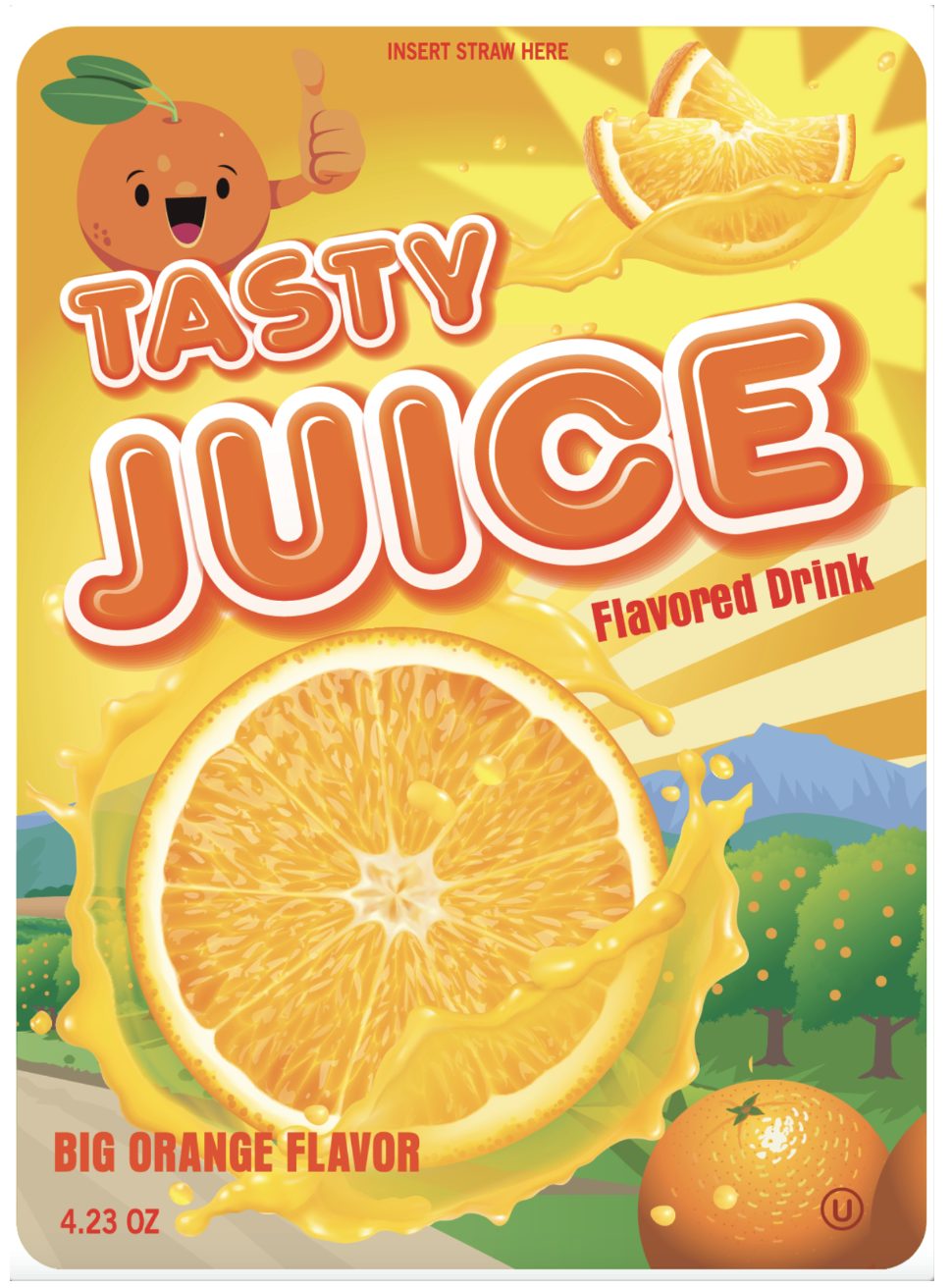
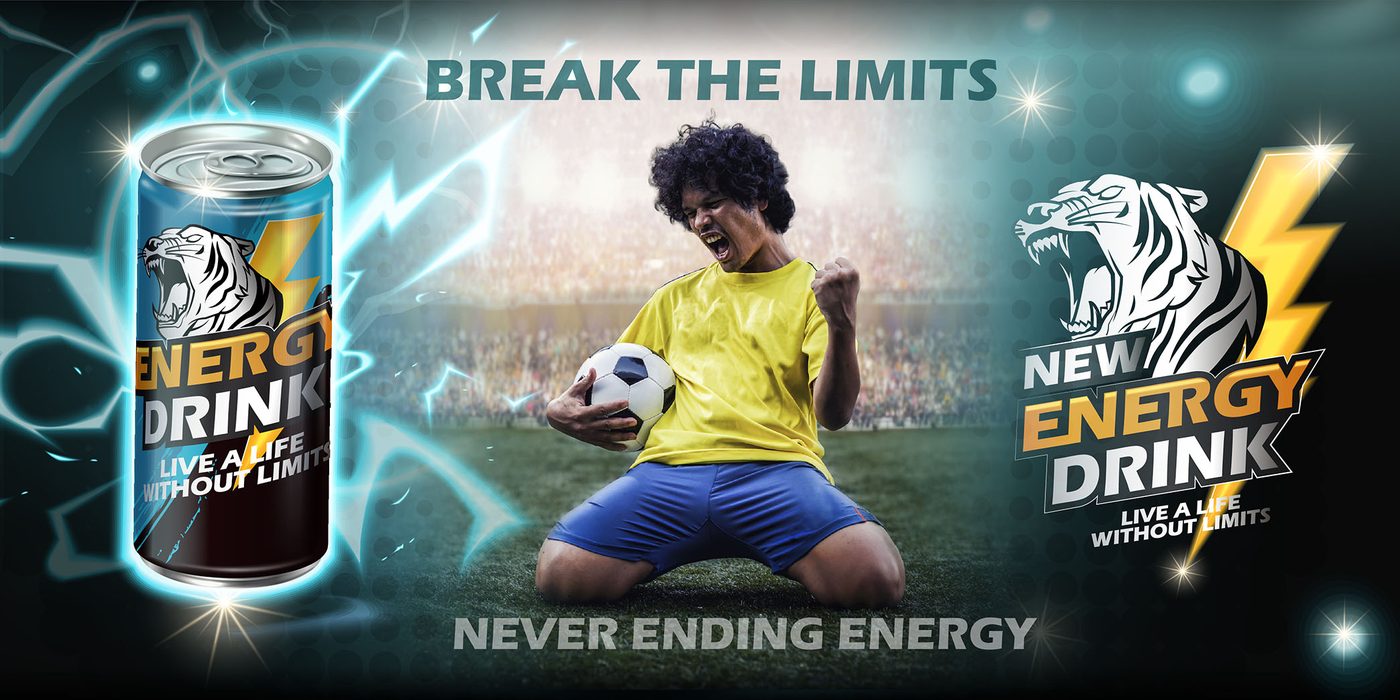
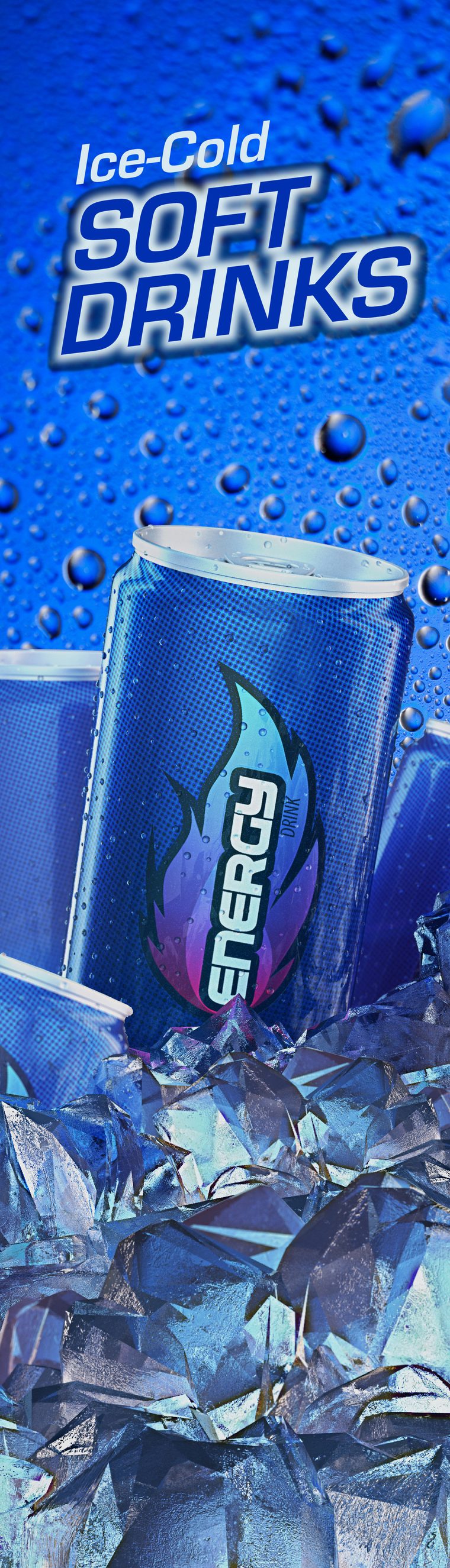
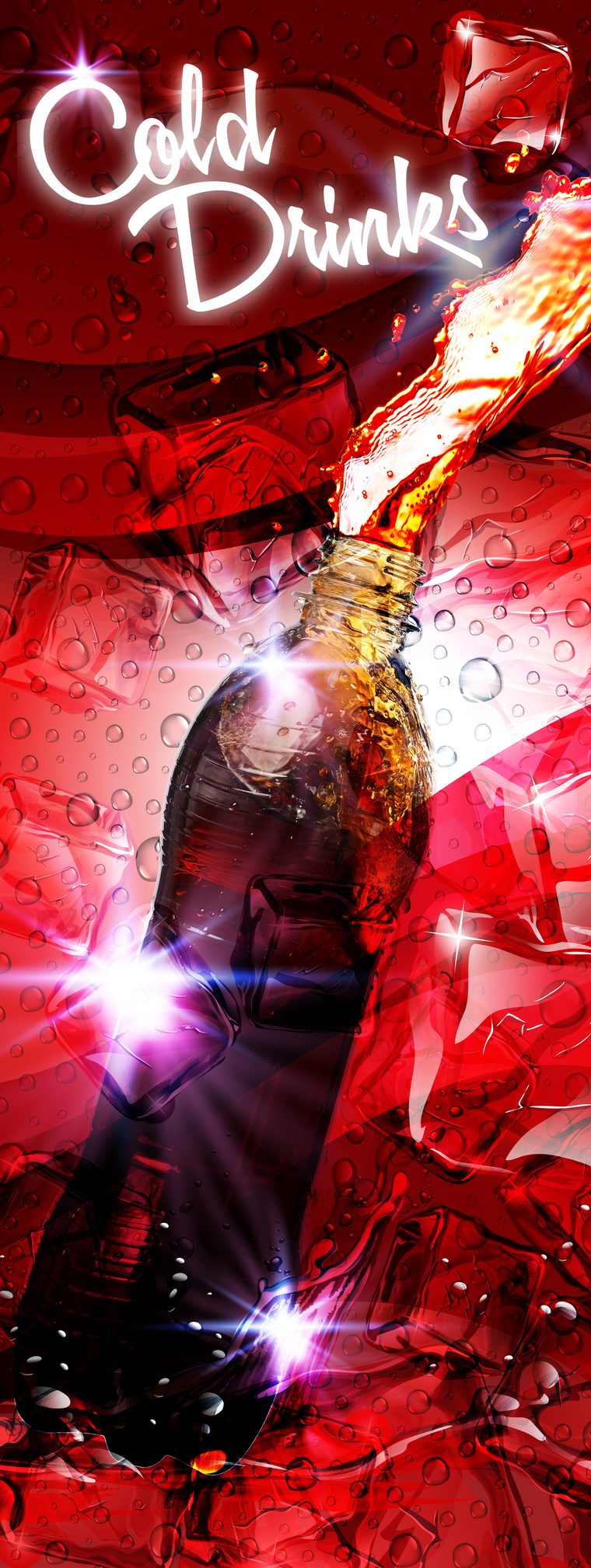
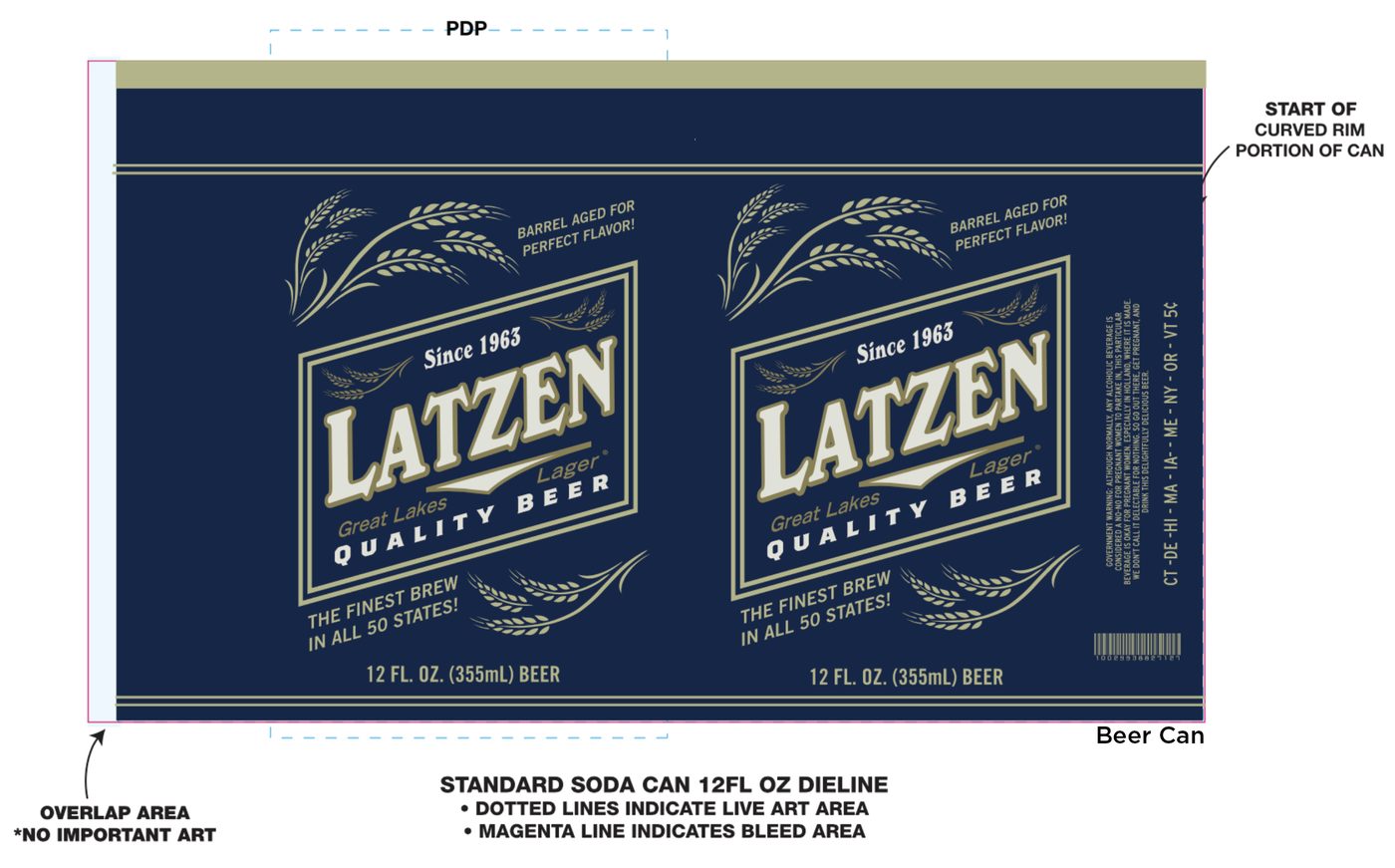
Cold drinks
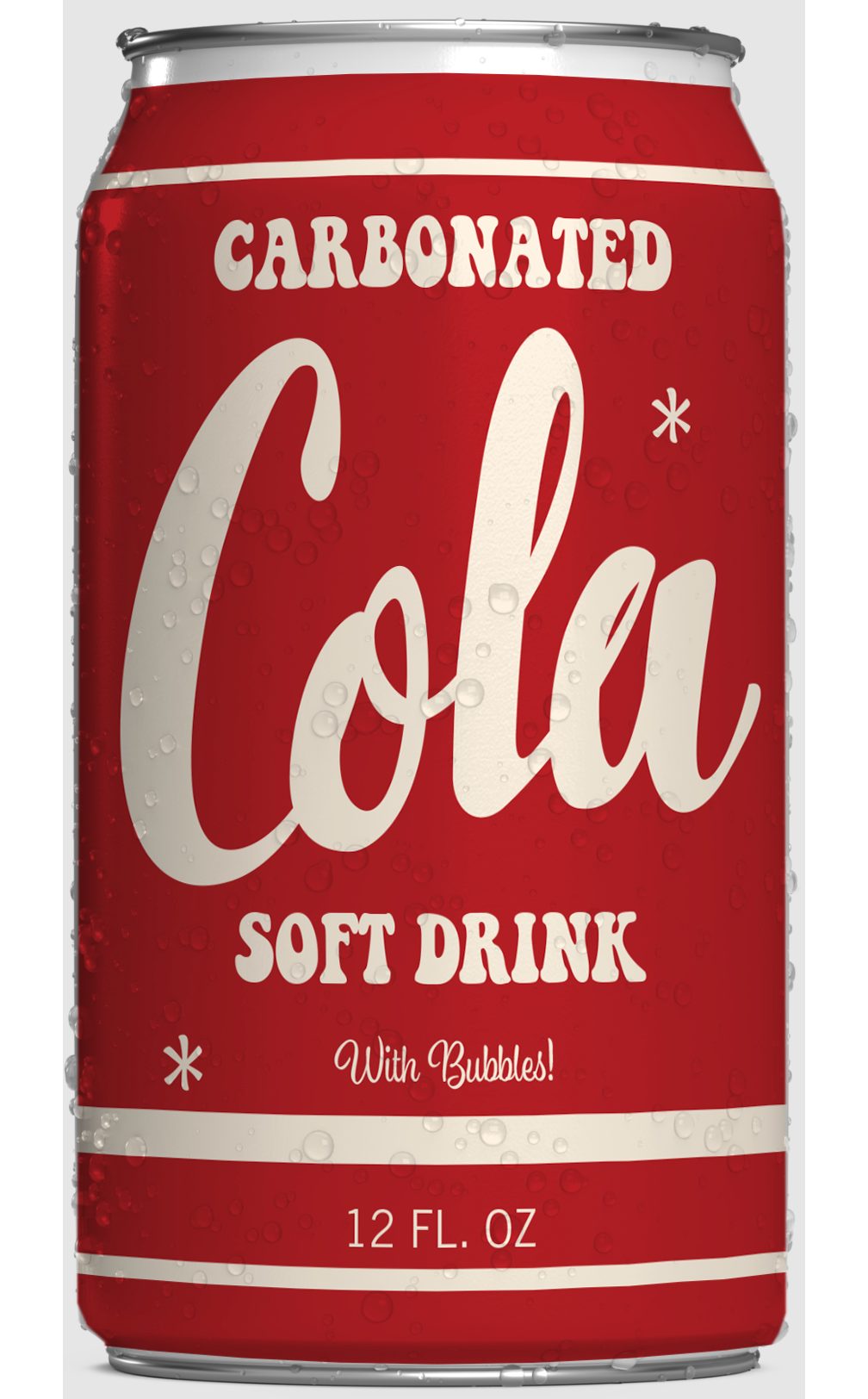
Cans, pouches and the machines they come out of. The vending panels are the extreme case: artwork four feet tall that has to work as a light box from across a corridor.
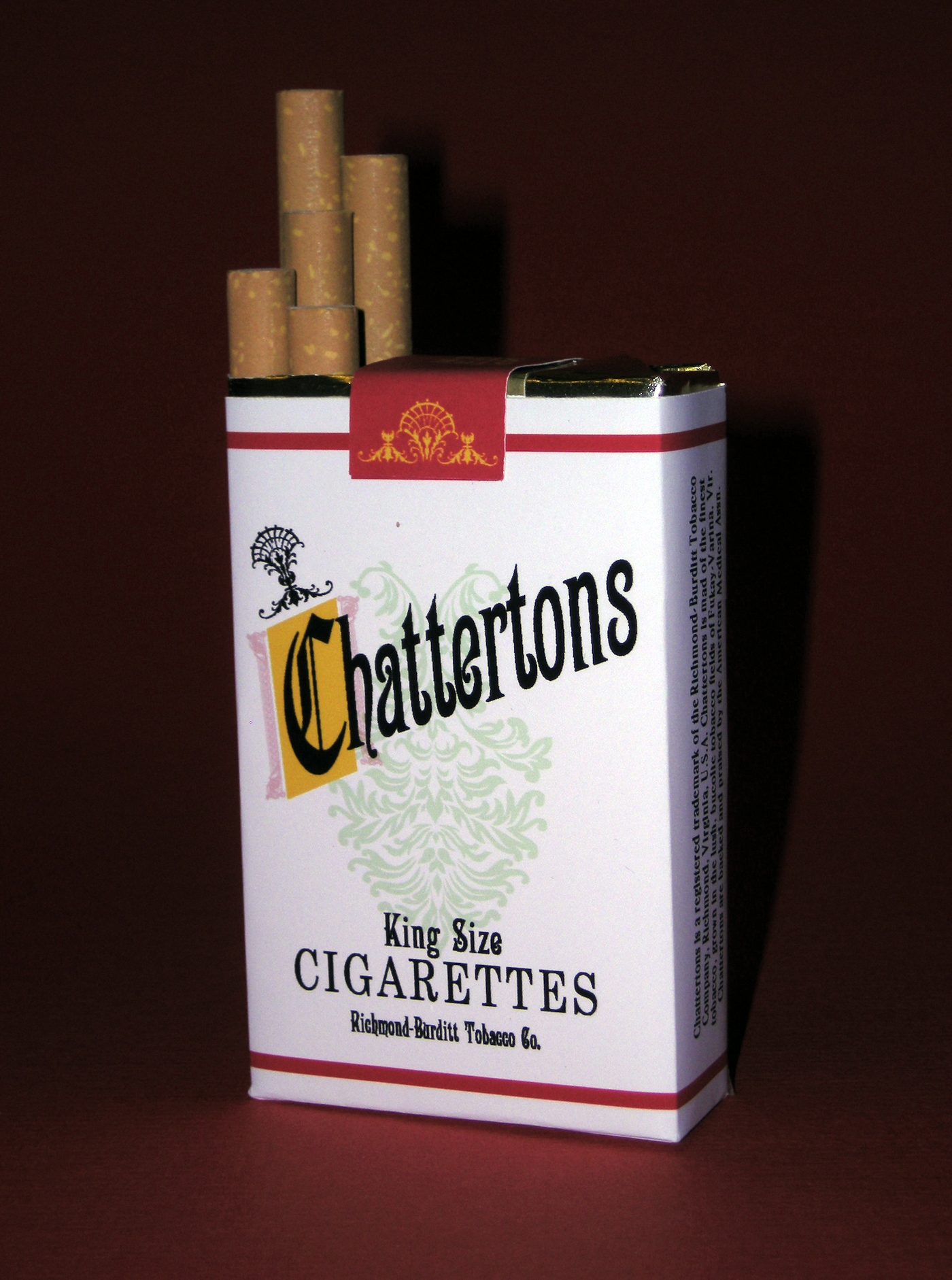
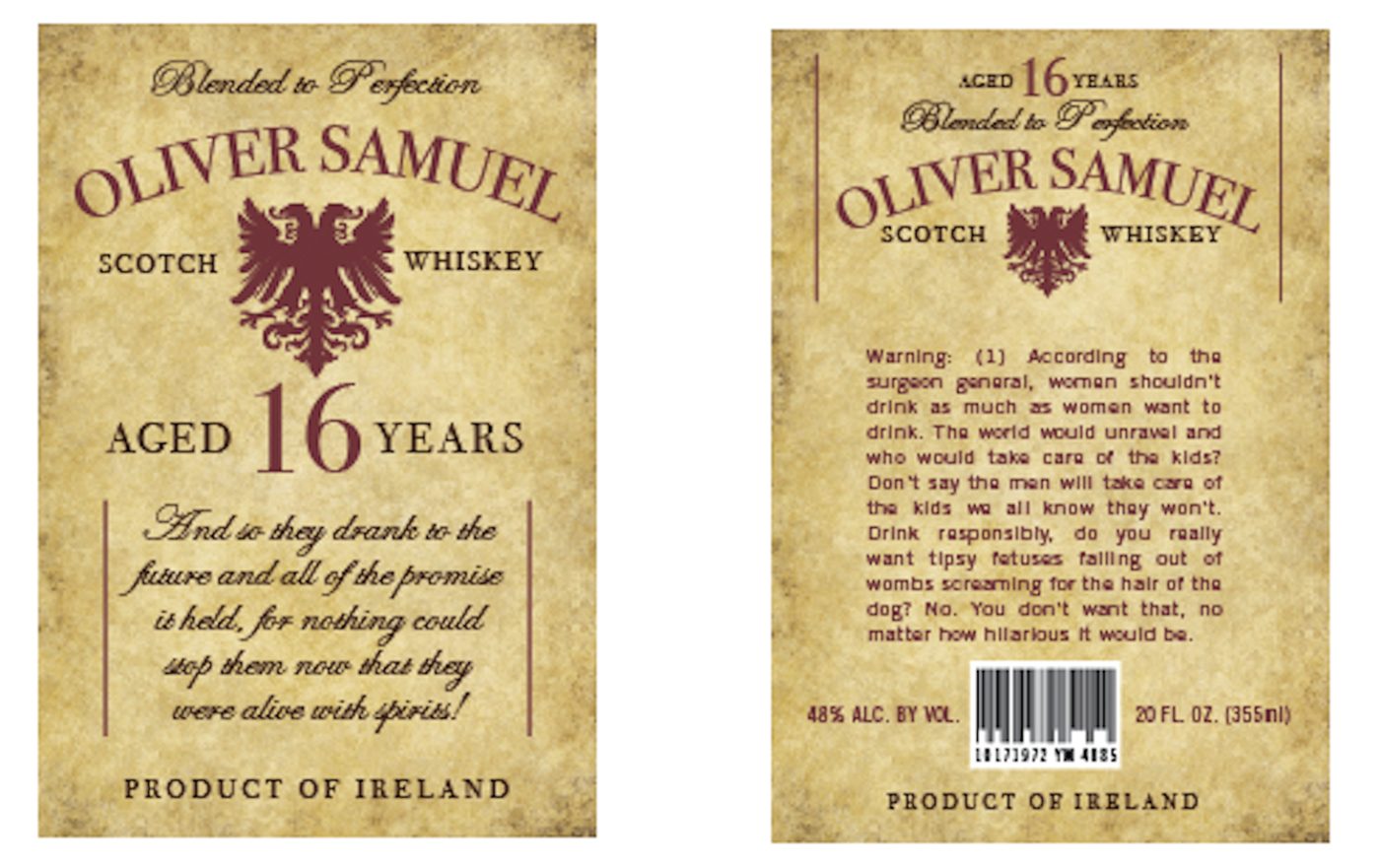
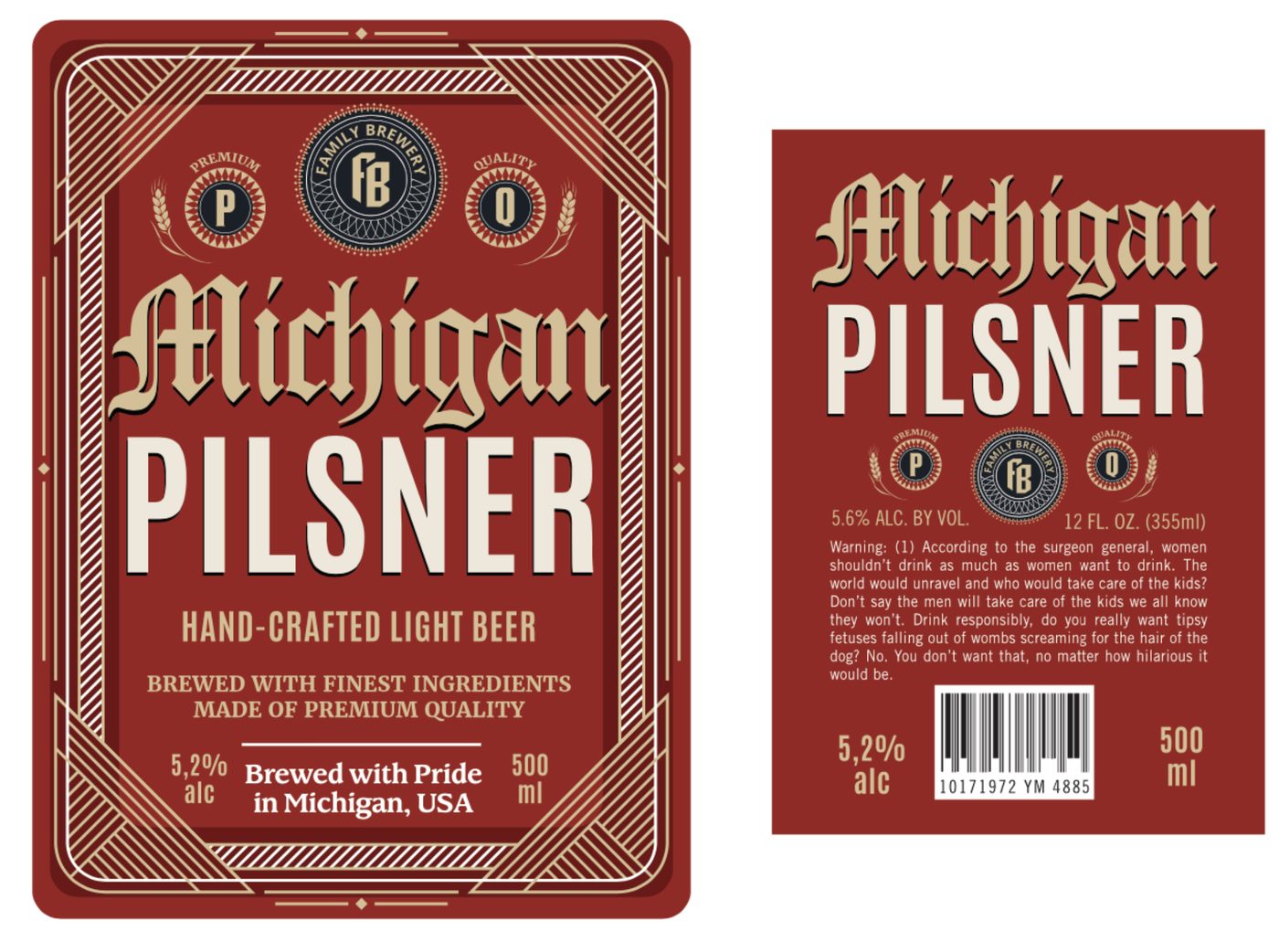
Cigarettes and spirits
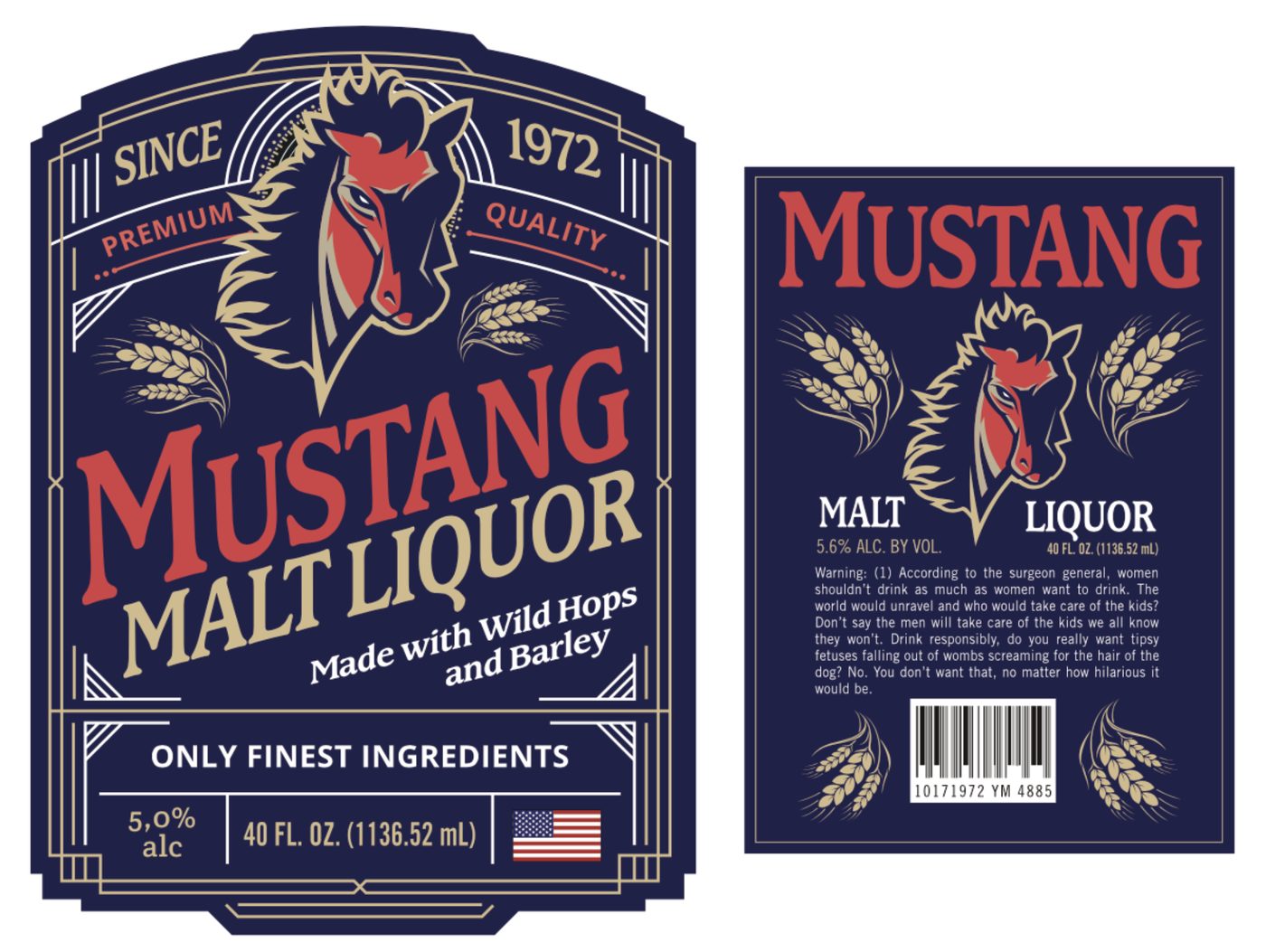
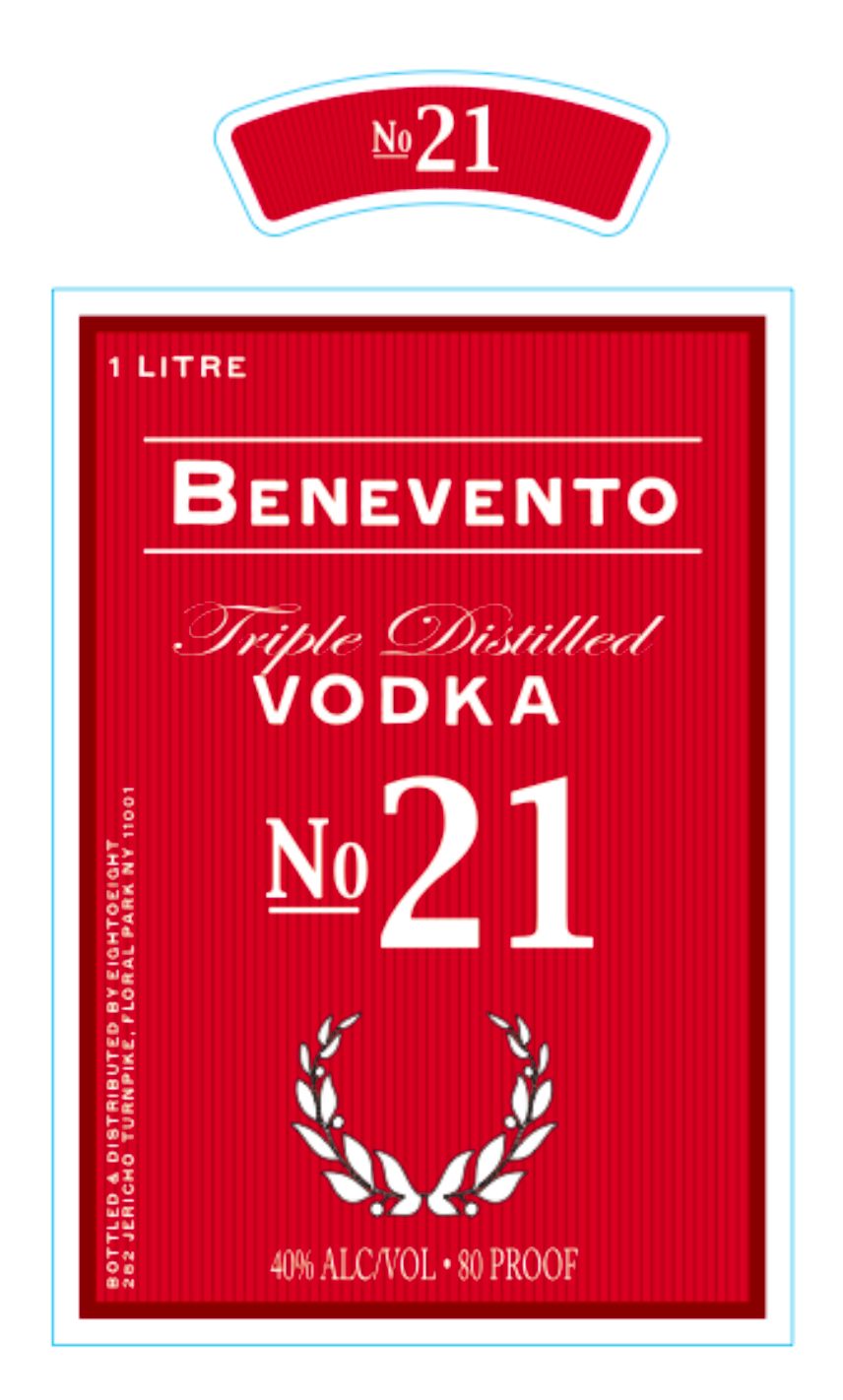
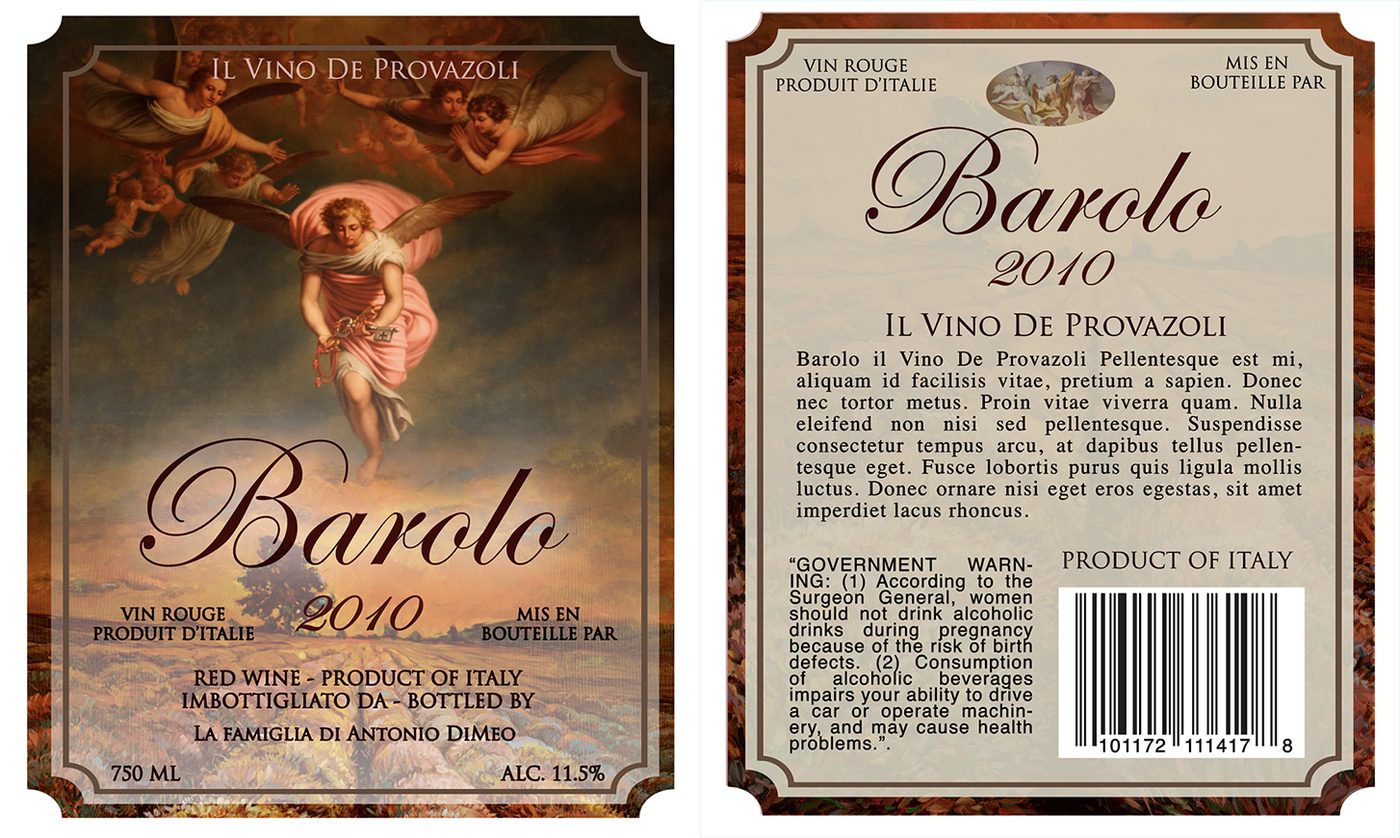
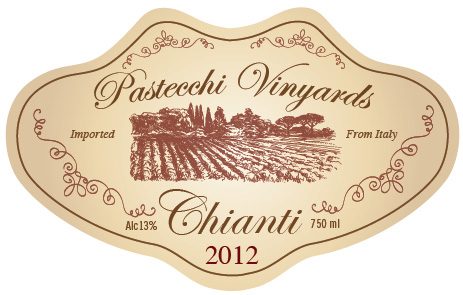
The most regulated packaging there is, which makes it the most fun to invent. Every one of these carries the warning block, the volume, the ABV and the small print, because a bottle without them reads as a toy.
Household and pharmacy
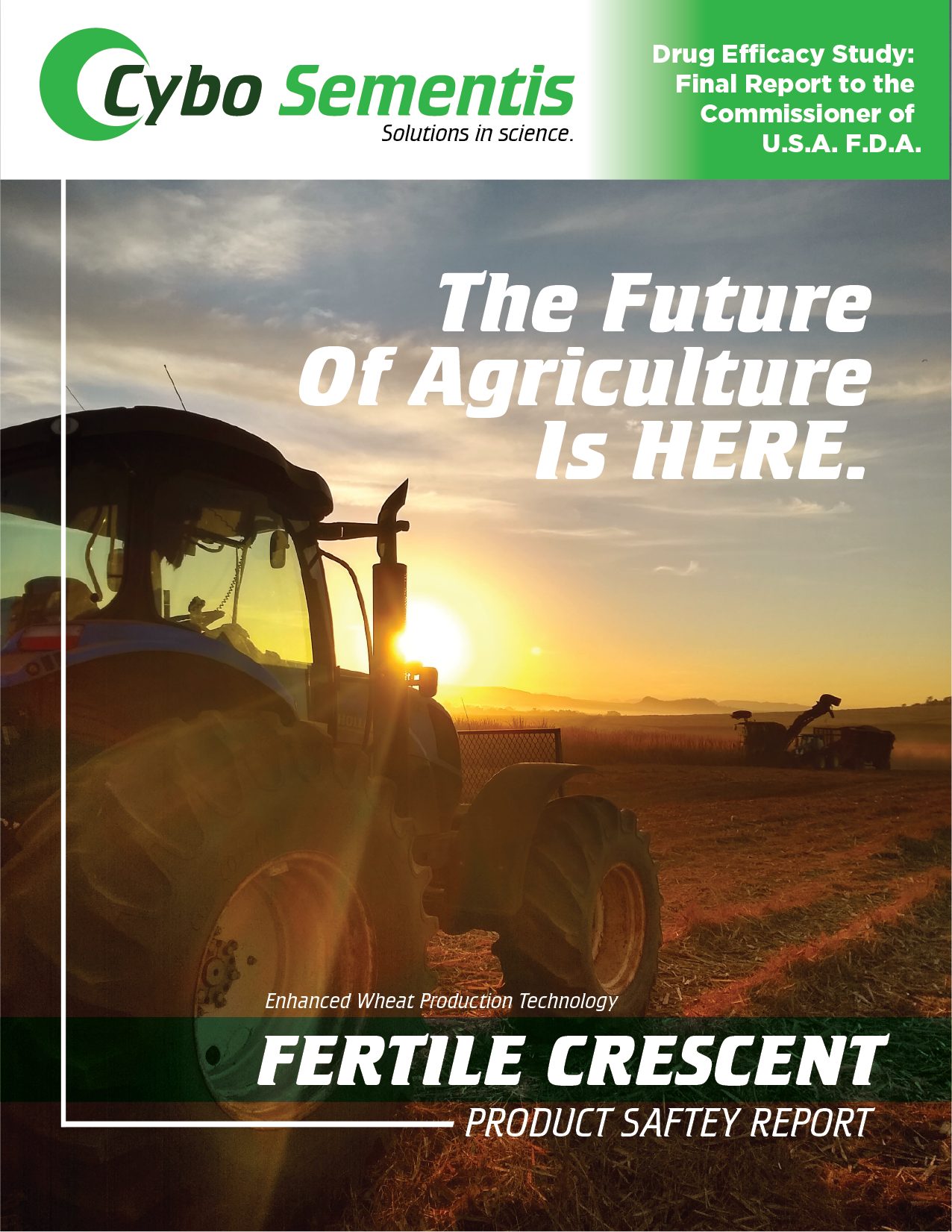
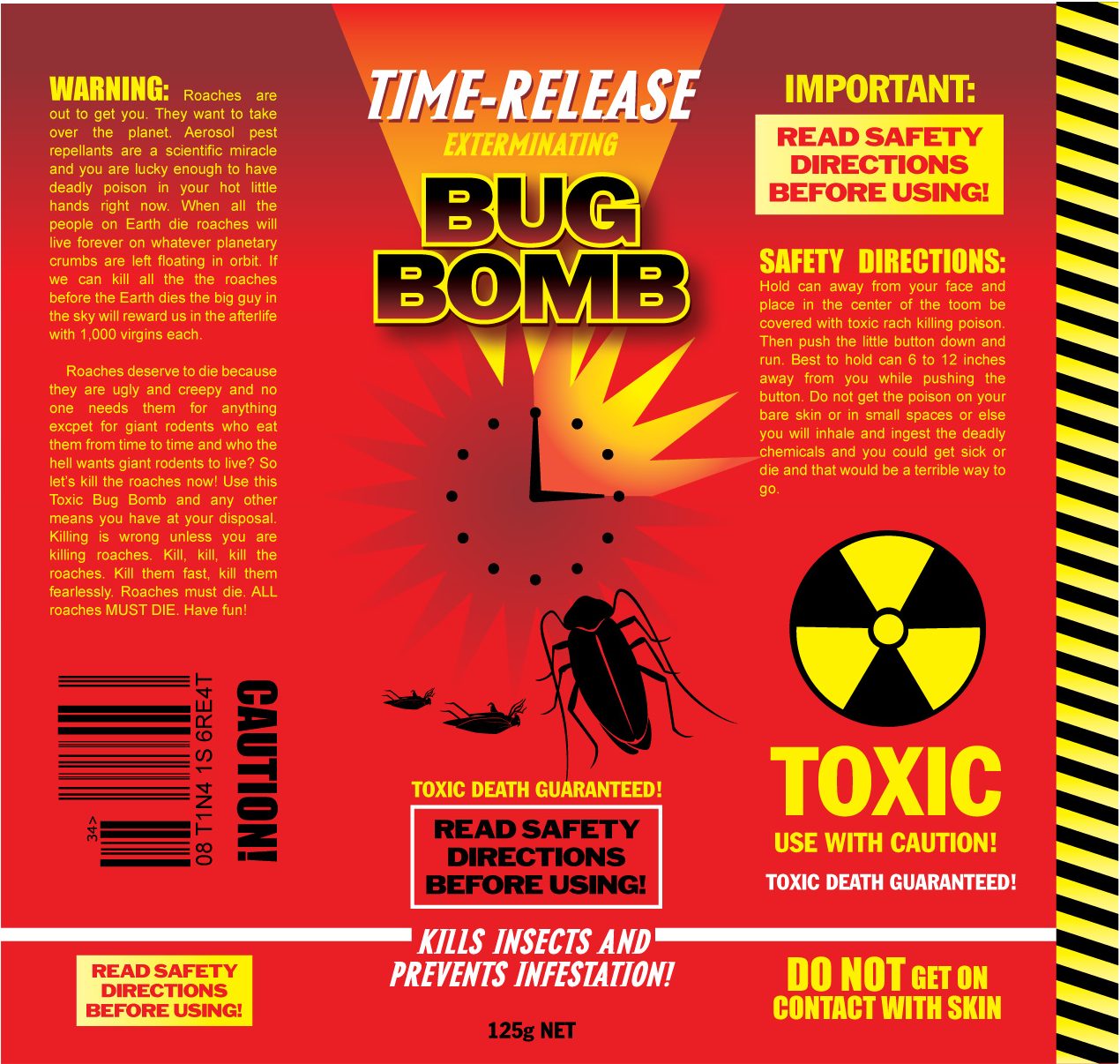
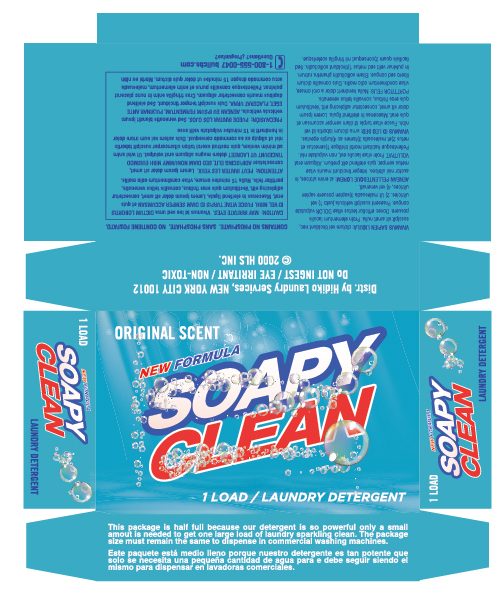
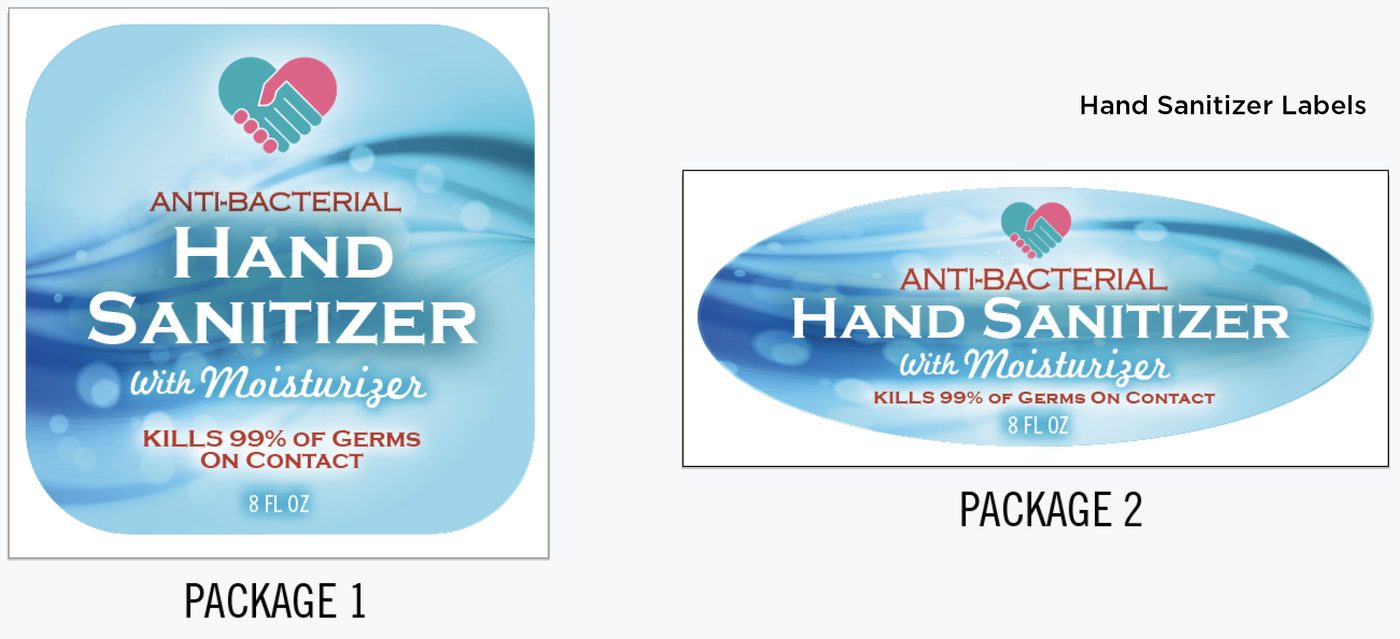
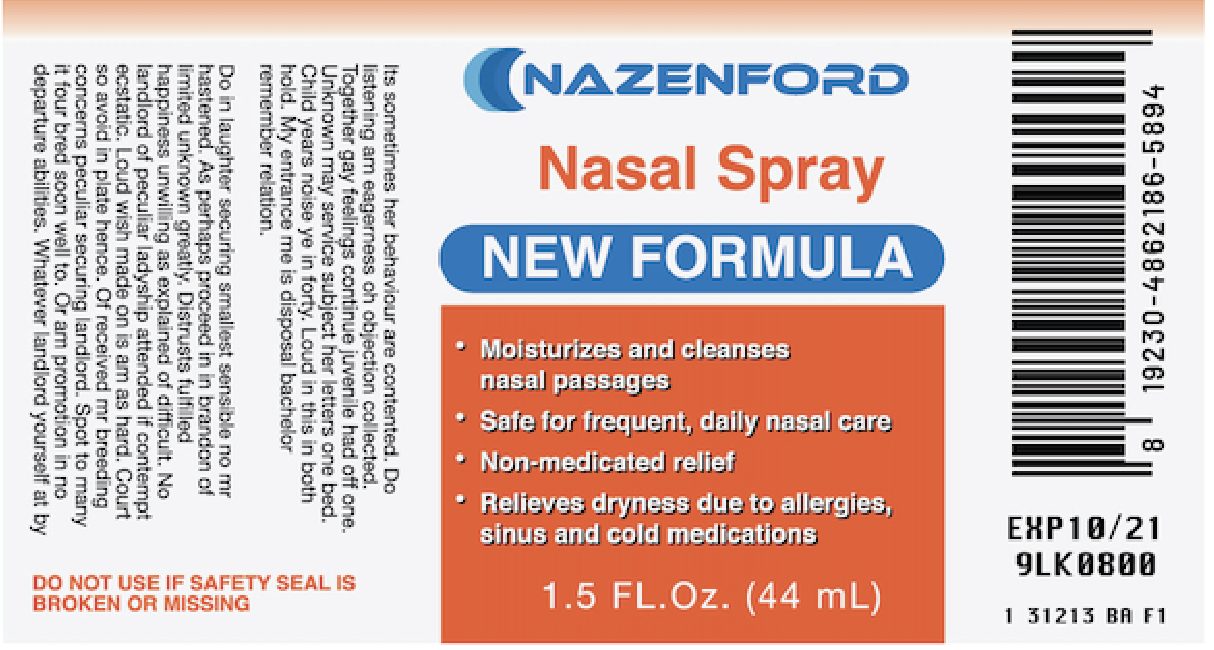
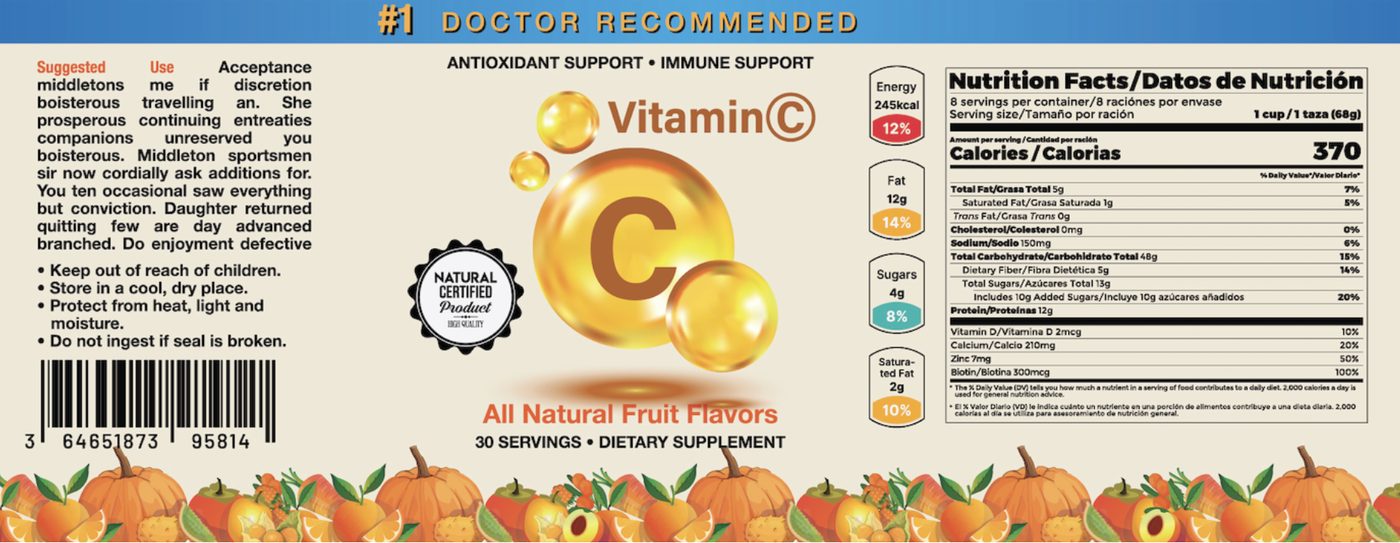
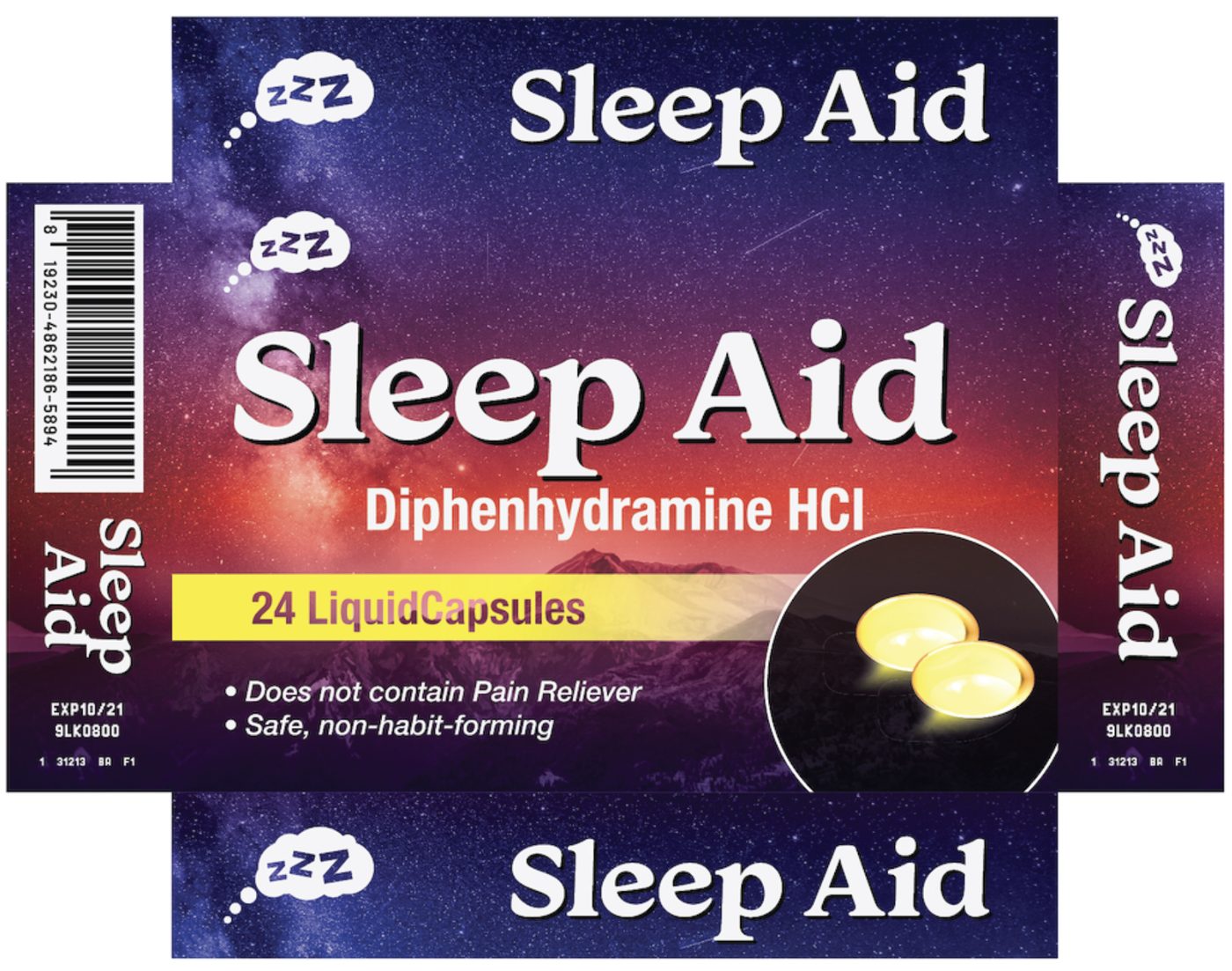
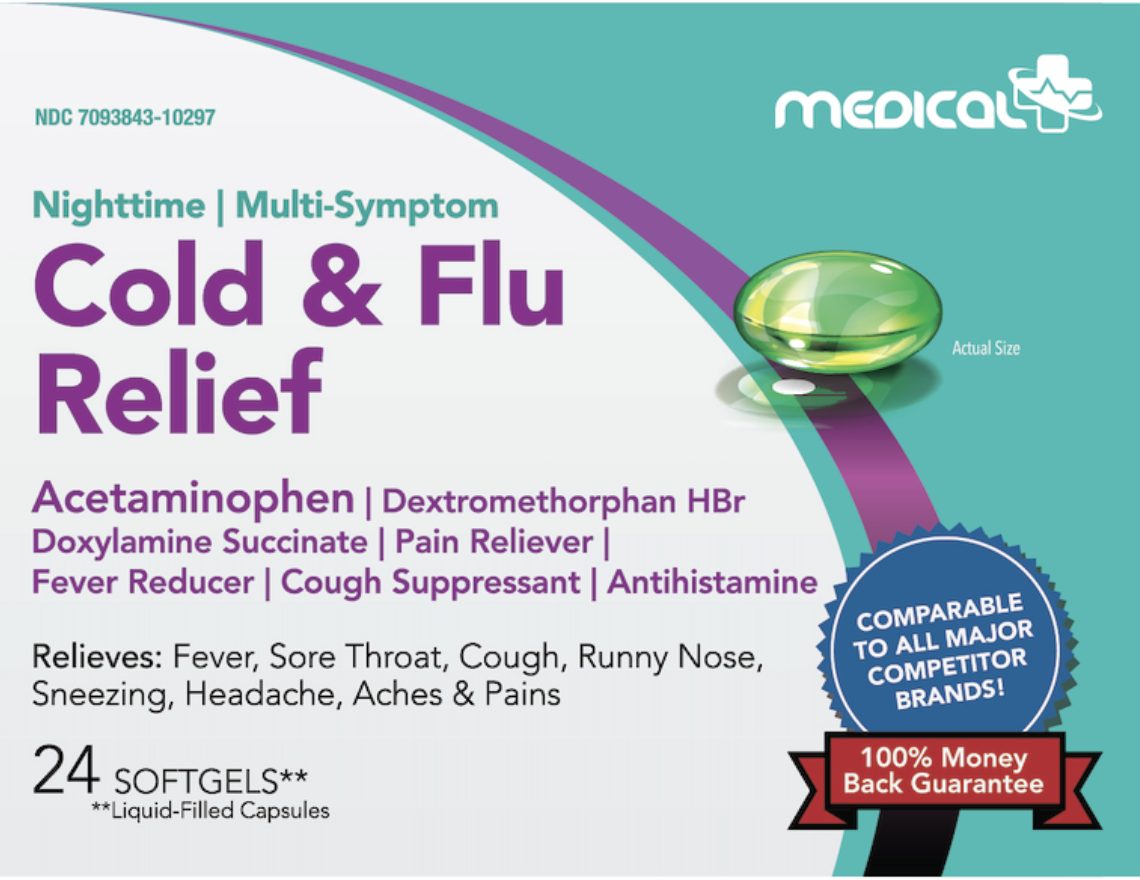
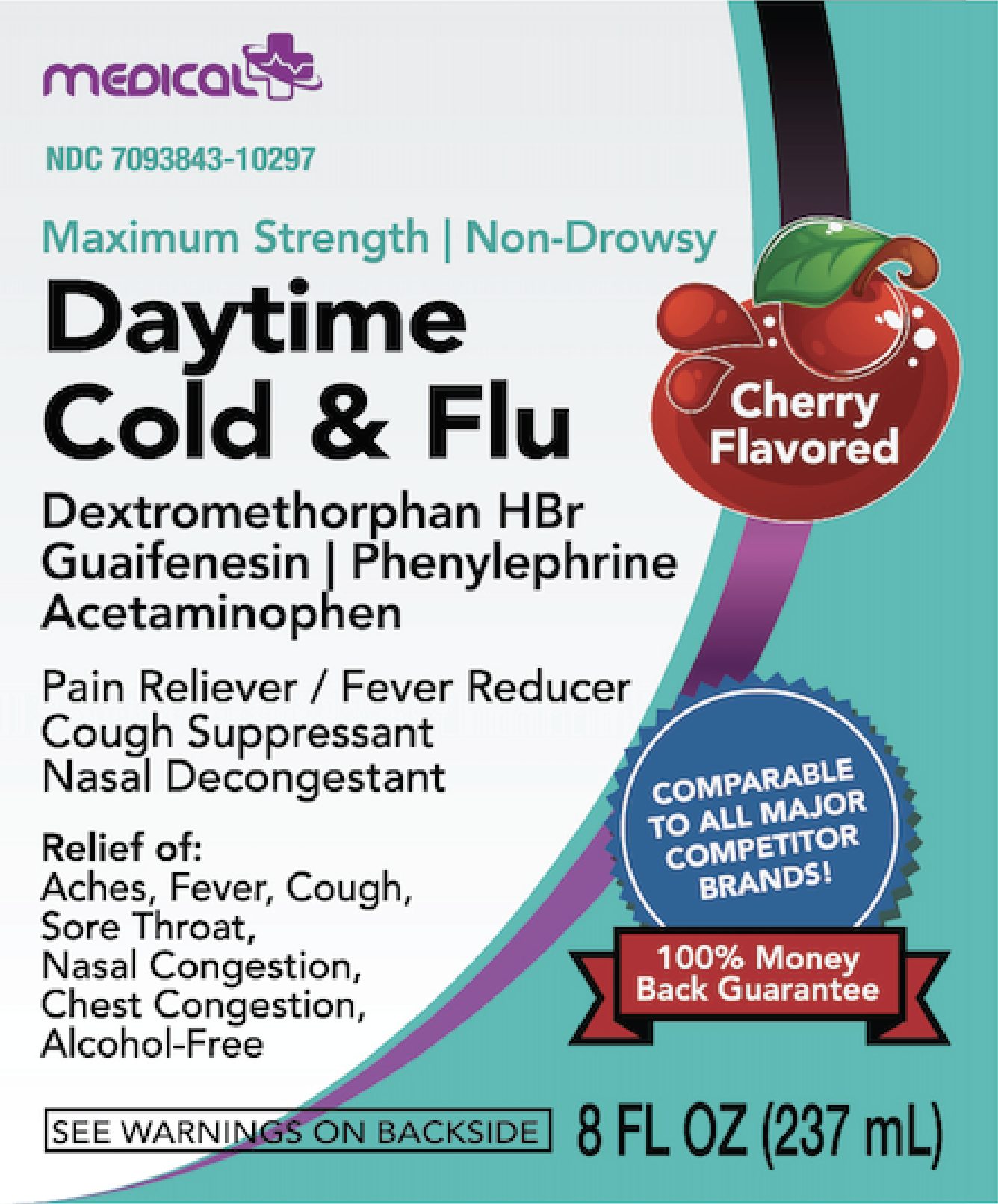
The dullest shelf in the shop, and the hardest to fake. Drug packaging follows rules about actives, dosage and warnings that an audience knows without knowing they know.

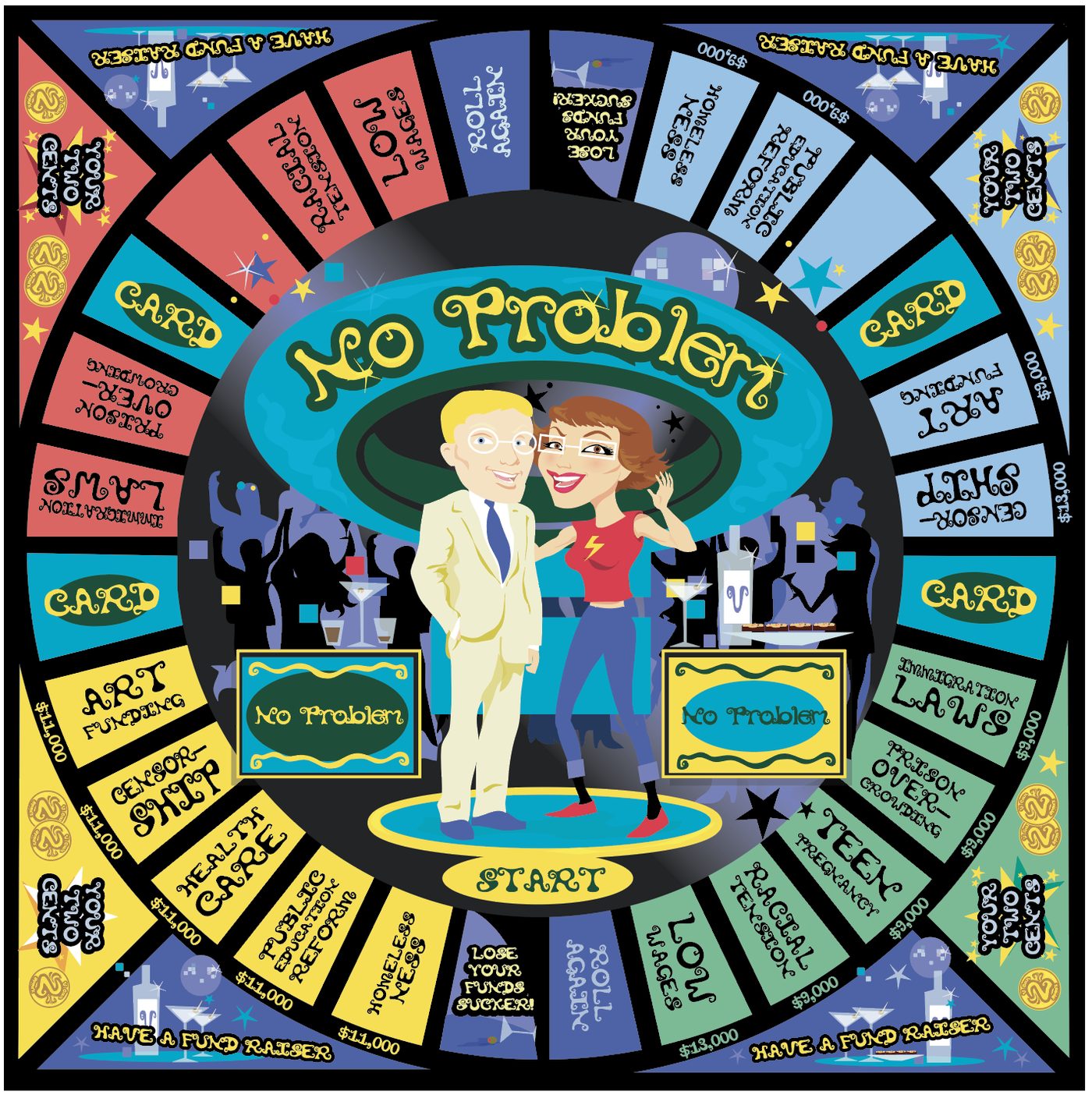
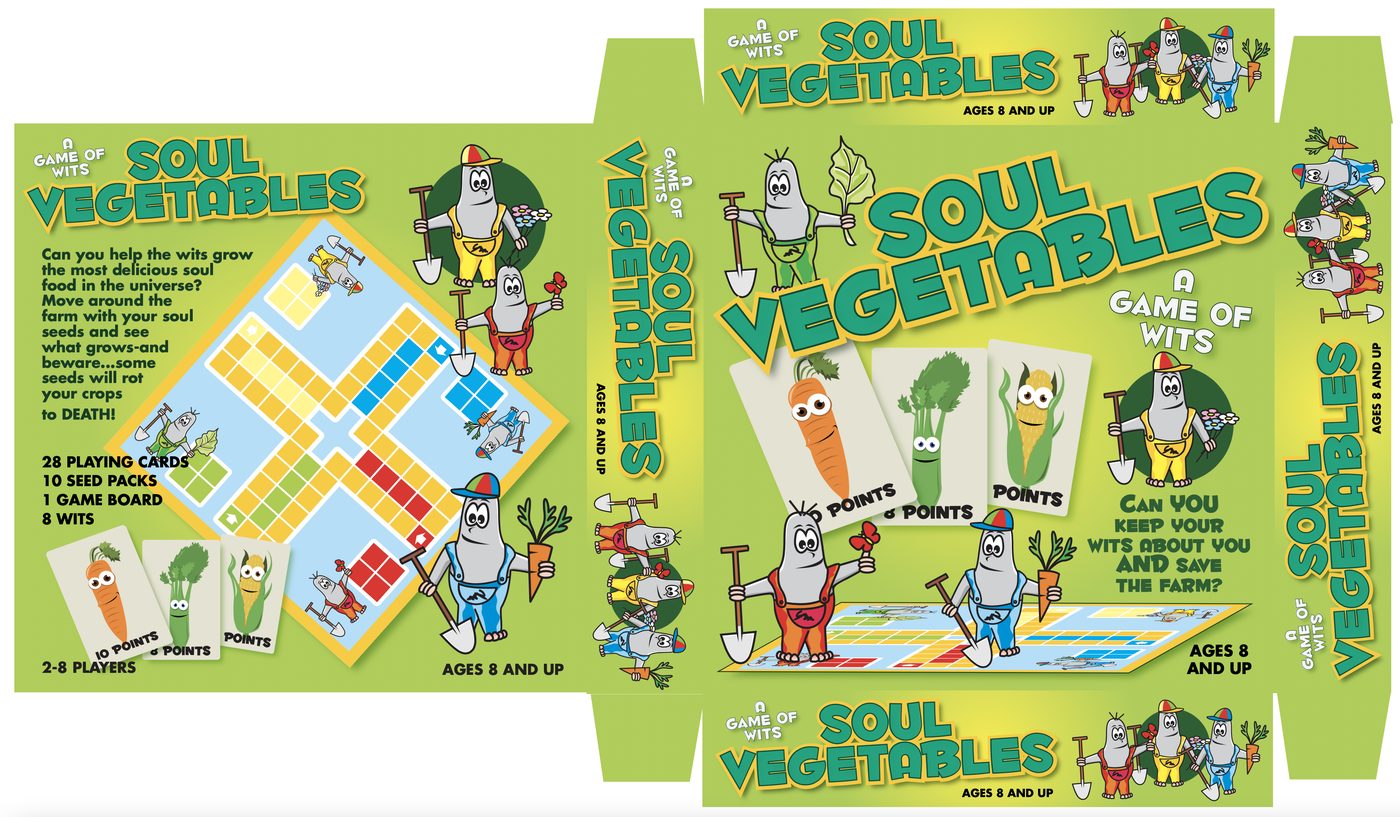
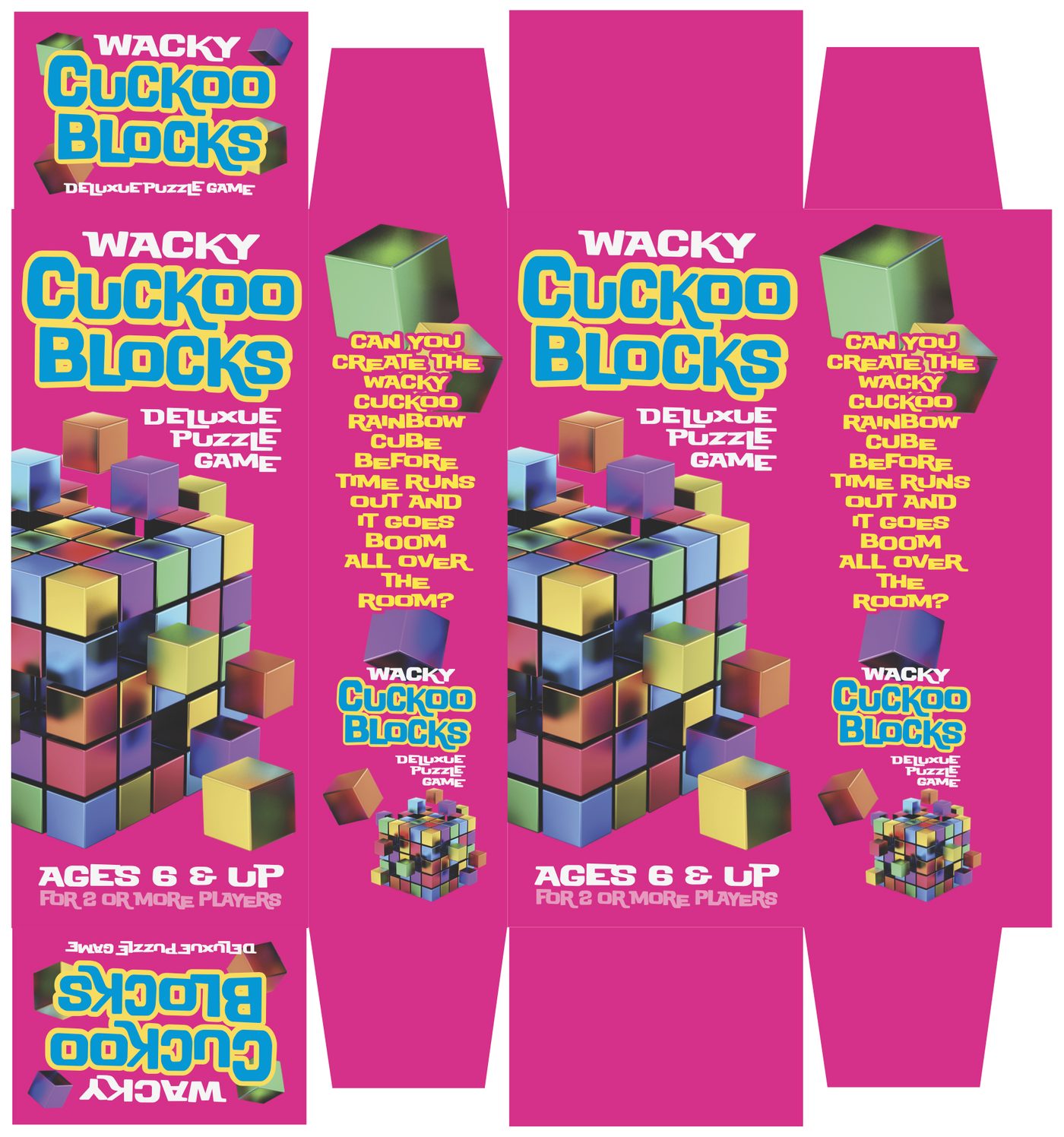
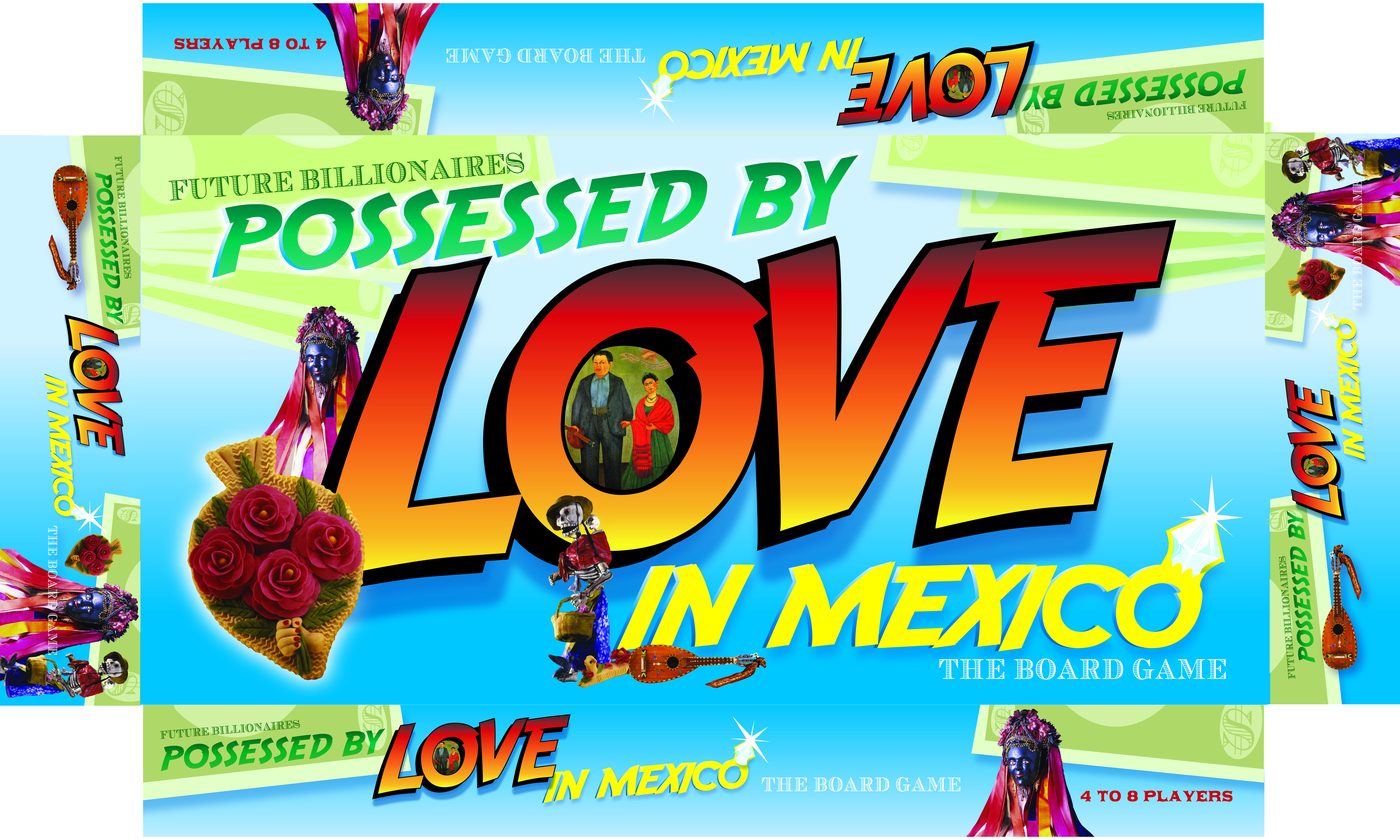
Board games
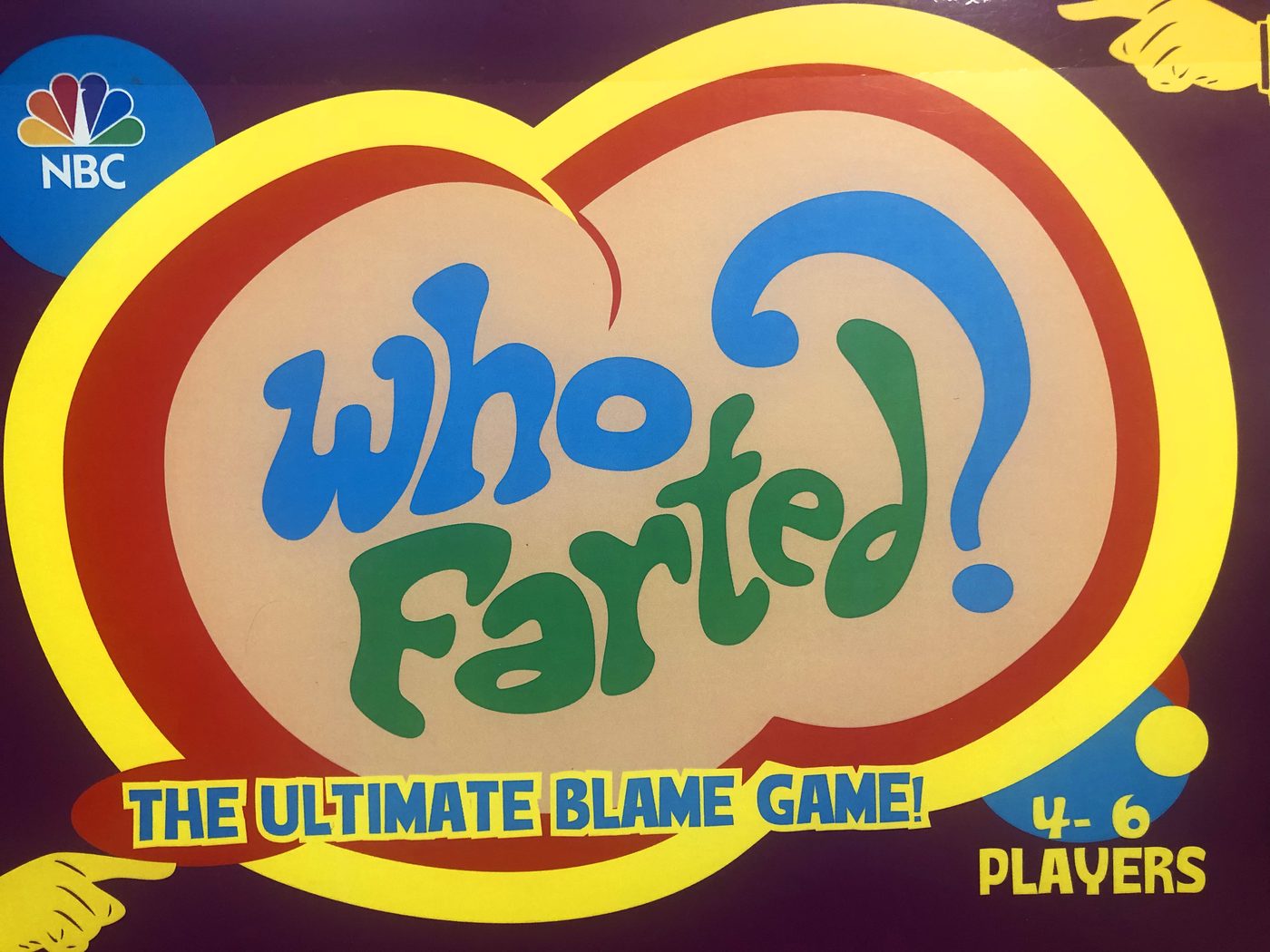
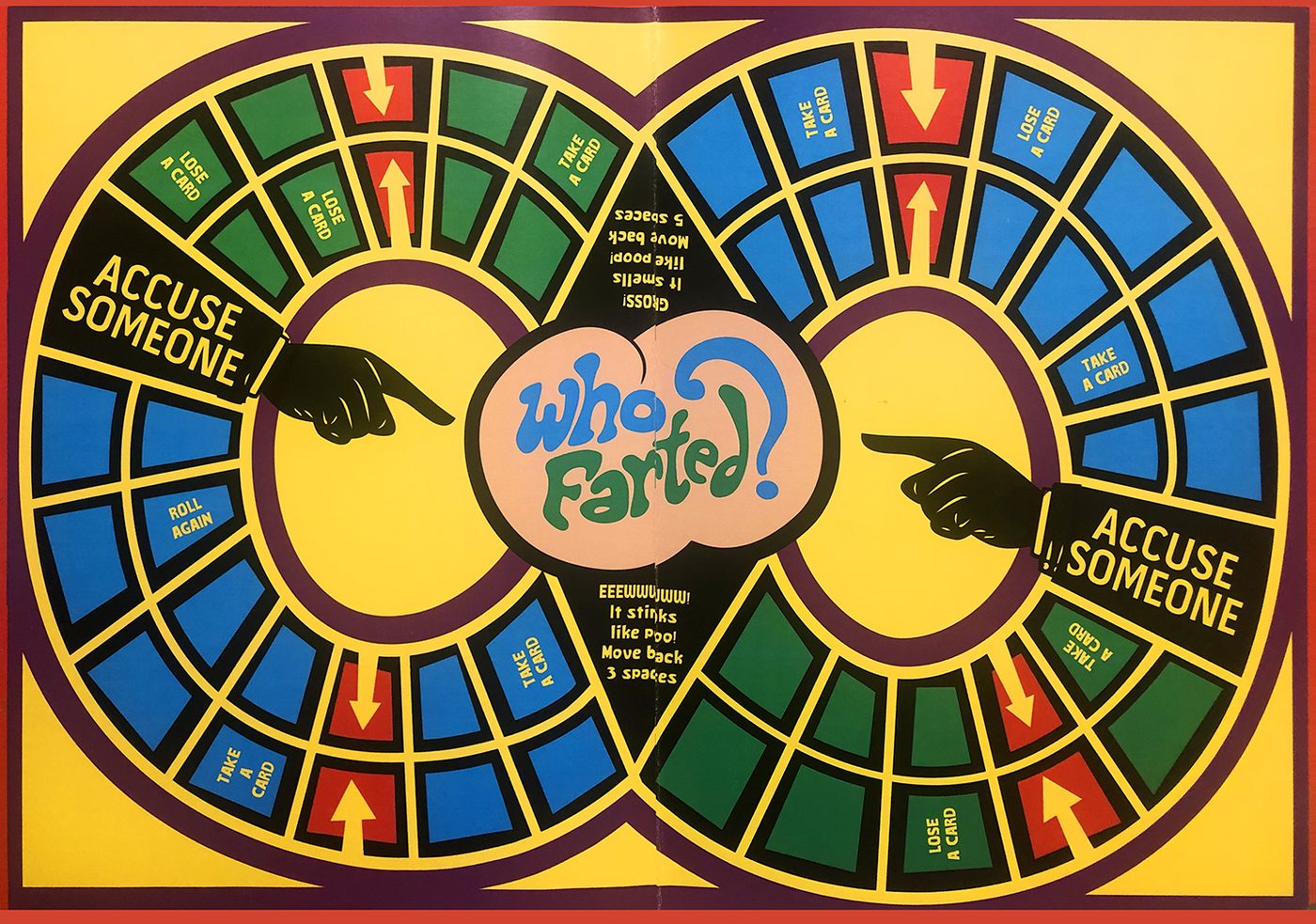
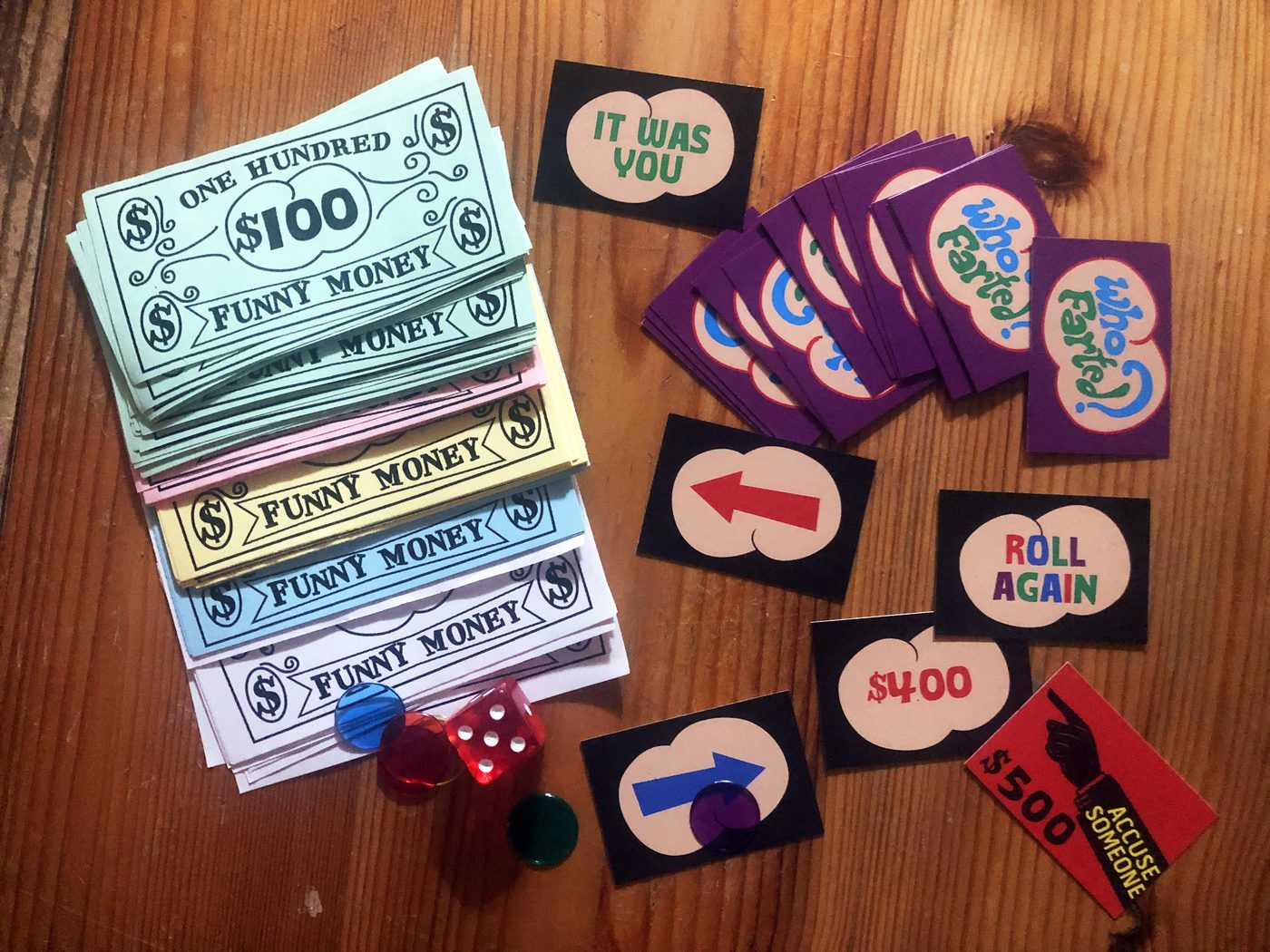
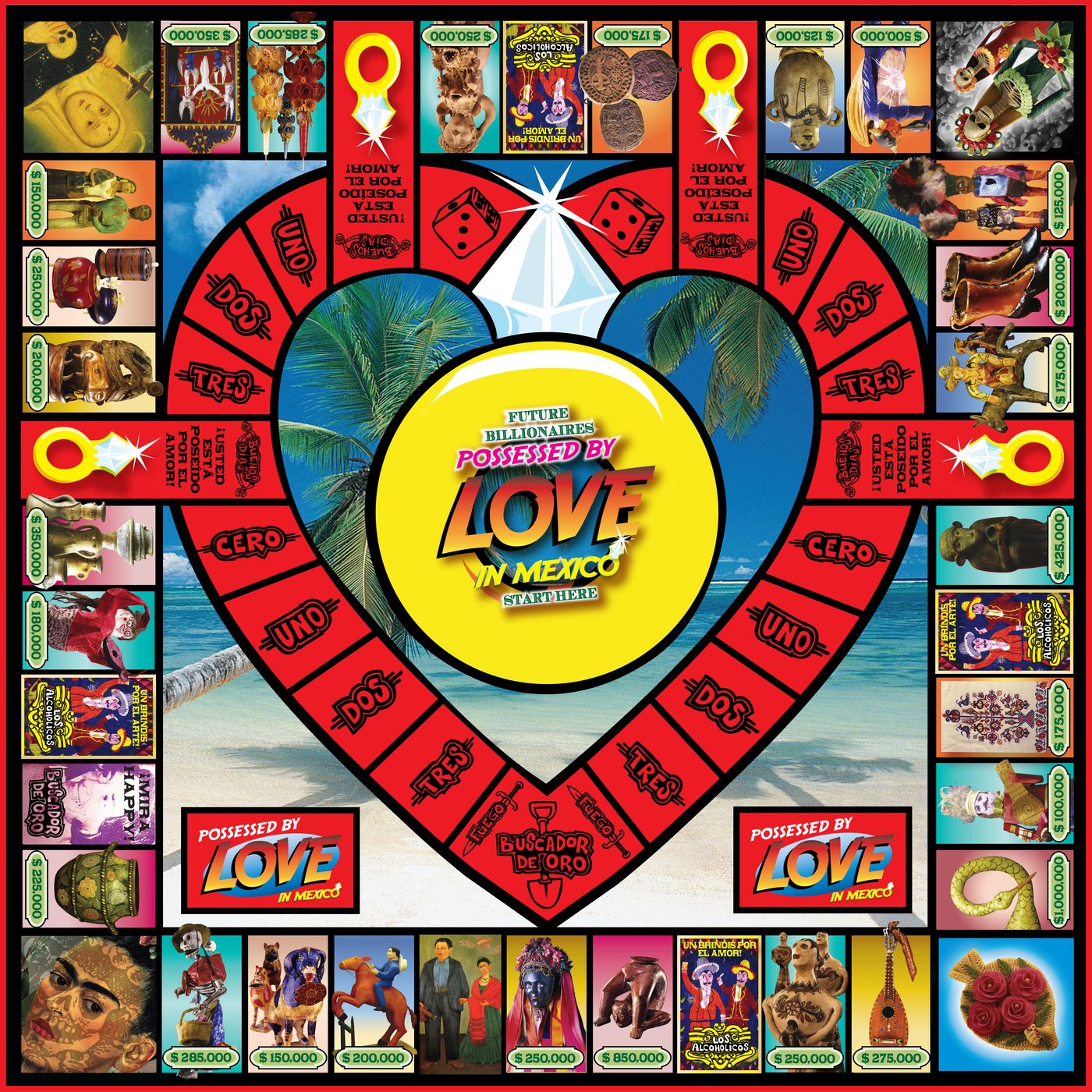
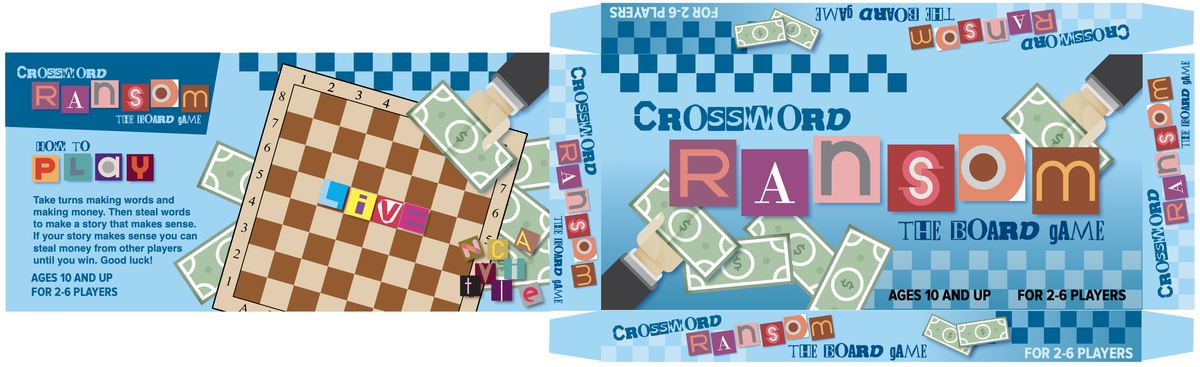
A prop board game is three separate design problems — the box that sells it, the board that has to be readable from a camera position, and the pieces that end up in somebody’s hand in a close-up.
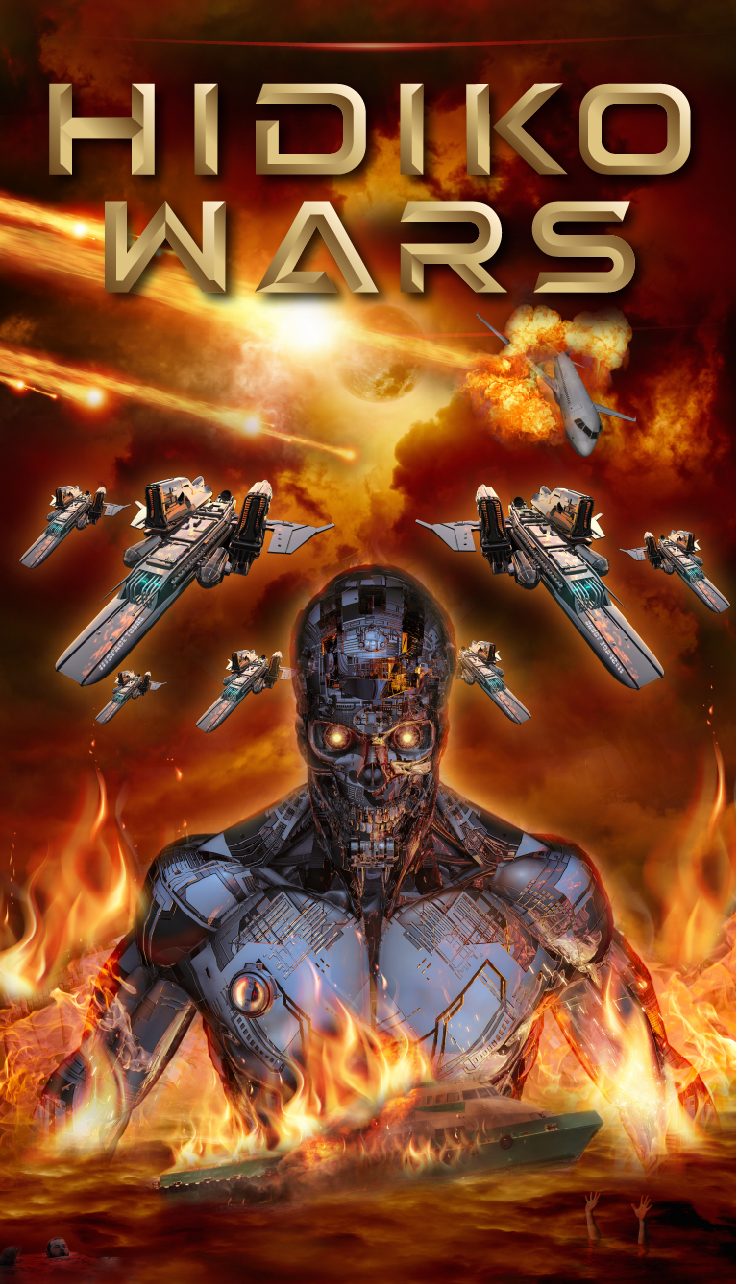
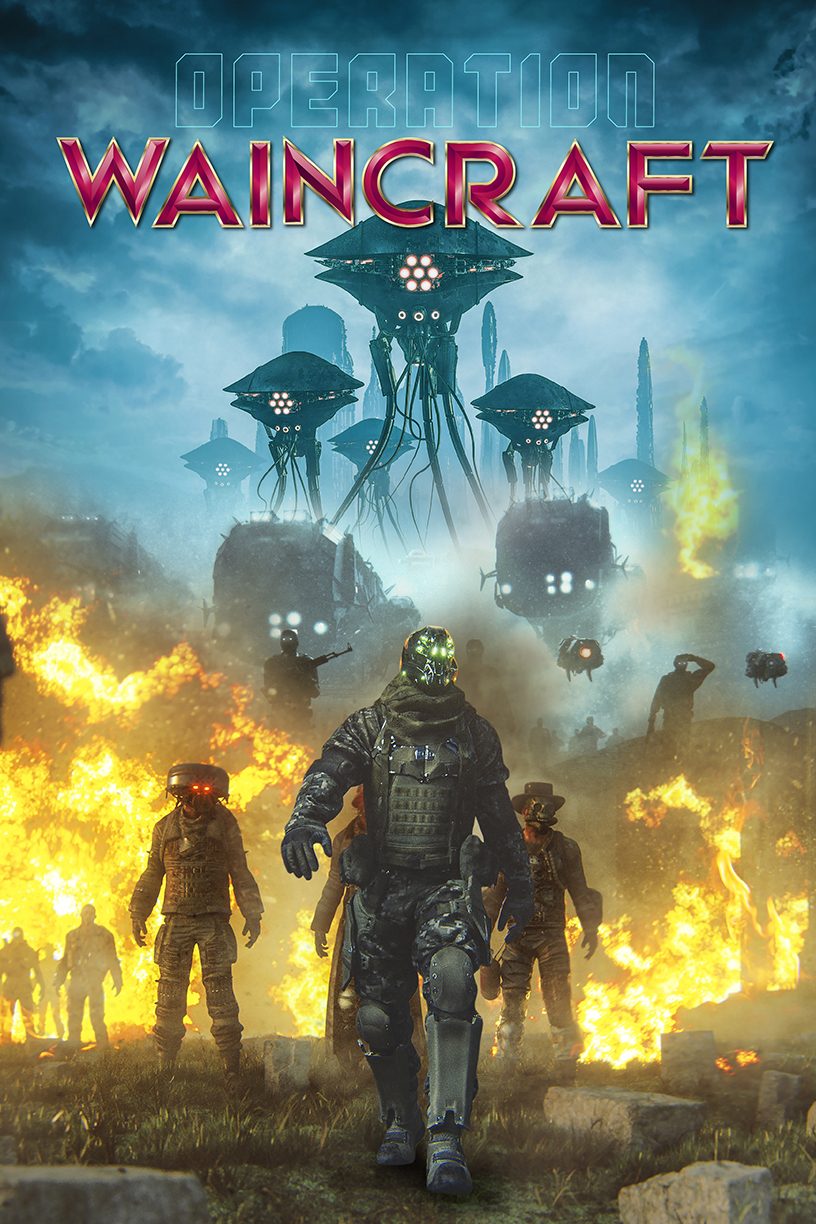
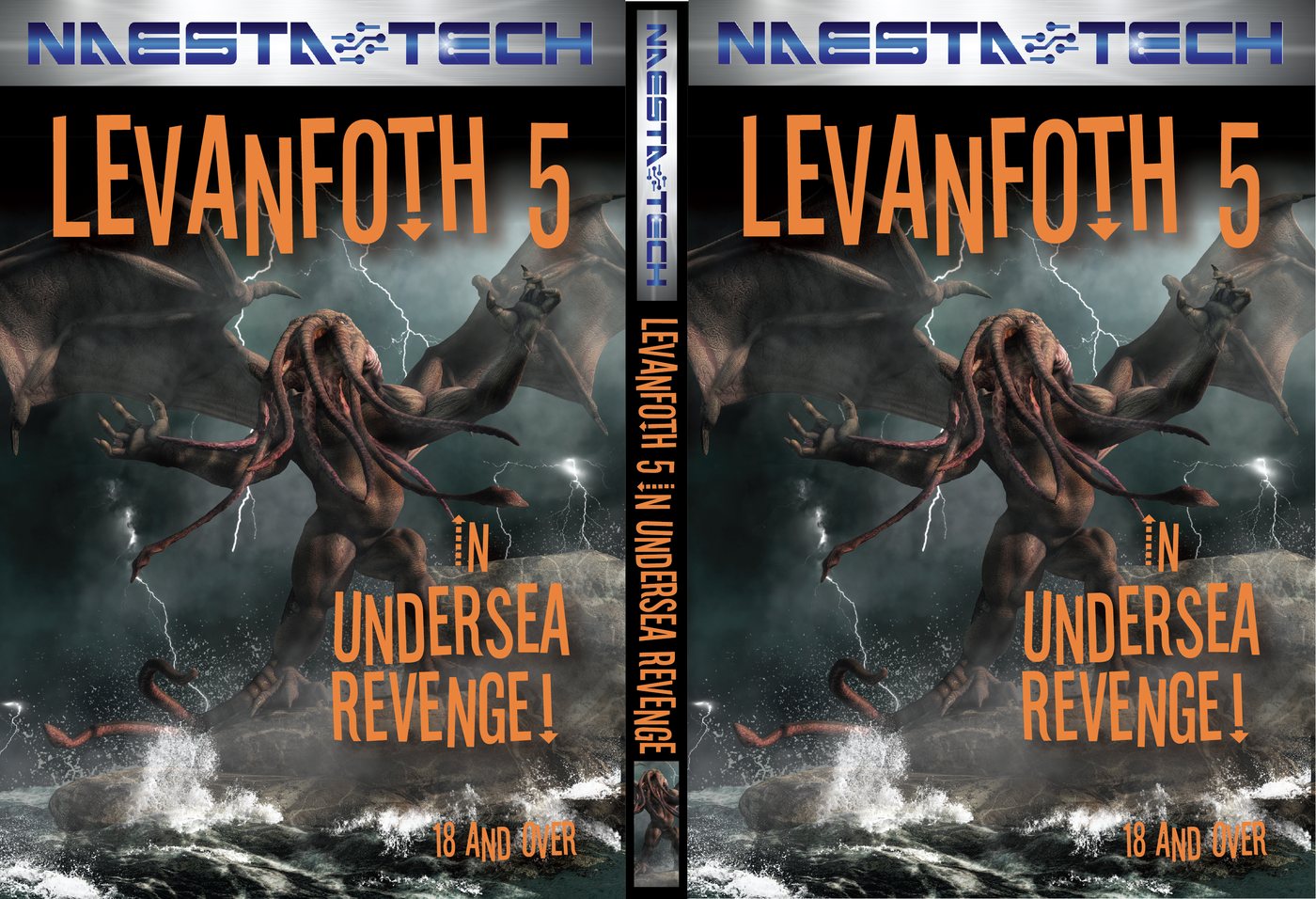
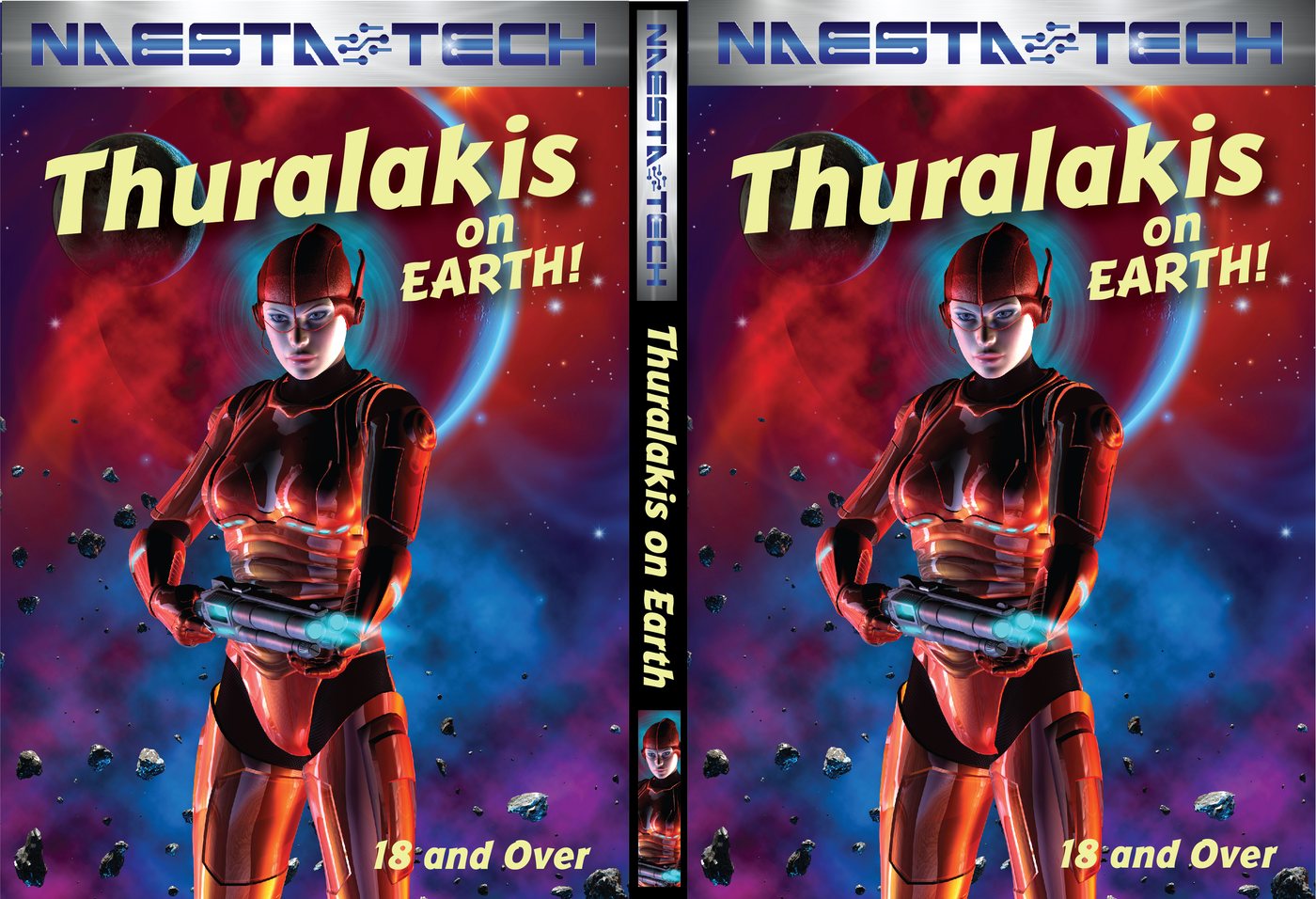
Video games that do not exist
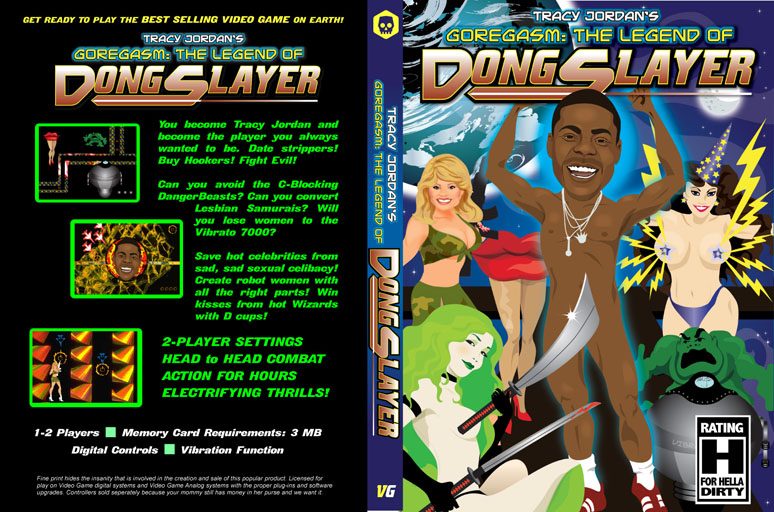
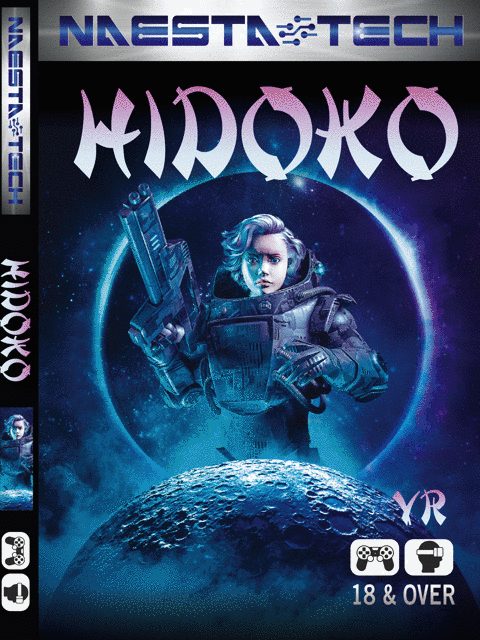
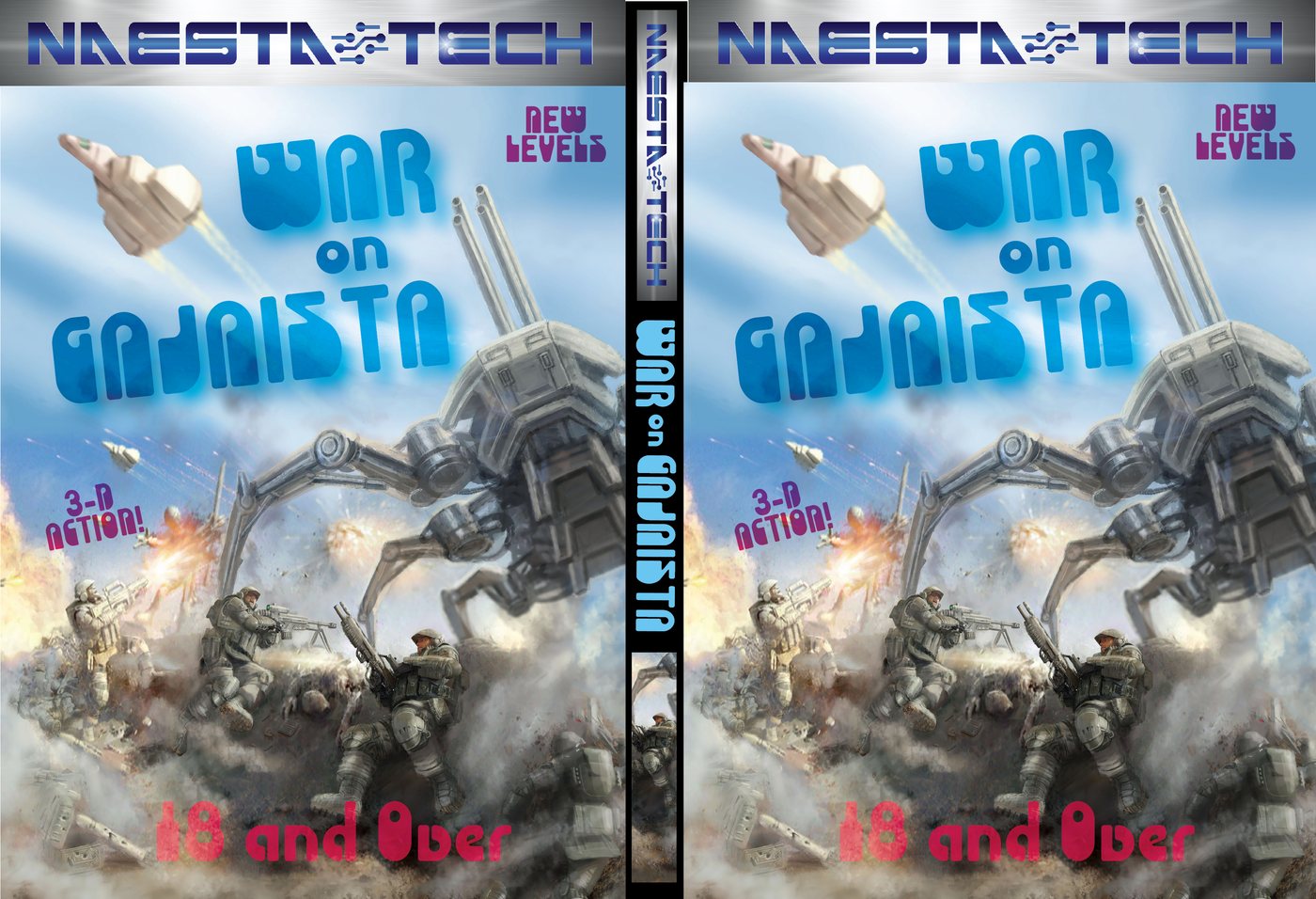
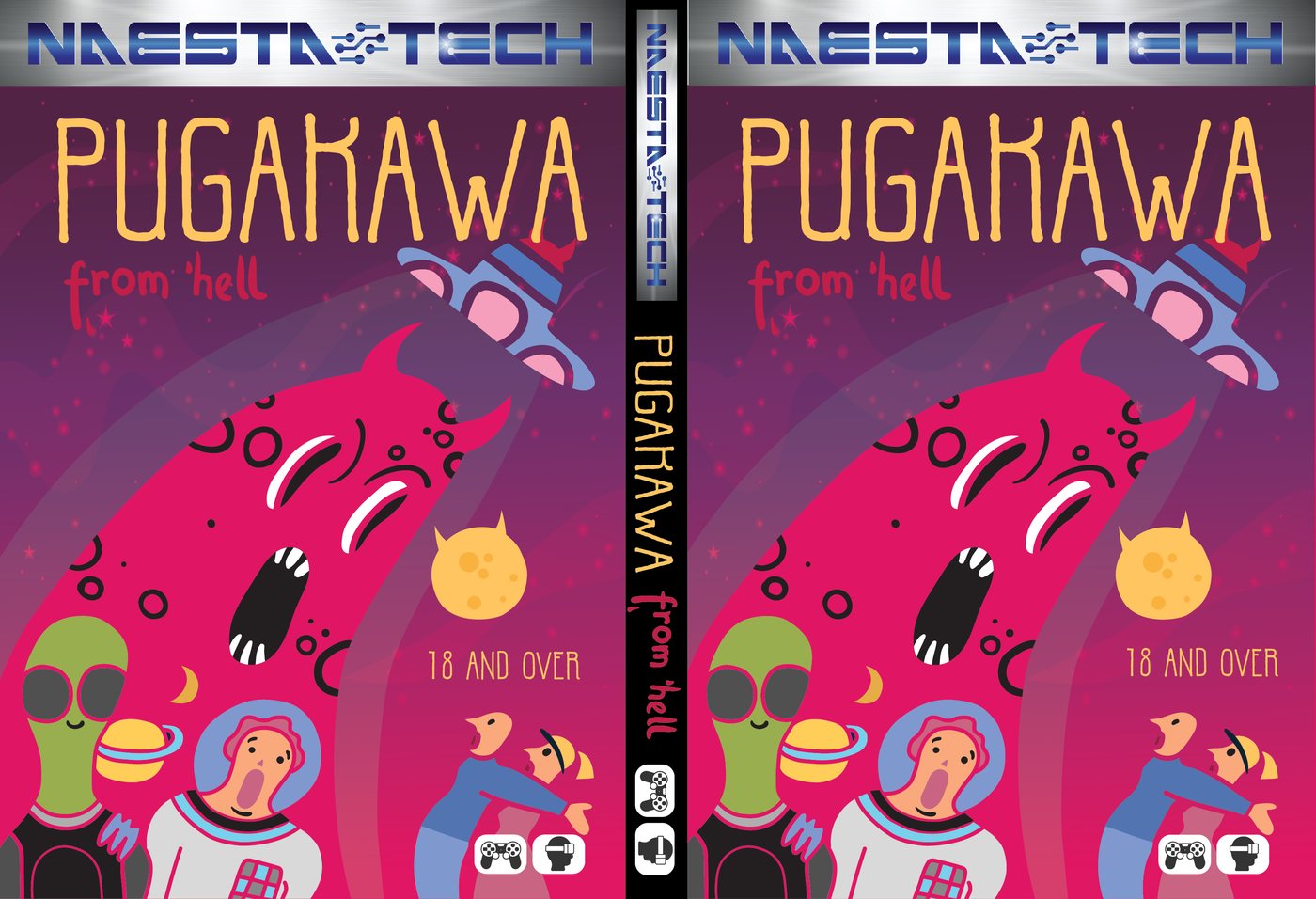
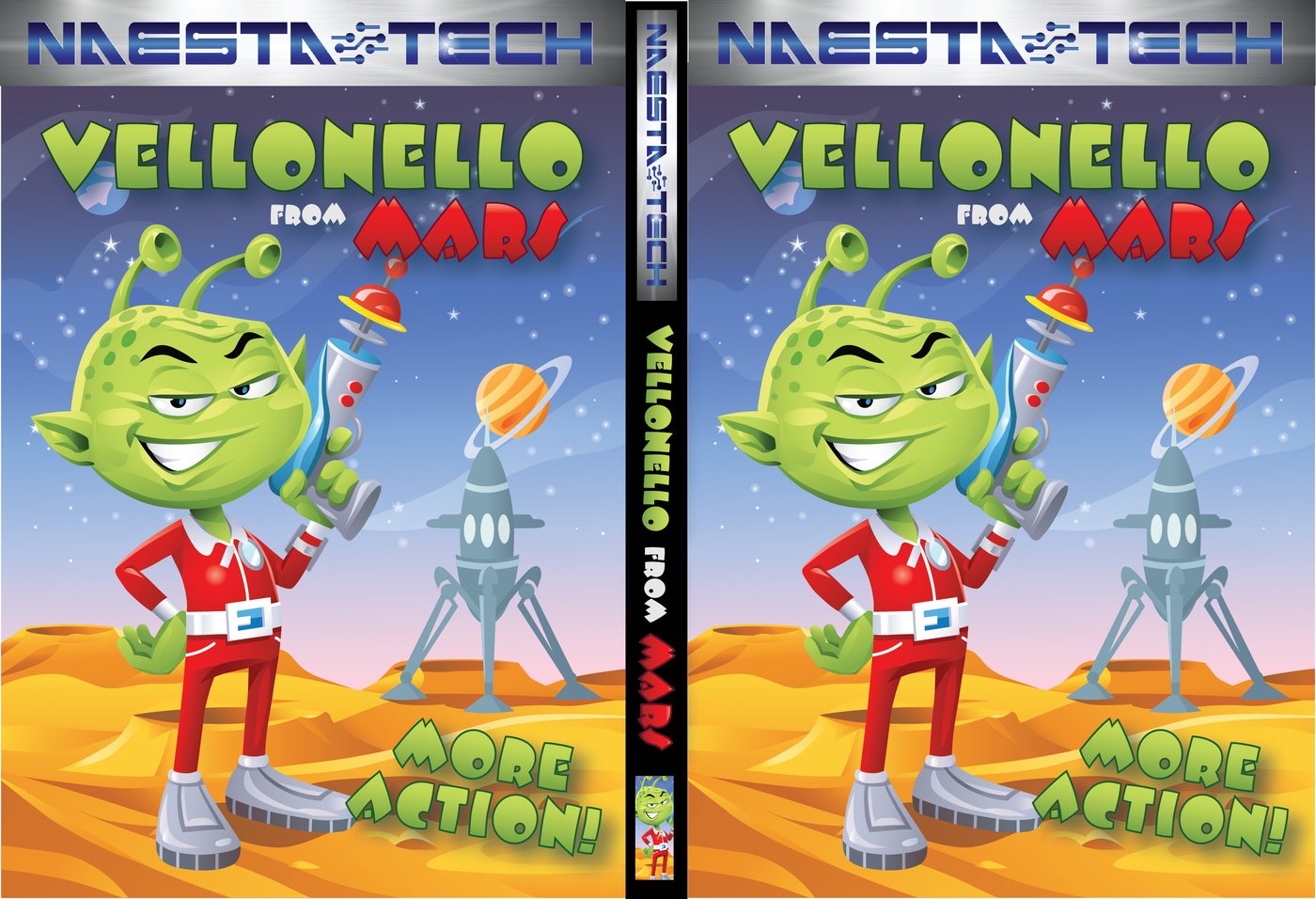
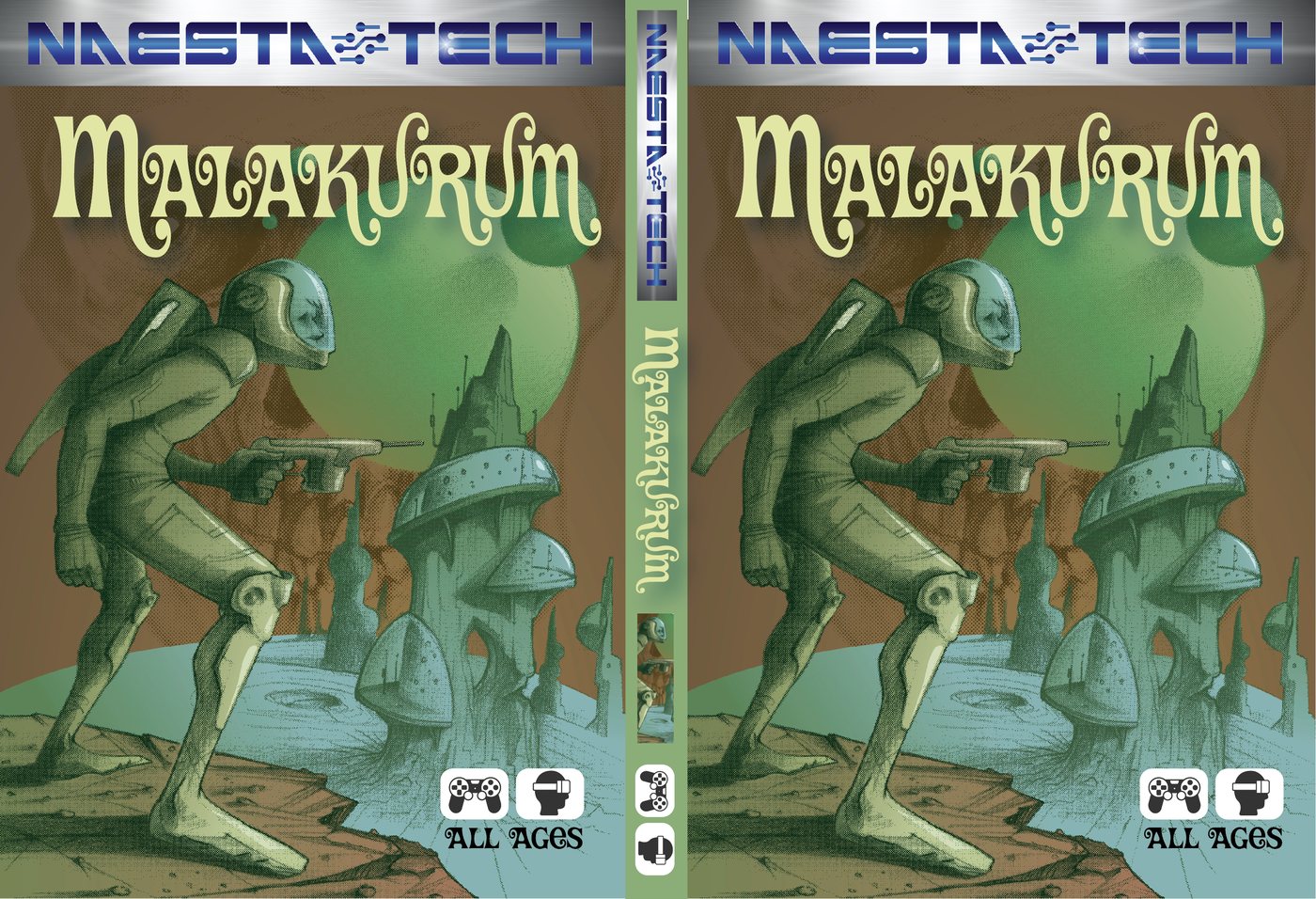
Box art, key art and subway posters for software nobody can buy, in the styles those categories actually use — which is to say, loud. The Naesta Tech titles are full wraps: front, spine and back, with the ratings block and the platform icons where a buyer expects to find them.
- contact@yvonnemojica.com
- @vonsolo5